Mother's Day gifts for dementia moms: activity kits that comfort and engage
Choose Mother's Day gifts for dementia patients focused on gentle cognitive engagement and emotional comfort with printable activity kits.

Activity kits with large-print, easy activities and conversation prompts work best as Mother's Day gifts for dementia patients. They gently engage memory and emotion without frustration, like the Gentle Minds Activity Kit with three difficulty levels.
On this page (8 sections)
- The short version
- What types of gifts are best for dementia patients on Mother's Day
- How activity kits help cognitive and emotional well-being
- Examples of gentle-minds activity kits and their features
- Tips for choosing gifts that are easy and soothing for dementia patients
- Mother's Day gifts for dementia patients: activity kits that comfort and engage
- Alternatives to printable activity kits for dementia patients
- Questions people still ask
Part of our guide on supporting comfort with holiday gifts
| Activity pages | 130+ printable |
|---|---|
| Difficulty levels | 3 levels |
| Conversation cards | 48 cards |
| Print sizes | US Letter, A4 |
| Target user | Adults with memory loss |
The short version
- Choose activity kits with large, clear print and simple instructions.
- Look for materials that engage memory and promote conversation.
- Select gifts that match the patient’s current cognitive abilities.
- Printable kits let you reuse and tailor activities easily.
- Avoid overly complex or childish materials that cause frustration.
What types of gifts are best for dementia patients on Mother's Day
The best gifts for dementia patients on Mother's Day combine mental engagement with emotional comfort. Activities that respect their cognitive level and avoid frustration work best. Large-print puzzles, simple memory games, and themed conversation prompts fit well.
Physical gifts with too much complexity or that rely heavily on memory can cause confusion and stress. Instead, choose printed materials or kits that offer flexible use, letting caregivers adapt activities to daily moods and abilities.
Gifts that promote connection, like those encouraging storytelling or reminiscing, help maintain emotional bonds. Avoid gifts that feel childish or overly clinical, as these may alienate or upset your loved one.
Consider the patient's current stage of dementia when selecting gifts. Early-stage patients may enjoy more complex activities, while advanced-stage patients need simpler, soothing options. We go through selecting gifts that engage dementia step by step elsewhere on the site.
Gifts that encourage sensory engagement, like textured fabrics or scented items related to pleasant memories, can also comfort dementia patients and spark recognition.
Personalized gifts using familiar themes, photos, or music tied to your mom’s history often evoke positive emotions and reduce anxiety. These work well alongside activity kits.
How activity kits help cognitive and emotional well-being
Activity kits help by providing structured yet gentle challenges that stimulate thinking and recall without pressure. They can boost mood by offering achievable tasks and moments of shared interaction.
Kits with multiple difficulty levels let you meet your loved one where they are, reducing frustration and increasing feelings of success. Conversation cards included in such kits spark pleasant talks and memories.
Regular, simple engagement can slow mental decline symptoms and improve quality of life. Emotional benefits arise from feeling valued and able to participate, strengthening your Mother's Day celebration.
Activity kits also help reduce feelings of isolation by encouraging interaction between the dementia patient and their caregiver or family members. We go through choosing memory-stimulating gifts step by step elsewhere on the site.
Engagement through these kits can trigger neuroplasticity, helping maintain brain function longer than passive activities like watching TV.
For example, completing a simple memory game or sorting task can give a 75-year-old dementia patient a sense of accomplishment, lifting their mood and motivation for the day.
Activity kits also encourage routine and structure, which dementia patients often need to feel secure. Using the kit daily at similar times can reduce anxiety by creating predictability. There is more on gifts for elderly with low vision in a separate guide.
Choosing kits with tactile elements, like textured papers or stickers, can engage different senses. This multi-sensory approach helps maintain brain activity and can soothe agitation.
An example: a 70-year-old woman with moderate dementia completes a matching card activity from the kit in about 15 minutes, then chats about the images. This short session improves her mood and eases restlessness for the next hour.
Examples of gentle-minds activity kits and their features
The Gentle Minds Activity Kit offers over 130 printable pages designed for adults living with memory loss. It includes three difficulty levels: Gentle, Easy, and Steady, accommodating a range of abilities.
You get 48 conversation cards that stimulate discussion and memory sharing. The kit also provides daily planning pages and a caregiver guide to help facilitate activities.
This kit is printable on US Letter or A4 paper and can be reused multiple times. It avoids childishness and respects the dignity of dementia patients through appropriately challenging and meaningful content.
It is not intended as medical treatment, but purely for enjoyment and engagement, fitting well as a Mother's Day gift that gets used and appreciated.
Tips for choosing gifts that are easy and soothing for dementia patients
Pick activities with large, clear print to reduce visual strain. Avoid puzzles with tiny letters or overly complex rules.
Select materials with no wrong answers. This prevents frustration and keeps the experience positive. Activities should invite participation rather than test.
Look for kits that offer caregiver guidance. This helps tailor activities to daily changes in ability and mood.
Choose items that encourage sensory or emotional connection: like themed word searches or memory prompts related to your mom’s past interests.
Avoid toys or games aimed at children; patients often dislike feeling infantilized. Respectful, adult-themed materials enhance dignity.
Test the activities yourself before gifting. This lets you gauge the difficulty and appropriateness for your mom’s current abilities.
Avoid activities requiring fine motor skills if your mom struggles with coordination. Larger pieces or simpler tasks prevent frustration.
If your mom prefers visual or auditory stimuli, look for kits that include pictures or music prompts. Matching the gift to sensory preferences improves engagement and comfort.
Mother's Day gifts for dementia patients: activity kits that comfort and engage
For Mother's Day gifts for dementia patients, activity kits that balance stimulation with comfort work best. The Gentle Minds Activity Kit stands out as it offers multiple difficulty levels and conversation cards designed for memory loss.
It lets caregivers provide personalized engagement that respects declining abilities without boredom or frustration. This kit’s printable pages also allow repeated use, saving money and ensuring fresh activities.
You’ll find it suits families, care homes, and activity coordinators needing age-appropriate, dignified materials to celebrate and connect on Mother’s Day. The kit does not treat dementia, but provides moments of joy and meaningful interaction.
Consider pairing the kit with quiet, familiar objects or photos to deepen emotional comfort during activity time.
Some activity kits include options for music or art, which can further comfort and engage dementia patients. These creative outlets often access emotional memories distinct from verbal ones.
Pairing activities with soothing background music your mom loves can increase participation and calm. For example, playing her favorite 1960s songs during a puzzle session may spark joyful memories.
Physical comfort matters too. Offer a cozy blanket or favorite chair to improve the experience. The combination of comfort and mental engagement makes the gift more meaningful and relaxing.
Alternatives to printable activity kits for dementia patients
If you prefer a free or customizable option, try creating your own word searches with large print using the free Large Print Word Search Maker. It lets you pick words meaningful to your mom, adding personal touch.
Traditional puzzle books often have print too small or content too complex. Store-bought memory games can be too challenging or childish.
BigPrint Puzzle Studio offers a tool to design large-print puzzle books yourself, ideal if you want highly customized puzzles. However, it requires publishing effort and is less immediate as a gift.
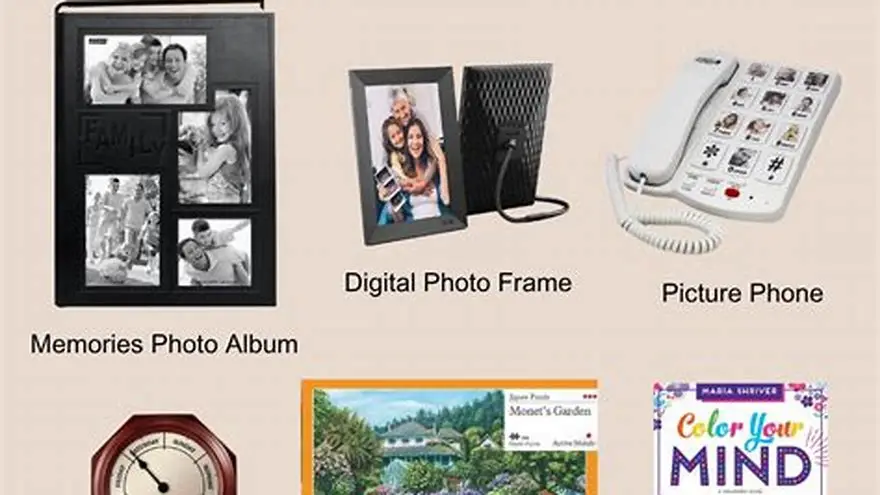
Handmade photo albums or memory boxes also provide emotional comfort but lack the active engagement of an activity kit.
Questions people still ask
What makes activity kits suitable for dementia patients?
They offer large-print, simple activities with no pressure to get answers right. Multiples difficulty levels and conversation prompts help keep engagement comfortable and meaningful.
Can activity kits improve dementia symptoms?
These kits do not treat or cure dementia. They help maintain cognitive engagement and emotional connection, which can improve quality of life.
How do I know which activity level to choose?
Choose based on current abilities: Gentle for higher memory loss, Easy for moderate, Steady for milder symptoms. Adjust as needed for enjoyment.
Are printable kits reusable?
Yes. You can print fresh copies for repeated use or for multiple people, making them economical and flexible.
What should I avoid in gifts for dementia patients?
Avoid small print, complex rules, or items that feel childish. These cause frustration or loss of dignity.
Ready to try it? It provides printable, large-print activities with conversation prompts designed for adults living with memory loss, ideal for Mother's Day gifts.
Try the activity kit