How to Host a Senior Game Day at Church: A Simple Plan
Host a senior game day at church on a weekday morning: book the fellowship hall and plan three games in two hours. Print everything large, set the chairs in a circle, and keep prizes small and useful.
On this page (8 sections)
- Quick recap
- Pick a date, a room and a time that suits seniors
- Choose games the whole room can play
- Set up the room so everyone can see and hear
- A sample schedule for a senior game day at church
- Food, prizes and helpers: the small things that matter
- Make the shy ones welcome and end on time
- Still wondering?
Part of our guide on planning a senior center game night
Key figures
- Games per day
- Three in two hours
- Best time
- Weekday morning
- Table size
- Four to six players
- Print size
- Large, bold, black on white
- Prizes
- Small and useful
Quick recap
- Book the hall for a weekday morning.
- Mix quiet table games with one whole-room game.
- Seat shy players with a friendly regular.
- Ask the group what to play next month.
Pick a date, a room and a time that suits seniors
Weekday mornings suit senior groups best. Energy is highest before lunch, lifts are easier to arrange, and the hall is usually free. Tuesday or Wednesday mornings avoid the weekend rush and the Sunday service. Ask the pastor or the hall keeper first, and put the date on the church calendar before you print anything.
Book the fellowship hall, not a classroom. The hall holds tables, a kitchen and a toilet nearby, and it lets latecomers slip in without disturbing a game. Check the chairs: firm seats with arms suit older players, and a chair without arms is hard to rise from. Count the seats before you count the guests.
Set the date three to four weeks ahead. That gives the notice sheet time to reach the congregation, the prayer list and the lift drivers. Put the date in the Sunday notices, on the hall board and in the church newsletter, and ask the welcome team to mention it. Dates that appear in three places are dates people remember.
Keep the cost at zero for players if you can. Check whether petty cash can cover the hall, the printing and the tea, so nobody pays at the door. Free days bring the shy ones in, and a small charge keeps them out. If the budget is tight, ask the congregation for donated prizes and home baking instead of money. We cover starting a group for seniors with dementia in its own article.
Choose games the whole room can play
As a starting point, try three games over two hours, and adjust the timing to suit your group's speed. Start with a quiet table game, move to a whole-room game, and close with a sing-along. Each game needs one clear goal and no more than three rules, or the explaining takes longer than the playing. Familiar games beat new ones: the group plays, not learns.
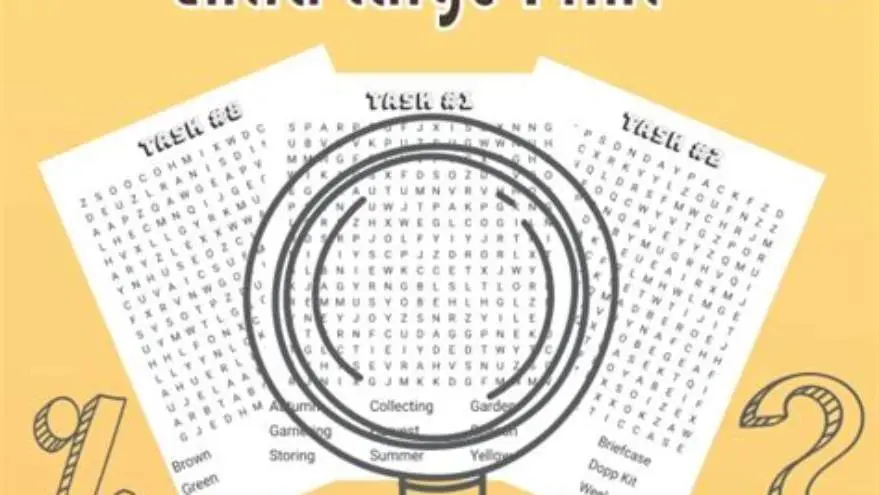
Bible trivia suits a church game day best. Teams answer questions from the Bible, and a wrong answer passes to the next team. Our Big Print Trivia for Seniors fits the same slot, with 400 multiple-choice questions in large print and a host kit for running teams. Answers come after each round, so nobody waits long to know the score. It is a quiz, so it suits one round of the day, not the whole afternoon. For a free alternative, make a large-print word search with the free Large Print Word Search Maker, using hymn titles the group knows.
Hymn bingo brings the whole room in. Cards carry hymn titles instead of numbers, and a hymn plays while players mark the title they hear. The first full row calls bingo, and the caller reads the next title aloud. Pokeno works the same way with playing cards. Fill the gaps with a 'best ever' bag game: each player draws a slip like 'best Christmas ever' and tells the story in a minute. If that sounds like your situation, read up on planning a trivia night for older adults next.
Save one game for the quiet players. Try a jigsaw race, a word search or a 'who am I' round with Biblical characters: shy players join without speaking to the whole room. Teams of four to six work best: small enough to talk, large enough to share the load. Mix the teams each round, so nobody sits with the same faces all morning.
Set up the room so everyone can see and hear
Chairs in a circle beat rows for a game day. Circles let every player see the caller and hear the questions, and helpers reach anyone without crossing the room. Leave a wide gap for walkers and wheelchairs, and keep the doors clear. Open rooms play better than rooms packed tight.
Print every card and score sheet in large, bold type. Use type noticeably larger than standard print, commonly in the mid- to high-teens point size, and black on white reads best. Make the hymn bingo cards, the trivia questions and the score sheets at that size, and keep a few spares. Magnifiers on each table help the player who forgot their glasses. There is more on word search tournament for seniors in a separate guide.
Sound matters as much as sight. Small speakers and a microphone help the caller reach the back tables, and a hearing loop helps more if the hall has one. Ask the caller to speak slowly, face the room, and repeat each question once. Soft chairs and a quiet room absorb sound, so test the microphone before the players arrive. Put a large-print sign on the door with the day's games, so latecomers know what is playing.
Put the tea and the toilets where nobody has to ask. Tea tables at the back let players help themselves between games, and a clear sign to the toilet saves a shy player from asking. Dry floors and taped-down cables stop trips on the way to a game. Safe rooms are rooms people come back to.
A sample schedule for a senior game day at church
Written schedules keep the day moving and the helpers calm. Print it on one sheet and pin it by the door, so latecomers see where the day stands. Two hours is enough: longer, and the room tires. Shorter, and the games feel rushed. The schedule below fits a weekday morning with a tea break in the middle. If that sounds like your situation, read up on word search book for senior centers next.
Name badges matter more than they look. First-name badges in large type let strangers talk like neighbours, and they help the caller call on players by name. Use first names only, and write them in bold black on white. Set up a badge table at the door: it takes a minute and pays for itself all morning.
Move the games along with a gentle hand. Callers who keep score aloud and read each question twice keep the room together. If one table finishes early, give them a word search to fill the gap. If a game drags, cut it short and move on: nobody minds a short game, and everyone minds a long one.
Finish when the schedule says, even if the room begs for more. A prompt finish brings people back, and a late one strands the lift drivers. Close with a hymn everyone knows, hand out the prizes, and thank the helpers by name. Good endings invite people to the next one. It helps to understand running a sudoku club before going further.
- Badges and pens at the door
- Tea and cups in the kitchen
- Cards, score sheets and a spare magnifier
- Speaker and microphone switched on
- 10:00: Welcome, tea and name badges at the door.
- 10:15: First game at the tables, hymn bingo or a word search.
- 10:45: Whole-room game, Bible trivia in teams.
- 11:15: Tea break, cake and a stretch.
- 11:30: Sing-along to close, then prizes and a goodbye.
Food, prizes and helpers: the small things that matter
Start with tea and cake. Tea, squash and biscuits are the usual refreshments for a church game day. Ask two helpers to mind the kitchen so the caller never leaves the room. Home baking from the congregation beats bought cakes, and it gives shy bakers a way to help.
Prizes should be small and useful. Packets of tea, bars of soap, small plants and bookmarks win smiles without embarrassing anyone. Avoid big prizes: they turn a friendly game into a contest, and the losers feel it. Wrap each prize, so the winner enjoys the surprise as much as the gift.
Helpers make the day, so look after them. Two helpers per room is enough: one to call the game, one to pour tea and watch the quiet tables. Give each helper a job in writing before the day, and thank them by name at the close. Valued helpers come back next month.
Count the cost before the day, not after. Tea, printing, prizes and badges are the whole list, and the church usually covers them from petty cash. Keep the receipts in one envelope, so the treasurer sees the day clearly. Cheap game days are ones the church can repeat every month.
Make the shy ones welcome and end on time
Shy players are the reason the day matters. New widows, newcomers to the church, people who live alone: these are the players a game day is for. Seat them with a friendly regular, not at a table of strangers. Welcomes at the door and name badges do more than any game.
Watch the quiet tables, not just the loud ones. Silent tables may need a simpler game, a helper to sit in, or a fresh pot of tea. Helpers who sit with a quiet table for ten minutes often find the talk starts on its own. Nobody should leave a game day without speaking to someone.
Ask the group what to play next time. Short chats at the close, or slips of paper with three choices, tell you what the room wants. Keep the winning games and drop the ones that dragged. Game days shaped by their players grow.
Leave the room as you found it. Stack the chairs, wash the cups, and put the games back in their boxes with the cards counted. Tidy endings respect the next group that uses the hall. Thank the hall keeper on the way out: the next booking depends on it.
Still wondering?
How long should a senior game day at church last?
Plan for two hours with three games and a tea break in the middle. A longer day tires the room, and a shorter one rushes the games. Stick to the schedule, and close with a hymn everyone knows.
What games work best for seniors at church?
Trivia, hymn bingo and Pokeno suit a church room best, with a sing-along to close. Choose games the group already knows, with simple rules everyone can follow. Mix the teams each round, so new friendships form.
How many people can play at one church game day?
Fellowship halls with tables of four to six suit a whole congregation's seniors. Smaller groups play at one table, and larger groups split into teams. Count the seats first, and keep a few spare chairs for latecomers.
What should I do if a game is too hard for some players?
Simplify the rules on the spot, or swap the game for an easier one. Pair a shy player with a friendly regular, and let teams decide each move together. Aim for a good morning for everyone, not a perfect score.
Ready to try it? A ready-made large-print quiz with a host kit for running church game day teams.
See the trivia book