How to Run a Word Search Tournament for Seniors
Pick three large-print puzzles, play in teams of two or three, and give each round a time limit. Score one point per word found. A word search tournament for seniors works best as a friendly contest, not a race.
On this page (8 sections)
Part of our guide on how to start a senior center game night
Key figures
- Puzzles per night
- 3 rounds
- Words per puzzle
- 12 to 18 words
- Print size
- 18 pt or larger
- Round length
- 15 to 20 minutes
- Team size
- 2 to 3 players
- Points per word
- 1 point
Quick recap
- Teams of two or three keep every player in the game.
- One point per word, no speed bonus. Plain scoring stays honest.
- Print big, read the list aloud, and keep the answer key in your pocket.
- A tie deserves a playoff, not a coin toss.
- End with the next date on the board, not just a winner.
Pick a format: teams, solo or a mix
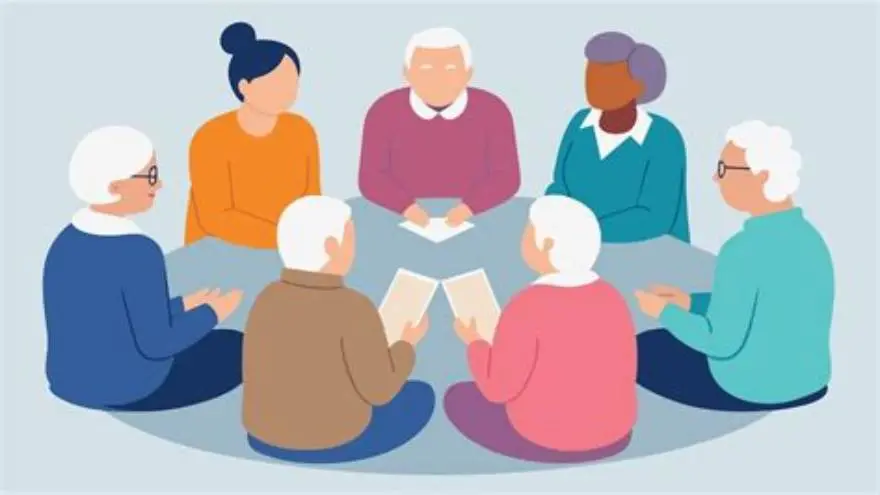
Teams suit most rooms. Two or three players per team means nobody solves alone, and a slow reader still helps by spotting words. Solo play suits confident solvers who like a race. Try a mix too: play the first round in teams, then let the fastest players race solo in the final round. Pick the format that fits your room, not the one that sounds grandest.
Keep teams small. Two players talk easily across a table, and three still works if the table is wide. Four or more means someone sits too far from the puzzle to read it. Mix strong and new players on each team, so no team walks in expecting to lose. Balanced draws keep every round honest. Ask regulars to pick a partner, then fill the gaps yourself.
Name the teams. Team names turn four strangers into a side. Let each team pick its own name from a short list, or hand out names like the Red Robins and the Blue Jays. Write the names on the scoreboard before the first round. People cheer louder for a name than for a number. Short names fit on one line.
- Pairs: best for small rooms and mixed abilities.
- Trios: a good middle ground for most groups.
- Solo race: best for confident solvers who like speed.
- Mixed: teams first, then a solo final for the fastest players.
How to run a word search tournament for seniors, step by step
Start with the room. Set out one puzzle per player, face down, with a pencil on each sheet. Put the answer key in your pocket, not on the table. Call the room to order and read the four rules aloud. Four lines of rules is enough. Long rules lose the room before the first word is found. There is more on how to run a sudoku club for seniors in a separate guide.
Time each round. Many groups find 15 to 20 minutes per round works well. Time a test round and shorten or lengthen it for your players. As a rough guide, allow about a minute per word: a dozen words takes about 10 minutes, and 18 words takes about 20. A visible clock on the wall helps. Call out the halfway mark, so teams know where they stand. Stop the round when the first team finishes, or when the clock runs out, whichever comes first. Collect the sheets and mark them against the answer key while the room takes a break. Take a five-minute pause between rounds to keep the pace kind.
Put one host in charge of the clock and the scoreboard. The host reads the rules, calls time, and settles disputes with the answer key. Ask a second helper to hand out sheets and collect them. One person doing everything gets rushed. Rushed hosts make mistakes. Two people share the load, and the night runs smoother. Ask a regular to help before the night starts.
- Words run across, down and diagonally.
- Circle each word, then cross it off the list.
- First team to finish calls it out.
- The answer key settles every dispute.
- Hand out the first puzzle face down and wait for every table to be ready.
- Call 'go' and start the clock. Players circle words and cross them off the list.
- Stop the clock when the first team finishes or time runs out.
- Mark the sheets against the answer key and update the scoreboard.
- Crown the winner after the final round. Three rounds suit most nights, but two work for a short session and four for a longer event.
Make the puzzles fair: print size, word count and difficulty
Print big. Bigger type helps everyone. Many centers find 18 pt or larger helpful for group play, but test a sample sheet under your room lights first. Bold word lists help players find their place. Print one puzzle per sheet, with the word list under the grid, not on the back. No player should have to flip the page mid-round. Use plain black type on white paper. Colored grids look pretty and read worse. There is more on large print word search book for seniors in a separate guide.
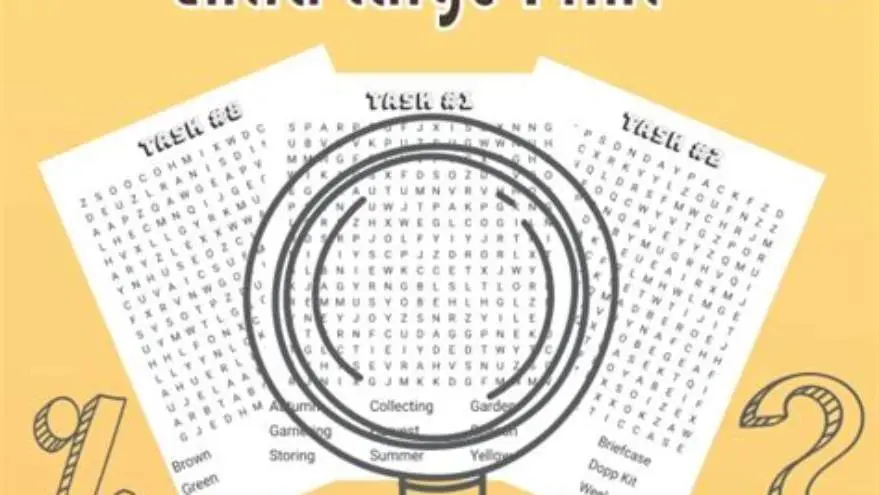
Choose words your players know. Themes like gardening, the seaside, old films or the 1950s give every team a fair shot. Mix short words with longer ones, so the grid has easy wins and hard hunts. As a starting point, try puzzles with roughly a dozen to under twenty words. Test one with your group and adjust up or down based on how long rounds take. Test the puzzle yourself before you print it. Our own Large Print Word Search Maker turns your word lists into large-print puzzles with an answer page, free. It makes word searches only, so you still need score sheets and a timer. You can also draw a grid by hand on squared paper, though it takes far longer.
Hold the difficulty steady across rounds. A first puzzle that is far easier than the third hands the tournament to the fastest team early. Use the same grid size and word count in every round, and change only the theme. Words may run across, down and diagonally, and a few may run backwards for a harder round. Tell players the directions before the first round, so nobody feels tricked.
Score it so nobody feels beaten
Give one point for each word found. Count the circled words on each sheet against the answer key, and write the team total on the scoreboard where everyone can see it. Rule a sheet into columns for team name, round one, round two, round three and total. Write the team names down the left side before the first round starts. Skip bonus points for speed in the first tournament. Speed bonuses reward the fastest eyes, not the best teamwork. Plain points keep the contest honest, and every team can follow the math. For the detail, see our notes on how to run a trivia night for seniors.
Break ties with a short playoff, not a coin toss. Hand the tied teams one small puzzle with five words and a five-minute clock. Use a small grid, about 10 by 10, with five easy words from the same theme. The team that finds the most words wins the tie. Playoffs feel earned, and the room gets one more round to watch. Make the playoff puzzle easier than the main rounds, so it ends fast.
Share the win around. Give a small prize to the winning team, and another to the team with the best name or the best comeback. Teams that finished last still deserve a round of applause. Prizes need not be big: a puzzle book, a box of tea or a tin of biscuits does the job. People remember the laugh, not the prize.
| Format | Players | Best for |
|---|---|---|
| Teams of two | 2 | Small rooms, mixed abilities |
| Teams of three | 3 | Most groups, steady pace |
| Solo race | 1 each | Confident solvers who like speed |
Keep the room calm and the pace kind
Read the word list aloud before each round. Some players read slowly, and hearing the words first levels the field. Call each word clearly, then pause. Players who miss the list should not have to guess it. Print the list in bold under the grid, so eyes find it fast. Print the word list in a single column, in bold black type on white paper. Keep each sheet upright on the table, facing the player. People in this spot often ask about planning a senior game day at church as well.
Seat teams where they can see the clock. Teams that cannot see the time rush, and rushed players make slips. Put the scoreboard where every table can read it, and update it between rounds, not during them. A scoreboard that changes mid-round distracts the room. Keep the room quiet during play, with talk saved for the breaks. Talk can wait. The puzzle cannot.
Watch for the player who has stopped circling. They may be stuck, or the team may be moving too fast for them. Offer a magnifier, or pair them with a teammate who reads the list aloud. Quiet offers beat public rescues. If the puzzle is too hard, swap in an easier one next round. Nobody should sit through a tournament feeling lost.
What to do after the last round
Announce the winner while the room is still warm. Announce the totals, hand out the prizes, and let the winning team pick the theme for next time. Teams that pick the theme come back to defend it. Take a photo of the scoreboard, if players agree, and pin it on the notice board. People like seeing their team name up on the wall. That is the moment to book the next date. There is more on how to start a reminiscence group for seniors with dementia in a separate guide.
Ask what worked before people leave. Show of hands takes a minute: same puzzles again, harder ones, or a new theme. Write the answers on the scoreboard before you wipe it. Two or three notes are enough to plan the next tournament. Tournaments that listen grow. One that repeats itself shrinks.
Many groups meet every two to four weeks. Find a cadence that suits your players. More frequent play can tire people, and rarer play can slow momentum. Use the same day and the same room, so people can plan around it. Put the date on the next puzzle sheet. Standing dates turn one-off events into fixtures. Regulars will ask about it all week.
Still wondering?
How many puzzles do I need for one tournament?
Plan three, one per round, and print a spare set in case a sheet tears or a late player joins. Three rounds suit an hour or so without dragging. Save a fourth puzzle as a tie-breaker if two teams finish level.
What if one team is much faster than the rest?
For this tournament, let the fast team help the slow one, or give the slower teams a head start in the final round. Close finishes beat runaway wins.
Can players with low vision join in?
Yes, with a few changes. Read the word list aloud, pair them with a teammate, and keep magnifiers on the table. Nobody should have to sit out.
Should I charge an entry fee?
Most tournaments run free, with a small donation jar for prizes and printing. Keep the jar by the door and the amount up to each player. Fees keep some people away, and empty chairs help nobody.
What words work best for the puzzles?
Familiar words work best: gardening, cooking, the seaside, old films, the 1950s. Pick a theme the room cares about, and let the winning team choose the next one. Familiar words keep the game friendly, and a theme gives the night its flavor.
Ready to try it? It turns your own word lists into large-print puzzles with an answer page, so every round uses words your players care about.
Make your puzzles free