Parkinson's activities: 15-minute seated puzzles for low-energy days
Choose activities for adults with Parkinson's by checking two things today: hand control and energy level. A 15-minute seated puzzle with large print, circling instead of writing, and a clear end point fits low-energy days.
On this page (8 sections)
- Quick recap
- Activities for adults with Parkinson's: match the puzzle to the day
- How to set up a 15-minute seated puzzle session at a table
- Which puzzle formats fit limited hand control
- Adapting difficulty without a timer: smaller steps, not smaller print
- When to switch or stop: reading the early signs
- What this plan is, and what it is not
- Still wondering?
Key figures
- Session length
- 15 minutes seated
- Best format on hard days
- word search, circle answers
- Difficulty lever
- fewer items, not smaller print
- Stopping signal
- frustration or fatigue
- Free custom tool
- word search from your own words
Quick recap
- Choose circling over writing when tremor or grip is weak
- Word searches beat crosswords on hard days
- Stop at frustration, fatigue or losing the thread - not at a timer
- One-step instructions and fewer items per page lower difficulty without a smaller type size
- On good days, add verbal answers or a theme rather than a smaller grid
Activities for adults with Parkinson's: match the puzzle to the day

Parkinson's changes from hour to hour, which is why a fixed activity plan keeps failing. The same person who enjoyed a full crossword on Tuesday may find their handwriting unreliable and their attention gone by Thursday afternoon. The pages that rank for this topic list activity ideas but rarely show how to choose between them on a given day. The fix is to assess two things before you start: hand control and energy.
Hand control means looking at today's grip, tremor and ability to make a small, controlled pencil mark. Energy means the person's alertness and stamina right now, not their usual self. Ask a simple question for each. Can they hold a pen and make a deliberate circle without the pen slipping? And do they have the focus for ten or fifteen minutes, or is this a five-minute day? The answers point straight to a puzzle format.
A third factor matters less often but is worth noting: vision. Many people with Parkinson's also have low vision, so large print solves two problems at once. Everything below assumes big, clear type on a single uncrowded page, because a dense grid on small paper defeats the session before it begins. This is an activity plan, not exercise or therapy - if you have questions about what is safe or appropriate medically, that is a conversation with the care team, not a puzzle page.
| Check | Ask this | If yes | If no |
|---|---|---|---|
| Hand control | Can they make a controlled circle with a pen? | Any circling or writing puzzle | Verbal-answer or pointing puzzles |
| Energy | Can they focus for 10-15 minutes? | Full short session | Two or three puzzles, then stop |
| Vision | Can they read standard print easily? | Normal large print | Extra-large print, one puzzle per page |
How to set up a 15-minute seated puzzle session at a table
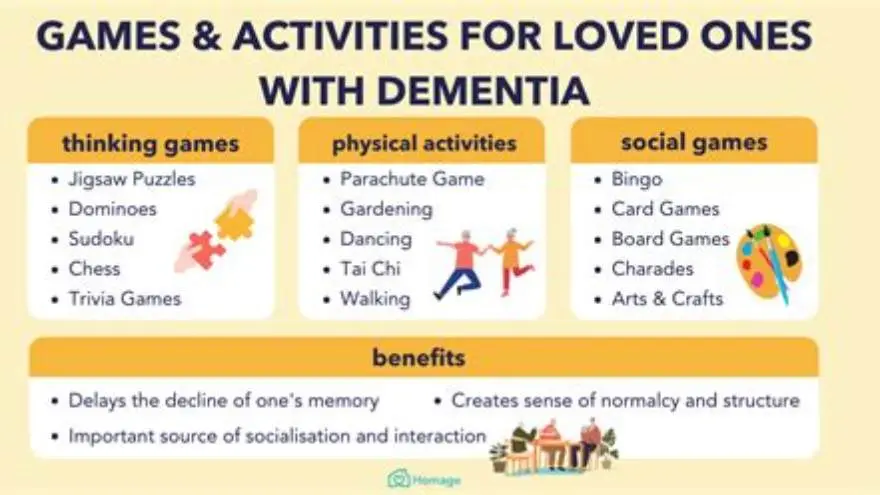
Set up before you invite them over, because fiddling with papers while someone waits burns their energy on nothing. You need a firm chair at a table, not a sofa; a table surface they can lean forearms on; a pen or soft-grip pencil; and one printed page face up with everything else out of sight. Good lighting from the side, not behind them casting a shadow over the page. People in this spot often ask about dementia table top activities as well.
Structure the fifteen minutes in three parts. First, two or three minutes of warm-up: one easy puzzle they will certainly finish, so the session opens with success. Then six or eight minutes of the main puzzle, chosen from the checks above. Finish with three or four minutes of talk about whatever came up - a word in the puzzle, a memory it triggered - which is often the best part and costs no hand control at all.
Announce the shape upfront, because a known ending protects the session. Say something like: we will do one easy one, one proper one, and then a cup of tea. When energy dips at minute nine you can close gracefully at the end of the main puzzle instead of abandoning things mid-word. Keep a finished-puzzle folder so pages are not lost, and print spares of anything that lands well. If you want word searches built from familiar names, places and interests, our free large print word search maker turns your own word list into a printable PDF with an answer page - it does the layout and print sizing, though you still choose the words yourself.
- Choose the puzzle using today's hand control and energy checks
- Print the page in large type, one puzzle per sheet, and set out pen and lighting
- Run a 2-3 minute easy warm-up puzzle
- Spend 6-8 minutes on the main puzzle, with help offered but not pushed
- Close with 3-4 minutes of conversation, then stop even if it went well
Which puzzle formats fit limited hand control
Circling beats writing every time. A word search only needs a loop drawn around a found word, and even a wobbly, overshooting circle counts. Crosswords demand small, precise letters inside boxes, which is the first thing tremor takes away. If circling is hard, drop to circling in pencil, then to pointing at the word while you draw the line for them, then to saying the word aloud while you check the grid. There is more on thanksgiving activities for seniors in a separate guide.
Among formats, word searches are the most forgiving: clear goal, no grammar, no trivia knowledge required, and success is visible. Crosswords fit people with good handwriting and a taste for wordplay - they are a good-day puzzle, not a default. Sudoku grids are surprisingly tolerant of poor handwriting if you write big in the margins, but on genuinely hard days switch to verbal sudoku: you read the row aloud, they say which number is missing, and nothing gets written at all.
For variation, try word ladder games done out loud, category naming (name five birds), or a large-print trivia round answered verbally - our big print trivia book works that way, with multiple-choice questions read from the page so the whole session can run without a pen. The pattern to remember: as hand control drops, shift the output from writing, to circling, to pointing, to speaking. The puzzle stays the same; only the answer changes.
| Format | Hand control needed | Energy needed | Best day |
|---|---|---|---|
| Word search, circle | Low - a loop | Low to medium | Most days |
| Word search, verbal | None | Low | Weak-hand days |
| Crossword | High - small letters | Medium | Good days |
| Sudoku, written | Medium | Medium to high | Good days |
| Trivia or naming, verbal | None | Low | Low-energy days |
Adapting difficulty without a timer: smaller steps, not smaller print
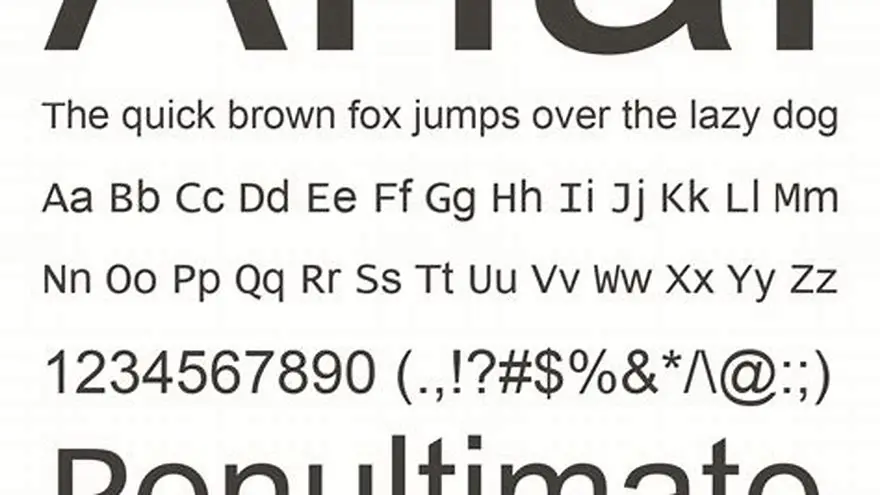
Difficulty is easier to adjust with the puzzle's structure than with the clock. The first lever is instruction size: give one instruction at a time. Not find the four animals and circle them, but find one animal. Wait. Then the next. Someone losing the thread of a multi-step request can still succeed at a single clear step, and the puzzle barely changes. For the detail, see our notes on font legibility comparison.
The second lever is errorless choice. Instead of an open search, offer a choice: is CAT in the top row or the bottom row? A wrong guess costs nothing and a right one builds momentum. Third, control the page itself: larger grids with bigger letters and fewer items per page lower the demand while keeping the type size readable. Never make print smaller to make a puzzle harder - that punishes low vision, not ability.
If you are printing from a tool, most word search makers let you set grid size and word count, so a hard day is a 8x8 grid with five words and a better day is a bigger grid with ten. Building your own puzzles from family names, pets and hometowns also helps, because familiar words are easier to spot than abstract ones and carry conversation afterwards. On a better day, raise the challenge without turning it into a test: add a theme they care about, ask them to give you a clue about each word found, or let them set the puzzle for you and check your answers. Keep it playful. The moment it feels like an assessment, the session is over even if the pencil is still moving.
When to switch or stop: reading the early signs
Stopping points are planned, not improvised, and they come from watching rather than clock-watching. Watch for four signals. Frustration: the pen is pressed harder, breath changes, the same area of the page gets scanned over and over. Fatigue: posture slumps, answers get slower, they start saying anything to end the puzzle. Tremor getting in the way: repeated failed attempts to place the pen, crumpling or pushing the page. Losing the thread: forgetting the instruction, asking what the words are for, drifting off mid-row. People in this spot often ask about functional vision assessment checklist printable as well.
Any one signal means switch - change the output to verbal, hand them an easier warm-up puzzle, or move to the conversation part early. Two signals together, or any signal that keeps growing, means stop. Say it plainly and kindly: that was a good one, let us have our tea. Ending on a completed or nearly completed puzzle matters; ending on a failure sours the whole memory of the activity and makes tomorrow's session harder to start.
A note on leading the session. In the first minute, sit alongside and model one find yourself. Then step back. Offer help when asked, and offer it as a choice rather than a takeover: want me to hold the page, or find the first letter? If they are working well independently, do not narrate or correct - your job is to notice the stopping signals and to be company. Silence while two people work on pages side by side is a successful session, not a failed one.
What this plan is, and what it is not
Everything above is an activity plan for enjoyment, connection and a good fifteen minutes. It is not therapy, not exercise, and not a treatment for Parkinson's or anything else. Puzzles will not slow the condition, and no printable claims to. What they reliably do is give a person a task they can succeed at on a difficult day, something to talk about, and a small structure that a tired caregiver can run without inventing it from scratch each time. It helps to understand how to sequence crossword clues before going further.
That last part is worth naming honestly. The hardest thing for most families is not understanding the ideas; it is having something ready at 3pm on a bad day. If you would rather not hunt for and level new pages every week, we make the Gentle Minds Activity Kit: over 130 printable large-print pages at three levels (gentle, easy and steady), with a caregiver guide, planning pages and answer sheets for helpers. It is built for adults living with memory loss and similar changes, includes 48 conversation cards for the talk phase, and prints as many times as you need in US Letter or A4. It is not medical material and it will not suit someone who wants genuinely hard puzzles - but if the sticking point is keeping a week of level-appropriate pages ready, that is the gap it fills. If you would rather build your own, the free word search maker mentioned earlier stays free forever, and there is no wrong answer between the two routes. Whichever you use, keep the sessions short, keep the print large, and stop while it is still fun.
A 15-minute seated session with circling formats and planned stopping points beats any fixed activity schedule for fluctuating conditions.
Still wondering?
Can someone with Parkinson's do sudoku with a tremor?
Often yes, if they write large and are not required to fit digits in small boxes. On harder days, switch to verbal sudoku where you read the row aloud and they say the missing number, so nothing needs to be written at all.
How long should a puzzle session last on a low-energy day?
Fifteen minutes total, with a two to three minute warm-up, six to eight minutes of main puzzle and a few minutes of conversation afterwards. If two warning signs appear, stop early even if the fifteen minutes are not used.
What if they refuse to do puzzles?
Offer a choice of two formats rather than asking yes or no, and lead with the conversation - start chatting about a topic, then bring out a related word search. If the answer is still no, try a different time of day; energy and medication timing make a real difference.
Are large-print puzzles different from normal puzzles apart from size?
Good ones reduce items per page and use larger grids, so the page is not just bigger but less crowded. Shrinking the number of words or clues is how difficulty should be lowered; never shrink the print.
How do I make the puzzles harder on a good day?
Add a themed word list they care about, increase the word count or grid size, ask them to give you clues about each word found, or let them set a puzzle for you. Keep it playful so it never turns into a test.
Is this suitable for someone with Parkinson's-related dementia?
The one-step instruction and verbal-answer adaptations here are designed for people with memory loss and changes in thinking. Stick to single-step requests and errorless choices, and treat any completed puzzle as a success.
Ready to try it? It keeps a week of level-appropriate large-print pages ready at three difficulty levels, so a bad day at 3pm does not mean hunting for new material.
See the three levels