Seniors living alone: large-print activities plus a single-page word search
Seniors living alone benefit from large-print puzzles like word searches, sudoku, and crosswords, designed with clear, big fonts and single-page formats that allow easy, safe engagement at home without assistance.
On this page (8 sections)
- Quick recap
- Why large-print activities are essential for seniors living alone
- Safe and engaging activities to do alone at home
- Activities for seniors who live alone: planning a good day at home
- Word search large print single page for someone alone
- Manual and digital methods to create large-print activities
- Activities for seniors living alone: large-print options and a ready word search
- Still wondering?
Part of our guide on activities for seniors large print printable
Key figures
- Print size
- 16-24 pt
- Activity length
- 15-45 minutes
- Puzzle types
- word search, sudoku, crossword
- Page format
- single or multi-page
- Ideal font size
- 20 pt for low vision
- Memory support
- moderate engagement
- Printable source
- free and paid options
Quick recap
- Large-print puzzles reduce eye strain for seniors with low vision
- Single-page activities like word searches are easier and safer for independent use
- Engaging puzzles support memory and mental activity
- Planning a varied day with these activities keeps seniors active and content
- Tools like BigPrint Puzzle Studio help create custom large-print puzzles quickly
Why large-print activities are essential for seniors living alone

Seniors living alone often experience low vision and memory challenges, making standard print puzzles frustrating or unusable. Large-print puzzles typically use font sizes between 16 and 24 points, with 20 points ideal for clarity without crowding the page.
Activities printed in large, clear fonts reduce eye strain and maintain engagement longer. The single-page format further benefits seniors by limiting the need to handle multiple pages or flip back and forth, which can be confusing or physically difficult.
Large-print puzzles also safely support mental stimulation, which research associates with better memory retention and mood. For those living alone, these puzzles become a manageable way to maintain cognitive activity without supervision.
Font choice also matters alongside size; sans-serif fonts like Arial or Verdana improve readability for seniors with low vision compared to serif fonts. Contrast between text and background should be high, typically black on white or cream, to reduce glare and enhance letter recognition. We go through indoor activities for seniors at home step by step elsewhere on the site.
Large-print activities are not only about vision but also about cognitive load: simple layouts with clear headings and sufficient white space help prevent confusion. For seniors with mild cognitive impairment, avoiding clutter allows focus and reduces errors, making puzzles more enjoyable rather than frustrating.
Safe and engaging activities to do alone at home
Activities for seniors living alone must prioritize safety, ease of use, and mental engagement. Large-print puzzles such as word searches, sudoku, and crosswords fit these criteria because they require only pencil and paper, no technology.
A typical engaging activity lasts 15 to 45 minutes, balancing mental effort with fatigue risk. Activities that are too complex or lengthy can cause frustration, while short, clear puzzles encourage repeated daily use. For the detail, see our notes on large-print puzzles for low vision.
Additional single-person activities include simple arts and crafts, reading large-print books, and listening to audiobooks, but puzzles remain the easiest to prepare and reset daily without extra materials or assistance.
Even when engaging in these activities alone, seniors should ensure their sitting area has good natural or artificial lighting to avoid eye strain. A well-lit space combined with large-print puzzles can extend comfortable activity time from 30 minutes up to an hour.
For example, a senior might spend 20 minutes completing a 4x4 sudoku grid printed in 22-point font, followed by 15 minutes knitting using a pattern with large, simple stitches. This combination balances mental and manual dexterity, which supports overall wellbeing. Before you commit to anything, it is worth looking at finding printable puzzles for seniors.
To monitor progress, seniors can keep a daily log of completed puzzles and activities. This record provides a sense of accomplishment and helps identify which activities are most engaging or need adjustment in difficulty or duration.
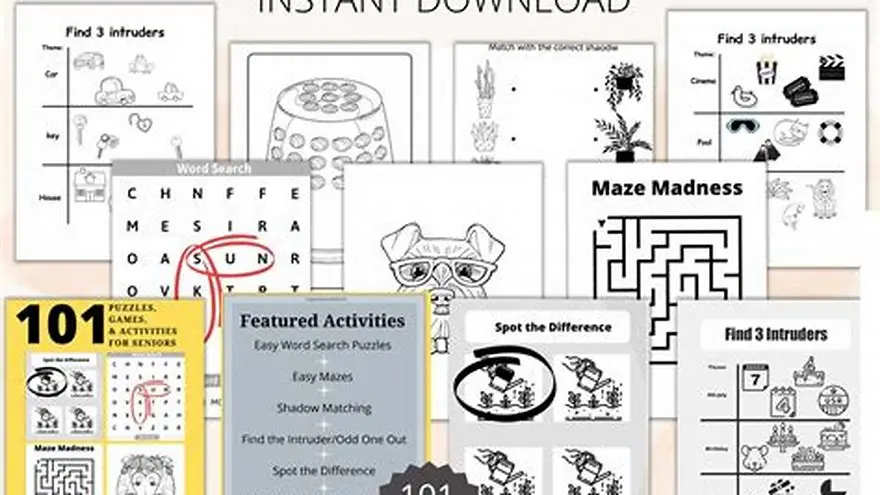
- Word searches: single-page, with large, clear letters for easy scanning
- Sudoku: large grids (6x6 or 4x4 preferred) to avoid complexity
- Crosswords: limited to single page with fewer clues for manageability
- Simple crafts: knitting or coloring with large patterns
- Audiobooks: good for breaks but require devices
Activities for seniors who live alone: planning a good day at home
Planning a day of activities involves alternating mental puzzles, light physical movement, and rest periods. Start with a single-page large-print word search or crossword to warm up the brain without overwhelming the senior.
Follow with a light stretch or simple household task to stimulate physical activity safely. Midday can include a sudoku puzzle with a clear design and fewer cells, avoiding cognitive overload. The other half of this decision is indoor rainy day activities seniors.
Afternoon might be rest or audiobook time, then finish the day with arts and crafts or another short puzzle. This sequence balances engagement and energy, reducing isolation and boredom.
Planning a good day also involves considering energy cycles; many seniors have peak alertness mid-morning and early evening. Scheduling mentally demanding puzzles like crosswords during these times optimizes engagement.
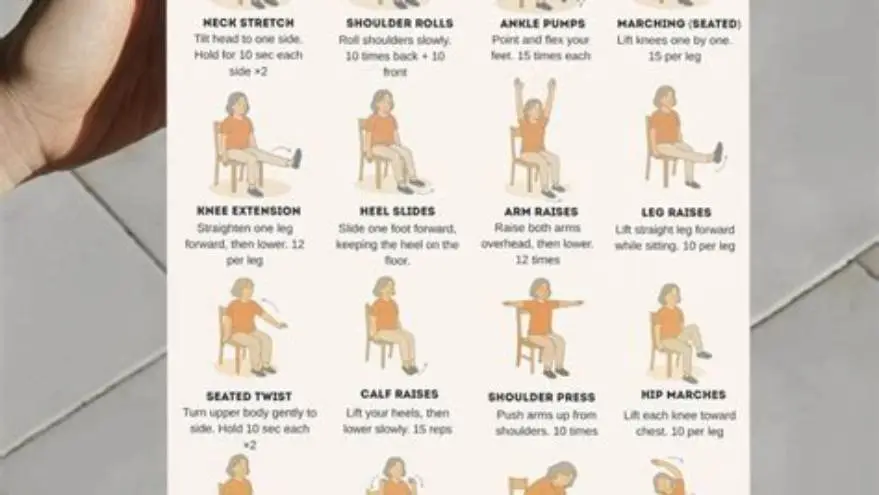
For instance, a morning word search with 12 words in 20-point font can warm up cognitive functions, while a lighter 6x6 sudoku puzzle after lunch suits lower energy periods. Evening arts and crafts with large-print patterns provide relaxing creativity before rest. We cover senior-friendly chair workouts printable in its own article.
Regular breaks should be scheduled, at least 5 to 10 minutes every hour, to avoid fatigue and maintain focus. During breaks, seniors can perform breathing exercises or listen to calming music, which supports mental resilience throughout the day.
- Morning: single-page large-print word search (20 pt font)
- Mid-morning: light physical activity or household task
- Noon: moderate sudoku puzzle (6x6 grid)
- Afternoon rest or audiobook listening
- Late afternoon: arts and crafts or brief crossword
Word search large print single page for someone alone
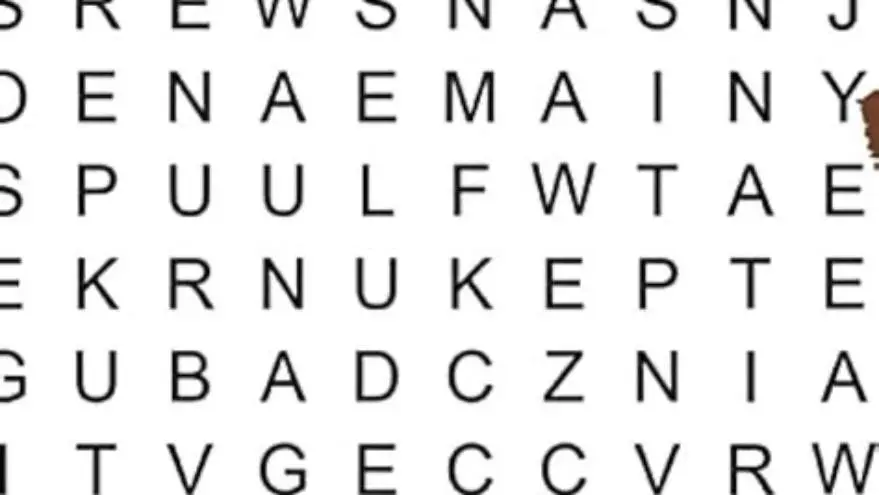
A single-page large-print word search designed for seniors living alone typically uses font sizes from 18 to 24 points, with ample spacing between letters and words. This reduces visual crowding and frustration.
The word list should be limited to 10-15 words selected from familiar themes like nature, seasons, or hobbies. This makes the puzzle achievable and rewarding without excessive difficulty.
A clean layout with clear instructions on the page enables seniors to do the activity without supervision. Including an answer key on the same or a separate page helps users check their work independently.
| Feature | Recommended Range | Reason |
|---|---|---|
| Font size | 18-24 pt | Ease of reading with low vision |
| Word count | 10-15 words | Manageable puzzle size |
| Grid size | 10x10 or smaller | Simplifies visual searching |
| Spacing | Increased between letters | Reduces crowding |
| Theme | Familiar, positive words | Boosts motivation |
Manual and digital methods to create large-print activities
Creating large-print puzzles manually requires adjusting font sizes in word processors or graphic programs and carefully spacing elements. This is time-consuming but free and flexible.
Digital tools like BigPrint Puzzle Studio automate this process by generating puzzles in 16, 20, or 24-point fonts with layouts optimized for seniors. It includes templates and themes, saving hours of work.
BigPrint Puzzle Studio also helps users produce answer keys and covers for physical or digital books, useful for family caregivers and activity directors making multiple copies. However, it is not medical software and focuses only on recreational puzzles.
A free alternative is using standard word processors to enlarge fonts and create simple puzzles by hand, but this sacrifices ease and requires more technical skill in design.
- Automates large-print puzzle creation
- Includes themed templates
- Produces answer keys
- Saves time compared to manual design
- Requires initial software use learning
- Not a medical or therapeutic tool
- One-time purchase cost
- Limited to puzzle activities only
Activities for seniors living alone: large-print options and a ready word search
This single-page large-print word search has 15 words in 20-point font, spaced for easy reading and includes an answer key for self-checking. It suits seniors living alone who want a quick, satisfying puzzle.
Complement this with other large-print activities like sudoku and crosswords adapted for low vision. Rotating through puzzle types prevents boredom and maintains cognitive stimulation.
Print these activities on sturdy paper with high-contrast black text on white background for optimal visibility. Use a pencil with a thick lead for comfortable writing.
Combining these puzzles with scheduled physical activity and social phone calls creates a balanced day at home, reducing isolation risks.
| Activity Type | Font Size | Duration | Complexity |
|---|---|---|---|
| Word Search | 20 pt | 15-30 minutes | Low |
| Sudoku (6x6) | 18 pt | 20-40 minutes | Moderate |
| Crossword (single-page) | 18-20 pt | 15-30 minutes | Moderate |
| Coloring (large patterns) | N/A | 30 minutes | Low |
Still wondering?
How do I know what font size is best for a senior with low vision?
Start with font sizes between 18 and 24 points. Test by printing a sample page and confirm the senior can read it comfortably without leaning forward or squinting.
Can seniors with memory loss still benefit from these puzzles?
Yes. Puzzles with clear print and simpler layouts support mental engagement without overwhelming memory. Puzzle repetition and thematic familiarity help maintain interest.
Are digital puzzles a good alternative for seniors living alone?
Digital puzzles require device familiarity and can strain eyes if not adjusted properly. Printed large-print puzzles are usually safer and easier to use alone.
What if my senior gets frustrated with puzzles?
Choose simpler puzzles, reduce puzzle length, and offer breaks. Mixing puzzles with other activities also helps avoid fatigue and frustration.
Where can I find free large-print puzzles to print at home?
Many websites offer free large-print puzzles, especially word searches and sudoku. Check for ones specifically designed for seniors with large fonts and single-page layouts.
Ready to try it? It automates creating large-print puzzles with clear layouts ideal for seniors living alone, saving time on manual formatting.
Create large-print puzzles