An Activity Director Planner That Builds a Month in One Day
An activity director planner works when it holds three things. A weekly rhythm, a bank of 20 to 30 proven activities and a calendar that balances every kind of activity. One morning builds the month. Print it large, then change a day when residents vote with their feet.
On this page (8 sections)
Part of our guide on creative ideas for nursing homes
Key figures
- Activities a day
- several, mixed kinds
- Core bank
- 20 to 30 activities
- Plan the month
- in one sitting
- Rule to meet
- F-Tag 679
- Calendar print
- large, high contrast
Quick recap
- Fix the weekly rhythm first; the month then fills itself.
- Hold a bank of 20 to 30 activities you know work with your residents.
- Cover all six kinds of activity every week, not just the easy ones.
- Post the calendar in large print where residents actually look.
What an activity director planner actually holds
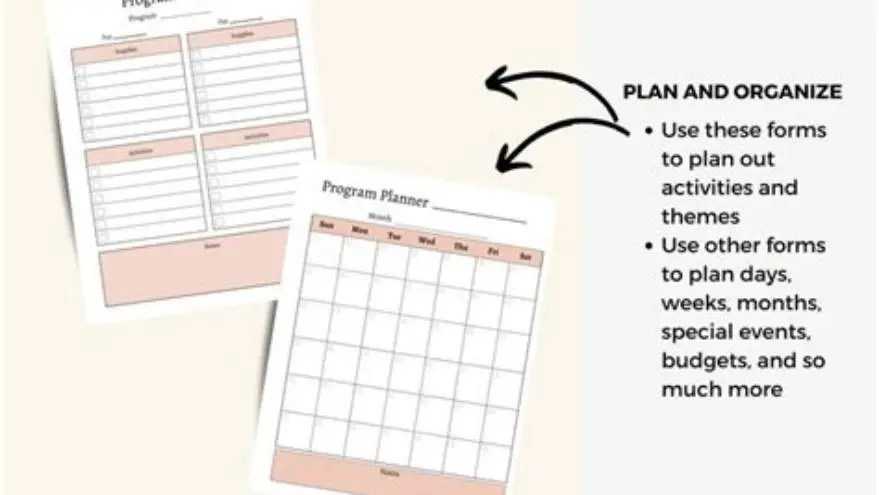
An activity director planner is not a diary. Working papers sit behind the calendar on the wall. They hold the weekly rhythm, the bank of activities, the supply list, the attendance sheets and the notes on what worked. Good planners hold the month before the month starts. Reasons sit there too: why Tuesday is trivia and why Friday is music. When the director is off sick, the planner is what lets someone else run the day.
Most planners fail in the same way. They list dates and times, but they carry no backup plan and no memory. Glue runs out, a singer cancels, three residents are ill, and the whole day falls apart. This planner is built the other way round. Each day has a main activity and a spare that needs nothing but paper. Each week covers the same six kinds of activity. Months end with notes on what to repeat and what to drop. This is the whole system.
Paper or software both work, and the choice matters less than the habit. Binders with monthly tabs suit a director who likes to flip pages at the nurses' station. Shared calendars suit a team that plans together. What matters is one master copy, kept where the whole team can see it, and a pencil for changes. Pen plans get ignored. Pencil plans get used. Pick the format your team will actually open, and keep it in one place.
Start with a weekly rhythm, not 30 blank days
Thirty days is a long list to plan one by one. Plan one week instead, then repeat it four times with new themes. Monday might hold exercise and a discussion group. Tuesday might hold trivia and a craft. Patterns stay the same, so residents learn when their favourite group meets. Content changes, so nobody gets bored. Such a rhythm cuts planning time and gives residents something to look forward to. If that sounds like your situation, read up on activity stations for seniors next.
Mornings suit the harder thinking work, since most residents are sharpest before lunch. Afternoons suit music, films and gentle movement, when energy dips. Evenings suit one quiet social. Put the demanding groups where the energy is, and the easy pleasures where it is not. Trivia at three in the afternoon, when half the room is dozing, wastes a good round. Ten in the morning fills the room instead.
One anchor each week should need no preparation at all. Ready-made trivia does that job. Questions, answers and score sheets arrive together, and the director only reads them aloud. Our Big Print Trivia for Seniors is one such round, built for groups that answer together. Rooms that hear and answer aloud suit it, and one-to-one room visits do not. Hold the same slot free with a word search from our free maker, using the week's theme words.
The six kinds of activity every week must cover
Federal rules for nursing homes say the activities program must support the physical, mental and psychosocial well-being of each resident. Known as F-Tag 679, it is why a good calendar is balanced rather than busy. Bingo, bingo and more bingo keeps people occupied, but it serves one need only. Directors usually split the week six ways, and the table below names them. Full weeks should touch all six. Miss one kind and the week needs fixing, not repeating. People in this spot often ask about activity director games as well.
Balance is judged across the week, not the day. Mondays can lean heavily on exercise, so long as Tuesday brings music and talk. Count the kinds on Friday, not hour by hour. If one kind is missing, swap a repeat for it rather than adding a seventh event to an already full day. Residents need rest between groups as much as they need groups. White space is not an empty calendar. It respects the people living by it.
Some weeks will lean one way. A holiday week leans social, a flu week leans quiet. That is fine, so long as the month as a whole covers all six. Check the kinds across the month, not just the week, and the balance holds. Memory-care groups need the same six kinds, at a gentler pace, with more one-to-one time.
| Kind | What it looks like | One example |
|---|---|---|
| Physical | Movement that fits the chair | Seated exercise to music |
| Thinking | Games with words and numbers | Large-print trivia round |
| Social | Talk with a reason | Coffee morning with a topic |
| Sensory | Touch, smell and sound | Herb garden smelling session |
| Creative | Making something to keep | Simple collage from old magazines |
| Spiritual | Faith and quiet reflection | Hymn sing or short reading |
Build a bank of activities that never lets you down
Build a bank of 20 to 30 activities you know work with your residents. Not ideas from a catalogue, but groups you have actually run, with notes on what happened. Entries carry four facts: minutes, supplies, group size and level. New directors inherit the bank instead of starting from nothing. Experienced directors stop reinventing Tuesday. Build the bank slowly, adding one activity a week, and it will be full before the season turns. Such a bank survives a sick day, a new hire and a bad week without a scramble. For the detail, see our notes on fun activities for nursing home residents.
Keep the bank honest. Activities stay in the bank only if residents came back to them. Note attendance beside each entry, and drop anything that drew three people twice running. Thirty sure things beat a hundred maybes. Review the bank every season, and ask the residents what they miss. Best new entries often come from a resident, not a book. Write it down the day they suggest it, or it will be gone by Monday. Trust builds one kept promise at a time. Start with ten, not thirty. Drop an activity the week it stops working, not the season after.
- Trivia round: twenty questions, read aloud, teams of four.
- Word search morning: one themed puzzle, printed large, answers at noon.
- Singalong: ten familiar songs, words printed large, one hour.
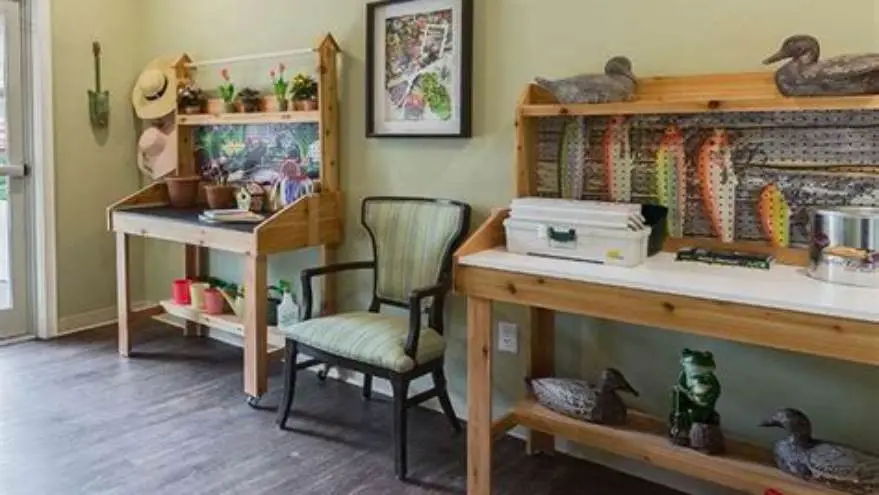
- Garden table: pots, soil and herbs, hands busy, talk flowing.
- Reminiscence circle: one object per person, three minutes each.
Build the whole month in a single morning
Set aside one morning a month, close the door and build the calendar in one go. Start with the fixed points: birthdays, holidays, visitors, the hairdresser, the minibus day. Mark those first, in pen, since they will not move. Then lay the weekly rhythm over the rest, and fill each slot from the bank. Planned this way, the month takes a morning. Planned day by day, it takes the whole month and still feels rushed.
Leave two blank slots in every week. Blank slots hold a resident's idea, a volunteer who turns up, or a sunny afternoon that deserves a garden visit. Calendars with no slack break at the first change. Spare activities sit beside the calendar: a word search, a singalong, a reminiscence circle. When a group falls through, the spare takes its place in five minutes. Nobody in the room needs to know the plan changed. Spares earn their keep that way. It helps to understand activity director gift ideas before going further.
Two copies go up: one for the wall, one for the office. The wall copy is for residents, large and plain. The office copy carries the notes: who leads each group, what supplies to pull, which resident needs a reminder. Two copies stop the daily question of what happens next.
- Mark the fixed points first: birthdays, holidays and booked visits.
- Lay the weekly rhythm over the remaining days.
- Fill each slot from the bank, checking the six kinds.
- Print the calendar large and post it where residents look.
- Write down what worked, and change one thing for next month.
Chart it, track it and fix what flops
Notes turn a plan into something you can defend. Record attendance at every group: how many came, who stayed, what worked. Those notes become the care plan line: what the resident did, how often, and what to watch next time. Behind this sits F-Tag 680: the program must be directed by a qualified professional. Those notes prove a professional is directing it. Short, honest, and kept where the next director can find them.
Numbers help, but they are not the whole story. Four people laughing for an hour have done more than twenty sitting silent. Note the mood as well as the count: who talked, who sang, who asked when the next one is. At month's end, read the notes back and pick one thing to change. Change one thing a month, kept up all year, and the program remakes itself. Twelve changes a year rebuilds the calendar from evidence, not guesswork. The other half of this decision is nursing home activities for seniors.
Certification helps a director do this work well. NCCAP, the National Certification Council for Activity Professionals, offers the Activity Director Certified credential. Earning it takes the MEPAP course and a national exam. NCCAP has revised its pathways in recent years, so check current requirements before enrolling, and ask your administrator what your state asks for on top.
Still wondering?
How many activities should a day hold?
Many homes aim for several groups a day, across the general kinds: exercise, music, games, arts and spiritual groups, plus small special-interest groups. Mix matters more than the number. Chair-only days are one kind, repeated. Judge the kinds, not just the events.
What if I am the only activity worker?
Lean on one-to-one visits and simple groups you can run alone. Word search mornings, singalongs and reminiscence circles need one person and a stack of paper. Recruit volunteers for the rest, and ask nursing staff which residents would enjoy a short visit. Small programs done well beat large ones that collapse.
How far ahead should I plan?
Finish the full month about two weeks before it starts. Time remains to print the calendar large, order supplies and book visitors. Keep the daily plan flexible: a blank slot each week absorbs weather, illness and good ideas. Late planning is a month of scrambling.
Do I need certification to be an activity director?
It depends on your state and your setting. Federal rules for nursing homes ask for a qualified professional, and the NCCAP Activity Director Certified credential meets the highest standard. Ask your administrator which credential your home recognises, and check what your state asks for.
Ready to try it? A ready-made trivia round gives the planner a weekly group anchor that needs no preparation.
See the trivia rounds