Activity Director Games That Get the Whole Room Playing
Activity director games work when they fit a mixed room. Pick games with short rounds, big print and no single winner taking all. Trivia, picture bingo and music games fill that bill. Run two or three in a 45-minute slot and keep score light.
On this page (8 sections)
- Quick recap
- What activity director games get right when the room is mixed
- Trivia: the game that needs no setup and fills an hour
- Bingo still wins the room, and picture bingo wins more of it
- Games that get people moving without anyone standing up
- Word games and puzzles for quieter afternoons
- How to build a weekly game calendar that holds up
- Still wondering?
Part of our guide on activity ideas for nursing homes
Key figures
- Best round length
- 10 to 15 minutes
- Trivia format
- Multiple choice, themed rounds
- Trivia print
- Large print throughout
- Session length
- 45 minutes, 2 to 3 games
- Bingo format
- 75-ball or picture cards
Quick recap
- Short rounds beat long games: 10 to 15 minutes keeps the room with you.
- Mix one talking game, one picture game and one music game each week.
- Score teams, not people, so nobody sits out a round they lost.
- Print everything in large print and read every question aloud twice.
What activity director games get right when the room is mixed
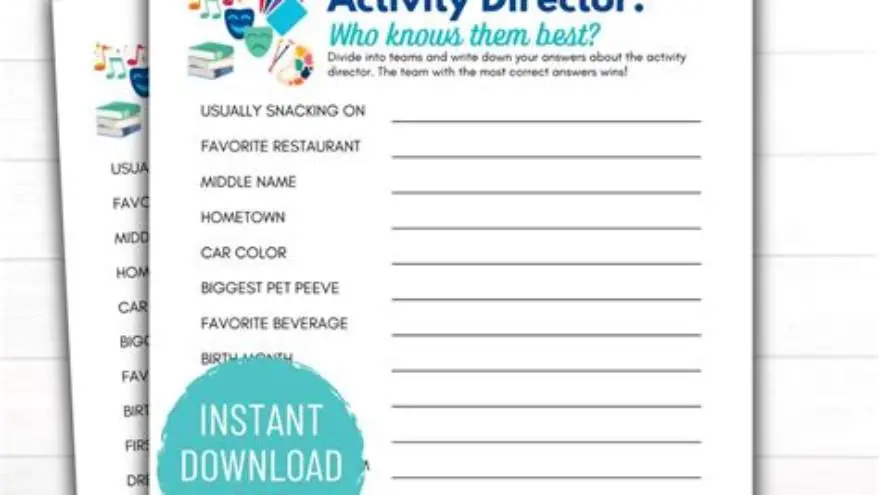
A care home activity room holds a wide spread of ability. Some residents read fine print without trouble, while others need large print and a slow pace. A good game lets both play at the same table. Every activity director game has to pass that test. If a game only works for the quickest people in the room, it leaves the rest watching. Watching is not playing.
Start with the senses the game asks for. Sharp hearing is a weak link when half the room wears hearing aids. Quick reading fails when print is small. Look for games that use more than one sense at once. Picture cards work when the words do not, and songs work when the print does not. Spoken questions work when eyes are tired. Games that last in a care home have more than one way in.
Rules fit in one sentence. If you need a long speech to explain a game, the game is too hard for a mixed room. Say the rule once, show one round, then play. People learn by doing. Short rounds help here too. Ten-minute rounds let a new player join the next one without waiting, and let you stop a game that is not working without a fuss. The room notices when you change course fast, and it trusts you for it.
Trivia: the game that needs no setup and fills an hour
Trivia is the easiest group game to run well. You need a list of questions, a way to keep score, and a voice that carries. Multiple-choice questions work best in a mixed room, because Three choices give everyone a real chance and a wrong guess still starts a chat. Read each question aloud twice. Say the three choices slowly, then give the room a few seconds. Pauses matter more than questions. Before you commit to anything, it is worth looking at monthly activity schedule.
Themed rounds keep it fresh. One week runs on songs from the 1950s. Next week runs on food, travel or sport. Themes give the room something to talk about between questions, and they let you match the round to the people in front of you. People who grew up near the sea will light up at fishing questions. Former factory workers will argue happily over tools and trades. Pick the theme they already care about.
Our own Big Print Trivia for Seniors is a book of multiple-choice trivia questions in themed rounds, printed in large print. Answers come after every round, and a host kit helps you run the session. One limit: a fixed set of questions runs out. Weekly players will reach the end of the book. Write your own rounds between book rounds instead, using the week's news, local places and the group's own stories as your questions. Ten home-made questions take ten minutes to write and keep the game yours.
Bingo still wins the room, and picture bingo wins more of it
Bingo is the game most residents already know. Nobody has to learn rules. Nobody feels slow for asking. Familiar calls and the shared wait for the next number give the room a rhythm. In 75-ball bingo, number cards suit people who read numbers with ease, while picture bingo suits everyone else. Swap the numbers for pictures of everyday things, a kettle, a cat, a bus, and the game opens up. Players match what they see, not what they read. It helps to understand senior center activities before going further.
Music bingo does the same trick with songs. Play a short clip, and players mark the song title or the singer on their card. Tunes from forty years back land faster than any question. People hum along before they mark the card. Shared sound fills the room, and marking gives quiet players a way to join in without speaking. Clips stay short, about ten seconds, with the volume up, because clips nobody can hear make rounds nobody plays.
Prizes keep bingo honest. Small prizes work best: a biscuit, a flower from the garden, first pick of the dessert trolley. Big prizes turn a friendly game into a contest, and contests push the slower players out. Hand out a prize for a full house and one for the first line. Then give a small prize to the table with the best team spirit, judged by laughter. Rooms remember the laughter prize longer than the biscuit.
| Game | Setup time | Group size | Best for |
|---|---|---|---|
| Trivia | None | 6 to 30 | Mixed rooms, talkers |
| Picture bingo | Print cards | 4 to 20 | Low vision, quiet players |
| Music bingo | Playlist ready | 6 to 30 | Singers, reminiscing |
| Balloon volleyball | String and balloon | 4 to 12 | Seated movement |
Games that get people moving without anyone standing up
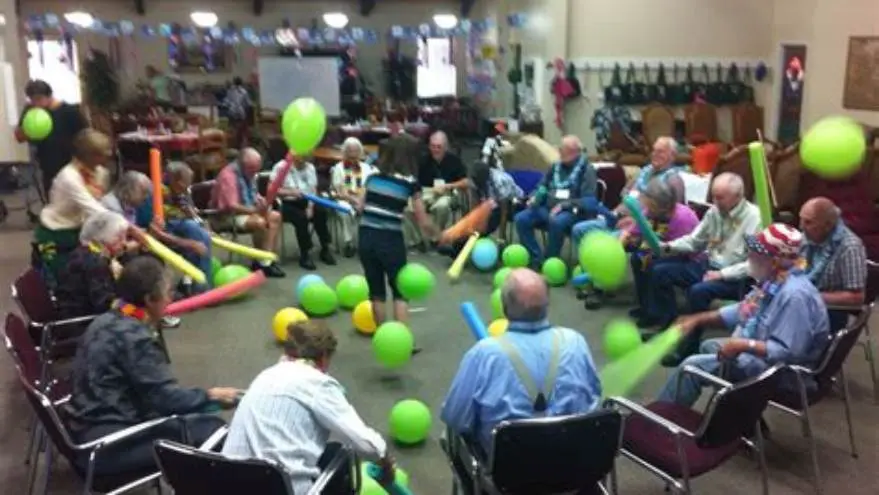
Movement games work in a seated room. Balloon volleyball needs a string across the room and a balloon. Players bat it back and forth, and nobody has to stand. The balloon moves slowly, so slow reactions still count, and everyone gets a touch while the rally runs for minutes. Slow pace is the point. When the balloon drops, the room laughs and someone starts it again. Before you commit to anything, it is worth looking at word games for groups of seniors.
Beanbag toss is the same idea with a target. Set a bucket on a table and let players toss from their chairs, moving it closer for anyone who needs it closer. Nobody keeps score unless the room asks for it. Hands get something to do, and the room gets a small cheer every time a bag lands. Change the target each week: a bucket, a hoop, a cardboard box with a hole cut in it.
Chair exercises can be a game too, when they are dressed as one. Call it pass the parcel with a soft ball, where each catch brings a stretch or a song. Call it Simon says with seated moves, and the room follows along. Keep the moves small and the pace slow: shoulders roll, hands clap, feet tap. Nobody is asked to do more than they can. Sore players mean a failed game, whatever the room thought of it.
Word games and puzzles for quieter afternoons
Not every session wants noise. Some afternoons the room wants something quieter, and word games fill that gap. Finish-the-phrase works well: read the first half of a saying and let the room call out the rest. Residents call out a stitch in time before you finish the sentence. Word searches in large print work the same way, so hand out a sheet and give the room ten minutes. Quiet means the game is doing its job. Before you commit to anything, it is worth looking at men's activities in nursing homes.
Crosswords in large print suit a group that likes to think together. Put the grid on a whiteboard and let the room shout answers while one person writes and the rest call out letters. Uncrackable clues are fine. Move on, come back to it, and let the answer arrive later. Together, the group solves it, and the board holds the work where everyone can see it. Clues stay close to everyday life: food, streets, songs, old jobs. Faraway clues shut the room down.
Dice talk games cost nothing and need no printing. Give each number on a die a prompt, favourite song, first job or best holiday, then roll, read the prompt, and let the room talk. Dice do the choosing, so nobody feels put on the spot. Bad prompts are easy to skip. Roll again and move on. Hold a short list of prompts on a card by your chair. When the talk runs dry, the card brings it back.
How to build a weekly game calendar that holds up
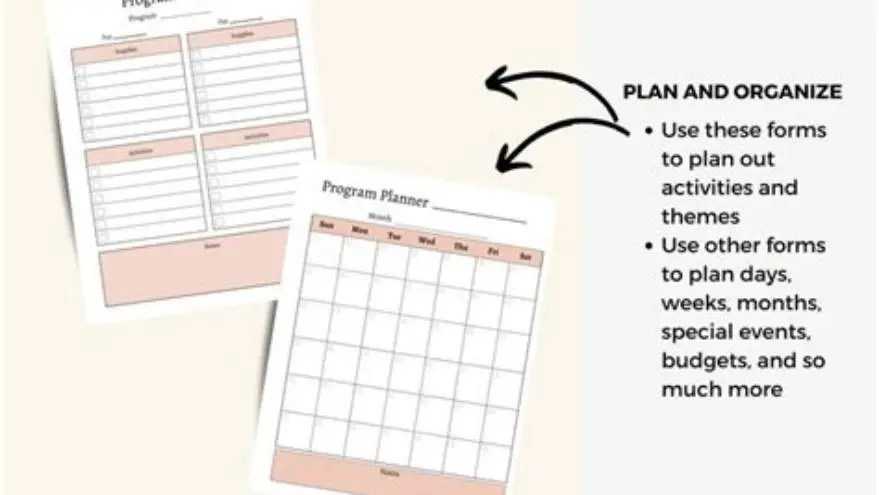
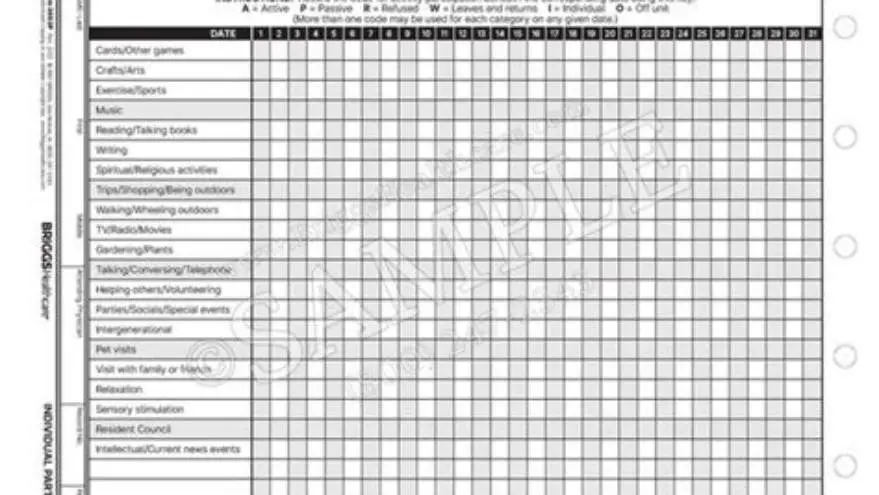
Three fixed slots beat a pile of ideas. Pick three slots a week, give each one a fixed game, and let the room learn the pattern: Monday trivia, Wednesday bingo, Friday music. Regulars will remind you when a slot is missed, which is the best sign a calendar works. One slot stays free each week for something new. A new game gets one try, and the room votes with its feet. Before you commit to anything, it is worth looking at nursing home activity log.
Write the calendar where the room can see it. Pin the week's games and times on a board by the door. That does more than a printed sheet in a drawer. Residents plan around it, families ask about it, and staff stop booking over it. Update it every Friday for the week ahead, because two weeks out of date, a calendar tells the room the games do not matter. Keep it fresh, and the room will treat it as a promise.
Watch the room, not the plan. Games that fill the room in January may empty it by March, because tastes change and a new group of residents changes the room. When a slot starts to thin out, swap the game. Ask the room what it wants, and take the answer seriously. Try the doorway test. Stand at the door at game time. If people are coming in on their own, the calendar works. If you are fetching them, something in the plan needs to change.
- Pick three slots and fix them for a month.
- Give each slot one game the room already likes.
- Leave one slot open for a new game each week.
- Post the calendar by the door and update it every Friday.
Still wondering?
How long should a group game session run?
Forty-five minutes suits most rooms, with two or three games inside it. Short rounds of ten to fifteen minutes keep attention up and let latecomers join the next game. Past an hour, tiredness wins, so stop while the room is still smiling.
What if some residents cannot read the cards?
Use picture bingo, music games and spoken trivia, read every question aloud twice, and print everything in large print. Games that need reading shut out the very people who need the company most.
Do I need to buy special equipment for activity director games?
No. Balloon, string, bucket and printed sheets cover most games in this article. Ready-made trivia books save prep time when you run trivia every week. Spend money on printing and prizes first, and on equipment only when a game proves itself.
How do I handle a resident who always wins?
Score teams instead of people, and mix the teams up each week. Give prizes for the best team spirit as well as for the highest score. Strong players who help a quieter teammate are worth more to the room than another win.
What if nobody wants to play?
Begin with one short game and no pressure to join. Sit the keenest players where the room can see them having fun, and let the rest watch for a round. Games people chose beat games they were sent to.
Ready to try it? It hands you themed trivia rounds in large print, so a group game is ready whenever the room is.
Get the trivia book