Theme Days for Nursing Homes That Residents Actually Enjoy
A theme day in a nursing home starts with one idea residents already care about. Build the day around it: food, music, decorations and one activity everyone can join. Plan it in a week and keep it to one main event.
On this page (8 sections)
Part of our guide on creative nursing home activities
Key figures
- Planning time
- One week ahead
- Main events
- One per day
- Best time of day
- Late morning
- Nursing Home Week
- Starts Mother's Day
- Good rhythm
- One theme a month
Quick recap
- Pick one theme and one event to build the day around. A crowded schedule tires everyone out.
- Ask residents what they enjoy before you pick a theme.
- Plan a week ahead and tell the kitchen early.
- Plan a room visit for residents who stay in their rooms.
Theme days for nursing homes: what makes one work

You can tell a theme day works when the whole home feels it. The dining room smells different, the music changes, and staff wear something out of the ordinary. Residents notice the change before anyone explains it. That is the point. It breaks the routine, and routine is the thing that makes days blur together in a care home.
The mistake is packing in too much. Five small events in one day tire everyone out, and the last two run to empty chairs. One strong event, done well, beats a full schedule. One short, lively hour leaves people smiling. One long, packed day leaves them tired. Pick a time when most residents are at their best, usually late morning, and build the day around that single hour.
Cost stays low when the theme uses what the home already has. Playing a playlist costs nothing. Paper decorations cost a few dollars. The kitchen can often shape one meal around the theme without buying special food. Ask the kitchen a week ahead, and keep the request to one dish or one dessert. Built from the store cupboard, a theme day still feels special when the music and the meal change.
Choose a theme from residents' own lives
Start by asking the residents. One short chat at lunch tells you more than any list of ideas online. Ask what music they grew up with, what food they miss, and what they did for fun at twenty. The answers point straight at themes that will land. Themes from their own lives beat themes picked from a catalogue. It helps to understand keeping men active in nursing homes before going further.
Decades work well because everyone in the room lived through them. For a 1950s diner day, you need a jukebox playlist, checked shirts and milkshakes. For a seaside day, use striped towels, fish and chips and the sound of gulls. Keep the props simple and let the music and the food do the work. People remember songs and tastes longer than they remember decorations.
Use a themed quiz round as the anchor for the day. Our Big Print Trivia for Seniors book gives you themed rounds of large-print questions, so the host reads them aloud and teams answer together. It needs a host who enjoys reading aloud, and it works best with teams of three or four. For free, write ten questions of your own instead. Read them from a large-print sheet.
Plan one theme day in five steps
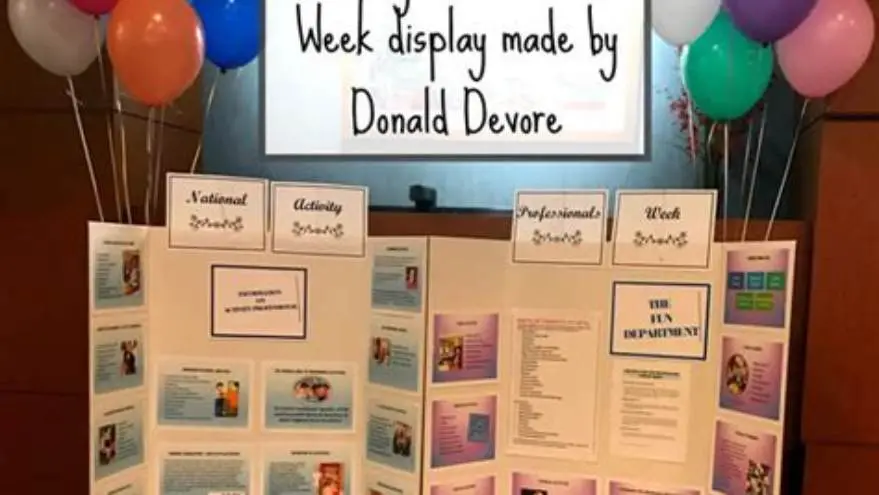
One week is enough time to plan a theme day well. Less than that, and the kitchen cannot adjust the menu or the decorations arrive late. More than that, and the plan sits in a drawer while other jobs take over. Put the date on the activity board a week out, in large print, so residents can look forward to it. Before you commit to anything, it is worth looking at activity professionals week ideas.
Tell everyone who needs to know in one short note. The kitchen needs the theme and the meal change. Care staff need the time and the place. Families need to know they are welcome. One note, sent the same day you pick the theme, stops the last-minute questions that eat up the morning of the event.
Plan the staffing before the day, not on the morning. One person runs the event while care staff keep their usual rounds. Ask the nurse in charge who can cover care tasks during that hour, and keep the event short enough that nobody is missed. A theme day that pulls care staff away from their rounds helps no one.
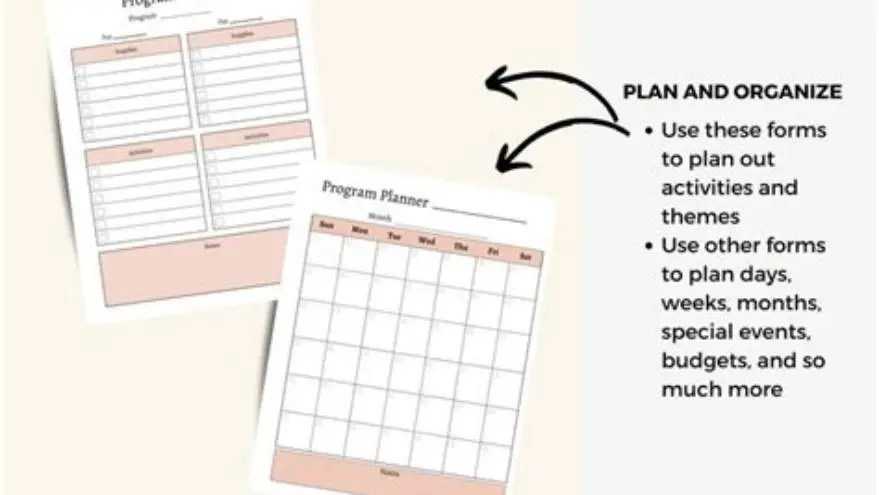
Keep a short list of what worked after each theme day. One line per theme is enough. The list becomes your plan for next year, and it stops you repeating a theme that fell flat. If residents enjoy a theme, running it again in a different season is worth trying. Write the date of the next theme day on the same list, so the plan is ready when you need it. There is more on activity planner in a separate guide.
- Pick the theme and the single event that anchors the day. Write both on the activity board.
- Ask the kitchen about one themed dish or dessert. Give them a week.
- Make decorations with residents in the days before. Paper bunting and table cards are enough.
- Print the day's schedule in large print and post it where residents gather.
- Run the event, then note what worked and what did not.
Ten theme days that work all year
Every theme below has one thing in common. Each one gives residents something to do, something to eat and something to talk about. With only decorations, a theme is a room with paper on the walls. With a meal, a song and a game, it is a day people remember. Use the table to pick one that fits your home, your kitchen and your residents.
Seasonal themes do most of the work for you. Harvest days in autumn and garden parties in spring need little explaining. Seasonal themes are easier because shops and kitchens already have what you need. Residents know what to expect, and that comfort is part of the fun. The calendar gives you the theme, and you add the meal and the music.
Repeat the winners and drop the rest. When residents ask for a theme again, it is worth running twice a year. When a theme leaves the room half empty, it is worth one try and no more. Your list of what worked, kept after each event, tells you which is which. Ask residents which theme they want next before you pick it. People in this spot often ask about low cost assisted living activities as well.
| Theme | Centrepiece | Setup | Who joins in |
|---|---|---|---|
| 1950s diner day | Jukebox sing-along | Checked shirts, milkshakes | Almost everyone |
| Seaside day | Fish and chips lunch | Striped towels, gull sounds | Almost everyone |
| Harvest day | Pumpkin carving and pie | Autumn leaves, squash | Residents who like crafts |
| Music from home | Song requests and sing-along | Playlist, song sheets | Residents who love music |
| Garden party | Tea and cake outdoors | Bunting, flower hats | Residents who enjoy outdoors |
| Sports day | Bean bag toss contest | Team colours, score cards | Residents who like games |
| Winter lights | Candlelit carols evening | Fairy lights, hot cocoa | Residents who like evenings |
| Pyjama day | Breakfast in pyjamas | Slippers, hot chocolate | Residents who like lazy mornings |
| Around the world | Food and music from one country | Flags, maps, tasting plates | Almost everyone |
| Birthday month | One big birthday tea | Cards, cake, candles | Residents with birthdays that month |
How to include residents who cannot join the main event
Some residents will not come to the event. Some tire easily, some find crowds hard, and some stay in their rooms by choice. It still reaches them if you plan for it. The day fails only when the theme stays in one room and everyone else hears about it secondhand. One short visit with a piece of the theme beats hearing about it later.
Take a small piece of the theme to each room. Bring a plate from the themed meal, a song played at the door, a decoration made that morning. Ten minutes each is enough. Bring a large-print sheet with the theme's words or the day's quiz questions. Then the visit has something to do, not just something to look at.
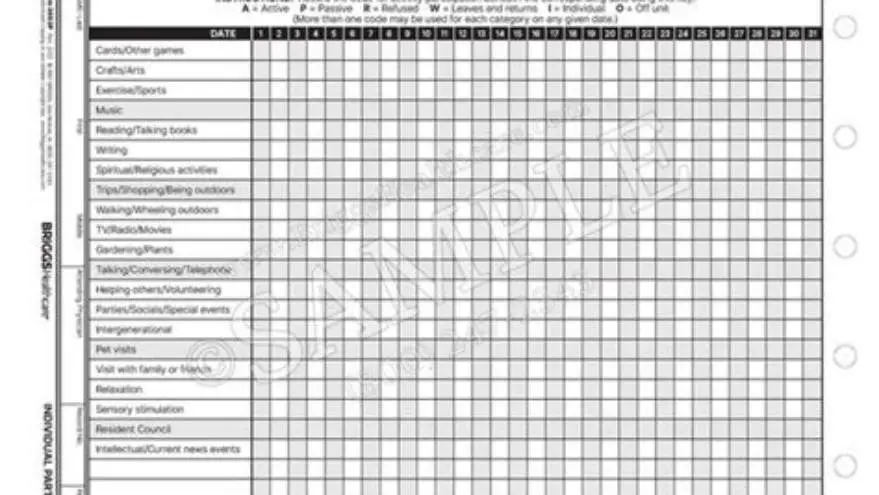
Watching counts as taking part. Someone sitting at the edge of the room, watching the dancing, is still part of the day. Do not push people to join in. Offer a chair with a good view, a drink and a job, like holding the score cards. Leave space between chairs for wheelchairs, and seat residents who lip-read where they can see the host. One small job turns a watcher into a helper, and helpers stay longer. Before you commit to anything, it is worth looking at nursing home activity participation log.
What to do when a theme day falls flat
A flat theme day is not a failure. It is one idea that did not land, and the fix is usually small. Ask three residents what they thought, and listen for the real answer. Often the theme was fine and the timing was wrong, or the room was too loud, or the event ran too long. Write down what residents say, so the next plan starts from their words and not your guess.
Change one thing next time, not five. One that flopped at two in the afternoon might work at eleven in the morning. One that dragged might work with half the questions. Small changes tell you what went wrong. Big changes tell you nothing, because you cannot tell which one helped.
Hold on to the themes residents ask for and let the rest go. Try one a month and keep the ones residents ask to repeat; over a year you will build a short list of favourites. Those become the regulars, and the rest of the calendar fills in around them. The goal is a year with a few days people look forward to, not a perfect record.
Still wondering?
How often should a nursing home run theme days?
One theme day a month is a good rhythm for most homes. It gives staff time to plan and residents something to look forward to without tiring anyone out. There is an official Nursing Home Week each year, so check the current date before planning around it. It is the natural time for a bigger run, with a different theme each day. Start with one a month and add more only if residents ask for them.
What does a theme day cost?
Most theme days cost very little. Music from a playlist costs nothing. Paper bunting and table cards cost only a few dollars. The kitchen can often shape one meal around the theme from food it already buys. The main cost is staff time, so keep the plan to a single event and a short list of jobs. Ask local shops or families for props before you buy anything new.
How do you choose themes for residents living with memory loss?
Pick themes from their own lives, like the music and food of their younger years. Keep the day calm, with one main event and a quiet room to rest in. Familiar songs and smells work better than new ideas, and a small group often works better than a big crowd. If a resident seems uneasy, offer a one-to-one visit with a piece of the theme instead. A sensory theme can work well: familiar smells, textures and songs, with no right or wrong answers.
Can families take part in theme days?
Yes, and most homes welcome it. Tell families the date a week ahead so they can plan a visit around it. Give them a small job if they want one, like bringing a dish from the theme or joining the sing-along. Family visits on theme days often become the part residents talk about most.
Ready to try it? A themed trivia round gives a theme day its main event, with large-print questions a host can read aloud.
See inside