20 lb cream vs matte photo paper for large print puzzles and laminating tips
Compare 20 lb cream paper and matte photo paper for large print puzzles, plus tips to laminate sheets that resist curling after folding.
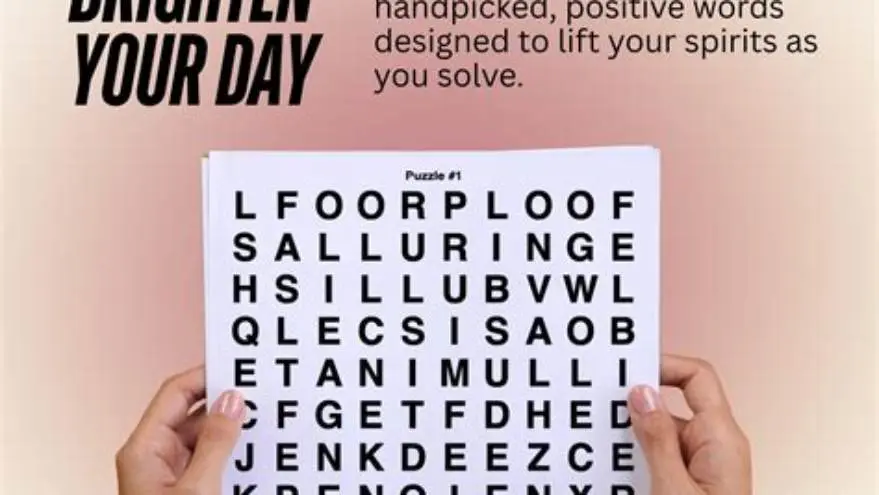
For large print puzzles at home, 20 lb cream paper offers softer contrast that reduces eye strain, while matte photo paper yields sharper print but may ghost. Choose 20 lb cream with a matte finish for home printers, and laminate with a cold method to keep sheets flat when folded.
On this page (10 sections)
- Key takeaways
- Cream vs white paper for large print puzzle readability
- Recommended paper weight and finish for home printing large print puzzles
- How to print a word search on matte photo paper without ghosting
- Using 20 lb cream paper for printable activity sheets at home
- How to laminate puzzle sheets so they stay flat when folded
- 20 lb cream paper for large print puzzles at home
- 20 lb cream vs matte photo paper for large print puzzles at home
- How BigPrint Puzzle Studio helps create large print puzzles
- Questions people still ask
Part of our guide on fun indoor activities for seniors
| Paper weight | 20 lb |
|---|---|
| Paper color | Cream vs White |
| Finish type | Matte preferred |
| Ink ghosting | Possible on photo paper |
| Laminating method | Cold for flat folds |
| Fold durability | Improved by scoring |
Key takeaways
- 20 lb cream paper eases eye fatigue with softer contrast
- Matte photo paper prints sharper but may show ink ghosting
- Use matte finish on 20 lb cream for best printer compatibility
- Cold laminating methods prevent curling on folded puzzle sheets
- Laminated sheets need scored folds to stay flat and last longer
Cream vs white paper for large print puzzle readability
Choosing between cream and white paper for large print puzzles significantly affects readability and comfort for users. Cream paper typically reduces glare and harsh contrasts, making the printed letters easier on tired eyes, which is crucial for seniors or those with low vision. The softer background tone lowers the risk of visual fatigue during extended puzzle sessions.
White paper, by contrast, offers higher contrast between print and background, making black text stand out sharply. This can improve letter recognition and speed of reading for some people, but the stark contrast often causes glare under bright lighting, which can be uncomfortable or distracting.
The choice depends largely on lighting conditions and user sensitivity. If lighting is bright or direct, cream paper usually helps by softening the visual impact. In dimmer environments, white paper’s higher contrast may be beneficial. Cream paper’s advantage also grows with font size, as large print puzzles tend to be viewed for longer sessions.
For home printing, cream paper that is designed for text reduces eye strain without sacrificing print clarity. Its tone balances aesthetics and function, encouraging seniors to engage longer without discomfort. We cover rainy day activities for seniors in its own article.
- Reduces glare and eye strain
- Softens contrast for easier reading
- Preferred in bright lighting
- Less sharp text contrast
- Not ideal in very low light
- Color varies by manufacturer
Recommended paper weight and finish for home printing large print puzzles
The most commonly recommended paper weight for printable activity sheets is 20 lb, which balances sturdiness and printer compatibility. This weight is thick enough to feel substantial and resist tearing, yet thin enough to feed reliably through most home inkjet and laser printers without jams.
Finish matters as much as weight. Matte finish is optimal because it prevents glare and provides a smooth surface that accepts ink well. It minimizes smudging and dries quickly, which is especially important for black-and-white puzzle printouts.
Glossy or satin finishes, common on photo paper, often cause ink bleeding or smearing on typical home printers. Matte photo paper, however, is an exception that offers a suitable surface with reduced shine but can suffer from ghosting—an imprint of the previous page’s image faintly showing through. People in this spot often ask about 25x25 word search printable large letters as well.
Using 20 lb cream paper with a matte finish combines the benefits of reduced glare and excellent printer performance. This combination enables clear, easy-to-read large print puzzles that feel quality-made without requiring costly specialty supplies.
- 20 lb weight feeds smoothly in home printers
- Matte finish reduces glare and smudging
- Cream color softens contrast for comfort
- Too thin paper wrinkles easily
- Photo paper may cause ghosting
- Glossy finishes unsuitable for puzzle print
How to print a word search on matte photo paper without ghosting
Ghosting occurs when ink partially seeps through or reflects from the back, creating a faint duplicate of the image on the other side. Matte photo paper is prone to this because its coating may not fully absorb standard inkjet inks, leading to faint impressions.
To minimize ghosting on matte photo paper, print one-sided only to avoid the image on the back showing through. Choose a printer setting optimized for photo paper or thick matte media to reduce ink saturation and drying time. The other half of this decision is brain games for seniors printable.
Allow ample drying time before handling to prevent smudges that can exacerbate ghosting. Also, laying a scrap sheet behind the printing sheet can reduce ink bleed through to the next page.
If you must print double-sided puzzles, consider using heavier 20 lb cream matte paper to avoid ghosting issues without losing print quality.
- Set your printer to ‘matte photo paper’ or ‘heavy paper’ mode
- Print only on one side of the photo paper
- Allow the sheet to dry fully before handling
- Place a backing sheet when printing multiple pages
- Avoid saturating the paper with dark, dense images
Using 20 lb cream paper for printable activity sheets at home
20 lb cream paper is ideal for home printing large-print puzzles because it supports crisp text and holds up well during handling. The cream tone provides a gentle background that lessens glare and eye strain, important for seniors working on puzzles longer. We cover activities for low vision seniors in its own article.
This paper weight is sturdy enough to prevent easy tearing or wrinkling when used for word searches, sudoku, and crosswords. It also feeds smoothly through most inkjet and laser printers, reducing wasted time and paper jams.
Because cream paper is widely available and affordable, it offers a practical solution for families and activity directors who print puzzles regularly. Its matte finish options increase readability and comfort while maintaining a professional look.
Keep in mind that papers labeled 'text weight' or 'copy paper' at 20 lb meet these needs best. Avoid thinner papers, which feel flimsy and may curl, and heavier cardstocks that can jam consumer printers. For the detail, see our notes on engaging activities for seniors alone.
How to laminate puzzle sheets so they stay flat when folded
Laminating large print puzzle sheets preserves them but introduces the problem of curling and stiffness, especially when sheets must be folded for storage or mailing. Using a cold laminating method helps prevent heat-induced warping.
Cold laminating pouches or sheets adhere with pressure-sensitive adhesives, avoiding the heat that causes curling. However, if folds are necessary, scoring the laminate before folding creates a clean, flat bend without cracking or lifting.
An alternative is to laminate only one side and reinforce the fold with a flexible tape or binder. This preserves flatness but sacrifices full protection.
Ensure the laminating pouch or film weight matches the paper thickness—too heavy laminates cause stiffness, too light offer poor durability. Around 3 mil laminate thickness balances protection and flexibility.
For home use, a good cold laminator paired with 20 lb cream matte paper yields durable, easy-to-handle puzzle sheets that stay flat even after repeated folding.
- Print puzzles on 20 lb cream matte paper
- Use cold laminating pouches of about 3 mil thickness
- Score the laminate where folds are needed using a bone folder or similar
- Fold carefully along scored lines to prevent cracking
- Consider laminating one side only if flexibility is critical
20 lb cream paper for large print puzzles at home
Using 20 lb cream paper for large print puzzles at home strikes a practical balance among readability, print quality, and handling. Its cream color reduces eye strain, especially for older eyes sensitive to glare or high contrast, while the paper weight ensures sheets feel sturdy but still feed well through ordinary printers.
This paper color and weight combination works well for printing puzzles like word searches, crosswords, and sudoku with large font sizes (16 pt and above). The matte finish improves ink adhesion and keeps glare low.
If you want to create puzzle books or printable sheets to share or sell, 20 lb cream paper is good for prototype runs and personal use. Heavier stocks or photo papers may raise production costs and printing challenges without clear readability gains.
For a streamlined way to produce large-print puzzle books, you might consider digital tools like BigPrint Puzzle Studio, which generate puzzles in large fonts ready to print on 20 lb cream matte paper, though you can create puzzles manually or with free templates as well.
- Balances readability and printer compatibility
- Widely available and affordable
- Supports large fonts without glare
- Matte finish reduces smudging
- Less sharp than bright white paper
- May yellow slightly over time
- Not ideal for photo-quality images
20 lb cream vs matte photo paper for large print puzzles at home
Comparing 20 lb cream paper to matte photo paper reveals key trade-offs for printing large print puzzles at home. The cream paper’s softer contrast significantly reduces eye strain and glare, benefiting seniors and those with low vision. Its matte finish supports ink absorption without smudging, making it easier to handle puzzles printed in large fonts.
Matte photo paper excels at producing crisp, high-quality images with rich blacks and finer details, which might make puzzle lines and letters appear sharper. However, the coated surface of photo paper often causes ink ghosting and can be prone to smudging or uneven drying on home printers.
Home printing on matte photo paper demands careful printer setting adjustments and drying times to avoid ghosting. Cream paper feeds more reliably and offers consistent print results without special presets. It also laminates more predictably, especially with cold lamination.
The choice depends on priority: choose 20 lb cream paper for comfort and ease of printing puzzles at home, or matte photo paper for premium sharpness while accepting more handling caution. Laminating with cold pouches and scoring folds helps keep laminated sheets flat and usable, regardless of paper choice.
| Feature | 20 lb Cream Paper | Matte Photo Paper |
|---|---|---|
| Color and Contrast | Soft cream reduces glare; gentle contrast | Bright white offers sharp, high contrast |
| Print Sharpness | Clear but less crisp than photo paper | Sharper detail and richer blacks |
| Ink Handling | Matte surface absorbs ink well; less smudging | Coated surface risks ghosting and smudging |
| Printer Compatibility | Feeds smoothly in most home printers | Requires careful printer settings |
| Laminating Behavior | Laminates flat with cold methods; flexible | Can curl; sensitive to heat laminating |
| Cost and Availability | Widely available and affordable | More expensive; less common for puzzles |
How BigPrint Puzzle Studio helps create large print puzzles
BigPrint Puzzle Studio is an online tool designed for making large print puzzle books quickly. It generates puzzles in large fonts (16-24 pt) with themes and ready-to-print layouts optimized for home printing on 20 lb cream matte paper or similar stock.
The software simplifies puzzle creation, removing the need for manual word search or crossword assembly, and ensures proper margins for book printing or single sheets. It includes answer keys and page numbering, helpful for care home activity directors or family caregivers.
While BigPrint Puzzle Studio speeds up puzzle creation and guarantees large print sizes, it requires a one-time purchase and basic computer skills. If you prefer free methods, printable templates from puzzle websites can also work, but they lack customization and size control.
This tool fits situations where you want reliable large print puzzles without fussing over layout or font sizes. It does not replace low vision aids or solve all readability issues but enhances activity planning for seniors at home.
Questions people still ask
Why is cream paper better for seniors doing puzzles?
Cream paper reduces glare and harsh contrasts common with white paper, easing eye strain. The softer background makes letters easier to focus on for longer, reducing fatigue during puzzle activities.
Can I laminate puzzle sheets with a hot laminator?
Hot lamination often causes laminated sheets to curl or warp, especially when folded. Cold lamination with pressure-sensitive pouches is better to maintain flatness and flexibility on folded puzzle sheets.
How do I prevent ghosting when printing on matte photo paper?
Print only on one side, select a matte photo paper setting on your printer, and allow ample drying time. Using a backing sheet during printing also helps reduce ghosting effects.
Is 20 lb paper thick enough for puzzle sheets?
Yes, 20 lb paper is standard for printable puzzles. It’s thick enough to resist tearing and curling, yet thin enough to feed smoothly through most home printers.
What can I do if laminated puzzle folds crack?
Score the laminate carefully before folding using a bone folder or similar tool. Scoring creates a clean crease that prevents cracking or lifting of the laminate.