Dementia patient activities in hospital: 4 low-prep options nurses can try
For dementia patients in hospital, choose activities that require minimal supplies and promote calm, such as large-print puzzles, sensory stimulation, and simple conversation starters. These reduce agitation and fit the hospital setting's limits on space and resources.
On this page (9 sections)
- Quick recap
- Which activities require minimal supplies
- How to adapt activities to hospital constraints
- How to involve nursing staff safely
- Activities that reduce patient anxiety or agitation
- Activities for dementia patients in the hospital
- How the Gentle Minds Activity Kit helps hospital dementia activities
- Alternative low-cost ways to prepare dementia activities for hospital
- Still wondering?
Part of our guide on activities for dementia patients simple
Key figures
- Minimal supplies
- Paper and pen
- Activity levels
- 3 difficulty tiers
- Printable pages
- 130+
- Conversation cards
- 48 included
- Setup time
- Under 5 minutes
Quick recap
- Simple, low-prep activities reduce patient anxiety and frustration.
- Large-print puzzles and printables work well for visual clarity.
- Activities should fit hospital space and staff availability.
- Involving nursing staff safely requires clear, easy-to-follow activities.
- Printable kits with levels of difficulty help match patient ability.
Which activities require minimal supplies
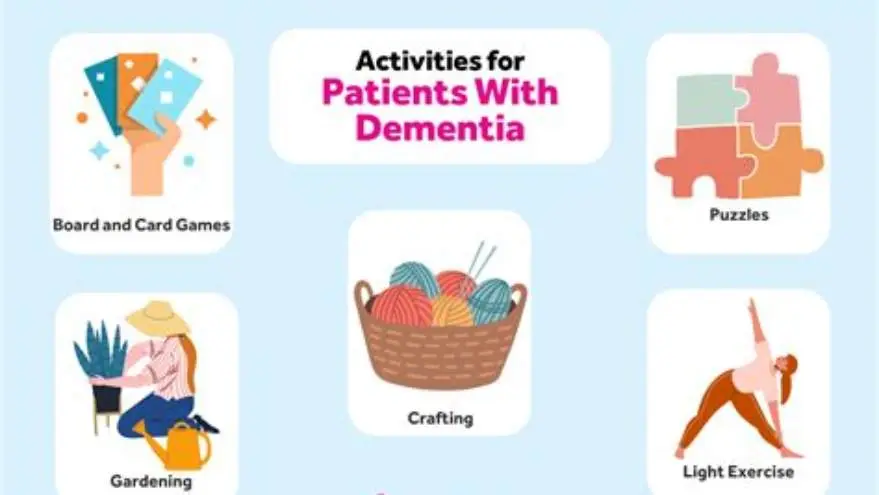
Activities suited for hospital dementia patients must need very little equipment. Usually, simple items like paper, pencils, or printed materials work best. This avoids clutter and infection risks common in clinical settings.
Large-print word searches, easy crossword puzzles, and mazes printed on paper can engage patients with limited preparation. These options do not require special tools or much space and are easy to discard or replace.
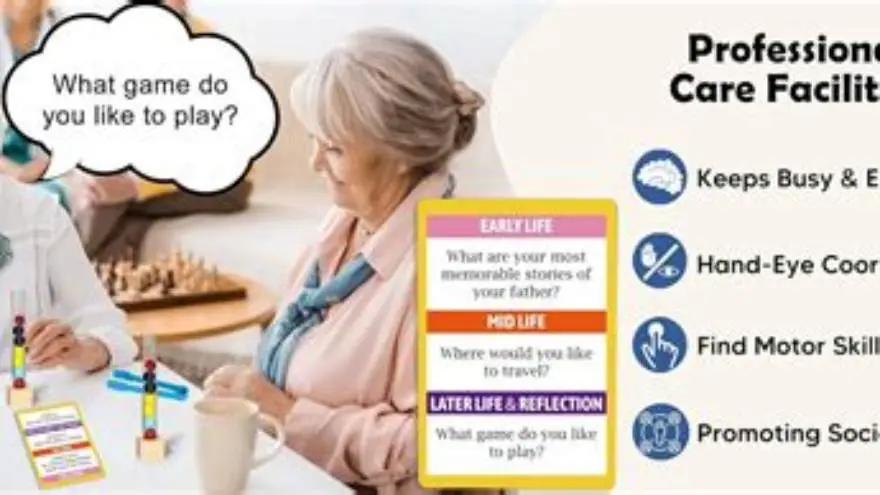
Conversation cards also work well, requiring only the cards themselves. They prompt memory recall and offer social interaction, which can reduce patient anxiety. These cards can be printed from activity kits or created using familiar topics.
- Paper-based puzzles: large-print for ease of reading
- Simple drawing or coloring pages: if allowed
- Conversation cards: promote calm, social interaction
- Matching games using printed images: minimal handling
How to adapt activities to hospital constraints
Hospital rooms and common areas limit space and materials. Activities must be compact and safe, with little mess. Nursing staff often have limited time, so easy setup and quick cleanup are key. It helps to understand activities for dementia patient sorting before going further.
Printables should be large and clear to suit patients with low vision or cognitive decline. Avoid materials that require fine motor skills or extensive supervision.
Using wipe-clean laminated sheets and dry-erase markers can reduce waste and simplify reuse. Limit activities to those that do not interfere with medical care or emergency access.
Quiet, seated activities lower patient stress and reduce risk of falls or agitation. Avoid noisy or physically demanding games unless supervised by trained staff. It helps to understand hospital activities for dementia patients before going further.
Consider room lighting and noise when adapting activities. Bright, harsh lights or loud hospital sounds can increase confusion or agitation in dementia patients. Use soft lighting and quiet areas when possible for calmer engagement.
Patient fatigue affects activity choice and timing. Schedule activities during times when patients are most alert, often mid-morning or early afternoon. Short, 10-15 minute sessions prevent overwhelming them.
Monitor physical comfort closely. Patients with pain or discomfort might resist participation. Adjust seating and positioning to ease strain and encourage focus on the activity, improving success and mood. The other half of this decision is timing activities for dementia care.
How to involve nursing staff safely
Nurses and aides can facilitate activities but need easy methods that fit their schedules. Activities requiring no special training are ideal, enabling staff to guide patients without added pressure.
Clear caregiver guides accompanying activity kits help staff understand activity goals and how to modify tasks for different patients. This minimizes patient frustration and maintains dignity.
Using conversation cards or simple puzzles allows staff to engage patients during routine care or quiet times. Staff should monitor patient responses and adjust or stop activities if signs of agitation appear. Before you commit to anything, it is worth looking at simple setups for late dementia.
Safety includes avoiding choking hazards and ensuring materials are clean and suited for the patient’s physical state.
Train nursing staff with brief demonstrations or videos on how to use activity kits effectively. This builds confidence and consistency in facilitation without taking much time.
Staff should observe nonverbal cues like facial expressions and body language to gauge patient engagement and distress during activities. This helps tailor approaches quickly. There is more on activities for men with dementia in a separate guide.
Assigning specific activity times during shifts can integrate engagement into care routines, ensuring patients have regular mental stimulation without burdening staff.
Activities that reduce patient anxiety or agitation
Calming activities share traits like predictability, familiarity, and clear success paths. Large-print puzzles with simple instructions avoid confusion and frustration for dementia patients.
Sensory activities such as touching soft fabrics or holding smooth objects can soothe agitation if hospital policy allows them. Gentle music or guided reminiscence via conversation cards also helps.
Activities should avoid complex rules or high cognitive demand. Encouraging small achievements, like completing a puzzle section, promotes confidence and reduces anxiety.
Monitoring patient mood during activity is key; stop if signs of distress arise. Adjust activity difficulty or type if needed.
Visual and auditory stimuli can help reduce anxiety. Showing familiar photos or playing soft sounds like nature or gentle music soothes many dementia patients. Keep volume low and avoid sudden noises.
Simple breathing exercises or guided relaxation techniques can be introduced. Staff can guide patients to take slow, deep breaths, helping to lower heart rate and ease tension.
In some cases, hand massage with lotion, if permitted, calms agitation by providing gentle sensory input. Always check patient consent and skin sensitivity before applying.
Activities for dementia patients in the hospital
Dementia activities in hospital settings must be quiet, safe, and low-prep. Four practical options nurses can try include: large-print puzzles, printable conversation cards, simple mazes, and sensory object exploration.
Large-print puzzles printed from activity kits can be offered at variable difficulty levels. They fit bedside use and require only paper and pencil, ideal in hospital rooms. Puzzles promote focus and offer a sense of achievement.
Conversation cards stimulate memory and encourage social interaction without needing physical effort or props. Nurses can use them during routine visits to engage patients calmly.
Simple mazes or tracing activities printed in large types promote hand-eye coordination and concentration with minimal setup.
If allowed, sensory objects such as fabric swatches or smooth stones can calm patients by engaging their sense of touch.
- Large-print puzzles: easy to print and use in bed
- Conversation cards: spark memories and conversation
- Simple mazes: low motor demand, engaging focus
- Sensory exploration: calming tactile stimulation
How the Gentle Minds Activity Kit helps hospital dementia activities
The Gentle Minds Activity Kit offers over 130 printable pages of dementia-friendly activities designed for different ability levels. It includes large-print puzzles, conversation cards, and caregiver guides.
This kit addresses hospital constraints by providing easy-to-print, varied activities that fit bedside settings. Nursing staff can use the included guides to facilitate low-prep engagement safely.
The three difficulty levels (Gentle, Easy, Steady) help match patient ability, reducing frustration and promoting calm success. Conversation cards encourage connection and memory recall with minimal supplies.
While the kit does not replace medical or therapeutic interventions, it saves time finding suitable materials and supports meaningful patient engagement during hospital stays.
- Printable on demand for single use or multiple patients
- Multiple difficulty levels tailored to abilities
- Includes caregiver guide for easy staff use
- Not a medical treatment or cognitive therapy
- Requires printer and some staff time for preparation
Alternative low-cost ways to prepare dementia activities for hospital
If you prefer free or DIY approaches, use large-print word searches or crossword puzzles you create manually or via free online tools. The Large Print Word Search Maker lets you generate puzzles with your own word lists.
Creating laminated sheets with basic mazes or coloring pages allows reuse and easy cleaning, suitable for hospital hygiene requirements. Use thick dry-erase markers for tracing activities.
Simple homemade conversation cards on familiar topics can be created without cost. Limit cards to clear questions or prompts that encourage sharing memories.
These approaches take more time to prepare but cost little and give control over content. They require manual formatting or design skills if you want professional-looking materials.
Still wondering?
Can nursing staff safely facilitate activities without special training?
Yes, activities designed with caregiver guides and simple instructions can be facilitated by nursing staff without extra training. Staff should observe patient mood and adjust as needed.
What if a patient becomes agitated during an activity?
Stop the activity immediately. Choose simpler tasks or sensory options next time. Monitor emotions closely to avoid frustration.
Are printable activities reusable or single-use in hospitals?
Printed paper activities are usually single-use for hygiene but can be laminated for reuse if cleaning protocols allow.
How to match activity difficulty to dementia stages in hospital?
Use activities with graded difficulty levels. Start with simple, large-print puzzles or conversation cards and adjust based on patient response.
Can these activities replace medical or therapeutic treatments?
No, these activities are for engagement and calming. They do not treat dementia or cognitive decline but support quality of life.
Ready to try it? It provides ready-to-print, dementia-friendly activities with varying difficulty and caregiver guides suited for hospitals.
Download Gentle Minds Kit