Daily activities for dementia patients: how to match timing and energy levels
Adjust daily activities for dementia patients by aligning tasks to their cognitive stage and energy, usually scheduling simpler, soothing activities during low-energy periods. Use gentle, successful tasks paced to avoid frustration and support calm engagement.
On this page (8 sections)
- Quick recap
- Examples of daily activities adapted by dementia stage
- How to adjust activity timing to patient energy
- Tips for pacing and transitions between activities
- How to create a daily routine chart for dementia patients
- How the Gentle Minds Activity Kit helps with daily activities for dementia patients
- Where to find or make your own large-print activities for dementia patients
- Still wondering?
Part of our guide on simple activities for dementia patients
Key figures
- Activity Levels
- 3 stages
- Energy Peaks
- morning hours
- Activity Duration
- 15-30 minutes
- Kit pages
- 130+ printable
- Conversation cards
- 48 included
Quick recap
- Match activities to dementia stage for better success.
- Schedule demanding tasks during peak energy times.
- Use calming activities when energy dips.
- Plan smooth transitions to reduce agitation.
- Printable kits help sustain varied, suitable activities.
Examples of daily activities adapted by dementia stage
Dementia progresses in stages that affect cognitive and physical abilities differently. Early stages allow for more complex tasks, while later stages require simpler, calming activities. Activities bringing success and comfort change accordingly.
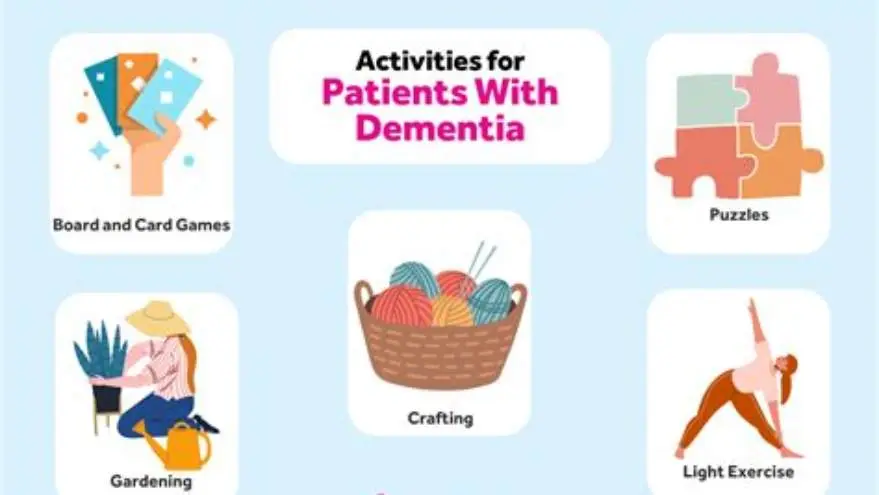
In early stages, activities like large-print word searches or beginner puzzles fit well. Mid-stage patients benefit from repetitive crafts or guided conversation cards. Late-stage patients often prefer sensory and soothing activities, such as listening to familiar music or simple coloring.
Choosing activities suited to the stage supports motivation and reduces frustration. For instance, a 45-minute crossword might suit early stage, but a short, guided maze or sorting task works better later. The goal is calm engagement, not task completion.
| Dementia Stage | Activity Type | Duration | Cognitive Demand |
|---|---|---|---|
| Early | Large-print word search, easy crossword | 20-30 minutes | Moderate |
| Mid | Guided crafts, conversation cards | 15-25 minutes | Low to Moderate |
| Late | Sensory tasks, simple coloring | 10-15 minutes | Low |
- Tailored engagement
- Reduces frustration
- Builds confidence
- Needs regular reassessment
- Activity choice requires knowledge
- Some time to prepare materials
How to adjust activity timing to patient energy
Dementia patients usually have peak energy in the morning. Scheduling mentally demanding activities like puzzles or problem-solving before noon often yields better engagement. We cover timed routine chart for dementia in its own article.
Afternoon and evening hours generally show lower energy and increased fatigue. Provide calming activities like listening to music, simple crafts, or conversational prompts then to maintain comfort and connection.
Energy levels depend on individual factors including medication, sleep, and health. Observe your loved one across several days to identify consistent energy patterns before fixing a routine.
Energy dips may occur unpredictably, especially in late afternoon. This 'sundowning' effect can cause restlessness or confusion. Plan the most demanding tasks well before this period to avoid stress. There is more on activities for dementia patients who can't read in a separate guide.
If medication affects alertness, schedule activities around dosing times to capitalize on alert periods. For example, if a patient feels sleepy after morning meds, delay puzzles until later when medication effects lessen. Observing these shifts over days will refine timing.
Short naps or quiet rest during low-energy times help recharge patients. A 20-minute nap after lunch can restore focus for a brief afternoon activity. Watch for signs of tiredness and adjust the routine to keep energy balanced.
- Morning: puzzles, memory games, and conversation
- Midday: light crafts or gentle movement
- Afternoon: sensory activities and resting periods
- Evening: calming music or simple coloring
- Maximizes engagement
- Reduces agitation
- Respects natural rhythms
- Needs daily observation
- Energy dips vary
- May require adjustments
Tips for pacing and transitions between activities
Pacing activities with breaks prevents fatigue and agitation. Plan sessions around 15 to 30 minutes, depending on patient tolerance, followed by rest or a non-demanding task. The other half of this decision is activities for hospital dementia patients.
Transitions between activities should be gentle and predictable. Use verbal cues, familiar routines, or soothing sensory input to help the patient shift focus without stress.
Avoid sudden changes or overwhelming choices. Repetition and routine help reduce anxiety, so keep a consistent schedule with minor variations to add interest without confusion.
If agitation occurs during transitions, try slowing down the pace further. Use a familiar object or a comforting phrase to signal the change. For example, saying 'Let's tidy up and get ready for our next game' gently prepares the mind. Before you commit to anything, it is worth looking at personal details for dementia caregivers.
Introduce transition routines like a specific song or a tactile cue. These signals create a predictable pattern, easing movement between activities. For instance, clapping softly or ringing a bell before switching tasks helps set expectations.
Check if the patient is ready before moving on. Look for signs like focused attention or relaxed posture. If restless or distracted, give extra time or switch to a soothing task before proceeding. This reduces frustration and supports cooperation.
- Limit activities to 15-30 minutes
- Follow with rest or quiet time
- Use cues to signal transitions
- Maintain predictable routines
How to create a daily routine chart for dementia patients
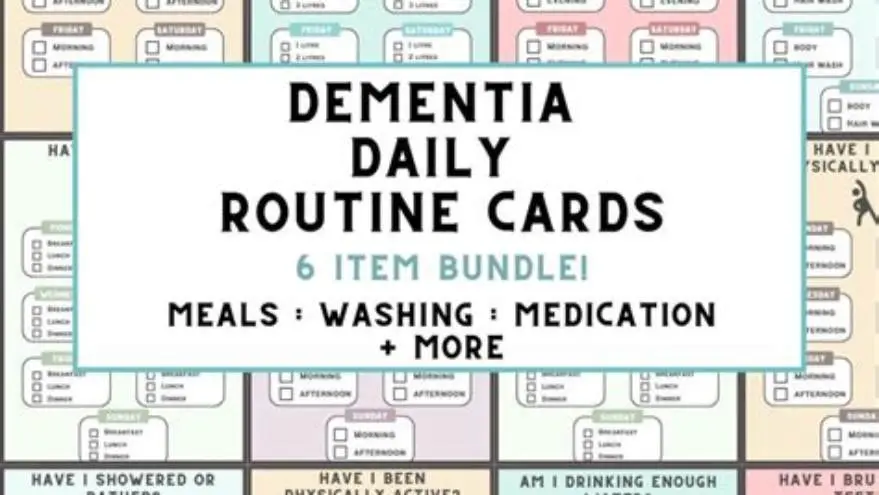
A daily routine chart helps structure activities suited to dementia stages and energy. Start by listing preferred activities matched to cognitive level and energy peaks.
Allocate time slots based on energy patterns, with more engaging tasks in high energy periods and calm tasks when energy fades. Include breaks and flexible slots to handle mood or health variations.
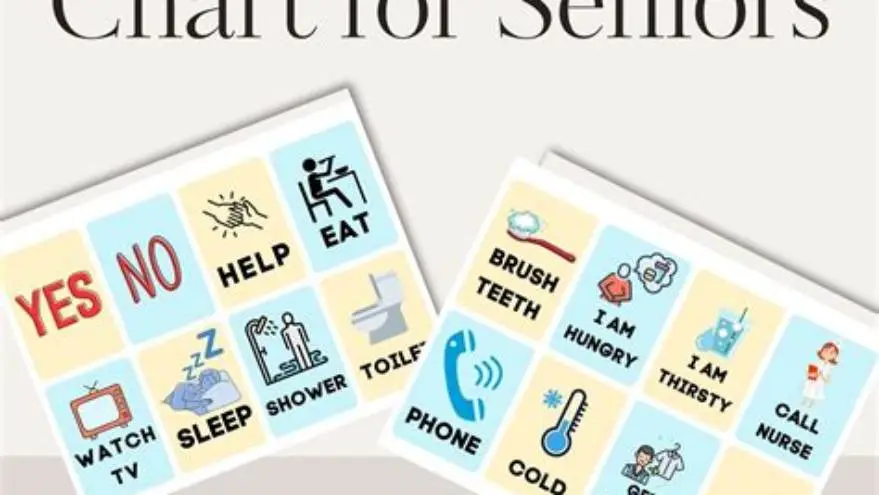
Use large-print fonts and clear visuals on the chart. Symbols or photos alongside text help patients recognize activities and reduce confusion. Review and adjust the chart weekly to respond to changing needs.
The chart should be placed in a visible, consistent spot, such as near the dining table or living room. This helps the patient see and anticipate upcoming activities, reinforcing routine.
Color-coding activities by type (physical, cognitive, sensory) on the chart helps caregivers quickly scan the day’s plan and adjust if needed. For example, blue for calming tasks, green for movement, yellow for puzzles.
Include flexibility blocks as 'free time' or 'quiet time' to accommodate mood shifts or unexpected needs. This prevents the chart from feeling rigid and allows caregivers to adapt without stress. Revisiting the chart weekly helps keep it relevant as abilities change.
- Assess patient’s cognitive stage and energy patterns
- Select activities that match those abilities and times
- Schedule activities with clear, consistent timing
- Design the chart with large print and icons
- Review and update regularly
- Improves predictability
- Supports independence
- Eases caregiver planning
- Takes time to create
- Needs regular updates
- May require caregiver assistance
How the Gentle Minds Activity Kit helps with daily activities for dementia patients
The Gentle Minds Activity Kit provides over 130 printable pages of activities tailored for adults living with memory loss, including three levels of difficulty. It covers a wide range of tasks designed to match cognitive stages and energy fluctuations.
This kit includes daily planning pages and conversation cards that aid pacing and smooth transitions. Its large-print format supports easy reading and reduces frustration, helping maintain calm engagement.
Caregivers find that it saves time compared to sourcing or creating materials manually. However, it is designed for enjoyment and connection, not therapy or medical treatment, so it won’t address medical or cognitive decline directly.
- Tailored to memory loss stages
- Large-print and easy to use
- Includes conversation cards
- Printable for multiple users
- Not a medical treatment
- Requires printing resources
- Limited to kit content
Where to find or make your own large-print activities for dementia patients
Besides ready-made kits, families and caregivers can create simple large-print puzzles and activities. Free tools like the Large Print Word Search Maker allow you to input familiar words and produce printable puzzles with an answer sheet.
Manual creation needs patience and some design sense but lets you personalize content deeply to the patient’s interests and history, which supports engagement. Large font size (at least 18-24 points) and clear, uncluttered layouts are crucial.
Alternatively, activity coordinators and sellers might use tools like BigPrint Puzzle Studio to quickly generate diverse, themed puzzle books. This is helpful for bulk creation but requires publishing skills and resources.
- Customizable content
- Free or low-cost options
- Supports personalization
- Takes time to create
- Requires basic tech skills
- May lack professional polish
Still wondering?
How often should activities be changed during the day?
Switching activities every 15 to 30 minutes suits most dementia patients, balancing engagement and fatigue. Monitor individual responses to adjust pacing.
Can a daily routine chart reduce agitation?
Yes, predictable routines help patients feel secure and reduce anxiety, leading to calmer behavior. Clear activity timing and smooth transitions are key.
Are printable activity kits suitable for all dementia stages?
Kits like Gentle Minds offer multiple difficulty levels to suit early to mid stages. Late stage patients may need simplified sensory activities beyond printable tasks.
How should caregivers handle days when energy levels are lower than usual?
Adapt by substituting more soothing, low-demand activities such as listening to music or resting. Flexibility prevents frustration and respects the patient's condition.
Is it better to do activities before or after meals?
Most patients have higher energy before meals, making that the best time for focused activities. After meals, calmer tasks or rest are preferable.
Ready to try it? It provides stage-appropriate, printable, large-print activities with pacing and transition aids suited to dementia energy patterns.
Try Gentle Minds Kit