Dementia activities without reading
For dementia patients who can't read, sensory and hands-on activities bring calm and engagement without frustration. Examples include tactile crafts, music, and simple puzzles designed for memory loss. The Gentle Minds Activity Kit offers printable, large-print activities tailored to these needs.
On this page (8 sections)
- Quick recap
- Why reading is a barrier for some dementia patients
- Examples of sensory activities that do not rely on reading
- How to adapt activities for stages where reading is lost
- Activities for dementia patients who can't read
- How the Gentle Minds Activity Kit helps with no-reading dementia activities
- How to choose the right activities for your loved one’s dementia stage
- Still wondering?
Part of our guide on simple activities for dementia patients
Key figures
- Printable pages
- 130+
- Activity levels
- 3 levels
- Conversation cards
- 48 cards
- Large print size
- US Letter/A4
- Reading required
- No
- Price model
- One-time
Quick recap
- Reading loss is common in dementia, making standard puzzles frustrating.
- Sensory activities like crafts, music, and touch-based tasks reduce stress.
- Adapt activities by simplifying steps and removing reading requirements.
- Printable kits like Gentle Minds provide ready-made, large-print options.
- Choosing success-focused tasks improves mood and connection.
Why reading is a barrier for some dementia patients

Many dementia patients gradually lose the ability to read as the disease progresses. This loss happens because dementia affects memory, visual processing, and language skills. Trying to read can cause frustration or anxiety when words no longer make sense.
Standard puzzle books or word games become inaccessible, leaving caregivers scrambling for alternatives. Even simple instructions or word-based clues can feel overwhelming. This barrier reduces opportunities for meaningful engagement and increases boredom or distress.
Understanding this reading barrier helps caregivers select activities that avoid printed words or rely only on simple, clear visual cues. This approach maintains dignity and supports positive experiences without causing confusion or failure.
- Respects cognitive limits
- Reduces frustration
- Encourages engagement
- Limits common puzzle options
Examples of sensory activities that do not rely on reading
Sensory activities engage sight, touch, hearing, and smell without needing reading skills. They tap into long-term memory and soothe emotions. Textured crafts, like using soft fabrics or rough paper, stimulate touch and creativity. If that sounds like your situation, read up on engaging dementia patients who can't read next.
Playing familiar music or nature sounds can calm agitation and trigger memories. Handling scented items such as lavender or cinnamon evokes feelings and past experiences. Sorting colorful beads or buttons helps focus and hand-eye coordination.
Simple musical instruments like shakers or bells encourage participation without instructions. These activities suit different dementia stages, especially moderate to advanced, when reading skills decline. Sensory tasks maintain engagement and provide comfort even when verbal ability fades.
How to adapt activities for stages where reading is lost
Adapt activities by removing or minimizing reading demands. Use large, clear images or photos instead of text. Break tasks into small, visible steps and allow plenty of time. Offer verbal prompts or demonstrations rather than written instructions. The other half of this decision is success focused late stage tasks.
Choose materials that invite exploration rather than problem-solving with words. For later stages, simple coloring, folding fabric, or manipulating objects works best. Avoid activities needing memory of sequences or naming items.
Caregiver involvement is essential. Activities succeed when helpers model participation and celebrate small achievements. This reduces frustration and supports social connection, key benefits for dementia patients unable to read.
- Supports declining abilities
- Encourages success
- Fosters connection
- Needs caregiver time
- Limited complexity
Activities for dementia patients who can't read
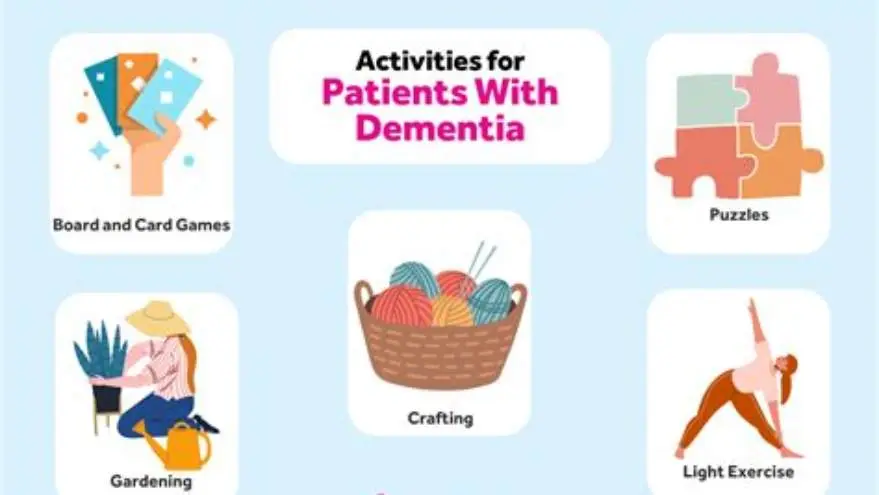
Several activities suit those who cannot read. Sensory gardening offers tactile stimulation through soil, plants, and scents. Simple baking tasks like stirring or shaping dough keep hands busy and focused. Music listening or singing prompts emotional engagement without words. If that sounds like your situation, read up on printable activities for alzheimer's patients next.
Large-piece jigsaw puzzles with bold images and few pieces provide a satisfying challenge without reading. Familiar objects from the patient’s past spark memories and conversation, even when reading is lost.
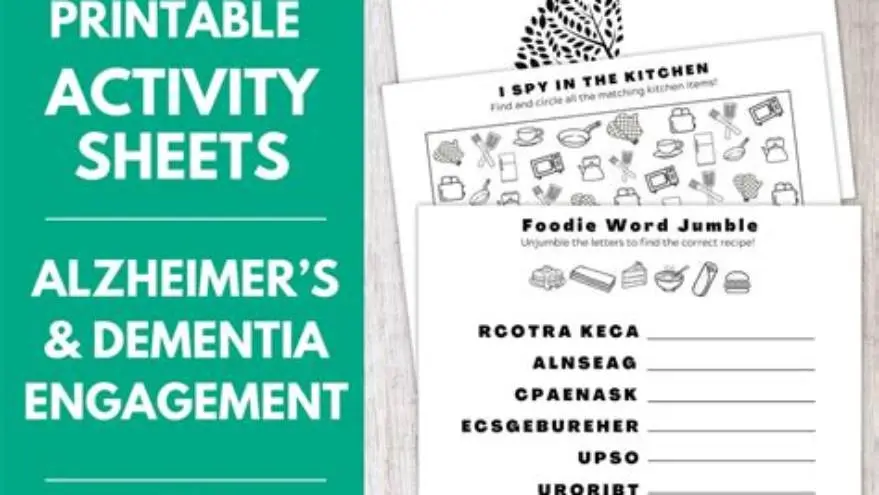
The Gentle Minds Activity Kit provides printable activities designed for this group. It includes large-print and picture-based materials so users can join in without reading. Conversation cards encourage sharing memories verbally, skipping the need for text.
- Sensory gardening with soil and plants
- Simple baking tasks like stirring dough
- Listening to or singing familiar music
- Large-piece jigsaw puzzles with bold images
- Using familiar objects to trigger memories
- Printable large-print and picture-based activities
- Conversation cards for verbal sharing
- Non-reading engagement
- Supports memory and senses
- Varied activities
- May require supervision
- Some preparation needed
How the Gentle Minds Activity Kit helps with no-reading dementia activities
The Gentle Minds Activity Kit offers over 130 printable pages at three difficulty levels. It’s tailored for adults living with memory loss. Large-print design and simple layouts cut down on reading and complex instructions. People in this spot often ask about dementia patient hospital activities as well.
Conversation cards spark verbal interaction. They build connection without written tasks. The caregiver guide explains how to use materials well and adapt them based on abilities.
This kit saves caregivers time searching for no-reading activities. It suits families and care homes needing varied, respectful activities that bring calm and success. It does not replace medical treatments or therapeutic programs.
- Over 130 printable pages at three difficulty levels
- Large-print design reduces reading demand
- Conversation cards encourage verbal interaction
- Caregiver guide helps adapt activities
- Saves time finding suitable no-reading activities
- Supports calm and success for users
- Ready-made no-reading activities
- Large-print and accessible
- Supports caregiver facilitation
- Not medical therapy
- Requires printing and prep
How to choose the right activities for your loved one’s dementia stage
Dementia progresses in stages, so not all activities suit every stage. Early on, some reading and complex puzzles might still work. As abilities decline, focus shifts to sensory and simple hands-on tasks without reading. There is more on dementia activities that are not childish in a separate guide.
Observe your loved one’s responses. Calm, focused engagement signals a good fit. Signs of frustration or withdrawal mean the task is too hard or confusing. Adjust complexity, timing, or type of activity accordingly.
Gentle Minds Activity Kit is designed with this progressive approach in mind. Its three activity levels help match tasks to changing skills. Regularly reassessing and adapting activities preserves comfort and enjoyment.
- Matches progressive needs
- Encourages observation-based choices
- Enhances comfort
- Needs caregiver attention
- Trial and error required
The Gentle Minds Activity Kit offers practical, printable activities that respect reading loss in dementia, making it a strong fit for caregivers looking for ready-to-use solutions.
Still wondering?
Why do some dementia patients lose the ability to read?
Reading requires memory, visual processing, and language skills, which dementia impairs over time. This leads to trouble understanding words and instructions, making reading frustrating or impossible.
What are good sensory activities for people with advanced dementia?
Activities like handling textured objects, listening to music, smelling familiar scents, or simple crafts engage senses without reading. These calm and stimulate without causing frustration.
How can I adapt puzzles for someone who can’t read?
Use puzzles with large, colorful images and few pieces. Avoid word clues and instructions. Provide help and encouragement rather than expecting independent completion.
Is the Gentle Minds Activity Kit suitable for severe dementia?
Yes, it includes three levels of activities, some designed for more advanced memory loss. It focuses on engagement without reading and supports caregiver involvement.
Are there free alternatives to printable kits?
Home-made activities using household objects or sensory materials can work well. Free printable large-print puzzles online might help early stages but often require some reading.
Ready to try it? It offers printable, large-print, no-reading activities specifically for adults living with memory loss.
View activity kit details