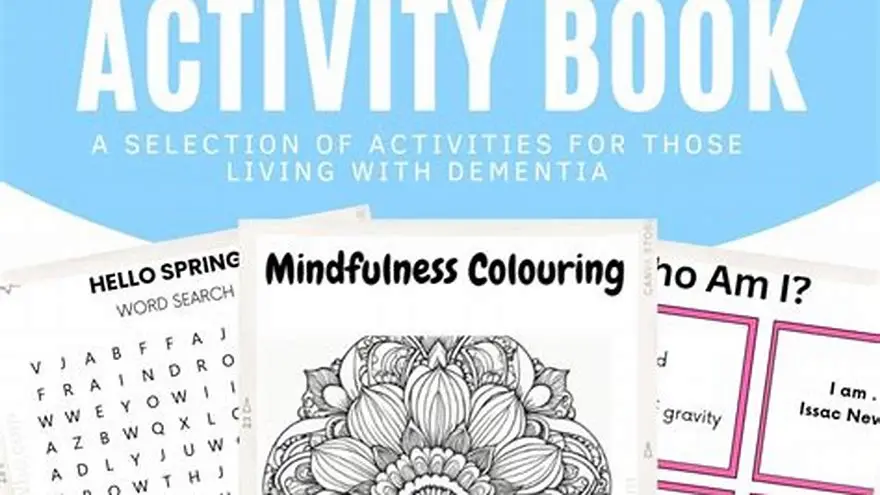
Dementia patient hospital activities
Safe, simple activities help dementia patients in hospitals stay calm, engaged, and successful without stress or confusion.
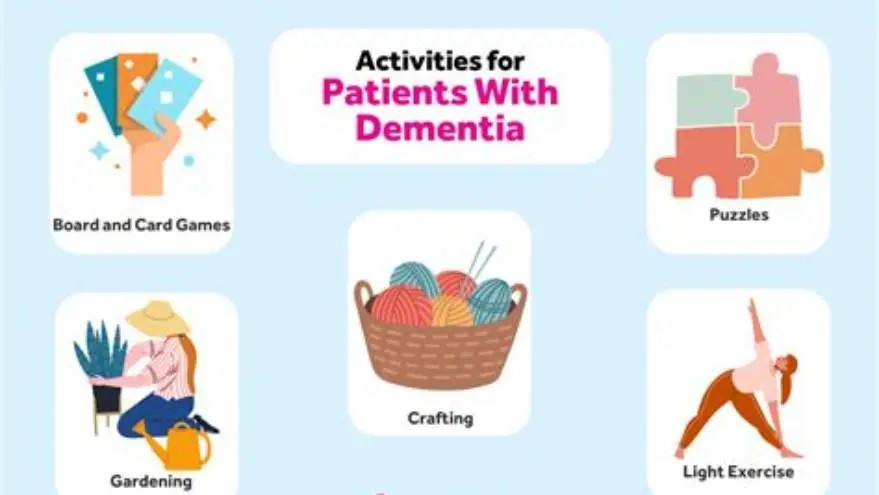
Choose dementia patient activities in hospitals that bring calm and success, such as large-print puzzles, gentle crafts, or conversation cards. Avoid complex tasks that cause frustration or require fine motor skills.
On this page (8 sections)
- The short version
- What types of activities work best for dementia patients in hospitals
- How to adapt activities to hospital constraints and patient abilities
- Examples of gentle activities suitable for hospital settings
- How to use activity kits like Gentle Minds effectively in hospitals
- How to plan and introduce activities for dementia patients in hospitals
- Activities for dementia patients in the hospital
- Questions people still ask
Part of our guide on activities for dementia patients simple
Safe, simple activities designed for dementia patients in hospitals reduce frustration and promote calm, tailored to their abilities and the setting.
| Activity types | Puzzles, crafts, conversation |
|---|---|
| Print size | Large print recommended |
| Difficulty levels | 3 levels common |
| Hospital constraints | Limited space, supervision |
| Kit pages | 130+ printable pages |
The short version
- Simple, familiar activities reduce patient anxiety in hospitals.
- Large-print puzzles work well for low vision and memory loss.
- Adapt activities to patient abilities and hospital limits.
- Gentle Minds Activity Kit offers varied, printable options.
- Avoid activities demanding fine motor skills or memory recall.
What types of activities work best for dementia patients in hospitals
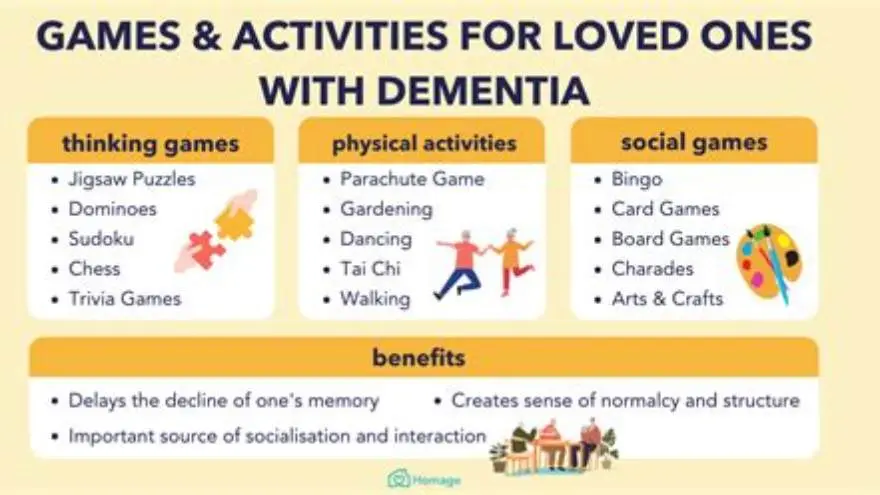
Activities that bring calm and a sense of success work best for dementia patients in hospital settings. These include simple puzzles, crafts, and conversation starters that do not overwhelm.
Large-print puzzles like word searches or crosswords with broad themes are easy to see and understand. Patients respond well to sensory activities such as folding soft cloth or sorting familiar objects.
Avoid tasks requiring complex memory recall or fine motor skills. Frustration can increase agitation and distress in hospital environments where patients feel vulnerable.
Some dementia patients respond better to activities linked to their past hobbies or jobs. For example, a former gardener might enjoy sorting artificial flowers or arranging leaves. This personal connection boosts engagement and lowers anxiety. People in this spot often ask about matching activities to dementia stages as well.
Not all activities suit every patient. If a patient shows signs of distress or agitation, switch to an easier task or try a sensory activity like listening to soft music. Monitoring patient reactions helps tailor activities day by day.
Activities with a social element, like group singing or simple group games, can improve mood and reduce loneliness. However, hospital infection control rules may limit group activities, so verify with staff before planning.
How to adapt activities to hospital constraints and patient abilities
Hospital rooms limit space and resources. Pick activities that need minimal supplies and can fit on a bedside table. Use large-print materials to compensate for common vision loss. The other half of this decision is success focused late stage tasks.
Adjust difficulty based on patient cognition and motor skills. Provide options ranging from very simple to moderately challenging. Some patients may need an activity guide to help.
Supervision matters. Choose tasks that caregivers can easily assist with. Avoid anything with small pieces or sharp tools to prevent injury.
Some hospital patients have limited mobility and cannot sit up for long. Adapt activities to be done lying down or with arm support. People in this spot often ask about sorting games for dementia patients as well.
Lighting varies in hospital rooms and can affect visibility. Bring a portable lamp or magnifier for large-print materials if needed.
Patient cognitive levels can fluctuate during a stay. Check daily if the patient can handle more complex puzzles or prefers very simple tasks. Flexibility improves participation and reduces frustration.
- Space: bedside table or lap tray needed
- Supplies: paper, large-print puzzles, soft materials
- Safety: no small parts, no sharp tools
- Difficulty: simple to moderate with clear instructions
- Support: caregiver involvement recommended
Examples of gentle activities suitable for hospital settings
Large-print word searches, simple crosswords, and easy sudoku puzzles engage patients visually and mentally without overwhelming them. It helps to understand conversation prompts for dementia before going further.
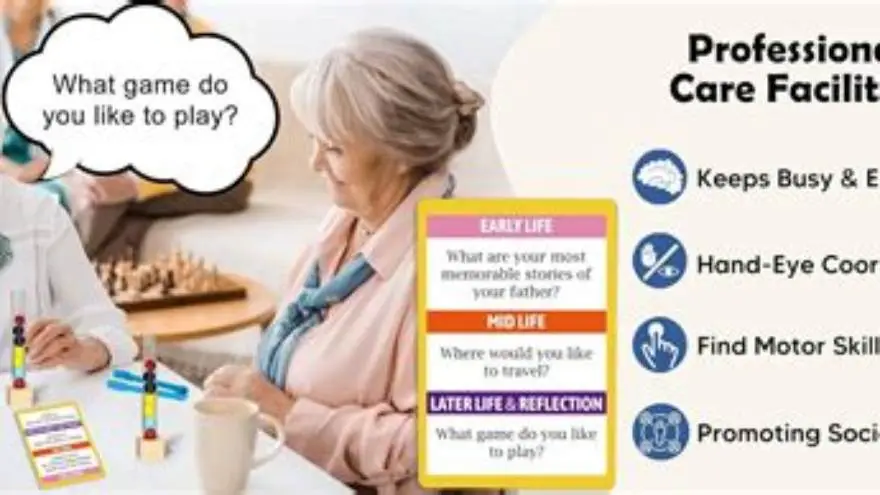
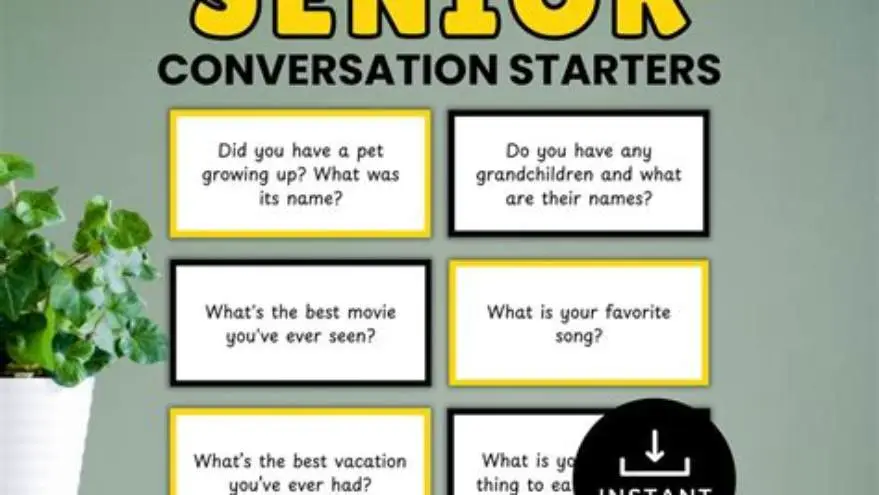
Conversation cards featuring familiar topics can prompt sharing memories and feelings, fostering connection with caregivers or family.
Sorting colored scarves, folding soft fabrics, or stringing large beads help with tactile stimulation and hand-eye coordination in a gentle way.
Albums with large photos or memory books encourage quiet reflection and storytelling, suited for hospital stays. We go through dementia books with memory aids step by step elsewhere on the site.
Simple hand massages or applying lotion can soothe patients and provide gentle tactile stimulation, fitting tight hospital routines.
Listening to familiar songs or nature sounds can engage patients non-verbally, offering comfort and reducing agitation.
Looking at picture cards of familiar objects or places can spark recognition and conversation. Use cards with clear images and minimal text to avoid confusion.
- Large-print puzzles: word searches, sudoku, crosswords
- Conversation cards: family, nature, holidays topics
- Gentle crafts: folding cloth, sorting scarves, stringing beads
- Memory books: photo albums, themed scrapbooks
How to use activity kits like Gentle Minds effectively in hospitals
The Gentle Minds Activity Kit offers over 130 printable pages of large-print activities at three difficulty levels. It suits varied patient abilities and hospital constraints by being printable on demand.
Caregivers can select activities from Gentle Minds based on patient mood and ability that day, avoiding frustration. Conversation cards stimulate meaningful interaction, reducing feelings of isolation.
The kit’s caregiver guide explains how to introduce activities gently and flexibly, matching hospital routines and patient stamina. It does not replace medical care but provides distraction and comfort.
One limitation: the kit focuses on engagement and enjoyment and is not a therapy or clinical treatment tool.
| Feature | Benefit in hospital |
|---|---|
| Three difficulty levels | Matches patient ability daily |
| Printable pages | Fits hospital space and supply limits |
| Conversation cards | Supports social and emotional engagement |
| Caregiver guide | Helps staff introduce activities gently |
- Printable on demand for any hospital stay length
- Three difficulty levels adapt to patient needs
- Includes conversation cards to enhance connection
- Caregiver guide supports proper use
- Not designed for medical treatment
- Requires some caregiver preparation
- No physical components included
How to plan and introduce activities for dementia patients in hospitals
Begin by assessing the patient’s current interest, energy level, and cognitive function each day. Choose activities matching these factors to avoid fatigue or confusion.
Use short sessions of 10-20 minutes to prevent overload. Repeat favored activities to build familiarity and confidence.
Set up a calm environment, with good lighting and minimal noise. Have all materials ready to reduce distractions and frustration.
Involve family members or caregivers in delivering activities. Their presence often increases patient comfort and participation.
- Assess patient abilities and mood at the start of the day.
- Select suitable activities based on assessment.
- Prepare materials and environment for comfort.
- Engage patient gently, watching for signs of frustration.
- Adjust or stop activity if patient becomes distressed.
- Repeat or try different activities as appropriate.
Activities for dementia patients in the hospital
Hospitals demand safe, manageable dementia activities that do not rely on complex memory or fine motor skills. Large-print puzzles, like those in Gentle Minds Activity Kit, fit well.
This kit gives you immediate access to hundreds of pages suitable for varied patient needs, easing the stress of finding daily activities that soothe and engage.
It supports caregivers by providing conversation prompts and a planning guide, making it easier to maintain a calming routine even in a busy hospital.
If you prefer a free alternative, creating your own large-print word searches using free online tools can work, but it requires more effort and lacks the conversation and guidance elements.
Choosing a ready-made, well-structured kit like Gentle Minds saves time and reduces caregiver burden while ensuring activities remain dementia-friendly.
Questions people still ask
Can hospital staff safely manage dementia activities without special training?
Yes, simple dementia-friendly activities like large-print puzzles and conversation cards need minimal training. Kits with guidance help staff use them effectively and avoid frustration.
How often should activities be offered during a hospital stay?
Short sessions once or twice daily, lasting 10-20 minutes, are ideal. Patients tire easily, so frequent breaks prevent overload and keep engagement positive.
Are digital puzzles better than printed ones in hospitals?
Printed puzzles usually work better. They require no device handling, reduce confusion, and are easier to adapt for vision and motor skill limits common in dementia.
How do conversation cards help dementia patients in hospitals?
Cards prompt memories and social interaction, reducing feelings of isolation. They create moments of connection without demanding complex recall or verbal ability.
Is the Gentle Minds Activity Kit suitable for all stages of dementia?
The kit covers three difficulty levels, making it adaptable for mild to moderate dementia. Severe stages may require more personalized, hands-on approaches beyond the kit’s scope.
Ready to try it? It provides printable, large-print activities at multiple levels designed specifically for memory loss and hospital constraints.
Use printable dementia activities