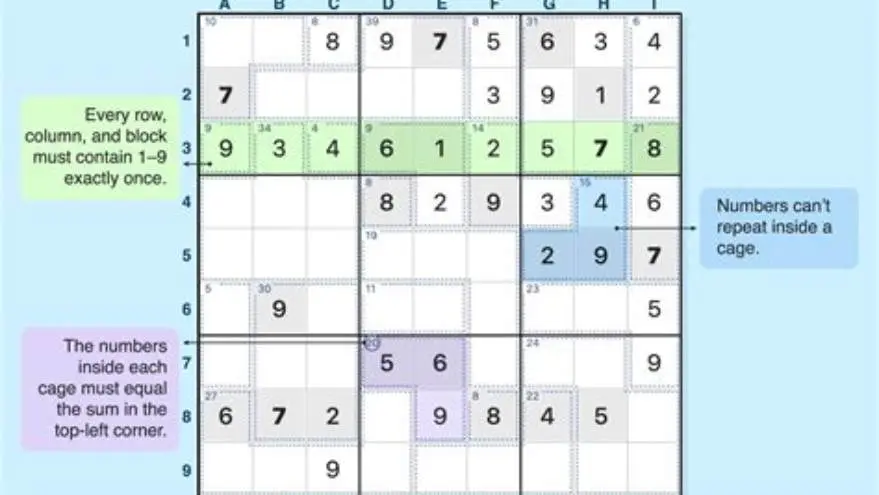
Easy sudoku for seniors: 4 clear tips that simplify solving puzzles
Simple, effective sudoku tips designed for older adults to solve puzzles easily using large print and clear step-by-step methods.
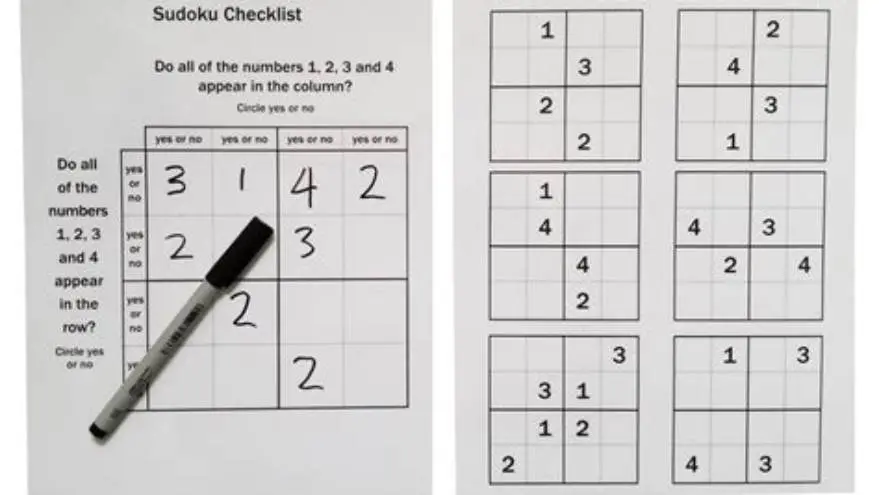
Easy sudoku tips for older adults center on using large-print puzzles, breaking the puzzle into sections, using memory aids like pencil marks, and following step-by-step tactics to reduce errors and frustration.
On this page (8 sections)
Part of our guide on easy sudoku large print
| Large print size | 16-24 pt |
|---|---|
| Puzzle size | Usually 9x9 grid |
| Common memory aid | Pencil marks |
| Typical sudoku difficulty | Easy to medium |
| Recommended breaks | Every 20-30 min |
Key takeaways
- Use large-print sudoku to reduce eye strain and errors.
- Approach puzzles by dividing them into smaller, manageable sections.
- Utilize pencil marks as memory aids for possible numbers.
- Follow logical, stepwise tactics to progress without guessing.
- Avoid rushing; take breaks to maintain focus and reduce frustration.
How to approach easy sudoku puzzles
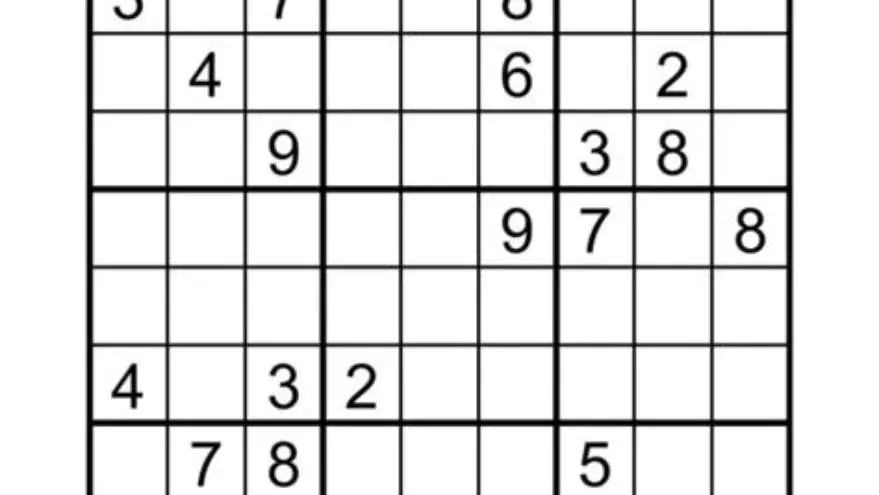
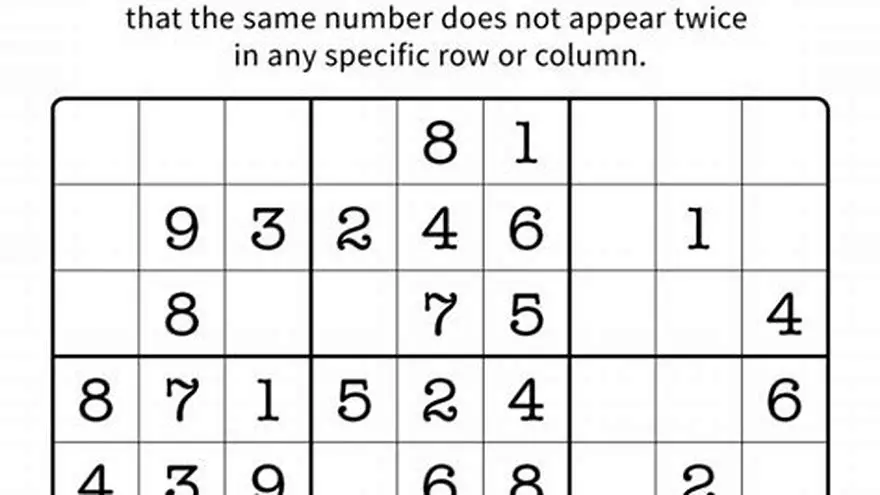
Start easy sudoku puzzles by focusing on one box or row at a time. Each sudoku grid has 9 boxes of 3x3 cells, where you fill digits 1 to 9 without repetition. Concentrate on filling a single box before moving on to the next to avoid feeling overwhelmed.
Breaking the puzzle into smaller sections limits visual clutter and reduces the chances of making mistakes. If one area seems tough, shift temporarily to another box or row to keep progress steady without frustration.
Keep the puzzle relaxed by marking possible numbers lightly with a pencil. This stepwise approach builds confidence and avoids guesswork, which can cause confusion and errors later.
Sometimes, the difficulty in easy sudoku puzzles arises not from the complexity of logic but from overlooking simple clues. For example, if a particular digit appears in nearly all rows except one within a box, it can be easier to identify the missing spot by scanning that box thoroughly. This technique, called 'single candidate,' means if only one cell in a box can contain a number, it must be placed there immediately. There is more on teach sudoku to a grandparent in a separate guide.
Another helpful check is reviewing each row, column, and box after placing a number to ensure no duplicates occur. If a repeated number is found, tracing back recent placements can reveal a mistake early, preventing the need to restart. This error-checking habit is especially useful for seniors, as it encourages patience and methodical solving without rushing.
Memory aids or strategies for seniors
Using pencil marks to note possible numbers in each cell helps track options without relying solely on memory. These small, light numbers act as visual reminders and reduce cognitive load.
Another memory aid is the 'process of elimination': when a number exists elsewhere in a row, column, or box, you can exclude it from certain cells. Writing these eliminations down or marking cells with dots can guide you forward. Before you commit to anything, it is worth looking at easy number challenges for seniors.
For seniors with mild memory challenges, repeating these steps regularly builds familiarity and confidence. Using large-print puzzles allows clearer visibility of these marks, which is crucial when working with small details.
Seniors might also benefit from grouping numbers mentally to ease tracking. For instance, when pencil marking candidates, focusing first on the numbers 1 to 5 before moving to 6 to 9 can simplify the process. This segmentation reduces the amount of information held in working memory at once, making it less overwhelming.
A practical memory aid is to verbalize the logic aloud or explain the reasoning steps to oneself or a companion. This externalization strengthens recall and clarifies thought processes. For example, stating “Number 7 must go here because it’s missing from this column and the box” reinforces the reasoning and reduces cognitive errors. Before you commit to anything, it is worth looking at 6x6 sudoku printable large print.
Using color-coded pencils or pens to mark different candidate numbers can also help. Assigning a specific color to certain digits or to confirmed numbers versus candidates visually separates information, assisting seniors in quicker recognition and reducing mistakes due to confusing pencil marks.
Importance of large-print format for clarity
Large-print puzzles use font sizes typically from 16 to 24 points, which is significantly larger than standard sudoku print. This size difference makes reading numbers easier for seniors with low vision or eye strain.
The bigger cells reduce crowding of pencil marks and allow easier writing of notes. Large print also helps in quickly spotting which numbers are missing in a row, column, or box, speeding up the logical deduction. The other half of this decision is mastering expert sudoku puzzles.
Without large print, older adults may struggle with squinting or misreading digits, which leads to frequent errors and frustration. Clear, bold numerals and well-spaced grids improve accuracy and enjoyment.
Large-print formats not only improve clarity but also enhance comfort during extended solving sessions. For example, puzzles printed with font sizes of 20 points or higher provide enough spacing to prevent eye strain over 30-minute or longer periods, which is common among seniors.
In addition to font size, the contrast between numbers and the background plays a significant role. High contrast printing, such as black numbers on a white or pale yellow background, improves visibility for those with cataracts or early macular degeneration, conditions prevalent among older adults.
When using digital devices like tablets, seniors can adjust the zoom and brightness to emulate large-print conditions. Some sudoku apps allow font size customization up to 24 points or more, which can be useful for those who prefer electronic puzzles but require clearer visuals.
Step-by-step tactics that reduce frustration
Begin with the simplest method: scan each row, column, and box for numbers that appear eight times already, leaving only one cell for the missing digit. This method often yields quick wins and builds momentum.
Next, apply the process of elimination using pencil marks. Write small possible numbers in cells and update them as you fill in confirmed values. When a pencil mark becomes the only option in a cell, convert it into a permanent number.
Avoid guessing; instead, rely on logic. Taking breaks every 20 to 30 minutes maintains concentration and prevents error accumulation. If stuck, return to earlier, easier sections or use a large-print puzzle generator for practice.
- Scan rows, columns, and boxes to find numbers that can only fit in one cell.
- Use pencil marks to note all possible numbers in uncertain cells.
- Look for cells where only one pencil mark remains and fill them in.
- Update pencil marks as you fill in confirmed numbers.
- Take breaks to maintain focus and reduce mistakes.
Easy sudoku tips for older adults
Easy sudoku tips for older adults combine large-print puzzles, stepwise logic, and memory aids. Choose puzzles labeled 'easy' with minimal advanced techniques to keep the game approachable.
Use large-print puzzles to avoid eye strain and enable clear pencil marking of potential numbers. Focus on one small area at a time and apply systematic scanning methods to identify missing digits.
Incorporate breaks to prevent tiredness, and keep a pencil and eraser handy to adjust as you progress. These tips reduce frustration and make solving sudoku a relaxing activity.
Tools like BigPrint Puzzle Studio enable you to easily create or print large-print sudoku puzzles tailored for older adults, saving time compared with hunting for suitable puzzles online.
How to create or find large-print sudoku puzzles for seniors
You can find large-print sudoku puzzles free online or in print publications aimed at older adults. However, sources vary in print size and puzzle difficulty, so testing a few can identify which suit your needs best.
Creating custom large-print puzzles is made easier with tools like BigPrint Puzzle Studio. It allows you to generate sudoku with 16, 20, or 24 pt font, adding answer keys and page numbers automatically.
This tool is especially helpful for caregivers, activity directors, or family members who want puzzles tailored for a specific senior’s ability. It saves time over manual formatting and ensures puzzles are visually accessible.
Alternatively, free printable sudoku generators often have font size options but may lack the polish or themed options BigPrint Puzzle Studio offers, so your choice depends on convenience and visual needs.
- Custom font sizes 16-24 pt
- Automatic answer keys
- Ready to print or sell puzzles
- Saves formatting time
- Not free (one-time payment)
- Designed for puzzle creation, not medical aid
- Requires basic computer skills
Questions people still ask
What font size is best for large-print sudoku for seniors?
Fonts between 16 and 24 points are generally comfortable for older adults with low vision. Larger fonts reduce eye strain and facilitate clearer marking of pencil notes.
Can memory loss affect sudoku solving for seniors?
Yes, mild memory challenges can make tracking possible numbers harder. Using pencil marks as a memory aid and working step-by-step helps reduce this issue.
Are there sudoku puzzles designed specifically for seniors?
Some publishers and online tools offer puzzles labeled 'easy' with large print and simplified layouts to make solving more accessible for older adults.
How often should seniors take breaks when solving sudoku?
Taking breaks every 20 to 30 minutes helps maintain focus and prevents errors caused by fatigue or eye strain.
Is guessing ever a good strategy in sudoku?
Guessing often leads to frustration and mistakes, especially for beginners. Logical deduction and pencil marks are preferred for steady progress.
Ready to try it? it simplifies creating and printing large-print sudoku puzzles designed specifically for seniors’ visual and cognitive needs
Create large-print puzzles