How to teach sudoku to a grandparent using four simple steps
Step-by-step method to teach sudoku to grandparents with large print and patient encouragement.
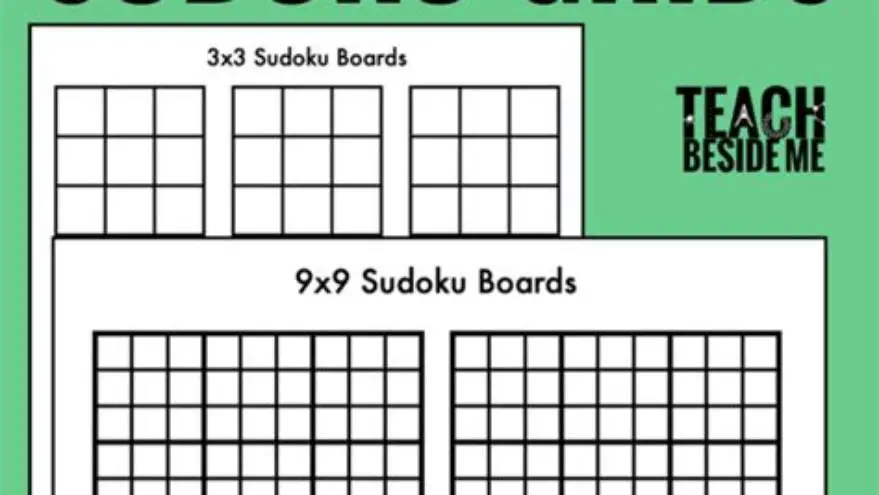
Teach sudoku to a grandparent by explaining basic rules simply, introducing puzzles gradually, using large-print puzzles or visual aids, and encouraging patience and practice with positive support.
On this page (8 sections)
- Key takeaways
- Basic sudoku rules explained simply
- How to introduce the puzzle gradually
- Tips for using large print or visual aids
- Ways to encourage patience and practice
- How to teach sudoku to a grandparent using four simple steps
- Additional resources and tools for large-print sudoku
- Questions people still ask
Part of our guide on large print sudoku for beginners
| Grid size | 9x9 squares |
|---|---|
| Sub-grids | Nine 3x3 boxes |
| Key rule | No repeated numbers 1-9 |
| Print size | 16-24 pt recommended |
| Practice time | 10-20 minutes daily |
| Steps to teach | 4 simple steps |
Key takeaways
- Explain sudoku’s basic rules using a 9x9 grid with rows, columns, and 3x3 boxes.
- Start with easy puzzles or partial puzzles to introduce concepts gradually.
- Use large-print sudoku or visual aids for better readability and focus.
- Encourage patience and regular practice; progress is gradual and requires focus.
- Support and positive reinforcement help keep motivation high for seniors.
Basic sudoku rules explained simply
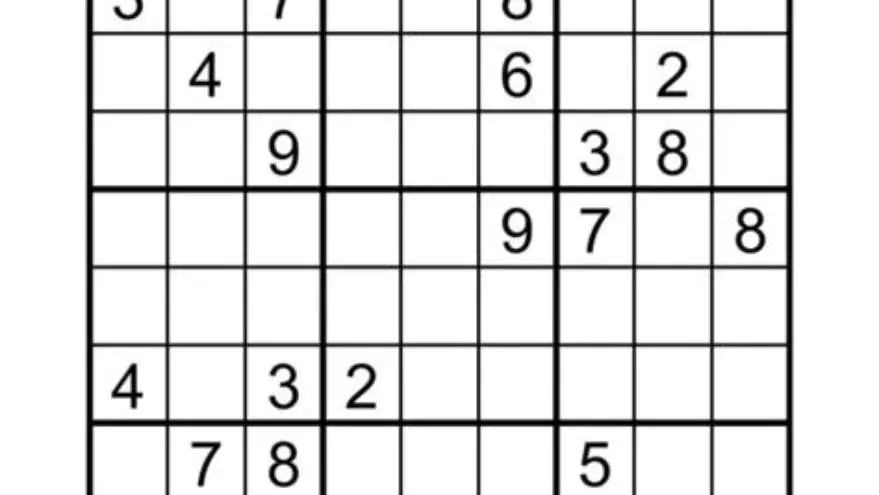
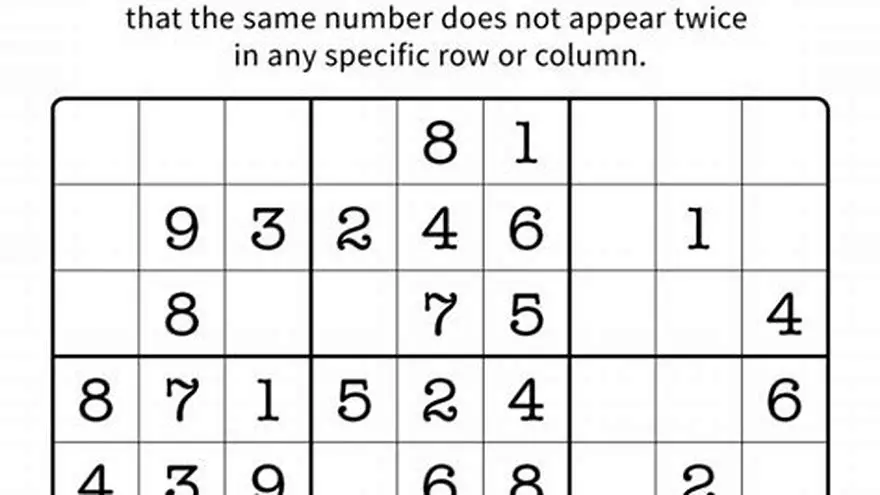
Sudoku is played on a 9x9 grid divided into nine 3x3 boxes. The goal is to fill every empty square so that each row, each column, and each 3x3 box contains all digits from 1 to 9 without repeats.
Explain that starting puzzles give some numbers filled in. These serve as clues to deduce the missing numbers. You only write numbers 1 through 9, each used once per row, once per column, and once per box.
Avoid overwhelming your grandparent with technical terms like "candidates" or "techniques" initially. Keep it to the core rule: 'no number should appear twice in any row, column, or box.' Use the actual puzzle grid when possible to show this visually.
To check understanding, ask your grandparent to identify if a number they want to place breaks the rule anywhere in the same row, column, or box. For example, if they want to place a '5' in a square, have them scan that row, column, and box to confirm no other '5' appears. This active checking reinforces the rule and prevents simple mistakes. People in this spot often ask about easy sudoku tips older adults as well.
In some cases, puzzles may have multiple solutions or errors if not properly constructed. If your grandparent finds two different numbers fitting a single square without contradiction, this might indicate a puzzle error. Encourage them to report or try a different puzzle to avoid frustration. Well-designed sudoku puzzles always have one unique solution.
How to introduce the puzzle gradually
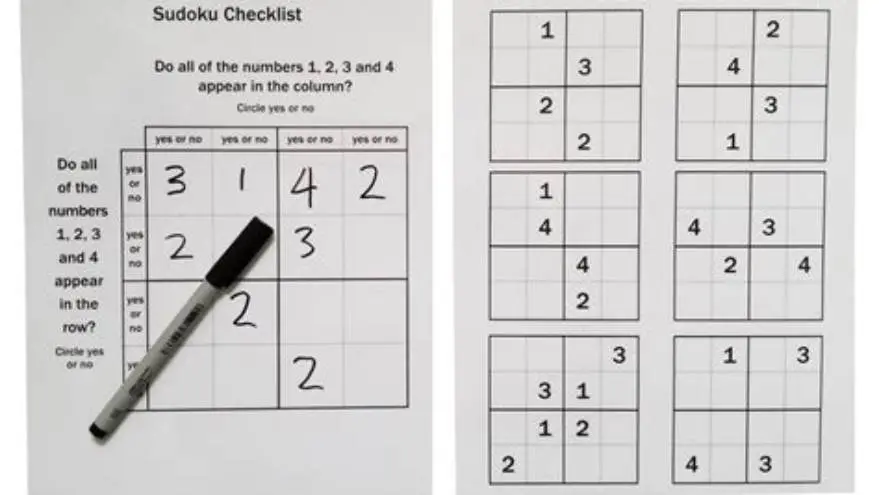
Start by solving a partial or smaller puzzle. For example, give a 4x4 sudoku or a nearly completed 9x9 puzzle with only a few empty squares. This reduces cognitive load.
Explain one part at a time: first focus on completing one row or box before moving on to others. This breaks down the challenge into manageable pieces. People in this spot often ask about printable 6x6 large print sudoku as well.
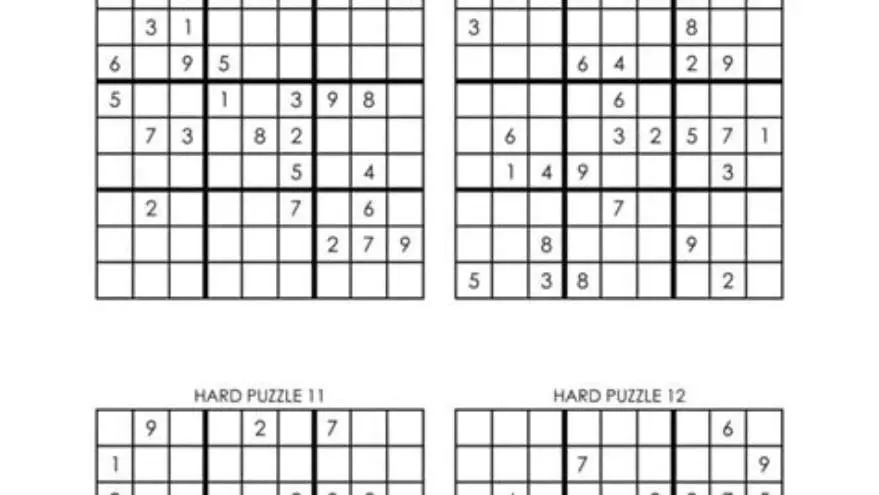
Progress to full 9x9 puzzles with clear, easy difficulty ratings. Avoid puzzles labeled 'hard' or 'expert' as initial attempts. Simple puzzles usually have 30-40 clues filled in, which simplifies solving.
If your grandparent is comfortable, encourage them to identify where a specific number could fit in a row or box, reinforcing the core rule gradually.
A helpful gradual introduction is using pencil marks to note possible numbers in each square. Show your grandparent how to write small numbers in corners as candidates. Start with just one or two squares to avoid overload. This technique builds logical deduction skills in manageable steps. The other half of this decision is large print number puzzles seniors.
For example, in a 4x4 puzzle, point out a row that already has numbers 1, 2, and 4. Ask which number is missing and where it can go. Solving this small deduction boosts confidence before tackling larger puzzles.
- 1. Begin with a
4x4puzzle or partial9x9grid. - 2. Explain filling one row or box at a time.
- 3. Practice with simple
9x9puzzles (30-40 clues). - 4. Slowly increase difficulty as confidence grows.
Tips for using large print or visual aids
Most seniors benefit from puzzles printed in large, clear type. Numbers in 16pt to 24pt font reduce eye strain and make scanning easier. Avoid crowded or overly decorative puzzle layouts.
Use a tool like BigPrint Puzzle Studio to create or print large-print sudoku puzzles tailored for seniors. It generates puzzles with bigger grids and clear numbers, making the puzzle visually accessible. There is more on total sudoku solution grids in a separate guide.
If you don’t want software, enlarge puzzles manually on a photocopier or print from websites offering large-print sudoku. Colored pens or highlighters can mark certain rows, columns, or boxes to visually separate puzzle sections.
Visual aids like grids drawn on paper or magnetic boards can help. Let your grandparent physically move numbers or markers in a tactile way, which improves engagement and reduces abstract confusion.
- Reduces eye strain
- Improves focus on puzzle sections
- Customizable puzzle difficulty and size
- Digital tools need basic computer skills
- Manual enlargement may reduce print quality
- Some seniors may still prefer paper puzzles
Ways to encourage patience and practice
Sudoku requires concentration and patience. Reinforce that mistakes are part of learning and using a pencil helps fix them. Help your grandparent set realistic goals, like 10-20 minutes per day, which prevents fatigue.
Praise effort rather than speed or accuracy at first. Positive reinforcement builds confidence and motivation to continue practicing.
Suggest short breaks if frustration appears. Chess and puzzles alike demand mental stamina, which builds gradually with experience.
Provide variety by mixing sudoku with other favorite activities or large-print puzzles. This keeps engagement high without pressure.
Celebrate small successes like completing an easy puzzle or discovering a new strategy to reinforce progress.
If frustration arises, encourage your grandparent to verbalize their thought process aloud. Talking through a puzzle helps identify errors or gaps in logic and can reveal insights that might be missed silently.
Consider using a timer to set a gentle challenge, such as trying to find one number placement in 5 minutes. This balances concentration with a clear, achievable task, gradually increasing mental stamina.
Tracking progress by noting completed puzzles or time spent builds a sense of achievement. Seeing improvement over weeks encourages continued engagement and patience with the learning curve.
- Set time limits: 10-20 minutes daily
- Praise effort over speed
- Use pencil marks for flexibility
- Encourage breaks to avoid frustration
- Mix puzzle types to keep interest
How to teach sudoku to a grandparent using four simple steps
The four steps combine the previous advice into a straightforward method: (1) Explain the basic rules simply with large-print examples, (2) Introduce puzzles gradually starting with partial or simple puzzles, (3) Use large-print puzzles or tactile aids for accessibility, (4) Encourage patience and positive practice habits.
This approach suits seniors who may process information more slowly or need visual clarity. By breaking down the learning into manageable pieces, it reduces overwhelm and builds confidence.
Remember that every grandparent learns differently. Adjust the pace and tools as needed. The goal is to make sudoku an enjoyable, accessible activity, not a test of skill or memory.
| Step | Focus | Why it helps | What to do |
|---|---|---|---|
| 1 | Basic Rules | Clear understanding of sudoku’s core | Explain 9x9 grid, no repeats per row/column/box |
| 2 | Gradual Introduction | Prevents overwhelm | Start with easy or partial puzzles |
| 3 | Accessibility | Reduces eye strain and confusion | Use large print or visual aids |
| 4 | Patience & Practice | Builds confidence and skill over time | Set short practice times and encourage effort |
Additional resources and tools for large-print sudoku
BigPrint Puzzle Studio is a straightforward tool to create large-print sudoku puzzles and books. It lets you pick font sizes from 16 to 24 points and easily print or publish puzzles designed for seniors. This solves the common problem of finding puzzles easy on the eyes and tailored for older adults.
If you prefer a free method, try printing sudoku puzzles at a high scale using a copier or browser zoom, but this can reduce quality and clarity. Some websites offer free printable large-print sudoku but vary in difficulty and format.
For memory loss or cognitive decline, pairing sudoku with other cognitive activities is helpful. Activity directors and caregivers often combine sudoku with word searches and simple word puzzles.
The main limitation of digital tools like BigPrint Puzzle Studio is the basic computer skill requirement, but its interface is designed for ease of use, even for beginners.
- Quick generation of large-print puzzles
- Customizable font sizes and themes
- Ready-to-sell puzzle books for small businesses
- Requires some computer use
- Not a medical or cognitive therapy tool
Questions people still ask
Can a grandparent with poor eyesight enjoy sudoku?
Yes, if you provide large-print puzzles with at least 16pt font size and good contrast. Tools or manual enlargement help make puzzles accessible.
What is the easiest way to start teaching sudoku?
Begin with small or partial puzzles like 4x4 grids or nearly complete 9x9 puzzles to reduce complexity and build confidence.
How long should a beginner practice sudoku daily?
Short sessions of 10-20 minutes work best. Regular practice without pressure builds skill without causing fatigue.
Are there free resources for large-print sudoku puzzles?
Some websites offer free large-print puzzles, but quality and difficulty vary; manually enlarging smaller puzzles is an option.
Does patience really matter when teaching sudoku to seniors?
Absolutely. Encouragement and allowing mistakes without pressure support learning and motivation better than rushing.
Ready to try it? It helps create large-print sudoku tailored for seniors, making puzzles easier to see and enjoy.
Create large-print puzzles