Which easy games fit mild, moderate, or advanced dementia stages best
Games for seniors with dementia depend on stage: mild dementia suits simple card games, word matching, and gentle physical activity; moderate dementia calls for sorting tasks, picture matching, and sensory play; advanced dementia responds best to music, touch-based sensory activities, and one-step actions with no rules.
On this page (8 sections)
- Quick recap
- How dementia stage shapes which games bring success instead of confusion
- Games that work for mild dementia: familiar structure with one rule at a time
- What moderate dementia needs: sorting, sensory cues, and no abstract rules
- Advanced dementia: music, touch, and one-step sensory experiences
- How to simplify any game so it feels easier and not like a test
- When to stop, what frustration looks like, and how to end on a good note
- Still wondering?
Part of our guide on activities for all dementia stages
Key figures
- Mild stage games
- Simple cards, word match, ball toss
- Moderate stage games
- Sorting, picture pairs, sensory bins
- Advanced stage games
- Music, touch, scent, one-step tasks
- Rule limit
- One rule at a time, repeated gently
- Session length
- 10-20 minutes, stop before fatigue
- Success measure
- Engagement and calm, not score
Quick recap
- Mild dementia: use simplified card games, word matching, and ball toss with one rule at a time
- Moderate dementia: focus on sorting by color or shape, picture matching, and sensory objects like textured fabrics
- Advanced dementia: offer music, scented items, soft textures, and one-step actions without keeping score
- Adapt any game by reducing choices, removing time pressure, and celebrating every attempt
- Watch for frustration signs and stop before the activity feels like a test
How dementia stage shapes which games bring success instead of confusion

Dementia changes which games feel enjoyable and which ones trigger anxiety. In mild dementia, a person can usually follow a simplified version of a familiar game with one or two rules. Memory lapses appear, but reasoning and social awareness remain mostly intact. Games that rely on matching, sorting by obvious features, or gentle physical coordination still work.
Moderate dementia narrows the window further. Abstract rules vanish, and keeping score becomes meaningless. The person may not remember the game's name or how it started, but they can still sort objects by color, match identical pictures, or respond to sensory cues like texture and weight. Success here comes from activities that feel purposeful without requiring recall.
Advanced dementia removes the concept of a game entirely. The person lives in the present moment, with little language and limited recognition of objects or people. What matters now is sensory comfort: music that stirs emotion, fabrics that invite touch, scents that feel familiar. There are no turns, no winners, no instructions. The activity is simply being together in a way that feels safe.
Choosing the wrong game for the stage leads to visible distress. A moderate-stage person handed a deck for Go Fish will sit silent, holding the cards without knowing what to do. An advanced-stage person asked to sort buttons may sweep them onto the floor. The mismatch is not stubbornness. It is the brain's inability to process what the game asks for. Before you commit to anything, it is worth looking at tabletop activities for dementia stages.
Games that work for mild dementia: familiar structure with one rule at a time
Mild dementia suits games the person played before, stripped to their simplest form. A game of matching pairs works if you use large, clear pictures and lay all cards face-up, removing the memory test. The person matches identical images without the pressure of recalling where each card sat. This keeps the social rhythm of taking turns without the cognitive load.
Simple card games like sorting a deck by color or suit, or matching number cards to a sample, give the hands something to do. Use a single deck, remove the face cards, and ask the person to group reds and blacks. No scoring, no winners. The task feels orderly and the result is visible. If confusion appears, stop and switch to something else.
Word-matching activities with large print let the person pair words to pictures or group words by category. Keep categories broad: animals, foods, tools. Use 8 to 12 words at most, printed in at least 18-point type. The Gentle Minds Activity Kit, which we make, offers word-and-picture matching pages at three difficulty levels, along with conversation cards that prompt reminiscence without testing recall. It works well here because the Gentle level uses simple, high-contrast images and no time limit. It is not therapy; it is a way to spend time without the person feeling quizzed. Skip it if the person no longer reads comfortably or if printed pages feel too much like schoolwork. For the detail, see our notes on matching game for seniors.
Gentle physical games like rolling a soft ball back and forth, tossing beanbags into a wide basket, or balloon volleyball keep the body moving without complex rules. The person can see the target, the action is immediate, and there is no penalty for a miss. Sessions of 10 to 15 minutes usually hold attention before fatigue sets in.
- Matching pairs: lay all cards face-up, use 6 to 10 pairs, match by picture only
- Card sorting: group by color or suit, no face cards, no scoring
- Word matching: pair words to pictures, use broad categories, 8 to 12 words max
- Ball toss: soft ball or beanbag, wide target, no keeping score
What moderate dementia needs: sorting, sensory cues, and no abstract rules
Moderate dementia removes the ability to follow multi-step instructions or remember what happened two minutes ago. Games now succeed when they ask for one action, repeated: sort, match, stack, fold. The person may not recall the activity's name, but the hands still know what to do with familiar objects.
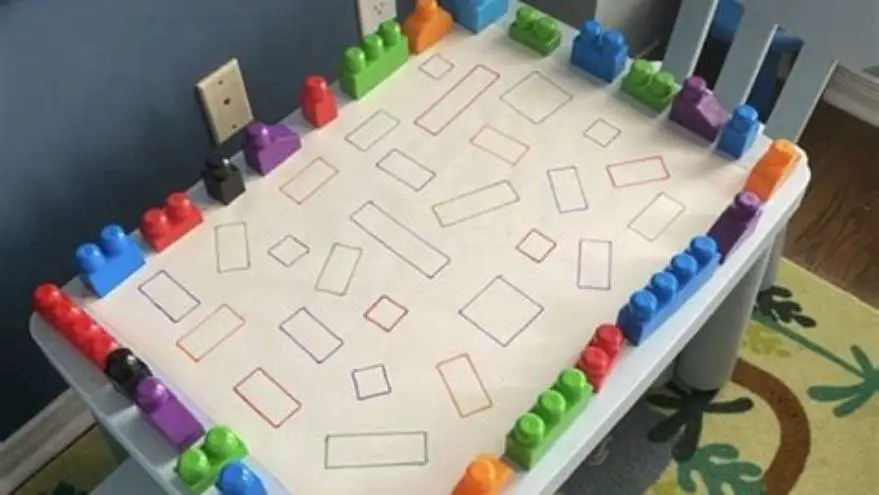
Sorting tasks work reliably. Offer a tray of large buttons, fabric squares, or plastic coins in three or four colors. Ask the person to put reds in one bowl, blues in another. Use bowls with high contrast to the objects so the target is obvious. The task has a visible beginning and end, and the result feels orderly. Some people will sort the same tray contentedly for 20 minutes. Before you commit to anything, it is worth looking at dementia activities engaging men.
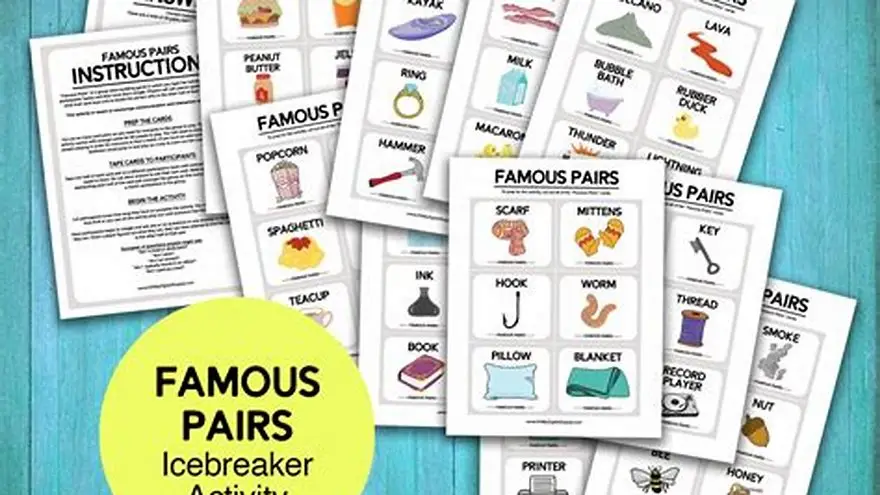
Picture matching with identical photographs rather than memory cards keeps the activity concrete. Use 6 to 8 pairs of large, clear images: a dog, a teacup, a rose. Lay half the pictures in a row and hand the person the matching set one at a time. They place each picture beside its twin. No memory, no guessing, just matching what they see.
Sensory bins filled with textured objects invite touch and exploration without rules. A shallow box holding smooth stones, soft fabric scraps, large wooden spools, and silk flowers gives the hands something purposeful to do. Some people will sort by texture, others by size. There is no wrong outcome. The activity is the handling itself.
Folding tasks tap procedural memory. Hand towels, cloth napkins, or large fabric squares can be folded and stacked. The motion feels familiar even when the person cannot name what they are doing. Keep the stack small so it does not become overwhelming.
| Activity | What to use | What the person does | Session length |
|---|---|---|---|
| Sorting by color | Buttons, fabric squares, 3-4 colors | Places each color in its bowl | 10-20 minutes |
| Picture matching | 6-8 identical photo pairs, large and clear | Lays each picture beside its match | 10-15 minutes |
| Sensory bin | Textured objects: stones, fabric, spools | Handles, sorts, or simply touches | 15-25 minutes |
| Folding task | Hand towels or cloth napkins | Folds and stacks | 10-20 minutes |
Advanced dementia: music, touch, and one-step sensory experiences
Advanced dementia strips away language, recognition, and the concept of a game. The person may not respond to their own name or understand an instruction. What remains is sensory response: a smile at a familiar song, a hand reaching for soft fabric, a calm posture when held. Activities here are not games. They are moments of connection through the senses.
Music reaches people when words do not. Play songs from the person's youth, especially those tied to emotion: hymns, big-band standards, folk tunes, lullabies. Watch for a foot tap, a hum, a softening of the face. You do not need the person to sing or clap. The response may be stillness and a faraway gaze that feels peaceful. That is engagement.
Touch-based activities use texture and weight. Offer a soft stuffed animal, a silk scarf, a smooth wooden ball, a soft brush. The person may stroke the fabric, hold the ball, or press the brush to their arm. There is no goal. The sensation is the activity. Some people find comfort in folding and unfolding a small blanket or running fingers through a basket of silk flowers.
Scent can calm or stir memory. A lavender sachet, a piece of orange peel, a cotton ball dabbed with vanilla extract, or a sprig of rosemary can prompt a visible response. Hold the scent near the person's nose, name it gently, and watch. Some people close their eyes and breathe deeply. Others turn away. Honor both.
One-step actions like winding yarn into a loose ball, stacking soft fabric blocks, or placing large pegs into a board give the hands something to do. The person may repeat the action once or a dozen times, or stop after a single try. There is no failure. The activity exists only as long as the person is engaged, and it ends the moment they look away.
- Music: songs from the person's youth, especially tied to emotion or ritual
- Texture: soft fabrics, smooth wood, stuffed animals, silk scarves
- Scent: lavender, vanilla, citrus peel, rosemary, one at a time
- One-step tasks: winding yarn, stacking soft blocks, placing pegs
How to simplify any game so it feels easier and not like a test
Most games can be adapted to fit a lower stage by removing steps, shrinking choices, and eliminating time pressure. The first change is to cut the number of pieces. A word search with 15 words becomes one with 5. A card game with 52 cards shrinks to 20, all face cards removed. Fewer pieces mean less to track and less overwhelm.
Drop the scoring. Keeping track of points, counting turns, or declaring a winner adds a layer of abstraction that confuses people with dementia. Instead, the game is simply doing the activity: matching the cards, finding the words, tossing the beanbag. The session ends when the person seems ready, not when someone wins.
State one rule at a time, and repeat it gently as often as needed. Instead of explaining the full game upfront, demonstrate the first action: "Let's put the red buttons in this bowl." After a few repetitions, add a second color if the person seems comfortable. If confusion returns, go back to one color.
Remove time limits entirely. A timed game becomes a test. An open-ended activity feels like spending time together. If the person pauses mid-task to look out the window or talk about something unrelated, let the pause happen. Return to the game only if they seem interested.
Use large, high-contrast materials. Cards and pictures should be at least 3 by 4 inches, printed in bold colors with clear borders. Words should sit in 18-point or larger type, in a plain sans-serif font. Low vision is common in older adults, and squinting at small print adds frustration to an already difficult task.
Celebrate effort, not accuracy. If the person puts a blue button in the red bowl, smile and say, "You found a button." Do not correct unless they ask for help. The goal is to feel capable, not to perform correctly.
| Original game | Adaptation | What it removes |
|---|---|---|
| Matching pairs (memory) | Lay all cards face-up | Memory requirement |
| Word search with 15 words | Shrink to 5 words, large print | Visual clutter, scanning load |
| Card game with scoring | Sort by color only, no score | Abstract rules, winning/losing |
| Timed beanbag toss | Remove timer, toss until ready to stop | Pressure, performance anxiety |
When to stop, what frustration looks like, and how to end on a good note
Knowing when to stop is as important as choosing the right game. People with dementia often cannot say, "I'm tired" or "This is too hard." Instead, frustration appears as body language: looking away, fidgeting, pushing materials aside, going silent, or standing up. These signals mean the activity has stopped working.
Plan for 10 to 20 minutes in mild dementia, 10 to 15 minutes in moderate, and 5 to 10 minutes in advanced stages, but treat those as rough guides. Some days the person will engage for longer; other days they will lose interest in two minutes. Both are normal. The right session length is the one that ends before frustration begins.
Stop at the first sign of distress. If the person's face tightens, if they sigh heavily, if they stop making eye contact, the activity is no longer enjoyable. Smile, put the materials away calmly, and suggest something else: a snack, a walk, sitting together quietly. Do not ask why they stopped or try to coax them back. The moment has passed.
End on success whenever possible. If the person matched two pictures, sorted one color, or tossed the beanbag once, that is enough to close the session. Say something warm and specific: "You found both the red ones" or "That was a good toss." Avoid vague praise like "good job," which can sound condescending. Name what they did.
Some people feel sadness or shame after an activity, especially if they sense they struggled. Reassure them by talking about what you did together, not about how well they did: "I liked sitting here with you" or "That was a nice way to spend the morning." The goal is connection, and that goal was met the moment you sat down together.
- Watch for: looking away, fidgeting, sighing, pushing materials aside, silence, standing up
- Session length: 10-20 minutes (mild), 10-15 minutes (moderate), 5-10 minutes (advanced)
- Stop at the first sign of distress, without asking why or coaxing them to continue
- Close with specific, warm words about what they did, not how well they did it
Still wondering?
Can someone with dementia play card games like Go Fish or Uno?
In mild dementia, yes, if you simplify the rules to one or two steps and remove the need to remember what cards were played. Use a smaller deck, skip the scoring, and let the person sort or match by color or number instead. In moderate or advanced dementia, traditional card games are too abstract. Switch to sorting cards by suit or matching identical picture cards.
What if the person gets angry or upset during a game?
Stop immediately, put the materials away calmly, and do not ask what went wrong. The game asked for something the brain can no longer do, and that mismatch causes distress. Wait at least a day before trying a different, simpler activity. If anger appears often, the activities may all be too complex for the current stage.
How do I know if a game is too easy or too hard?
Too easy looks like disinterest: the person completes the task in seconds and looks away. Too hard looks like distress: confusion, fidgeting, silence, or pushing the materials aside. The right difficulty sits in between, where the person stays engaged for several minutes without visible frustration.
Should I correct mistakes during a game?
No, unless the person asks for help. Correcting mistakes makes the activity feel like a test and can trigger shame or withdrawal. If the person sorts buttons by size instead of color, let them. The goal is engagement, not accuracy.
Can physical games like ball toss help with dementia symptoms?
Physical games do not slow dementia progression, but they do keep the body moving, offer a shared activity, and can lift mood in the moment. Gentle ball toss, beanbag games, and balloon volleyball work well in mild and sometimes moderate dementia, as long as there is no pressure to perform and the person can see the target clearly.
Ready to try it? Provides ready-to-print activities at three difficulty levels, with no scoring or time pressure, so families can match tasks to the person's current abilities.
See the activity kit