Which table top activities fit mild, moderate, or severe dementia stages
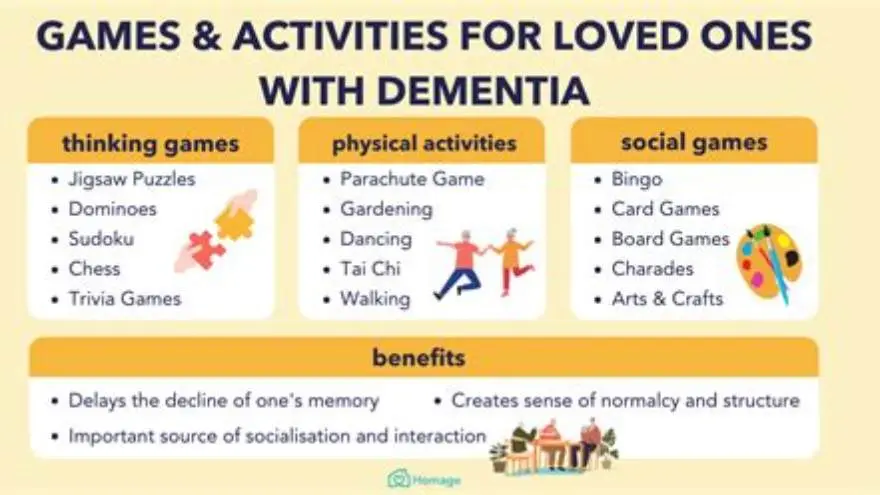
Match activities to what the person can still do comfortably. Mild dementia suits complex puzzles and card games; moderate dementia needs simpler tasks like sorting or matching; severe dementia responds to sensory activities like folding fabric or handling textured objects.
On this page (8 sections)
Part of our guide on activities for dementia patients simple
Key figures
- Mild dementia
- Multi-step puzzles, card games
- Moderate dementia
- Sorting, matching, single steps
- Severe dementia
- Sensory tasks, folding, stacking
- Activity length
- 10-20 minutes, shorter as dementia advances
- Key signal
- Switch when frustration outweighs success
Quick recap
- Mild stage: use puzzles, card games, and activities requiring multi-step thinking
- Moderate stage: switch to sorting, matching, and single-step tasks with clear outcomes
- Severe stage: offer sensory experiences like folding, stacking, or handling familiar objects
- Success matters more than challenge: frustration ends engagement fast
- Watch for signs the activity is too hard: agitation, wandering attention, or refusal
How to match activity complexity to cognitive ability
The rule is simple: the activity should feel easy, not challenging. A person living with dementia loses the ability to learn new skills or push through difficulty. When an activity is too hard, it doesn't motivate: it triggers anxiety, agitation, or withdrawal that can persist long after the activity ends.
Start by observing what the person can still do reliably. Can they follow a two-step instruction, or does a single step fill their working memory? Do they recognize shapes and letters, or have those become abstract? The answers tell you which activities will bring success rather than stress.
Cognitive ability changes as dementia progresses, but it doesn't decline evenly. Someone might lose the ability to solve a crossword puzzle months before they lose the ability to match pairs of socks by color. That's why matching activities to current ability (not to what they could do last year) keeps engagement high.
The practical test: try the activity yourself, but limit yourself to a single glance at the materials and one instruction. If you can see immediately what to do and finish without backtracking, it's likely a good match. If you have to stop and think through the logic, it's too complex for moderate or severe dementia. People in this spot often ask about matching activities to dementia stages as well.
Table top activities suitable for mild dementia
Mild dementia leaves most cognitive skills intact, though they work more slowly. The person can follow multi-step instructions, recognize complex patterns, and hold a goal in mind long enough to finish a task. Activities at this stage should respect adult intelligence while allowing for slower processing speed.
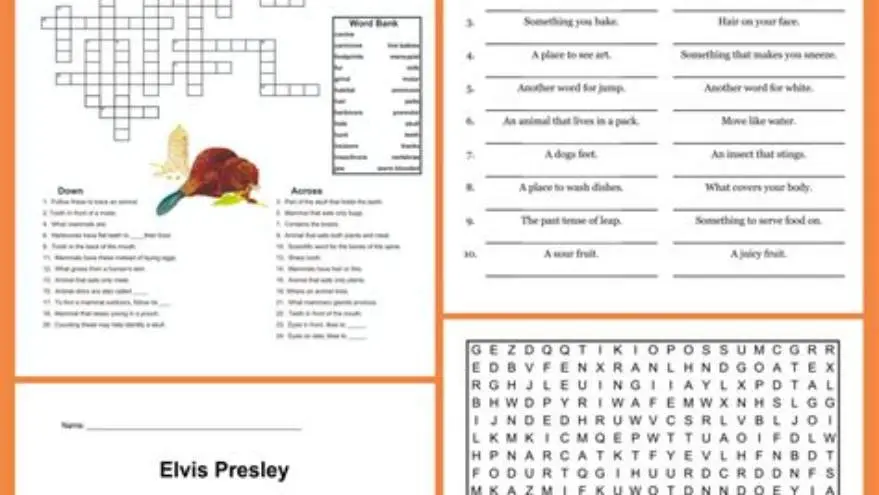
Large-print crossword puzzles work well if the clues are straightforward and the grid is uncluttered. A 10×10 grid with common words beats a dense 15×15 with obscure vocabulary. Word searches suit this stage when the word list is visible and the print is at least 18-point. Searching keeps the hands and eyes busy without requiring the person to generate answers from memory.
Card games like rummy or matching pairs remain accessible when the rules are simple and the cards are easy to grip. Large-index playing cards with high contrast help. Sorting tasks (organizing buttons by color or size, matching pairs of socks) offer the satisfaction of completion without the pressure of being right or wrong. For the detail, see our notes on matching activities to cognitive levels.
Jigsaw puzzles with 24 to 50 large pieces and clear, high-contrast images provide a sense of progress. Landscapes, familiar objects, and bold patterns work better than abstract designs or images with similar colors throughout. The person at this stage can usually handle edge pieces, color sorting, and some trial-and-error fitting.
The Gentle Minds Activity Kit includes puzzles, matching games, and conversation cards designed for adults living with memory loss, with three difficulty levels. The Gentle level suits mild dementia, offering activities that don't feel childish but won't overwhelm. It's a printable kit, so you can reuse pages as needed. It won't restore lost skills, but it does offer age-appropriate options when standard puzzle books start to feel frustrating.
- Large-print crosswords: 10×10 grids, simple clues, 18-point type or larger
- Word searches: visible word list, uncluttered grid, familiar vocabulary
- Card games: rummy, Go Fish, matching pairs with large-index cards
- Jigsaw puzzles: 24-50 pieces, bold images, high contrast
- Sorting tasks: buttons, socks, silverware by type or color
Activities suitable for moderate dementia
Moderate dementia narrows focus and shortens memory. The person can complete a single step reliably but struggles to hold a multi-step plan in mind. Activities at this stage succeed when the outcome is visible within seconds and the task doesn't require remembering what comes next. People in this spot often ask about games suited to dementia stages as well.
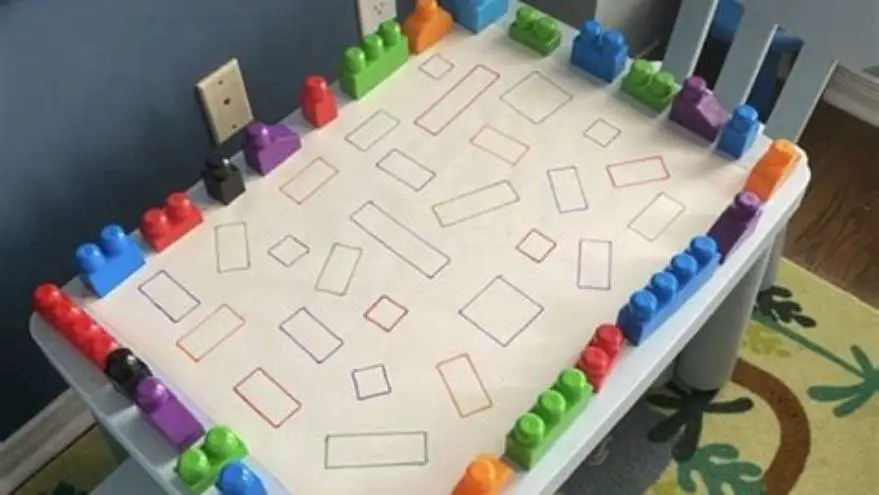
Matching activities remain engaging when the pairs are simple and the choices are limited. Matching colored cards, pairing picture cards of animals or household objects, or matching fabric swatches by texture all work. Lay out three to six items at a time: more than that and the visual field becomes overwhelming.
Folding tasks suit this stage well. Folding towels, washcloths, or napkins offers a familiar, repetitive rhythm and a clear sense of accomplishment. The folded stack grows, which provides visible progress. Folding doesn't require decision-making, and it's hard to get wrong.
Sorting by a single attribute (color, size, or type) keeps the task simple. Sorting buttons into bowls by color, separating large spoons from small ones, or organizing playing cards into red and black suits all provide structure without complexity. Offer two or three categories, not five or six. People in this spot often ask about simple dementia patient activities as well.
Simple stamping or stickers work when the person enjoys repetition and immediate results. Stamping shapes onto paper or peeling and placing large stickers offers tactile satisfaction without requiring problem-solving. These tasks look purposeful, which matters to many people who feel uneasy sitting idle.
Large-print coloring books designed for adults (geometric patterns, florals, or simple mandalas) offer a calming activity when the person can still grip a marker and stay within rough boundaries. Coloring doesn't demand memory or logic, and there's no wrong way to do it.
| Stage | Cognitive ability | Activity examples | Task length |
|---|---|---|---|
| Mild | Multi-step thinking, pattern recognition | Crosswords, word searches, 24-50 piece puzzles, card games | 15-30 minutes |
| Moderate | Single-step tasks, needs visible outcome | Matching pairs, folding towels, sorting by color, stamping | 10-20 minutes |
| Severe | Sensory focus, minimal instruction | Folding fabric, stacking cups, handling textured objects, winding yarn | 5-15 minutes |
What works for severe or advanced dementia
Severe dementia strips away most problem-solving and verbal comprehension. The person may not understand instructions at all, but they still respond to sensory input: texture, weight, color, and repetitive motion. Activities at this stage succeed when they offer something pleasant to touch or watch, without requiring the person to follow a goal.
Folding and refolding fabric (dish towels, washcloths, or soft clothing) remains calming even when the person no longer folds neatly. The motion itself soothes, and the texture of cotton or fleece engages the hands. You can refold the same three towels together for twenty minutes, and that repetition is the point, not the outcome.
Stacking and unstacking objects like plastic cups, wooden blocks, or nesting boxes provides a simple rhythm. The person can knock the stack down and start again without frustration because there's no right answer. Stacking suits those who need to keep their hands busy but can't follow multi-step tasks.
Handling textured objects (a soft blanket, a basket of fabric scraps, a wooden bowl filled with large wooden beads) offers tactile comfort. The person may simply run their hands over the objects, pick them up, and set them down again. That's enough. The activity is the sensation, not a task to complete.
Winding and unwinding yarn or ribbon around a cardboard tube or between two hands gives a sense of purpose without requiring memory or instruction. The motion is soothing, and the material is soft and safe. You can sit beside the person and wind your own strand in parallel, which offers companionship without demands.
Sorting large objects by color or type can still work if the categories are obvious and the person initiates the activity themselves. Some people at this stage will naturally group items (putting all the red scarves in one pile, for instance) without being asked. If they do, that's an activity. If they don't, don't force it.
When to switch to an easier activity level
The signal to switch is frustration, not struggle. A person with mild dementia might pause over a crossword clue, think for a moment, and then fill it in: that's engagement, not difficulty. But if they set the pencil down, push the page away, or say 'I used to be able to do this,' the activity has stopped being enjoyable.
Agitation is the clearest sign. If the person becomes restless, irritable, or verbally upset within a few minutes of starting, the task is too hard. That agitation doesn't always pass quickly: it can color the rest of the afternoon. Switching to something simpler immediately prevents that spiral.
Wandering attention is another marker. If the person looks away repeatedly, picks at the table edge, or starts moving objects around without purpose, the activity isn't holding their focus. That doesn't mean they're bored: it means the cognitive load is too high and their brain is seeking relief.
Refusal to try after previous success suggests the activity has outpaced current ability. Someone who used to enjoy jigsaw puzzles but now waves them away has likely lost the spatial reasoning or patience the task requires. Offering the same activity again next week won't change that. Move to matching or sorting instead.
The mistake is waiting too long to simplify. Families often cling to activities the person used to love, hoping that persistence will bring back the skill. It won't. Dementia doesn't improve, and pushing through frustration just trains the person to avoid activities altogether. When in doubt, go simpler. You can always offer something slightly harder next time if the easier task feels too easy: but that rarely happens.
How long should a table top activity last
Attention span shrinks as dementia progresses, and expecting someone to sit for half an hour when they can manage ten minutes creates frustration for both of you. Mild dementia often supports 15 to 30 minutes of focused activity, assuming the task is well-matched and the environment is calm. Moderate dementia typically shortens that to 10 to 20 minutes, and severe dementia may hold engagement for only 5 to 15 minutes.
Watch for the natural end point: the moment when the person's attention drifts or they set the materials aside. That's not failure. Finishing isn't the goal; engagement is. If someone completes three rows of a word search and then looks up, the activity succeeded for those few minutes. Pushing them to finish the page turns a pleasant experience into a chore.
Some people at the moderate or severe stage will return to the same activity multiple times in a day if it's left within reach. That's fine. Folding the same towels three times, sorting the same buttons twice: it's repetition that matters, not novelty. The comfort is in the familiarity, and there's no rule that says an activity must be completed once and put away.
Breaking up the day with several short activities works better than planning one long session. A ten-minute matching game midmorning, a fifteen-minute folding task after lunch, and a few minutes winding yarn before dinner offer structure without exhaustion. Short bursts keep frustration low and success frequent.
Still wondering?
Can someone with dementia enjoy an activity that's too simple for their stage?
Yes, and simpler is almost always better than too hard. A person with mild dementia might enjoy a simple matching game meant for moderate dementia if it offers calm and success. There's no harm in going easier, but real harm in going too hard.
What if the person refuses all table top activities?
Try sensory or movement-based activities instead: folding laundry, sweeping with a soft broom, or handling objects with interesting textures. Some people never enjoyed sitting still, and dementia doesn't change that. Match activities to lifelong preferences, not to a category.
Should I correct mistakes during an activity?
Only if the person asks for help. Correcting mistakes turns a pleasant activity into a test and raises anxiety. If someone puts a puzzle piece in the wrong spot and seems content, leave it. The goal is engagement, not accuracy.
How do I know if an activity is age-appropriate?
Ask yourself if you'd offer it to an adult without dementia who happens to prefer simple tasks. If it looks or feels like a children's toy, it's not appropriate. Large-print puzzles, adult coloring books, and real household tasks like folding or sorting respect the person's adult identity.
Do table top activities slow dementia progression?
No. Activities offer engagement, calm, and connection in the moment, but they don't reverse or meaningfully slow cognitive decline. The value is in the quality of the time spent, not in preserving skills.
Ready to try it? Provides printable activities at three difficulty levels matched to mild, moderate, and severe dementia, with a caregiver guide
See the Gentle Minds kit