Activities for Seniors After a Stroke: What Fits Now
The best activities for seniors after a stroke fit what the person can do today. Large-print puzzles, card games with a holder, music, reading aloud and short walks with company all work well. Start with a 15-minute session. Watch what tires them, and adjust the activity to fit.
On this page (8 sections)
Key figures
- When to stop
- before tiredness sets in
- Print size
- 18 pt or larger
- One hand
- card holders help
- Best time of day
- mornings often work
- Best start
- an old favourite, adapted
Quick recap
- Match the activity to today, not to last month.
- Print puzzles at 18 pt or larger, with one task per page.
- Keep sessions short and stop before tiredness turns to frustration.
- Ask their doctor before any new movement or exercise.
- One good activity done twice a week beats five that never happen.
Activities for Seniors After a Stroke That Fit What They Can Do Now
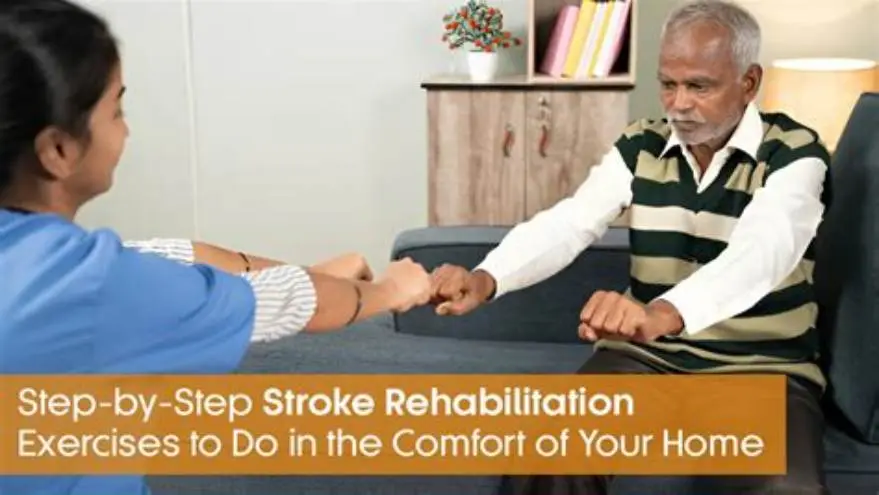
A stroke can change strength on one side. Speech, vision and attention can change too. Amounts differ from person to person. An activity that suits one person may frustrate another. Start from what they enjoyed before the stroke. Then change the form until it fits. Card players may need a card holder and large-face cards. Readers may need large print and a book holder.
Short tries teach you more than long guesses. Fifteen minutes is enough for a first try. Tiredness has not set in yet. Sit beside them rather than across the table. That way you can see the page from their side. Watch their hands as well as their face. Hands that keep dropping cards are asking for a holder. Eyes that skip lines are asking for larger print. Small changes like these often do more than a new activity.
Use the table below as a starting point. Then adjust from what you see. When an activity fails twice, drop it for a week. Try a different one instead. Pausing is not giving up. Trying again on a better day often works. What matters is something enjoyable most days, even for a quarter of an hour.
| Activity | Needs | Best when |
|---|---|---|
| Large-print word search | One hand, good near vision | Attention is short and hands are shaky |
| Card game with a holder | A partner, large-face cards | They miss the social side of games |
| Listening to music | A speaker, a favourite playlist | Speech is hard and energy is low |
| Short walk with company | Doctor's go-ahead, flat ground | They are restless indoors |
| Simple craft | One strong hand, big pieces | They want something to show for the time |
Start by Watching, Not by Testing
No formal test is needed to find what fits. Spend a day noticing what they reach for. Notice what they avoid too. Notice them pick up the newspaper and put it down after a minute. Maybe the print is too small, not that reading is finished. Others play cards while they watch, yet they never join in. Perhaps holding the cards is the problem, not the game. It helps to understand large print activities for seniors free printable before going further.
Change one thing at a time, so you know what helped. Print a word search at 18 pt and see if they finish it. Offer a card holder at the next game. Watch whether they stay longer. Morning often works better than late afternoon, when tiredness builds.
Write down what worked, in a sentence or two. Anyone helping next should not start from scratch. Note the print size. Note the time of day. Note how long they stayed. Share the note with family and care home staff.
Buy or print activity sets that come in graded difficulty levels, so you can move up or down as things change. A set with easy, medium and harder pages in one pack saves buying three separate books. Look for large print throughout, with answers on a separate page for the helper. If thinking is the main change after the stroke, graded levels line up well. If only movement changed, a free word search maker may fit better. Printed pages suit quiet time at home, not outings. People in this spot often ask about large print sudoku beginners as well.
Puzzles and Word Games That Work One-Handed
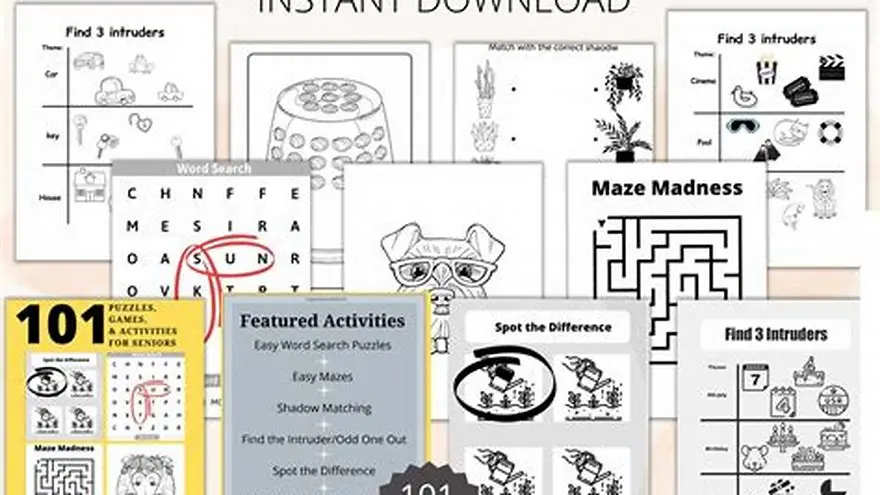
Puzzles suit this situation well. No partner, no appointment and no special skill is needed to start. All a large-print word search asks for is a pencil and a steady surface. Print at 18 pt or larger. One puzzle per page. Wide space between lines. Use a clipboard to hold the page still when one hand cannot.
Crosswords in large print work for people who loved words before the stroke. Crosswords ask more of memory and spelling, though. When the clues feel hard, switch to a word search built from their own words. Use family names, favourite foods and places they have lived. Keep the list short, ten to twelve words, so the page never looks crowded.
Jigsaws need a different kind of care. Choose puzzles with large pieces, under 100 pieces to start. With a board or tray that has a raised edge, pieces stop sliding off the table. Sort the edge pieces first. Keep the box lid beside the board as the picture. Stop when the eyes tire. Leave the board out for later. We go through seniors in wheelchairs seated activities step by step elsewhere on the site.
Board games still work when the pieces are big enough to grip. Dominoes with large spots, bingo with large cards, and card games played with a holder all keep the social side of play. Play in pairs rather than a group of four, so turns come round quickly. Let the person choose the game. Games they pick are games they finish.
- Word search: one puzzle per page, 18 pt or larger.
- Crossword: large print, clues they already know.
- Jigsaw: large pieces, under 100 to start.
- Card game: a holder, large-face cards, pairs not fours.
Music, Reading and Talk That Invite Them In
Music reaches people when words do not. A favourite song from their younger years often brings a smile, even from someone who has barely spoken all day. Singing along needs no reading and no fine hand control. Make a short playlist of ten songs they loved. Play it daily at the same time. It becomes routine. Keep the volume clear rather than loud.
Reading aloud suits a person whose eyes tire quickly or whose speech is still coming back. Choose short pieces: a poem, a newspaper column, a chapter of a familiar book. Read slowly and pause often. Let them finish a sentence when they can. Large-print books and audiobooks both help, and a library will often order large print on request. Better to pick a book they loved years ago than a new bestseller. Half the story is already remembered. If that sounds like your situation, read up on word search stroke survivors next.
Conversation cards give talk a starting point when finding words is hard. Try a card that asks about a first job, a favourite meal or a place they lived. From that card, a story opens that needs no right answer. Put one card on the table at tea time and let the talk wander from there. If speech is difficult, accept a nod, a gesture or a single word as a full answer. Company is the point, not the sentence.
Gentle Movement and Making Things by Hand
Movement after a stroke needs a plan made for one person, not a general routine. Once their doctor or therapist has said what is safe, small movements woven into the day often work better than a formal exercise time. Walking to the garden gate and back, with someone beside them, can be enough for one day. Follow the plan their therapist gave, not a new one from the internet.
Hands-on making suits a person who likes to see something finished. Painting with a thick brush, modelling with soft clay, or arranging flowers in a vase all need one strong hand and a steady table. Choose tools with thick handles and materials that forgive a shaky grip. Watercolour beats fine ink, large beads beat small ones, and a wooden spoon beats a whisk. Have everything within reach before you start. Nothing needs fetching mid-task. It helps to understand activities for seniors who are deaf or hard of hearing before going further.
Cooking is a good shared activity when the jobs are split fairly. Tear lettuce, stir a pot or butter bread while someone else handles the hot pan and the sharp knife. Pick a recipe with three steps and five ingredients. Simple beats complicated here. Everyone can enjoy the meal at the end. Keep the kitchen calm. Clear the counters. Give one job at a time. That finished meal is proof the afternoon mattered.
A Weekly Rhythm That Keeps Activities Going
One good activity done twice a week beats five that never happen. Pick two or three favourites from this article. Put them on the calendar at fixed times, so everyone in the house knows when they happen. Monday and Thursday for puzzles, Wednesday for music, Saturday for a walk with family. Patterns are easier to keep than a fresh decision every day. If a day goes badly, move the activity. Do not cancel the week.
Have the kit ready so starting takes a minute, not twenty. Set a basket by the chair with large-print puzzles, pencils, a card holder and a playlist ready to play. Friction that kills good plans disappears. Restock the basket on Sunday evening. Print next week's puzzles. Charge the speaker. Put fresh batteries in the radio. Sunday's setup is the reason it happens on Monday. We cover activities for seniors after knee replacement in its own article.
Ask what they want more of. Believe the answer. Someone who says they are bored of word searches is not being ungrateful. Listen: they are telling you what to change. Asking for the same puzzle every day is not being stuck. That puzzle fits, and they know it. Activities after a stroke work best when the person choosing them is the person doing them. Your job is to make the choosing easy.
What fits changes over weeks and months. Early on, short seated activities may be all that works. Later, longer sessions and outings may return. Tiredness after a stroke is not ordinary tiredness. It can arrive suddenly and last the rest of the day. Plan the best activity for the morning, and keep afternoons free.
- List three activities they enjoyed before the stroke.
- Adapt each one: larger print, a holder, a shorter session.
- Put them on the calendar at the same times each week.
- After each session, note what worked and how long they lasted.
- Change one thing that did not work, and try again next week.
Still wondering?
How soon after a stroke can someone start activities?
As soon as their doctor or therapist says it is safe. Gentle, seated activities like listening to music or looking through photos often come first. Outings and standing tasks wait longer. Watch for tiredness and stop early. Ask their doctor about timing rather than guessing from a calendar.
What if they get frustrated and refuse?
Frustration usually means the activity is too hard, too long or at the wrong time of day. Make it easier. Shorten it. Or try it in the morning. When refusal lasts several days, ask their doctor whether low mood or pain is getting in the way.
Are puzzles and games enough, or do they need therapy too?
Puzzles and games are leisure, not therapy. Exercises from a therapist are not replaced by games. Therapy works on the skills their clinician has chosen. Activities fill the rest of the day with something enjoyable. Keep doing both. Bring questions about progress to the therapist, not to the puzzle book.
What print size should I use for puzzles?
Begin at 18 pt and go larger when they hold the page far away or skip lines. One puzzle per page, with wide spacing and no clutter around the edges, helps more than a bigger page of small print. Use a free word search maker to set the size before printing. Test a page first. Check it at arm's length.