Activities for Seniors After Knee Replacement: A Gentle Start
After a knee replacement, the best activities are gentle, seated and short. Puzzles, reading, crafts and visits fill the day, with walking and exercises only as your physio directs. Rest between activities, and keep the day calm.
On this page (8 sections)
- Quick recap
- What the first weeks after knee replacement really look like
- Set up the house before the activities start
- Seated activities that fill the day without straining the knee
- Gentle movement, exactly as your care team directs
- What to avoid while the knee heals
- When to call the doctor, and how to keep spirits up
- Still wondering?
Part of our guide on post-stroke exercise suggestions
Key figures
- Home again
- 1 to 4 days after surgery
- Walking starts
- Day of surgery or next
- Full recovery
- Several months or longer
- Best seat
- Firm, with arms
- Session length
- 15 to 30 minutes, then rest
Quick recap
- Ask the care team before adding any new movement.
- Clear the paths between bed, chair, kitchen and bathroom.
- Fill the day with seated pastimes in short blocks, with rests between them.
- Call the care team the same day for rising pain, a leaking wound or a fever.
What the first weeks after knee replacement really look like
The first days after a knee replacement are slow by design. NHS patient guidance puts discharge at one to four days after the operation, once walking with crutches or sticks and managing stairs is safe. Timing varies by hospital and by person, so follow your own surgeon's discharge guidance. Calm routines beat busy ones in these early days.
Swelling and some warmth can continue beyond the early weeks for many people. Pain usually fades before stiffness does, and the joint line can ache for a long while. Ask your surgeon or physiotherapist what timeline to expect in your case. One line a day in a diary shows the slow climb better than memory does.
Physiotherapy often begins in hospital within the first day or two after surgery, when clinically appropriate. Check with your care team about the timing in your case. Everything else in this article is a pastime to fill the day, not treatment. Questions about pain, the wound or the knee go to the care team.
Rest is part of the plan, not a failure of it. Brief activities with rests between them suit the early weeks better than one long push. Use a timer on the table and try short sessions, for example 15 to 30 minutes, with rests between them. Recovery runs at its own pace, so ask your care team what timeline to expect in your case. The other half of this decision is large print puzzles for macular degeneration patients.
Set up the house before the activities start
Good setups make every activity easier. Put a firm chair with arms in the brightest corner, with a small table beside it for books, puzzles, a drink and the phone. Chairs that are too low or too soft make standing up hard work, so test the seat before the operation if you can. Everything within reach means fewer trips across the room.
Clear the paths first. Move rugs, cables and clutter from the route between bed, chair, kitchen and bathroom, and add night lights for evening trips. Walkers and sticks need a wide, clear lane, and a fall in the first weeks is the one setback nobody wants. Keep the ice packs in the freezer door, not buried at the back.
Set a daily rhythm and write it on one sheet. Mornings for the care team's exercises and a walk indoors, afternoons for a seated pastime, evenings for a visit or a call. Pin the sheet on the fridge to keep the day visible and stop the hours drifting. Visitors help most when they come at set times, not all at once. There is more on seated activities for seniors in wheelchairs in a separate guide.
Ask the care team about driving, stairs and bathing before trying them. With a shower stool and a handrail, a risky job turns routine, and a raised toilet seat saves a deep bend. These are questions for the surgeon or the occupational therapist, and the answer varies from person to person.
| Spot | What goes there | Why |
|---|---|---|
| Beside the chair | Books, puzzles, drink, phone | Everything within reach |
| By the bed | Night light, phone, water | Safe trips at night |
| In the freezer door | Ice packs | Easy to find when needed |
Seated activities that fill the day without straining the knee
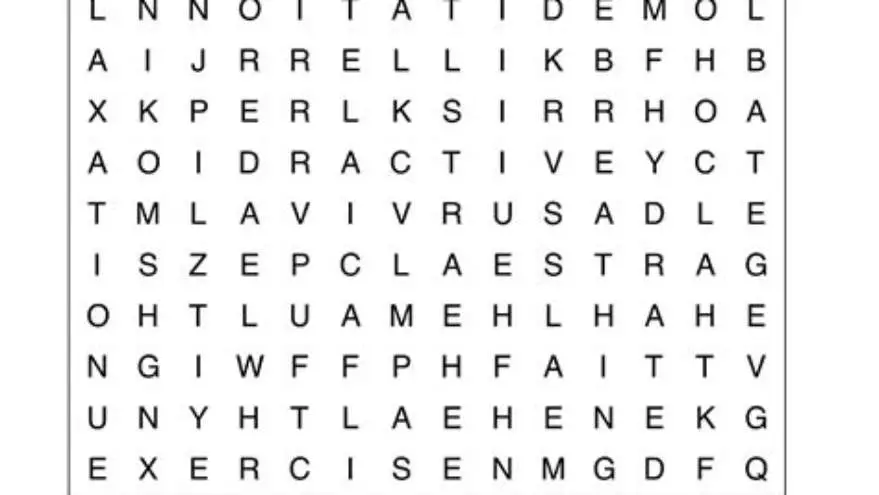
Seated pastimes are the backbone of the first weeks. Large-print word searches, crosswords and sudoku fill an hour without moving the knee at all. Work on a tray table keeps the puzzle at a good height. Reading works in short bursts: a chapter, then feet up. Our free Large Print Word Search Maker turns a list of familiar words into a large-print puzzle with an answer page. It is one quiet pastime, not a full day of activity.
Crafts suit hands that want work and a knee that wants rest. Knitting, mending, sorting photos and writing cards all happen from the chair, and a lap tray keeps the work steady. Keep the materials in one basket beside the chair, so the activity starts in a minute. For hands with limited grip, use chunky pens, large-handled scissors and a lap board to steady the work. Crafts with a clear end, like a finished card, beat ones that drag on. If that sounds like your situation, read up on activities for deaf seniors next.
People are the best activity of all. Short visits, phone calls and video chats break the day better than any puzzle. Regular calls at the same time each day give the day shape. Ask a visitor to bring the paper, a cake or a photo album, and the visit gains a purpose. Borrow from the library's large-print shelf when the puzzle book runs out.
Music and radio fill the gaps between activities. Old favourites on a playlist, a talk show or an audiobook turn a rest into something pleasant, and singing along costs nothing. Put a radio or a speaker by the chair, with controls large enough to use without glasses. Even a rest counts more with music.
Gentle movement, exactly as your care team directs
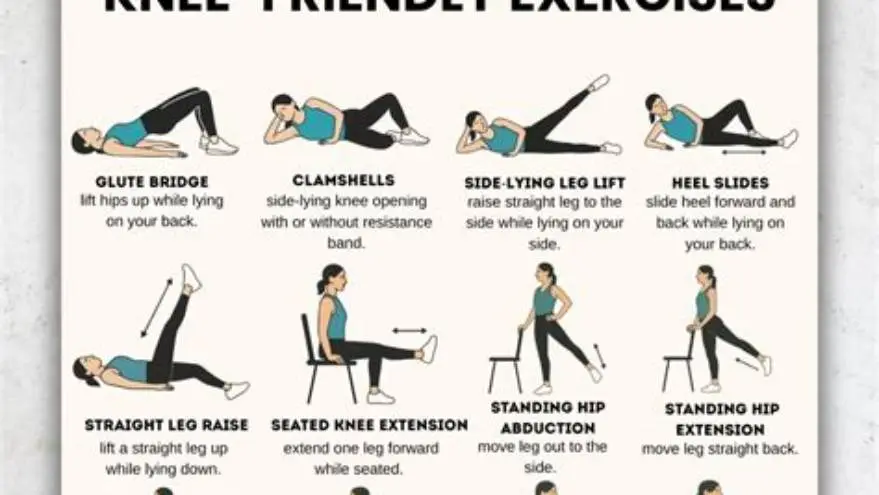
Movement after a knee replacement belongs to the care team, not to this article. The physiotherapist's plan covers walking, bending and straightening, and it is the only exercise list that matters. The plan often includes ankle pumps, heel slides and straight-leg raises, taught in hospital and done at home only as the physio directs. Short walks indoors with a walker or sticks come first, and the distance grows as the team allows. Never add exercises from a book, a video or a well-meaning friend. If that sounds like your situation, read up on large print word search for stroke survivors next.
Walking is the main activity the team will ask for, and it starts early. Many patients begin assisted walking in hospital within a day or two, depending on medical status and pain control. Keep walks short and flat, with a chair at each end of the route. If the knee is more swollen the next morning, the walk was too long.
Ice and elevation are the quiet helpers. Raise the leg on pillows so the foot sits above the knee, and use ice as the care team advised. Never put a pillow under the knee itself, as that lets the joint stiffen in a bent shape. Time the icing to the spell the team suggested, and put the leg down again after.
Take a rest between every bit of movement. Bodies that have had surgery tire fast, and tired legs trip. Sit down before the knee asks, not after, and keep the phone within reach on every walk. If pain rises sharply, or the wound looks wrong, stop and call the care team. The other half of this decision is large print word puzzles.
What to avoid while the knee heals
Some moves are off limits in the early weeks, and the care team will name them. Deep kneeling, squatting and twisting on the new knee are the usual three. Low, soft chairs are hard to rise from, so avoid them too. Until the team says otherwise, rise only from a firm seat with arms. When in doubt, ask before trying a move, not after.
Long sitting is a trap of its own. An hour in one chair stiffens the knee and swells the leg, so stand and take a few steps at least once an hour. Set a kitchen timer if the time slips by unnoticed. Short walks to the kitchen count: they do not need to be route marches.
Driving waits for the surgeon's word. Reaction times and the strength to brake take weeks to return, and insurance may not cover driving before the surgeon clears it. Ask at a follow-up visit, and plan lifts with family or friends until then. The same caution applies to ladders, baths and any job that needs a deep bend. Rules differ by country and by insurer, so check your own policy and local guidance.
Visitors mean well and still tire a recovering person out. Space visits through the day, with a rest after each one. Visitors who bring a meal, do a load of washing or walk the dog help more than ones who stay for hours. Saying no to a visit is part of looking after the knee.
When to call the doctor, and how to keep spirits up
Certain signs need a call the same day. Pain that rises sharply instead of fading needs a call. So does swelling that grows fast, a wound that leaks or smells, or a fever. A hot, tender or swollen calf can signal a blood clot, so call the same day and say so plainly. Call the care team or the surgeon's office, and describe what changed and when. Waiting to see if it passes is the one gamble to avoid.
Low days are part of recovery too. Pain, poor sleep and a slow pace wear anyone down, and a person who was active before surgery feels the loss most. Short walks, calls with friends and small jobs finished each day give the day shape. If low mood lasts for weeks, or sleep stays broken, tell the doctor: that is a health question, not a failure.
Keep one small pleasure in every day. Favourite radio shows, pages of books, photos sorted into albums: small finished things prove the day was not wasted. People who mark each small win find the slow weeks easier to bear. Recovery runs on its own schedule, and the days pass quicker with something pleasant in each one.
Lean on family early and often. Family, friends and neighbours can cook, drive, shop and sit for a while, and most are glad to be asked. Lists on the fridge of jobs that need doing let visitors choose one without asking. Recovery is a team job, and the person with the new knee is the captain, not the crew.
Still wondering?
How long does swelling last after a knee replacement?
NHS patient guidance says swelling of the knee and calf can last three months or more. Warmth can linger for three to six months. That is normal, and it fades slowly. Call the care team if swelling grows fast or comes with rising pain.
What activities are safe after a knee replacement?
Start with seated pastimes: puzzles, reading, crafts, music and calls. Walking and exercises grow as the team allows. Avoid kneeling, squatting, twisting and low soft chairs until the team says otherwise.
When can I drive after a knee replacement?
Only the surgeon can say yes, and the answer varies from person to person. Most people wait weeks, because braking takes strength and quick reactions. Book lifts with family or friends until the surgeon says yes, and ask at a follow-up visit.
How do I keep busy without overdoing it after knee replacement?
Plan the day in short blocks with rests between them. Take a puzzle in the morning, a craft or a call in the afternoon, and music in the evening. Use a timer to keep sessions short, with a rest after each one. Stop while the day still feels good.