Seated Activities for Seniors in Wheelchairs That Fill the Day
Seated activities for seniors in wheelchairs work best when the table comes to the chair and the activity needs no standing. Puzzles, card games, crafts, music and gentle movement all fit. Pick one, set the table, and start.
On this page (8 sections)
Part of our guide on post-stroke exercise suggestions
Key figures
- First check
- Brakes on, table close
- Puzzle print
- 16 to 18 pt to start
- Session length
- 20 to 40 minutes
- Best group size
- Two to six people
- Outdoor pick
- Flat paths, bench nearby
- Exercise rule
- Stop if it hurts
Quick recap
- Set the table where the chair already is.
- Set the brakes, the light and the reach before you start.
- Print puzzles large, and test them from the chair.
- Stop while the mood is good, and save the rest for tomorrow.
- Ask the person what they enjoy, and build the week around it.
Seated activities for seniors in wheelchairs at home

Wheelchairs change how a person reaches the table, not whether they enjoy a good game. Most activities a senior loves work from a chair, once the setup fits the chair. The test is simple: can the person see the work, reach the pieces and join the talk? When the answer is yes, the activity works. When it is no, change the setup before you change the activity.
Start with the person, not the activity list. Ask what they enjoyed before the wheelchair, and what they miss most now. A reader who loved crosswords still loves crosswords; the print and the table are what changed. A gardener who cannot kneel still gardens, from a raised bed at table height. Build the week around the person.
Energy decides the shape of the day more than the clock does. Some people have a good hour in the morning and little left by the afternoon. Others wake slowly and come alive after lunch. Plan the demanding activity for the good hour, and keep the afternoon for something gentle. Sessions that end well bring the person back tomorrow; long ones that end in tiredness do the opposite. Treat every time and size in this article as a starting point, not a rule.
- Lock the brakes before anything else.
- Slide the chair close to the table.
- Aim the light at the work, not at the eyes.
- Test the reach: everything the person needs sits within one arm's length.
- Offer a drink, and start with the easiest part.
Table games that work from a chair
Cards are the easiest table game to bring to a wheelchair, because the game lives in the hand and on the table. Large-print decks and a card holder let a person with stiff fingers hold a full hand. Craft shops and large-print bookshops stock both. Play the games the person already knows, and teach one new game at a time. Short games suit a group best, because a long game punishes the player who tires first. Score on paper, in big numbers, so everyone can follow it. There is more on gentle exercises for recovery in a separate guide.
Board games need one change to work from a chair: the board must sit flat and close. Boards on a lap tray slide; boards on a table stay put. Pick a game with large pieces and few fiddly parts, and skip any game that needs players to reach across the board. Dominoes, draughts and large-piece Scrabble all suit a seated table. Put the game away while it is still fun, and it will be asked for again.
Trivia fits a seated group better than almost any other game, because the questions do the work. Read each question aloud, and let every player answer from their seat. Teams of two or three keep everyone talking, and a printed question sheet lets a person with poor hearing play at the same speed. Our Big Print Trivia for Seniors (product) includes multiple-choice rounds designed for seated groups. Answers come after each round, and a host kit runs the evening. Trivia is all it covers, so puzzle lovers need a second activity too. Free rounds written on cards work the same way for one evening.
Puzzles and word games in large print
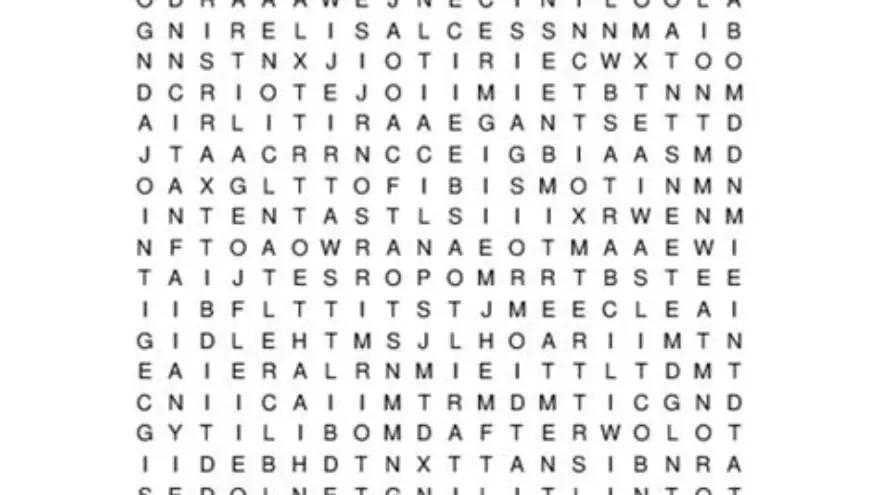
Word searches suit a wheelchair user better than almost any other puzzle, because they need eyes and a pencil and nothing else. Use noticeably larger type than standard print. For many readers that means a jump from typical 10 to 12 pt to visibly larger sizes. Check a sample from the person's chair and increase until letters are easily readable. Hold the word list to ten or fifteen words. Grids that fill the page are easier to work on than small ones lost in white space. Crosswords work the same way when the clues are printed large. Sudoku needs no words at all, which makes it a strong pick when reading is tiring too. We go through seniors deaf games and crafts step by step elsewhere on the site.
Jigsaws need a flat surface and a frame to hold the pieces, and both are easy to arrange at a table. Large pieces suit hands that grip less firmly, and a puzzle with fewer pieces finishes inside one sitting. Sort the edges first, then work in small patches, and keep the finished picture beside the puzzle for reference. Trays with a rim stop pieces sliding off the table when the chair moves. Put the puzzle away in the tray between sessions.
Mazes and word games fill the gaps between longer puzzles, and they print well in large type. Mazes need only a pencil, and a round of anagrams needs only a list of letters. Folders of printed puzzles beside the chair, sorted by type, let the person choose without asking. Fresh puzzles each week beat a thick book nobody opens.
Crafts and making things at table height
Crafts suit a wheelchair user because the work sits on the table and the hands do the talking. Painting, drawing, clay and sewing all show their own next step, and each one works from a chair without a change. Lay the materials out in order, with a finished sample at the end of the row. Thick brushes and chunky tools suit weaker grips, and a non-slip mat keeps the work from sliding. Choose projects that finish in one sitting. There is more on adapting board games for seniors with vision issues in a separate guide.
Knitting and crochet travel well to a chair, because the work rests in the lap and the pattern sits beside it. Yarn in a bowl stops rolling away, and large needles suit hands that tire quickly. Simple patterns beat complicated ones, because the pleasure is in the rhythm and not in counting stitches. Scarves and blanket squares finish in a few sessions, and the finished piece goes to someone the maker cares about.
Sorting and matching games fill a quiet afternoon with useful work. Buttons by size, photographs by year, playing cards by suit: each one gives the hands something to do and the eyes something to find. These jobs suit a person who wants to be useful, and they end with something tidy on the table. Pieces stay large and groups stay small, so the job finishes before the energy runs out. Finished sorts are small wins.
Music, movement and gentle exercise from the chair
Music needs no standing, no steady hands and no large print, which is why it reaches people other activities miss. Sing-alongs, listening sessions and simple instruments all work from a chair. Tambourines and maracas suit hands that cannot hold a pen, and a song the person knows beats a new one every time. Keep headphone volume low, and check the words are large enough to read along. It helps to understand easy word puzzles for seniors with arthritis before going further.
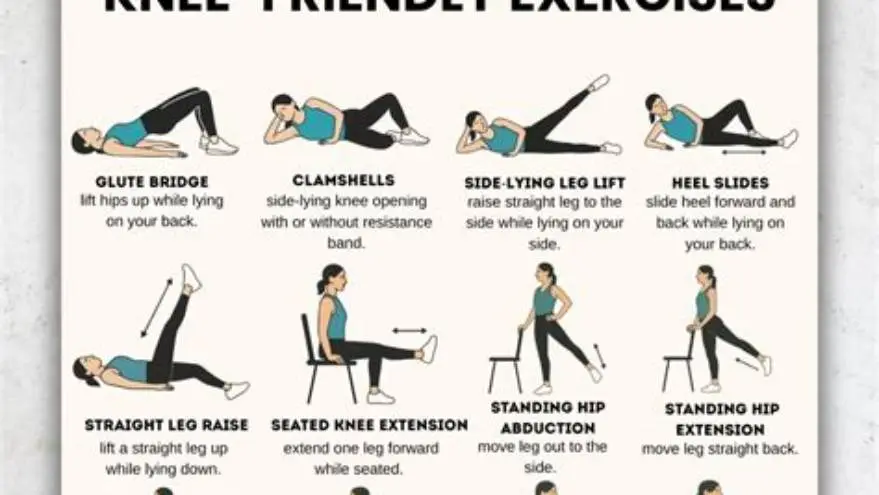
Chair yoga and seated stretching suit most people in wheelchairs, because the moves are slow and the chair does the balancing. An instructor who faces the group and shows each move slowly works best, because everyone copies what they see. Resistance bands add gentle strength work, and they weigh almost nothing. Start with five minutes, and add a minute a day when the person asks for more. Pain is the signal to stop, not to push through. Chest pain, dizziness or breathlessness mean stop and ask their doctor before trying again.
Dancing from a chair works when the beat is strong and the moves are simple. Seated dancing to a favourite song needs no partner and no floor space, and the rhythm shows in the arms and shoulders. Clapping, tapping and swaying all count. End with a slow song, and let the room settle before the next activity starts.
Outdoors from a wheelchair: short trips that work
Outside time works from a wheelchair when the path is flat and the destination is close. Gardens, paved courtyards and park paths with a firm surface all suit a chair. A bench halfway turns a long trip into two short ones. Walk the route first: a cracked pavement or a steep slope ends the trip early. Test the surface with one push, look for curb cuts at crossings, and skip the trip in rain or strong wind. Trips that end well leave the person wanting the next one. For the detail, see our notes on large print puzzles for macular degeneration.
Birdwatching suits a wheelchair user because the birds come to the watcher, not the other way round. Feeders outside a window bring the birds close, and binoculars with a wide view suit hands that shake. Tick each bird off a simple list as it appears. Gardens with a feeder give a reason to sit outside every day.
Shopping trips work when the shop is step-free and the list is short. Supermarkets with wide aisles suit a chair, and a small list keeps the trip inside the person's energy. Go at a quiet time of day, and ask a member of staff for help reaching high shelves. Choosing, paying and carrying the bags home all count as the activity. Keep the list short, often three to six essential items, and adjust it to the person's stamina and the shop. End the trip with a drink before the journey home.
| Activity | What you need | Session length |
|---|---|---|
| Word searches | Large print and a pencil | 20 to 30 minutes |
| Card games | Large-print deck and a holder | 30 minutes |
| Crafts | Table, mat and thick tools | 30 to 45 minutes |
| Music and movement | A chair and a favourite song | 15 to 20 minutes |
Still wondering?
What is the best first activity for a senior in a wheelchair?
Choose something the person already enjoys. Large-print word searches and jigsaws with large pieces both work from a chair, and both let the person succeed in the first minutes. Set the table first, then sit beside them for the opening moves.
What table height works for a wheelchair?
Sit the person at the table and check: elbows rest comfortably, the work sits within easy reach, and the chair's armrests slide under the tabletop. Tables too high force the shoulders up, and ones too low force a stoop. Adjustable-height tables solve both.
Can a senior in a wheelchair go outside for activities?
Yes, on flat paths with a place to sit. Gardens, park paths and paved courtyards all work, and a bench halfway turns a long trip into two short ones. Scout the route first, and take a drink along. Rest before the person asks for one.
How do I keep a group activity going when abilities differ?
Pick an activity with roles at different levels. One person calls the bingo numbers, another marks the cards, and a third keeps the score. Games with a job for everyone keep the group together, and nobody sits out. Rotate the roles each round, so the jobs stay fresh.
What if the person gets tired halfway through?
End while the mood is still good. Good endings bring the person back tomorrow, so stop before the energy runs out. Offer a drink, move to something gentle, and end with a favourite song. Tired people who are pushed on remember the pushing, not the game.