How to Choose Large Print Puzzles for Macular Degeneration
To choose large print puzzles for someone with macular degeneration, test a sample page first. Pick word searches or mazes that keep the work near the edges, and let the reader try one page before you buy.
On this page (8 sections)
- Quick recap
- How to choose large print puzzles for someone with macular degeneration
- What central vision loss does to a puzzle page
- Which puzzle types hold up best when the centre blurs
- Try this short test before you buy anything
- What to look for on the page: print, paper, and pens
- When to ask for help, and how to keep puzzling fun
- Still wondering?
Part of our guide on post-stroke activities for seniors
Key figures
- First check
- Sample page, arm's length
- Paper finish
- Plain paper, no glare
- Paper shade
- White or cream
- Hardest print styles
- Italics and all capitals
- Best pen choice
- Thick dark felt-tip pen
- Best light position
- Lamp aimed at page
Quick recap
- Test a sample page at arm's length before you buy.
- Pick the print and paper pair that passed your sample-page test.
- Word searches and mazes cope better than small crosswords with tight clues.
- Aim a lamp at the page and use a thick dark pen for answers.
- Ask an eye doctor about vision changes and a low-vision specialist about tools.
How to choose large print puzzles for someone with macular degeneration
Learning how to choose large print puzzles for someone with macular degeneration starts with one plain test. Can the person read the middle of a page at arm's length? Macular degeneration blurs central vision first. Side vision stays clear. One page can look big and still fail, so check where the print sits on the page as well as how large it is. Choose pages that keep key letters where the reader can still see them.
Start with a sample page as a first try, not a rule for every reader. Set the page at a normal reading distance and ask the person to read a line from the centre. Watch for slow reading. Skipped words and head tilts matter. These signs tell you more than any label on a cover, since books that call themselves jumbo still print small clues or tight grids. Check the real type size before you spend money.
Pick the puzzle type after the print test, not before it. Searches spread letters across the whole page, so a reader can scan with side vision. Mazes give a clear path to follow with a pen, while tight crossword grids pack small squares into the centre and often fail first. Keep the test short and kind. Short and kind beats long and tiring.
What central vision loss does to a puzzle page
Macular degeneration affects the centre of vision, so the middle of a page blurs first. Side vision usually stays clearer, which lets a reader catch words at the edges, yet this split changes how a puzzle feels. Readers may see the border well. Still, the middle word hides. Yet the page looks whole while the work hides in the worst spot. Before you commit to anything, it is worth looking at board games for seniors with low vision.
Small print fails fast under a blurred centre, even when the room is bright. Letters merge and lines run together. The reader loses their place fast. Italics lean and blur, while words set in all capitals lose their shape, so plain upright letters give the eye less work. Middle words can vanish while the border stays clear.
Glare makes the problem worse, so paper finish counts as much as print size. Shiny pages throw light back at the reader and wash out letters. Plain paper keeps the print steady under a lamp, so aim the lamp straight at the page rather than lighting the room behind the reader. In a dark room, a bright page behind the reader forces the eyes to fight the contrast.
Which puzzle types hold up best when the centre blurs
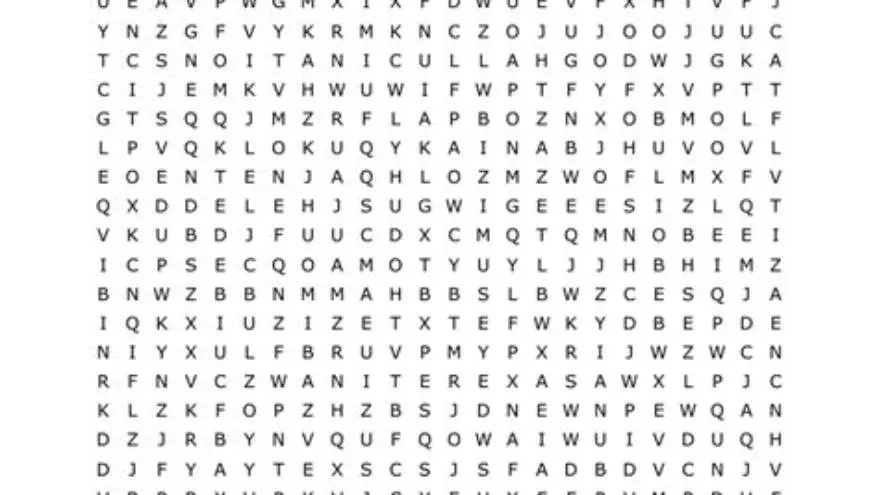
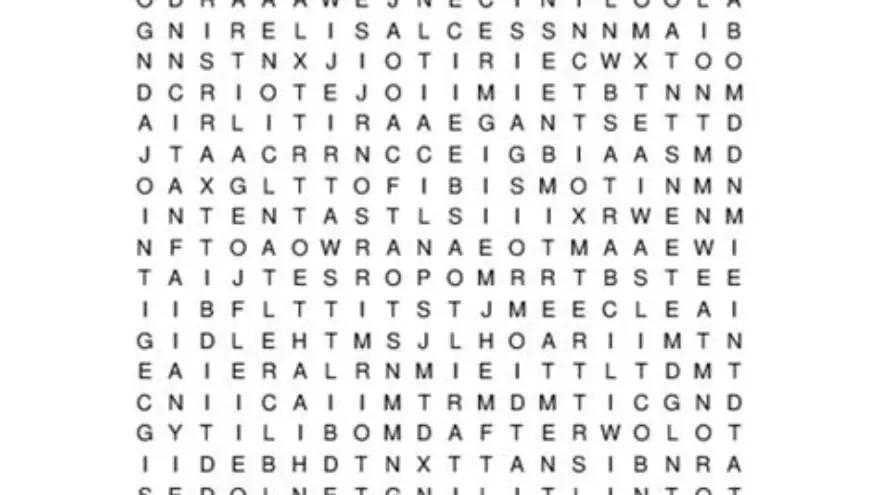
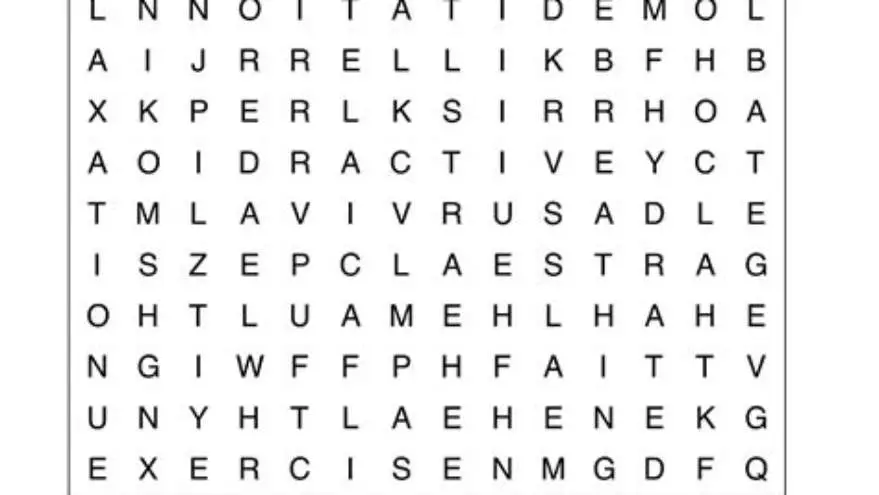
Word searches hold up well because the letters spread wide and the reader can scan slowly. Roomy spacing helps side vision pick up letters near the edges. Circles drawn with a thick dark felt-tip pen stay visible. Pencil marks fade fast. Avoid grids with cramped corners and tiny word lists squeezed at the bottom, since lists need the same large print as the grid. For the detail, see our notes on word search for macular degeneration.
Mazes suit many readers with a blurred centre because the path is one clear line to follow. Paths with thick walls read better. Thin turns blur fast. Readers can trace with a pen and rest their eyes at each turn. Large-print playing cards and low-vision bingo cards with sliding windows work on the same idea and keep the key mark big and bold.
Crosswords and sudoku can still work, but only with the right layout. Choose crosswords with large squares, short clues, and clues printed in the same large type as the grid. For sudoku, choose thick lines between boxes and bold numbers. The Gentle Minds Activity Kit is our own product, and it offers large-print activities at three levels for days when one level feels too hard. Its honest limit is clear: it was made for memory loss, not for vision loss, so test its print the same way. Our free large-print word search maker gives a free manual alternative, since it lets you set the type size yourself for each page.
- Search grids: wide grids, large word list, thick pen circles.
- Maze: wide paths, thick walls, one clear line to follow.
- Sudoku: bold numbers, thick box lines, large squares.
- Bingo: large cards, sliding window, bold numbers.
| Puzzle type | Print need | Centre blur risk |
|---|---|---|
| Word search | Large list print | Low, letters spread wide |
| Maze | Thick path lines | Low, one line to trace |
| Sudoku | Bold large numbers | Medium, grid stays central |
| Crossword | Large squares, big clues | High, clues pack tight |
Try this short test before you buy anything
Testing at home saves more money than any cover label. Use one sample page, or open a book to a full page, and set the scene the way the person will really use it. Sit in the usual chair, at the usual table, with the usual lamp. Good light and the five-minute test give a true result, while a rushed test in a shop aisle tells you little. People in this spot often ask about easy word search for dyslexic seniors as well.
Watch the reader, not the clock, while they work through the page. Note where the eyes stop, where the pen lifts, and where the reader asks for help. Working pages let the reader keep going without long pauses. Failing pages bring sighs and skipped lines. Hands shade the eyes. Small signs count as much as the words read right.
Save the best page and note what made it work, then use those notes as your buying rule. Write down the type size, the paper shade, and the puzzle type that felt easiest. Notes like that stop guesswork. Shopping feels easier next time. Passing puzzles earn their place on the shelf. One that fails goes back, even when the cover looks perfect.
- Open one full sample page in the usual chair.
- Aim the lamp straight at the page, not behind the reader.
- Ask the reader to read a line from the centre aloud.
- Let the reader solve with a thick dark pen.
- Note the type size, paper shade, and puzzle type that worked.
What to look for on the page: print, paper, and pens
Print size is the first check. Start at 18 point type and test it at arm's length, then go larger if the middle still blurs. Bold black print on matte white or cream paper gives the strongest contrast, so check the print and the paper together on a sample page. Labels like jumbo vary from book to book, so trust the page in front of you, not the word on the cover. It helps to understand word search puzzles for seniors with arthritis before going further.
Paper and ink decide whether large print stays readable. Glossy paper glares under a lamp. Pale ink fades fast. Use the print and paper you tested when you pick a book, and keep the same pair for every page you buy. Thick dark felt-tip pens are easier to see and hold than a pencil, and their marks stay clear on the page.
Spacing gives the eyes room to move, so check the gaps as well as the letters. Gaps between lines stop one line from blurring into the next. Wide margins give the reader a place to rest the eyes. Tight grids undo the good work. Crowded clues do the same. Pages with air around each word feel calmer and read faster.
In the shop, hold a ruler against the type on a sample page to see how tall the letters stand. Enlarge the sample with a phone camera magnifier, and read it as the person would. Compare two books side by side, and pick the one whose letters stay clear at arm's length. For the detail, see our notes on word search for stroke survivors.
When to ask for help, and how to keep puzzling fun
If print keeps blurring despite larger type, or if vision changes, ask an eye doctor. A low-vision specialist can suggest tools that fit the person. Book that visit when print that once felt fine now blurs, or when headaches follow reading. Specialists may suggest a magnifier, a reading stand, or a stronger lamp, and such tools work with large print rather than instead of it. Well-chosen tools can turn a hard page into a fair one.
For one word at a time, a handheld magnifier can enlarge the print for a closer look. A stand magnifier sits on the page and leaves both hands free for a pen. Aim a task lamp at the page to add light where the print sits. Try each tool on a sample page before you buy it.
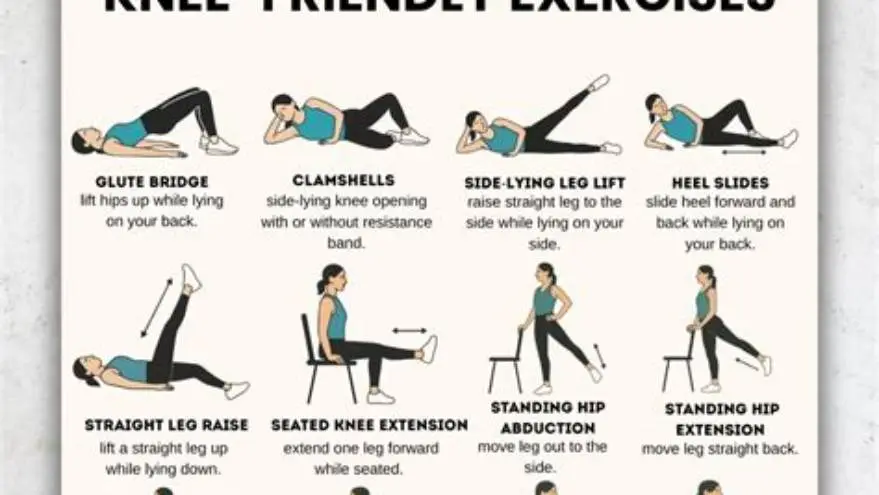
Hold sessions short and stop while the puzzle still feels good. Twenty minutes of calm puzzling beats an hour that ends in sore eyes. Offer a break or a drink. Spoken games rest tired eyes. Let the reader pick the puzzle type each day, since good days and bad days differ. Choice keeps the habit alive when vision varies. We cover knee replacement activities for seniors in its own article.
Praise the solving, not the speed, and keep the mood light. Finished mazes or found words count as a win, even when they took a while. Solve together when the reader wants company. Sit back when they want quiet. Puzzles work best as a pleasant hour, not a test of sight. Gentle pacing brings the reader back tomorrow.
Still wondering?
What print size should I start with for macular degeneration?
Test a sample page at arm's length and watch how the middle reads. Ask the reader to read a line from the centre of the page. Move up a size when words still blur or merge.
Are large-print puzzle books always large enough?
No, labels like jumbo vary from book to book. Many books print large grids and small clues. Check the real type size on a sample page before you buy.
Which puzzle is easiest with a blurred centre?
Searches and mazes often feel easiest, since they spread the work across the page. Crosswords need large squares and short clues. Test one page of each type and let the reader choose.
What pen works best for large-print puzzles?
Thick dark felt-tip pens work best for most readers. Their marks stay bold and easy to see, and the barrel is easier to hold than a thin pencil. Leave a spare pen beside the book.
When should we see an eye doctor?
See an eye doctor when vision changes, print blurs that once felt fine, or reading brings headaches. Then a low-vision specialist can suggest tools that fit the person. Do not wait when the change feels sudden.