Birthday gifts for dementia patients: 3 activity types that spark engagement
Choose birthday gifts for dementia patients that match their cognitive stage and promote meaningful moments.
Birthday gifts for dementia patients should match their cognitive stage and focus on sensory, cognitive, or comfort activities that engage without frustrating. Activities like large-print puzzles, sensory kits, or conversation cards work well for enjoyment and connection.
On this page (8 sections)
- The short version
- Which gifts suit early versus late dementia
- How gifts support memory and comfort
- Examples of sensory and cognitive activities
- Birthday gifts for dementia patients: Gentle Minds Activity Kit
- How to choose and prepare activity gifts for dementia patients
- How gifts support memory and comfort for dementia patients
- Questions people still ask
Part of our guide on christmas gift ideas for dementia patients
Find birthday gifts for dementia patients that truly engage by matching activity difficulty to their cognitive stage and needs.
| Levels of activities | 3 difficulty tiers |
|---|---|
| Printable pages | 130+ included |
| Font size | large print |
| Activity types | sensory, cognitive, comfort |
| Conversation cards | 48 cards |
| Suitability | memory loss adults |
The short version
- Match gifts to dementia stage: early or late for best engagement.
- Use sensory and cognitive activities to support memory and comfort.
- Choose large-print, clear materials to reduce frustration.
- Activity kits with multiple levels adapt as dementia progresses.
- Gifts that encourage conversation build connection and joy.
Which gifts suit early versus late dementia
Early-stage dementia gifts demand a balance of challenge and comfort. Choose puzzles or activities that stimulate cognition without overwhelming. Large-print crosswords, simple sudoku, or word searches with familiar topics can fit.
Late-stage dementia needs softer, sensory-based gifts. Items that soothe like textured objects, simple matching games, or memory cards with photos support engagement without requiring complex thinking.
Matching the gift to dementia stage prevents frustration or boredom. Early-stage users benefit from cognitive stimulation to maintain skills, while late-stage users gain from sensory comfort and familiar patterns.
Adjust activities as dementia progresses. Gifts with multiple difficulty levels or adaptable content allow you to keep engagement as abilities change. It helps to understand gentle cognitive engagement gifts before going further.
In early dementia, gifts that include familiar hobbies work well. For example, a knitting kit with large needles suits someone who used to knit. The tactile activity feels familiar and comforting while engaging fine motor skills.
Late-stage dementia gifts should avoid complexity. Simple sensory items like a soft lap blanket or aromatherapy diffuser with lavender oil can calm agitation. These gifts focus on soothing senses rather than task completion.
How gifts support memory and comfort
Gifts that combine cognitive tasks with sensory comfort enhance memory support. Familiar images or words can trigger recall and conversation. The other half of this decision is activities for early stage dementia at home.
Comfort-focused gifts include tactile items or soothing music that calm anxiety common in dementia. These reduce agitation and improve mood.
Memory and comfort links form when activities allow safe, no-pressure participation. This encourages positive emotions and reduces feelings of isolation.
At-home caregivers should look for materials that promote interaction, not just solitary tasks. Conversation starters or shared games strengthen bonds. We go through gifts for dementia patients in nursing homes step by step elsewhere on the site.
Repetition helps reinforce memory but avoid forcing tasks. When activities become too hard, switch to simpler sensory options to keep comfort high.
Use familiar smells like lavender or peppermint to trigger positive associations. These scents often evoke memories and calm nerves during anxious moments.
A small weighted blanket or lap pad can soothe restlessness. Weighted items provide gentle pressure that helps reduce agitation and promote relaxation during activity time. For the detail, see our notes on gifts for dementia patients.
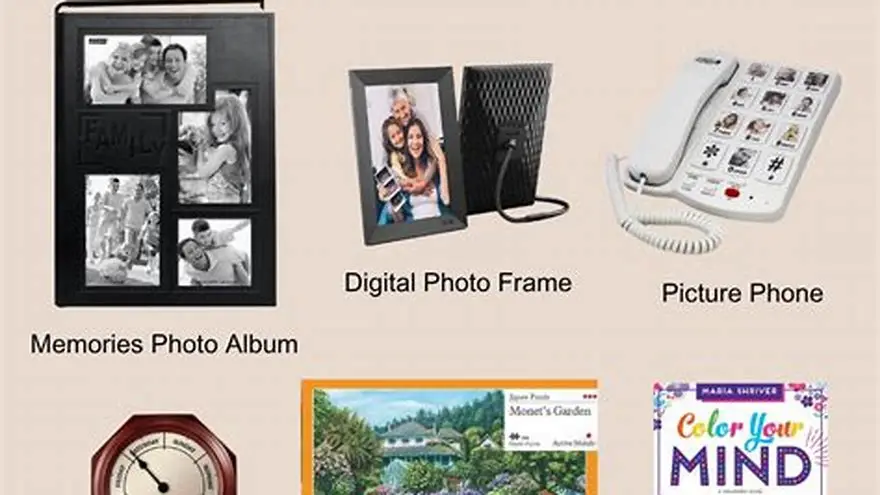
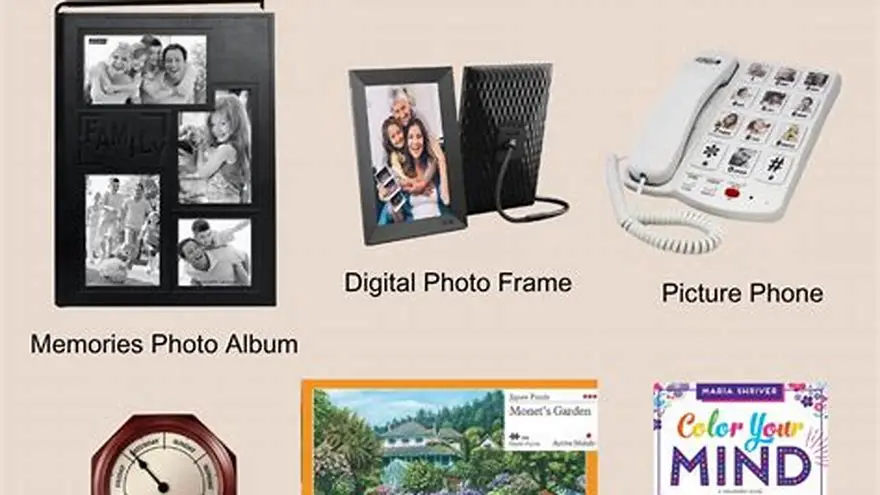
Visual aids like photo albums with large, clear images also support memory. Looking at pictures of family events can prompt smiles and stories. These shared moments create connection and reduce feelings of loneliness.
Comfort items that engage multiple senses work best. For example, a soft pillow that emits gentle music or scent combines tactile, auditory, and olfactory comfort. This multisensory approach helps maintain calm when memory declines.
Examples of sensory and cognitive activities
Sensory activities include touching soft fabrics, using scented objects, or listening to familiar music. These stimulate senses gently, especially for late-stage dementia. There is more on caregiver gifts for dementia in a separate guide.
Cognitive activities range from large-print word searches to simple matching and sorting games. These support executive function and memory in early stages.
Conversation cards featuring familiar themes help both sensory and cognitive engagement. They encourage storytelling and memory sharing.
Combining these activities in a single kit lets you pick what fits the user’s current abilities and mood.
Try a simple matching game with picture cards showing family members or favorite animals. Matching grandma’s photo with the name encourages recognition and pride.
Play familiar music while sorting colorful scarves or soft balls. The music lifts mood and the hands-on task keeps engagement focused without stress.
Use scented play dough made with safe, calming fragrances to combine touch and smell. Molding shapes can calm the mind and improve fine motor skills.
- Sensory: soft textured cloths, scented sachets, music playlists
- Cognitive: large-print puzzles, matching games, word searches
- Conversation: themed cards prompting personal stories
- Multi-level kits: adjust difficulty as needed
Birthday gifts for dementia patients: Gentle Minds Activity Kit
The Gentle Minds Activity Kit offers printable, large-print activities designed for adults with memory loss. It features three difficulty levels (Gentle, Easy, and Steady) to match early through moderate dementia stages.
With over 130 pages and 48 conversation cards, it provides variety to keep users engaged without feeling childish or simplistic. The kit also includes a caregiver guide to assist facilitation.
This product saves time for family and caregivers who struggle to find suitable activities. You print pages as needed, and there are no wrong answers, reducing pressure on users.
Note that it’s not a medical treatment or therapy tool. Instead, it’s designed purely for enjoyment, connection, and easy engagement.
- Three difficulty levels adapt to users’ abilities
- Large-print fonts ease reading for low vision
- Conversation cards encourage meaningful interaction
- Caregiver guide supports activity facilitation
- Not designed to improve memory clinically
- Requires printing resources and some setup
- No physical tactile items included
- Limited to printable activities only
How to choose and prepare activity gifts for dementia patients
Consider the recipient’s current cognitive abilities first. Start with simple, large-print puzzles or sensory items if unsure.
Prepare by setting a calm environment free from distractions. Present one activity at a time to avoid overwhelm.
Use conversation cards or prompts to encourage sharing memories and feelings during activities.
Be ready to switch activities quickly if the person loses interest or becomes frustrated. Flexibility fosters positive experiences.
Test activities yourself before gifting. This helps ensure instructions are clear and materials are easy to handle. For instance, print and try out a word search to check font size and difficulty.
Label items clearly with large, readable text. Use bright colors to help draw attention to the activity. This small step reduces confusion and encourages participation.
Prepare to guide gently through the activity. Offering help without taking over keeps the experience positive. For example, ask questions about the pictures or words instead of correcting errors.
- Assess dementia stage and abilities.
- Select an activity with matching difficulty and sensory appeal.
- Create a distraction-free, comfortable setting.
- Introduce one activity gently and observe response.
- Encourage conversation and participation without pressure.
- Change or pause the activity if signs of frustration appear.
How gifts support memory and comfort for dementia patients
Engagement through appropriately chosen activities stimulates cognitive function gently and maintains a sense of identity.
Sensory input from tactile or visual aids can soothe anxiety and provide comfort in later dementia stages.
Gifts that encourage interaction reduce isolation and improve emotional wellbeing.
Repeated, positive experiences with these gifts can create new, enjoyable memories and moments of calm.
Observe how the person responds to each gift. Signs of enjoyment include smiling, humming, or relaxed posture, which show the gift suits their needs.
Avoid gifts that demand fast thinking or complex instructions. Confusion can cause agitation and reduce the chance of positive interaction.
A gift that respects the person’s history and preferences supports dignity. For example, a gardening-themed activity for a former gardener invites meaningful connection and joy.
Questions people still ask
What types of activities work best for someone in early dementia?
Choose puzzles and games with moderate challenge, large print, and familiar themes. Word searches, simple crosswords, and conversation cards promote engagement and memory without causing frustration.
Are sensory gifts useful for people with late-stage dementia?
Yes, sensory gifts like textured objects or soothing music help calm anxiety and provide comfort when cognitive abilities decline.
How can I avoid giving gifts that feel childish to adults with dementia?
Select activities designed specifically for adults with memory loss that focus on respectful themes, large print, and dignity. Avoid toys or overly simplistic tasks.
Can printable activity kits replace therapy for dementia patients?
No, these kits support enjoyment and engagement but do not treat or cure memory loss. They complement care by providing meaningful activity.
How often should I introduce new activities to someone with dementia?
Offer fresh activities weekly or as interest wanes. Adjust complexity to ability and mood, and prioritize activities that encourage interaction.
Ready to try it? It offers printable, multi-level activities tailored specifically for adults with memory loss to keep them engaged and connected.
Try the Gentle Minds Kit