Birthday gifts for dementia: which activities suit each stage
If you match the gift to the person's current stage, a birthday gift can still bring a real moment of joy. For most families that means simple sensory comforts and large-print activities at the right level, not puzzles that frustrate or toys that feel childish.
On this page (8 sections)
- Quick recap
- How dementia stage changes what makes a good birthday gift
- What birthday gifts for dementia patients actually get used at each stage
- Early-stage ideas that keep connection without feeling childish
- Mid-stage gifts that calm the hands and support memory
- Late-stage gifts that comfort through the senses
- How to choose without causing frustration or overstimulation
- Still wondering?
Part of our guide on supporting comfort with holiday gifts
Key figures
- Early stage focus
- Choice and conversation
- Mid stage focus
- One-step, tactile tasks
- Late stage focus
- Sensory comfort, no rules
- Print size
- At least 18 pt, 24 pt better
- Best gift test
- Can they start without help?
- Session length
- 10 to 20 minutes max
Quick recap
- Match the gift to stage, not age: early needs choice, mid needs guidance, late needs comfort.
- Pick activities with large print, high contrast and one task per page.
- Test for frustration: if it needs more than two steps, simplify it.
- Add a sensory layer (texture, music or scent) to invite participation without words.
How dementia stage changes what makes a good birthday gift
A gift that delighted someone six months ago can confuse them now if the stage has shifted. Early changes affect planning and short-term recall, mid-stage brings word-finding and hand coordination slips, late-stage narrows response to touch, sound and familiar voices. Stage matters more than age when you choose.
In early stage, people often manage daily tasks with prompts but tire quickly. Gifts work when they offer choice without overwhelm, like a puzzle with clear instructions or a conversation card with one question. Keep print at 18 pt or larger and contrast high, because low vision makes small, crowded pages hard to use.
By mid and late stages, success depends on senses rather than memory. A gift that asks someone to remember rules or hold many steps fails. That failure costs more than money, it costs confidence and you lose the birthday moment. The next section shows which birthday gifts for dementia patients line up with each stage so you can spot the right level fast.
| Stage | What changes | Gift sweet spot |
|---|---|---|
| Early | Mild memory slips, needs prompts | Large-print puzzles, conversation cards |
| Mid | Language and sequencing harder | Tactile, one-step activities |
| Late | Limited speech, sleeps more | Sensory comforts, music, texture |
What birthday gifts for dementia patients actually get used at each stage
Families often buy a standard puzzle book and find it sits untouched. Print runs 10-12 pt, clues assume recent knowledge, and pages cram many tasks together. For someone with memory loss, that format asks for too much working memory at once. Use falls off after the first try. It helps to understand gifts for dementia patients in nursing homes before going further.
The Gentle Minds Activity Kit is our printable kit made for this exact mismatch. It groups over 130 pages into three levels (Gentle, Easy and Steady) so you can match the activity to the person's current stage without guessing. You get large-print pages, 48 conversation cards and a caregiver guide, and you can reprint pages as needed. It does not treat or slow memory loss, and some people will still prefer sensory gifts over any paper activity.
A free alternative is to make your own pages with large print and one task per sheet. Our free Large Print Word Search Maker does that for word searches, and you can hand-write a name or birthday words for a personal touch. Whether you print a kit or make a page, the test stays the same, can they start within 30 seconds without extra explanation. That quick start predicts whether a gift gets used after the birthday.
Early-stage ideas that keep connection without feeling childish
Early-stage gifts should feel adult and respectful, with clear success built in. People in this phase still enjoy conversation and light challenge, but they notice when a task feels babyish. Look for large-print crosswords with familiar words, word searches using family names or hometowns, and sudoku with 16-18 pt numbers and extra white space.
A good birthday bundle pairs one cognitive activity with one conversation prompt. Try a large-print puzzle book with one puzzle per page, plus a set of conversation cards that ask about music, work or holidays. Owners commonly report that cards work better than trivia because there are no wrong answers, only stories, and that keeps the moment warm even if recall is patchy.
Avoid gifts that demand speed, competition or multi-step setup. Timed games, 500-piece jigsaws and apps with small touch targets often lead to frustration. Choose instead a single-deck card game with large indices, a simple photo album with captions in 20 pt, or a birthday word search made from the guest list. That choice keeps dignity intact and invites you to play together rather than watch them struggle.
- Large-print puzzle: one puzzle per page, answers separate for helpers
- Conversation cards: one open question per card, no scoring
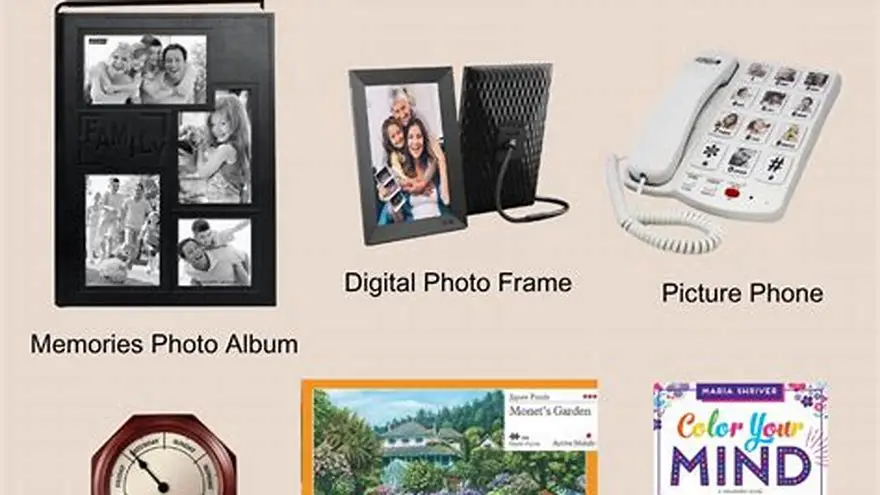
- Photo gifts: labeled pictures with names in 20 pt or larger
- Word search: birthday words like names, towns, favourite foods
Mid-stage gifts that calm the hands and support memory
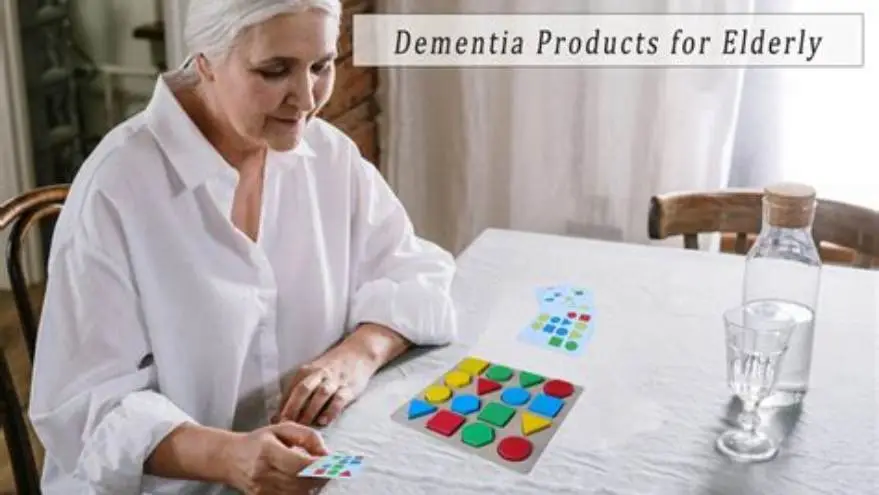
Mid-stage birthdays call for gifts that occupy the hands and invite calm, not recall. Language is harder and sequencing slips, so activities with one clear action per page hold attention longer. Think sorting by colour, matching large pictures, tracing mazes with a thick marker, or lacing cards with large holes and soft cord. We cover choosing meaningful engagement for Christmas in its own article.
Sensory gifts shine here. A soft lap blanket with varied textures, a simple music player with three to five preset songs, or a set of familiar scent cards can anchor a visit when words fade. Pair a tactile gift with a short activity, like a 15-minute word search in 22-24 pt followed by tea, and you get a birthday that feels unhurried. Families often say short, repeated sessions beat one long effort.
Watch for overstimulation. Gifts with many buttons, bright flashing lights or background chatter can tip a pleasant moment into agitation within 5 to 10 minutes. Choose quiet, high-contrast materials and keep the table clear. If they push a gift away, that is not rudeness, it is feedback. Swap to a simpler texture or a familiar song and the mood often settles.
| Gift type | Why it helps | Watch for |
|---|---|---|
| Large-picture matching | One decision at a time | Too many cards on table |
| Mazes with thick lines | Hand follows eye, low language load | Lines too thin or faint |
| Texture sorting | Touch guides attention | Small parts that pinch |
- one step at a time
- large handles and textures
- no score, no timer
- easy to restart after pause
- too many pieces frustrate
- small print tires eyes
- loud or flashing parts overstimulate
Late-stage gifts that comfort through the senses
Late-stage birthdays are about comfort and presence, not performance. Speech may be limited and sleep increases, so gifts that ask for answers miss the mark. The best gifts offer gentle sensory input with no task to complete, like a soft shawl warmed before giving, a familiar lotion scent or a small photo pillow with a clear, single image. Before you commit to anything, it is worth looking at activity gifts for dementia patients.
Music remains a strong bridge. A simple player loaded with 3 to 6 favourite songs from younger years, played at low volume for 10-15 minutes, often brings toe taps or humming when conversation does not. Keep controls to one or two large buttons. Practitioners commonly report that low volume and a calm room matter more than song choice.
If you want an activity, keep it entirely passive or hand-over-hand. A large-print picture to look at together, a single large-piece puzzle with 4 to 6 pieces, or a fabric book with different textures invites touch without rules. Sit close, name what you both see, and let them lead. That shared attention is the gift, and it sets up the next idea, how to pick without tipping into frustration.
How to choose without causing frustration or overstimulation
Start with a quick at-home check before you wrap anything. Place a sample page in 20-24 pt on a plain table and watch the first 60 seconds. Can they find the start point, hold the marker and make one mark without extra cues. If they scan and stall, the task is too busy or the print too small. The other half of this decision is what is a good gift for a person with dementia.
Keep the birthday setup calm. One gift open at a time, soft daylight, low background noise and a clear surface reduce overload. Give instructions in one short sentence, then pause. Offer help by doing the first item together, not by correcting. If frustration rises, switch to a sensory option like music or a textured cloth for a few minutes.
Use a simple filter when you shop. Ask, does this gift need more than two steps to start, does it require remembering rules, and can it be enjoyed in 10-minute bursts. If you answer yes to the first two, choose a simpler version. That filter explains why large-print, one-task-per-page activities and soft sensory gifts get used, and why complex games collect dust after the candles are blown out.
- Watch a typical 10-minute window: when do they focus best, morning or after lunch.
- Test one sample page in 20-24 pt and note if they start without help.
- Choose one main gift for the stage plus one sensory backup.
- Set the table: one gift open, quiet room, thick marker ready.
- Stay nearby for the first two minutes, then let them lead.
Stage-matched, large-print and sensory gifts beat generic puzzles for birthdays: they get used because they meet the person where they are.
Still wondering?
What's a safe birthday gift if I don't know their exact stage?
Choose a sensory comfort plus a large-print activity at the easiest level. A soft lap blanket or simple music player works across stages, and a one-task-per-page word search in 22-24 pt lets you gauge response without pressure.
Are puzzles still okay for mid-stage dementia?
Yes, when they are large-print, high-contrast and limited to one task per page. Avoid timed or competitive puzzles and keep sessions to 10-20 minutes. If they stall in the first minute, switch to a tactile or music activity.
How do I avoid gifts that feel childish?
Pick adult themes, clear fonts and respectful language. Photos with names, hometown word searches and conversation cards about work or music feel dignified. Skip cartoon art, primary-colour toys and anything that scores or ranks them.
How many gifts should I bring to a birthday?
One main gift and one small backup is plenty. Too many boxes create clutter and choice overload. Open gifts one at a time and keep the table clear so attention stays on the person, not the pile.
Ready to try it? It gives you stage-matched, large-print activities and conversation cards you can reprint for the birthday and beyond
See what's inside the kit