Large-print Christmas gifts that match early, middle, and late stage
Choosing Christmas gifts for dementia patients depends on their stage: early, middle, or late. The Gentle Minds Activity Kit fits all stages with three difficulty levels, providing large-print, engaging activities that avoid childishness and frustration.
On this page (7 sections)
- Quick recap
- How early, middle, late stage changes what gift gets used
- Large-print and low-frustration features that prevent confusion
- Gentle Minds kit contents and who it fits best
- Gifts to skip because they feel childish or overwhelm
- How to wrap and present gifts for calm opening on Christmas day
- Still wondering?
Part of our guide on christmas gifts for dementia patients
Key figures
- Activity levels
- 3 levels
- Printable pages
- 130+
- Conversation cards
- 48
- Gentle Minds price
- One-time payment
- Large print size
- Easy to read
- Gift suitability
- Early to late stages
Quick recap
- Match gifts to dementia stage for use and enjoyment.
- Use large-print activities to reduce confusion and frustration.
- Gentle Minds Activity Kit offers three difficulty levels for memory loss.
- Avoid gifts that feel childish or too complex at each stage.
- Wrap gifts calmly to ease opening and encourage engagement.
How early, middle, late stage changes what gift gets used
Dementia's progression affects what activities a person can enjoy. In the early stage, patients generally handle puzzles and games that require some memory and reasoning. They appreciate moderately challenging large-print activities that keep their minds engaged without overwhelming them. Middle-stage dementia patients benefit from simpler large-print tasks emphasizing recognition and familiar patterns rather than complex problem solving. Activities need to be straightforward to prevent frustration or confusion.
Late-stage dementia often limits interaction mostly to sensory stimulation or very simple tasks. Gifts for this stage should focus on comfort and minimal cognitive load, like tactile objects or highly visual, low-demand activities in large print. Timing matters: a gift too challenging may be unused, while one too simple can feel childish and cause disengagement.
Caregivers and family often report that correctly matching activity difficulty to the dementia stage strongly increases the chance the gift will be used and bring moments of calm enjoyment. Matching stage and skill reduces frustration and feelings of failure, both common issues with poorly chosen gifts.
The early stage lasts from diagnosis up to about two years, but varies individually. Activities here should challenge but not frustrate, with print sizes around 20 points or larger to accommodate early vision changes. For middle stage, lasting up to five years, gifts need to be simpler, focusing on recognition rather than problem solving. Large print should be at least 24 points with high contrast to aid slower processing. Late-stage dementia often spans several years with more severe cognitive and physical decline. Gifts here should focus on calming sensory input, large textures, or music, using print sizes larger than 28 points if any text is involved. There is more on birthday gifts for dementia patients in a separate guide.
- Improves engagement
- Reduces frustration
- Requires knowing stage
- Needs reassessment over time
Large-print and low-frustration features that prevent confusion
Large-print puzzles and activities prevent eye strain and confusion for those with low vision, which often accompanies aging and dementia. Font sizes of at least 18 points are common in well-designed dementia activities, with high contrast between text and background.
Low-frustration design means simple instructions, large spaces for writing or marking answers, and no penalizing mistakes. Activities that allow open-ended answers or creativity are preferred, as they avoid feelings of failure.
Features that aid usability include familiar themes, clear layout without clutter, and activities that don't require remembering complex rules. For example, large-print word searches with themed lists are often easier to manage than complex sudoku or crosswords for middle to late stages. We go through dementia gifts for Mother's Day step by step elsewhere on the site.
A simple home test: hold an activity a foot away and check if letters fill about 7-10mm height and contrast is sharp. If not, it likely causes strain or confusion.
Large-print activities also benefit from clear, simple fonts like Arial or Verdana, as decorative fonts can confuse users. Paper quality matters: matte finish reduces glare, which can cause eye strain or confusion with glossy sheets. Use of color should be consistent and meaningful; avoid bright, clashing colors that distract or overwhelm.
Another key feature is the size of interactive elements. For example, puzzle pieces or writing spaces need to be large enough for users with motor skill challenges common in dementia. A crossword with 3x3 letter boxes is often easier than standard 1x1 boxes. If that sounds like your situation, read up on activity gifts for dementia patients next.
Test usability by asking a caregiver to observe the user attempting the activity. Signs of confusion or frustration indicate the design is too complex. The activity should invite participation, not create stress.
- Easy to read
- Clear instructions
- Not all puzzles fit every stage
- Some large-print designs still overwhelm
Gentle Minds kit contents and who it fits best
The Gentle Minds Activity Kit includes over 130 printable pages with three difficulty levels: Gentle, Easy, and Steady. It features large-print puzzles, word games, mazes, and 48 conversation cards designed to stimulate memory and connection. A caregiver guide helps facilitators adapt to the user's abilities and encourages conversation rather than strict correctness.
The kit suits adults living with memory loss at all dementia stages, especially early and middle stages where engagement and conversation are possible. Users get daily planning pages for activity structure and no-wrong-answer tasks that reduce pressure. Before you commit to anything, it is worth looking at gifts you can finish in one sitting.
Because it is printable, caregivers can print fresh pages as needed, allowing repeat use without wearing out the materials. The large-print format and staged difficulty avoid the pitfalls of too-simple or childish activities. It does not provide medical therapy but creates enjoyable moments of connection and mental activity.
The Gentle Minds Kit's limitation is that it requires caregiver involvement to choose levels and encourage use. It is also not for those seeking treatments or clinical cognitive improvement.
The Gentle Minds kit includes themed activities like 'Familiar Places' and 'Seasonal Memories' that evoke reminiscence, which can soothe anxiety and improve engagement. Each difficulty level adjusts the number of clues or the complexity of puzzles, letting caregivers tailor sessions daily. We go through gifts for seniors with low vision step by step elsewhere on the site.
For example, at the Gentle level, word searches use a list of five large-print words with a 12x12 grid. The Easy level has 10 words with a 15x15 grid, while Steady has 15 words in 20x20 size. This gradation helps users maintain confidence while gently stretching abilities.
Caregivers report the conversation cards spark meaningful dialogue even when users struggle to find precise words. The cards avoid yes/no questions, inviting storytelling instead. This can enhance emotional connection on Christmas day and beyond.
- Tailored difficulty levels
- Printable and reusable
- Supports conversation
- Needs caregiver guidance
- Not a therapy tool
Gifts to skip because they feel childish or overwhelm
Gifts perceived as too childish can cause embarrassment or disengagement in adults with dementia. Avoid items with cartoonish images, overly simplistic games aimed at children, or toys with small parts and complex assembly.
Overwhelming gifts include puzzles or games with tiny print, many complicated rules, or too much sensory input, which may confuse or frustrate the user. For example, standard sudoku books with small print or crosswords with obscure clues often deter use.
Family caregivers commonly report that skipping brand-name children's games and choosing adult-themed, stage-appropriate large-print activities leads to better engagement. Activities that use familiar topics or evoke memories also avoid the feeling of childishness.
When in doubt, test a gift with simple questions: "Would this be comfortable and respectful for an adult with mild to moderate memory loss?" If not, opt for something simpler or more familiar.
Gifts that combine multiple sensory inputs can overwhelm. For example, a music box with flashing lights and moving parts may confuse or startle. Electronic games with timers or flashing screens often cause anxiety.
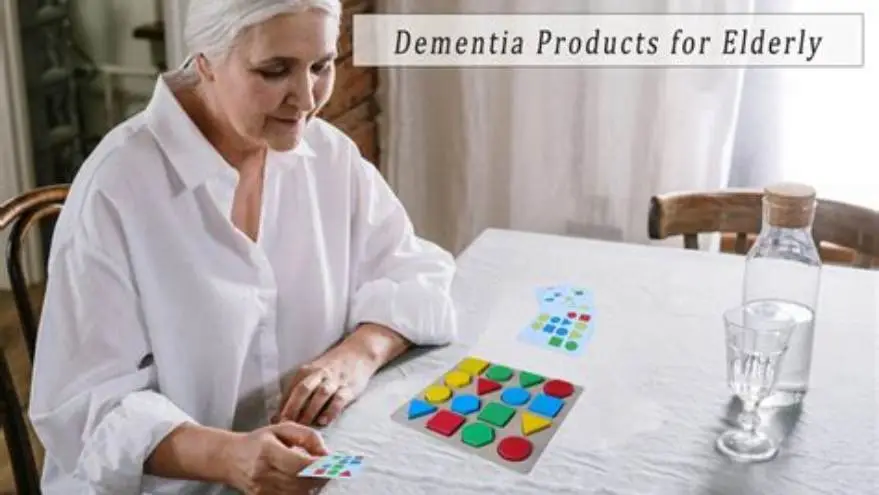
Avoid puzzles with hundreds of tiny pieces or complex assembly kits requiring multiple steps. These often frustrate and remain unused. Instead, choose large-piece jigsaw puzzles with familiar images and no time pressure.
Caregivers find that adult coloring books with large simple patterns and thick crayons work better than children's coloring sets with tiny details and lots of colors. The goal is to avoid infantilizing while keeping activities accessible.
- Avoids embarrassment
- Prevents frustration
- Limits some fun options
- Requires selection effort
How to wrap and present gifts for calm opening on Christmas day
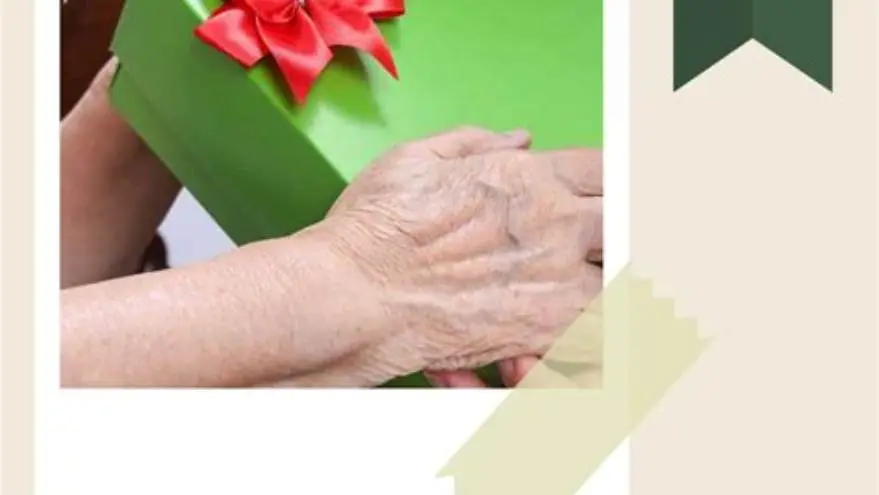
Gift presentation impacts how a person with dementia receives it. Wrapping with simple, non-fussy paper and avoiding excessive tape or bows helps the recipient focus on the gift itself.
Use clear labels with large, readable print naming the gift inside to reduce confusion. Caregivers recommend opening gifts slowly, with chances to discuss the item and encourage interaction.
Including a note for the caregiver with suggestions on how to use the gift eases pressure on everyone. Calm environments free of distractions during opening reduce anxiety.
Some caregivers suggest pre-opening the gift and presenting it ready to use, especially for late-stage dementia, to avoid frustration from difficult wrapping. This depends on the recipient's preferences and abilities.
How a gift is presented can make the difference between it being used or ignored for days.
Wrapping gifts in matte paper reduces glare that can cause confusion. Avoid shiny or reflective wrapping. Use wide ribbon or fabric strips that are easy to remove and tactile.
Label gifts with large-print tags naming the item and suggested use times, like 'Morning Puzzle' or 'Evening Conversation Cards'. This helps caregivers plan and prevents the recipient from feeling rushed or pressured.
Offer a warm beverage or snack alongside the gift opening to create a calm atmosphere. Short breaks between gifts prevent sensory overload and allow time for enjoyment.
If the recipient has limited hand mobility, provide tools like scissors for caregivers to assist opening smoothly. The goal is to keep the experience positive and stress-free.
- Reduces confusion
- Eases anxiety
- Needs caregiver planning
- Not all enjoy unwrapping
Still wondering?
Can large-print puzzles improve dementia symptoms?
Large-print puzzles do not improve dementia but provide meaningful engagement and reduce eye strain, which helps maintain quality of life.
Are all dementia patients able to do conversation cards?
Conversation cards work best in early and middle stages when users can participate verbally; late-stage patients may need more sensory activities.
How often should activities be changed for dementia patients?
Activities should be adapted as dementia progresses; frequent reassessment every few months helps keep challenges appropriate.
Can I use the Gentle Minds kit for group activities?
Yes, it includes multiple copies of activities and conversation starters suitable for groups, enhancing social connection.
What if the person rejects all gifts?
Rejection may signal a mismatch of abilities or interests; observe their responses and try simpler or sensory-based gifts next.
Ready to try it? It provides stage-appropriate, printable large-print activities that engage and connect adults with memory loss.
Explore the Gentle Minds Kit