Gifts for moms with dementia: which activities calm vs overwhelm
Choose Mother's Day gifts that avoid recall and small print, focus on easy, engaging activities done together, and promote calm connection to prevent frustration for moms with dementia.
On this page (8 sections)
- Quick recap
- What makes a Mother's Day gift usable vs frustrating when memory has changed
- Activity gifts that don't rely on recall, quizzing, or small print
- What to avoid: gifts that overstimulate, infantilize, or require remembering
- How to gift an activity you do together on the day, not just an object
- How the gentle-minds large-print kit fits and who it suits best
- How to choose and prepare gifts for calm connection on Mother's Day
- Still wondering?
Part of our guide on christmas gift ideas for dementia patients
Key figures
- Activity pages
- 130+
- Activity levels
- 3 levels
- Conversation cards
- 48 cards
- Print sizes
- US Letter & A4
- One-time cost
- from $19
Quick recap
- Avoid gifts requiring memory recall or reading small print.
- Choose activities that match current abilities to prevent frustration.
- Do-together activities build connection and reduce isolation.
- Large-print and no-wrong-answer formats suit changing cognition.
- The Gentle Minds Activity Kit offers printable activities at three levels.
What makes a Mother's Day gift usable vs frustrating when memory has changed

Mothers with dementia often face changes in memory, attention, and vision. Gifts that demand recall or quick thinking can cause frustration, anxiety, or withdrawal.
A usable gift respects these changes by focusing on current abilities without testing memory. It offers clear visuals, simple instructions, and a gentle pace.
Caregivers and family report that gifts allowing familiar, easy experiences create calm moments and boost confidence, while overly complex gifts usually get abandoned.
Avoiding frustration means choosing activities that are not too hard nor too simple, never punishing for forgotten steps or answers. It helps to understand activity gifts for dementia patients before going further.
Lighting and noise levels affect usability too. A gift that seems perfect in a quiet room might overwhelm in a noisy setting. For example, a music player with many buttons can confuse if background noise competes for attention.
Physical comfort matters. Gifts requiring fine motor skills or awkward hand positions frustrate those with arthritis or tremors. A card game with large, easy-to-handle pieces suits better than small tokens that slip out of fingers.
Check for visual clarity beyond print size. High contrast between text and background reduces eye strain. Colors that fade into each other or patterns that confuse can make an activity unusable, even if it looks attractive at first glance. We cover Mother's Day ideas for dementia in its own article.
Activity gifts that don't rely on recall, quizzing, or small print
Gifts for dementia patients work best when they don't demand remembering names, dates, or sequences. Activities relying on recognition or sensory engagement succeed more often.
Large-print puzzles, simple word games, and conversation prompts that encourage sharing memories rather than testing recall provide meaningful engagement.
Avoid small print that strains vision or activities with multiple steps. Instead, look for tasks with clear, bold visuals, simple choices, and freedom to respond without pressure. For the detail, see our notes on what is a good gift for a person with dementia.
A number of printable kits offer activities designed this way, letting you print what fits your mom’s abilities and interest level.
Sensory activities such as tactile crafts or simple gardening engage without demanding memory. Kneading soft clay or planting easy-care seeds offers hands-on focus without pressure.
Music-based gifts that encourage humming or clapping along tap into emotional memory separate from recall. A playlist of familiar songs can prompt smiles and gentle movement. People in this spot often ask about Christmas gifts for dementia patients as well.
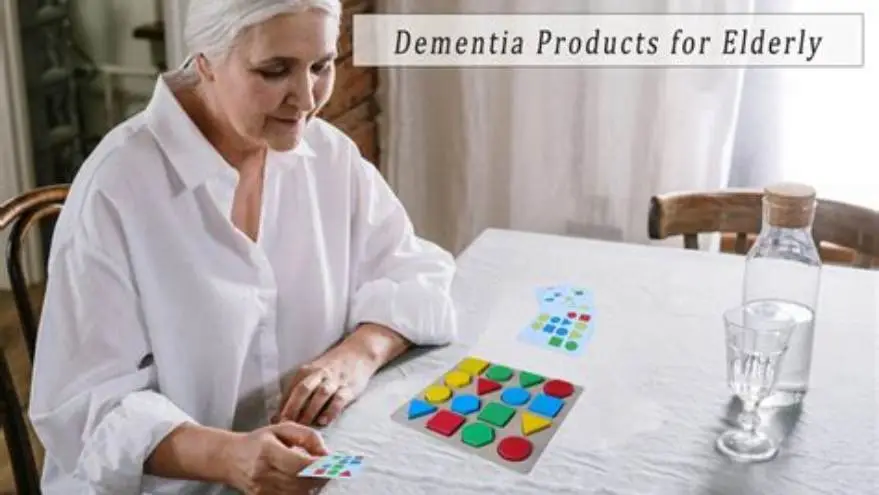
For example, a simple matching game using large cards with clear images can keep attention without requiring name recall. Matching a picture of a flower to another flower is easier than naming it.
Check usability by observing if your mom smiles or asks questions rather than shutting down. Positive signs show the activity fits her current abilities.
- Reduces visual strain
- No memory tests
- Encourages conversation
- Simple, clear format
- May not suit all stages
- Requires caregiver support sometimes
What to avoid: gifts that overstimulate, infantilize, or require remembering
Overstimulating gifts with bright flashing lights or loud sounds may increase agitation rather than calm. We go through tactile designs for seniors step by step elsewhere on the site.
Gifts that feel childish, such as baby dolls or overly simplified toys, can offend dignity and lead to withdrawal.
Activities requiring multiple steps, memorizing facts, or timed challenges risk causing frustration and anxiety.
Avoid gifts focused on ‘testing’ memory, like traditional crosswords or trivia games, as these often highlight loss and cause distress.
Complex instructions often confuse, even if the activity seems simple. A craft needing glue, scissors, and several steps risks abandonment halfway through.
Bright flashing lights or loud sudden sounds cause sensory overload, leading to agitation or withdrawal. Avoid digital toys with many flashing buttons or unpredictable noises.
Gifts that mimic childlike items can feel insulting. If your mom resists or ignores the gift, it might feel babyish to her. Instead, choose items that respect her adult identity.
Traditional memory games with strict answers can highlight deficits and cause anxiety. Watch for signs like frowning or pushing the game away. These indicate the gift is too demanding.
How to gift an activity you do together on the day, not just an object
The best gifts for moms with dementia invite shared time, offering calm, connection, and conversation.
Plan an activity you can do side-by-side, such as large-print puzzles or simple crafts, so you both enjoy the moment.
Present the gift with an invitation: sit down together and try it. This avoids the gift becoming an unused object.
Shared activities reduce isolation, promote positive emotions, and create new memories of togetherness despite memory loss.
Shared activities create new positive experiences even if old memories fade. Sitting together with a photo album or simple craft provides comfort and connection.
Try narrating the activity as you go, describing colors, shapes, or sounds. This invites interaction without pressure to answer or remember.
For example, fold large paper and make simple origami shapes together. You do the tricky folds, she presses or colors the paper. It becomes an enjoyable shared moment rather than a test.
An invitation might be, 'Let's try this puzzle together and see what pictures we find.' This frames the activity as a joint discovery, reducing pressure.
- Strengthens relationships
- Encourages participation
- Reduces loneliness
- Increases enjoyment
- Needs caregiver time
- May require patience
How the gentle-minds large-print kit fits and who it suits best
The Gentle Minds Activity Kit is a printable set containing over 130 pages of large-print activities designed specifically for adults living with memory loss.
It offers activities at three difficulty levels to match changing abilities, including conversation cards and daily planning pages to foster connection without testing memory.
Families and caregivers appreciate that it avoids childishness by focusing on mature themes and no-wrong-answer formats that respect dignity.
The kit is downloadable instantly and printable multiple times, so you can tailor daily activities and avoid the frustration of unsuitable gifts.
This kit suits families wanting a ready-made, thoughtful activity solution, especially when planning Mother's Day activities to share together.
How to choose and prepare gifts for calm connection on Mother's Day
Start by assessing your mom’s current abilities: notice what frustrates or comforts her in daily activities.
Choose gifts that match those abilities, favoring large-print, simple instructions, and no pressure on memory.
Prepare to share the activity by setting up a quiet, well-lit space and planning to participate alongside her.
Watch for signs to pause or switch activities if attention wanes or she becomes overwhelmed.
This approach ensures the gift delivers a moment of calm and connection rather than frustration.
Observe how your mom reacts to different types of activities in the days before Mother's Day. Note which keep her calm or make her happy.
Avoid presenting too many options at once. Offering two or three well-chosen items keeps decision-making easy and stress-free.
Consider sensory preferences: some like tactile tasks, others respond to music or visuals. Tailor gifts to these preferences for better engagement.
Test the activity yourself first to ensure instructions are clear and materials are ready. This preparation helps the day go smoothly.
After the activity, share your thoughts about how it felt. Encouragement reinforces positive experiences and builds connection.
Still wondering?
Can activities really help calm someone with dementia?
Yes, activities suited to current abilities can reduce frustration and anxiety. They provide focus, engagement, and moments of positive connection.
What if my mom loses interest quickly?
Keep activities short and flexible. Offer choices and be ready to switch to something simpler or more sensory, like looking at photos or listening to music.
Are large-print activities better for all stages of dementia?
Large print helps with vision changes common in many stages. Adjust activity difficulty level based on cognitive ability to keep tasks manageable.
How can I avoid making my mom feel tested or frustrated?
Select activities with no wrong answers, gentle prompts, and that focus on enjoyment rather than accuracy or speed.
Is it better to gift a physical object or printable activities?
Printable activities offer flexibility and can be tailored daily. Physical objects may be less adaptable but can be meaningful if simple and familiar.