Christmas gifts for nursing home seniors: practical ideas that fit care rules
Practical Christmas gifts for nursing home seniors focus on small, easy-to-use items that fit care rules and bring genuine moments of joy.

Choose gifts that are small, easy to handle, and comply with nursing home rules. Large-print puzzles and lightweight activity kits bring enjoyment without hassle or safety concerns.
On this page (8 sections)
- The short version
- Types of gifts allowed and suitable in nursing homes
- Small and easy-to-use gift ideas for seniors
- Considerations for mobility, memory, and comfort
- How to choose gifts that bring joy without causing difficulties
- Christmas gifts for seniors in nursing homes
- Avoiding common mistakes when gifting nursing home seniors
- Questions people still ask
Part of our guide on supporting comfort with holiday gifts
| Gift size | usually under 12 inches |
|---|---|
| Puzzle print size | letters 18-24 pt |
| Activity kit pages | 130+ printable |
| Product price range | free to |
| Mobility aid role | choose lightweight |
| Memory support | conversation cards included |
The short version
- Gift size matters: small items fit nursing home rules better.
- Large-print puzzles help seniors with low vision participate comfortably.
- Consider mobility, memory, and comfort when selecting gifts.
- Avoid gifts with loose parts or safety risks in care settings.
- Activity kits with varied difficulty engage a broad range of seniors.
Types of gifts allowed and suitable in nursing homes
Nursing homes limit gifts by safety and simplicity. Avoid anything with small, loose parts or that needs assembly. Electrical devices might require approval. Usually, gifts must be small and easy to store, about 12 inches or less in size.
Suitable gifts include puzzles, large-print books, soft blankets, and personal care items that don’t trigger allergies or contain alcohol. Food gifts often must be store-bought and sealed.
Understanding these rules prevents rejected gifts or trouble for seniors and staff. Confirm with the nursing home’s policies before buying.
Knowing which gift types are allowed guides your choices. The next issue is how to pick gifts that seniors will actually use and enjoy. People in this spot often ask about low vision gifts for elderly as well.
Some nursing homes restrict gifts to those that can be easily cleaned or sanitized. This is to reduce infection risks, especially during flu season or outbreaks. Soft items like blankets should be washable or have removable covers.
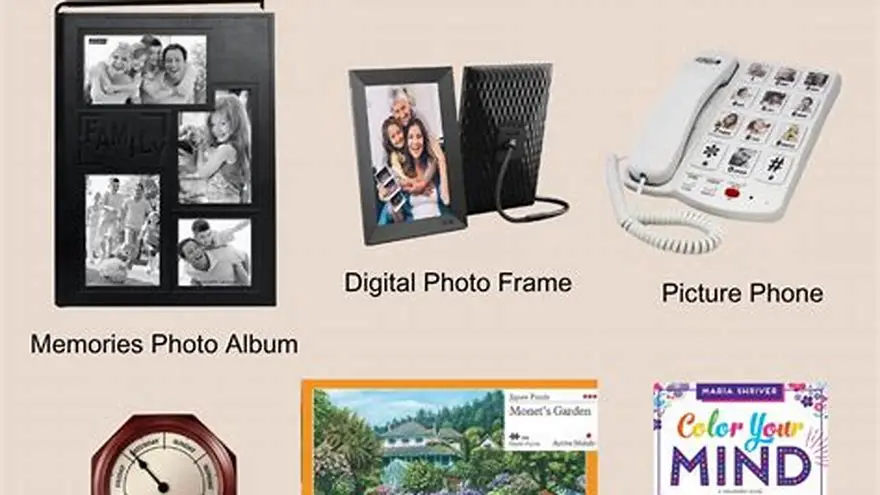
Certain electronic gifts, like radios or digital photo frames, may be allowed if they have simple controls and no internet connection. Check if batteries must be sealed or if rechargeable devices are permitted.
If you want to give a plant, choose artificial ones unless the facility says live plants are allowed. Live plants can cause allergies or need watering, which can be a problem in nursing homes. People in this spot often ask about nursing home activity ideas as well.
Small and easy-to-use gift ideas for seniors
Small size and ease of use are key. Seniors often handle gifts with limited strength or dexterity. Select gifts like large-print puzzles, simple games, or activity kits that weigh under a pound and have clear, large text.
Large-print puzzles with letters sized 18 to 24 points reduce eye strain. Lightweight materials mean the senior can hold and manipulate them without assistance.
Examples include printable word searches or sudoku puzzles in large print. Activity kits designed specifically for adults with memory loss also fit well. We go through gifts for nursing home dementia patients step by step elsewhere on the site.
Focus on how the gift will be used daily or weekly. Items forgotten on shelves do no one any favors.
Once you know which gifts fit the rules and ease-of-use, consider mobility and memory needs next.
- Large-print puzzles: letters 18-24 pt to aid vision.
- Activity kits: include multiple difficulty levels for memory support.
- Soft-touch blankets: easy to handle and comforting.
- Pre-packaged snacks: sealed and allergy-free.
Considerations for mobility, memory, and comfort
Gifts must respect seniors’ physical and cognitive limits. For mobility, avoid heavy or fragile items. Lightweight, soft items or flat puzzles work best. The other half of this decision is gift ideas for grandma in assisted living.
Memory support needs vary. Activity kits with varied difficulty and conversation cards help engage seniors living with memory loss. These keep minds active without frustration.
Comfort is crucial. Avoid rough textures or complicated gadgets that cause discomfort or confusion. Soft blankets or easy-to-read books create a pleasant experience.
Choosing gifts by senior’s specific conditions prevents unused presents. You want items that bring genuine joy and calm. There is more on helpful gifts for caregivers in a separate guide.
Next, learn how to pick gifts that bring happiness without creating difficulties for seniors or caregivers.
Mobility aids like walkers or wheelchairs must never be gifted without consulting nursing home staff, as these require fitting and maintenance.
For seniors with arthritis or hand tremors, choose puzzles or games with larger pieces and magnetic backs to prevent pieces from slipping. Smooth, rounded edges increase comfort. We cover gifts for dementia birthdays in its own article.
Memory-friendly gifts often include photo albums with labeled pictures or digital frames preloaded with familiar faces. These can help trigger memories and encourage conversation.
- Lightweight items aid mobility
- Varied activity difficulty supports memory
- Soft textures improve comfort
- Heavy items risk injury
- Complex puzzles may frustrate
- Rough materials cause discomfort
How to choose gifts that bring joy without causing difficulties
Prioritize gifts that seniors can handle independently or with minimal help. Check for no loose pieces, no cords, and no choking hazards.
Select large-print puzzles or activity kits with clear instructions and answer keys for helpers. That reduces frustration. Gentle Minds Activity Kit fits this role: it offers printable, large-print activities at three difficulty levels and prompts conversation.
This kit fits families and caregivers who want engagement without therapy claims. It’s a manual, printable solution for people living with memory loss, not a medical device.
Alternatively, free large-print word search makers let you create personalized puzzles with familiar words. This free method saves money but needs more time to prepare.
Balancing seniors’ joy and safety prevents gifts that end up unused or cause extra work.
Once you’ve chosen the right type of gift, consider how to plan buying and delivering them efficiently.
- Supports memory with levels
- Printable, no waiting for delivery
- Includes conversation cards
- Not a medical treatment
- Requires printing and preparation
Christmas gifts for seniors in nursing homes
Finding Christmas gifts for seniors in nursing homes means following rules, focusing on ease of use, and bringing meaningful moments.
Gift small, lightweight puzzles or activity kits with large-print text. These engage vision and cognition gently.
Avoid bulky or complex items that require staff help or pose risks.
The Gentle Minds Activity Kit meets these criteria well. It offers over 130 printable pages of large-print activities at varied difficulty levels. It includes conversation cards to spark interaction and a caregiver guide to help those assisting seniors.
This kit is suitable for loved ones living with memory loss and activity coordinators who want safe, enjoyable Christmas gifts. Those seeking medical treatment or therapy should look elsewhere.
Besides ready-made kits, creating custom large-print word searches with free tools personalizes gifts affordably.
Balancing small size, safe materials, and engagement keeps Christmas gifts practical and treasured.
The final section discusses how to avoid mistakes when gifting nursing home seniors.
Avoiding common mistakes when gifting nursing home seniors
Avoid gifts that need batteries or cords unless the facility approves their use.
Don’t give items with small, detachable parts that could be choking hazards.
Avoid scents or food allergens that could trigger reactions in the shared environment.
Don’t buy bulky or heavy items that are hard to store or move.
Lack of personalization can make gifts less engaging. Tailor puzzles with familiar words or themes to the senior’s interests for better enjoyment.
Check with staff for any unique facility rules before purchasing.
Mistakes can cause gifts to be rejected or unused, wasting effort and money.
Choosing safe, small, and easy gifts keeps seniors happy and caregivers stress-free.
Questions people still ask
Are puzzles a good Christmas gift for seniors in nursing homes?
Yes, especially large-print puzzles suited to their vision and cognitive level. They engage the mind without physical strain.
Can I send food as a gift to a nursing home senior?
Only if it is store-bought, sealed, and approved by staff. Homemade food is usually not allowed due to safety concerns.
What size gifts are typically allowed in nursing homes?
Gifts under about 12 inches and lightweight are easier to store and use within nursing home policies.
How do I choose gifts for seniors with memory loss?
Pick items with simple instructions and varied difficulty, like activity kits with conversation prompts to encourage engagement.
Are electronic gifts practical for nursing home residents?
Usually not, unless approved by staff. Batteries and cords can cause safety concerns and require assistance.
Ready to try it? It provides large-print, printable activities tailored for seniors with memory loss and fits nursing home gift rules.
Try the printable activity kit