How to Make Large-Print Christmas Puzzle Books for Amazon KDP
Step-by-step guidance on designing, formatting and publishing large-print Christmas puzzle books that reach older adults on Amazon KDP.
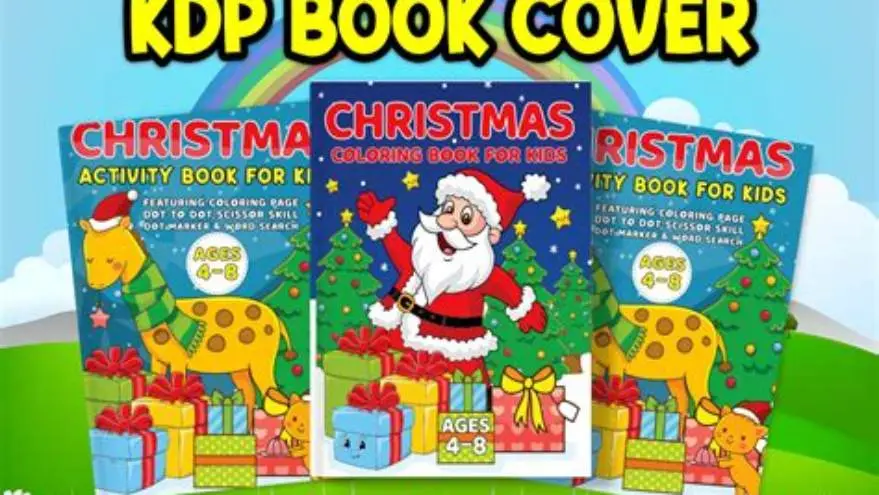
Create large-print Christmas puzzle books by choosing senior-friendly puzzle types, setting text at 16-20pt minimum, formatting for 8.5×11 inch trim with wide margins, and uploading print-ready PDFs through KDP's paperback tools.
On this page (8 sections)
- The short version
- What types of Christmas puzzles work well in large print
- How to format puzzles for big print readability
- How to use KDP tools to publish puzzle books
- Tips for selling seasonal puzzle books on Amazon KDP
- Design details that make a Christmas puzzle book stand out
- Testing your puzzles before you publish
- Questions people still ask
Part of our guide on designing for older adults
Large-print Christmas puzzle books sell best when uploaded in October, formatted at 16-20pt with thick grid lines, and priced to cover print costs plus a modest royalty.
| Minimum font size | 16-20pt for body text |
|---|---|
| Best trim size | 8.5×11 inch (US Letter) |
| Margin minimum | 0.5 inch all sides |
| Upload timing | October to early November |
| Puzzle count | 40-60 per book |
| Price range | $6.99-$9.99 typically |
The short version
- Use 16-20pt fonts with thick grid lines for readability
- Word searches and large-grid sudoku work better than cryptic crosswords
- Format for 8.5×11 inch trim with 0.5-inch margins minimum
- Upload in October or early November to capture holiday buyers
- Test one puzzle on paper before committing to a full book
What types of Christmas puzzles work well in large print
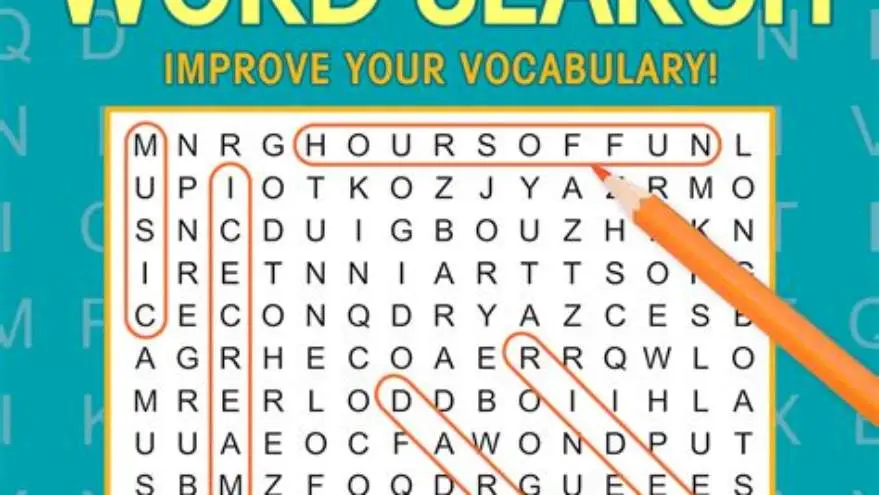
Word searches with 8-12 words and a grid no larger than 15×15 are the easiest puzzles for older adults with low vision to solve. The letters sit in neat rows, and you can make every letter 18-20pt without crowding. Christmas themes write themselves: ornaments, carols, traditions, baking. Each puzzle fills one page comfortably.
Large-grid sudoku, 4×4 or 6×6, gives a solving experience without the eye strain of a standard 9×9 grid. Print each cell at least 0.6 inches square so a ballpoint number fits without touching the lines. Older solvers who loved sudoku but gave it up when the grids got hard to read will buy a book that brings it back at a size they can manage.
Crosswords need bold clues at 14pt minimum and a grid with cells 0.5 inches or larger. Keep the grid small, 9×9 to 11×11, and write straightforward clues. Cryptic or punny clues frustrate readers who want a gentle challenge, not a test. Christmas crosswords work when the answers are concrete: SANTA, WREATH, EGGNOG, SLEIGH.
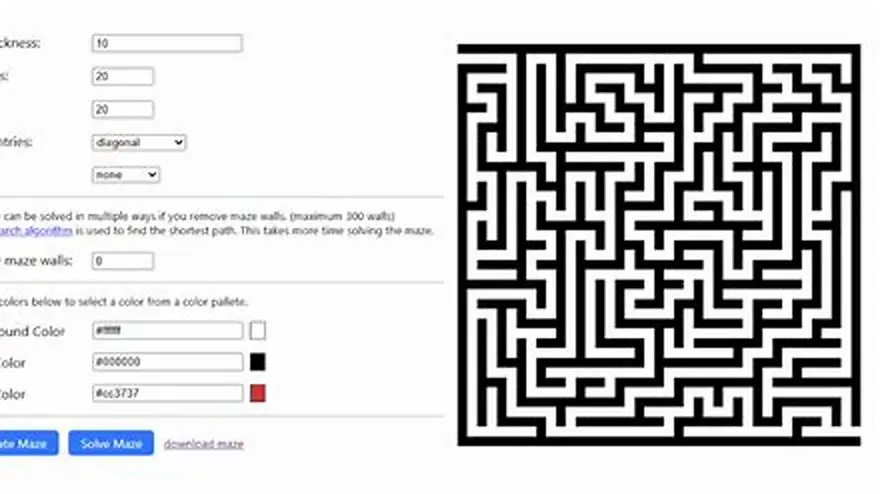
Mazes with thick lines, 3-4pt stroke weight, and a clear start and finish work if the path is wide enough for a marker tip. Avoid tight corners and narrow passages. Picture mazes, where the outline forms a stocking or a tree, add visual interest but only if the path stays obvious. Dot-to-dot puzzles at large scale, with numbers at 12pt, appeal to the same audience and fill a page when the count runs to 60 or 80 dots. Before you commit to anything, it is worth looking at sudoku book creation amazon.
How to format puzzles for big print readability
Set your page size to 8.5×11 inches in your design software before you place a single puzzle. That trim size is standard for activity books in the US and gives you the space large print demands. Margins must be at least 0.5 inches on all sides, but 0.75 inches on the binding edge prevents text from disappearing into the gutter when the book lies flat.
Font size for puzzle grids and clues sits at 16-20pt for letters and numbers. Anything under 16pt strains eyes, and anything over 22pt leaves room for only a handful of puzzles per book, driving your page count up and your price beyond what buyers expect. For word search grids, use a monospaced font like Courier New or Consolas so every letter takes the same width and the grid aligns cleanly.
Line weight matters as much as font size. Grid lines for sudoku and crossword puzzles should be 2-3pt thick, not the default hairline most software offers. Maze paths need 3-4pt lines with a stroke that prints solid black, not grey. Thin lines vanish under indoor lighting or when a reader's contrast sensitivity is low. For the detail, see our notes on kdp puzzle generator.
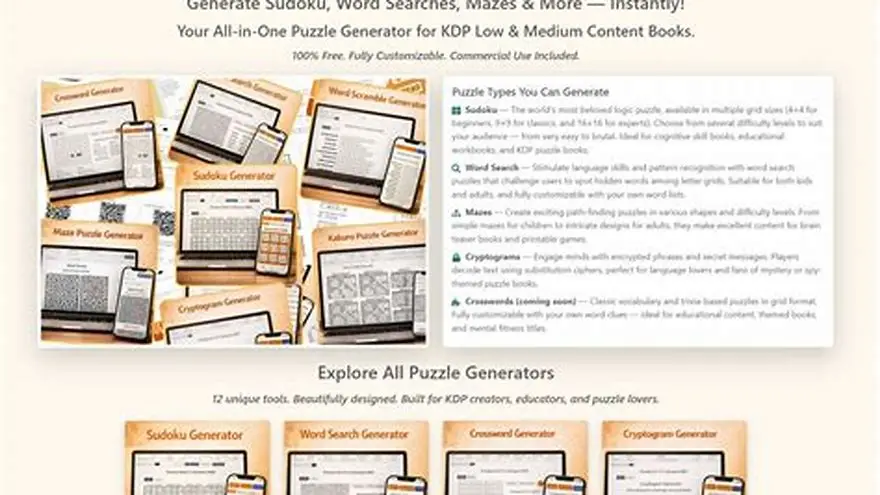
We make BigPrint Puzzle Studio, a web tool that handles the spacing, font size and grid setup automatically for large-print puzzles. It formats word searches, sudoku, crosswords, mazes and other puzzle types at the sizes older adults need, then exports print-ready PDFs sized for KDP. You pick a Christmas theme from the built-in list or add your own words, and the tool builds the puzzles and an answer key. It's $17 one-time, no subscription. It won't write your book description or guarantee sales, but it removes the manual layout work.
Contrast is the last formatting pillar. Black text on white paper, always. No grey fills, no pale backgrounds, no colored ink that fades when printed. Headers and instructions can sit at 12-14pt if they're bold, but keep them short. A wall of small instructional text at the top of every page wastes space and gets ignored.
| Puzzle type | Font/cell size | Grid limit | Line weight |
|---|---|---|---|
| Word search | 18-20pt letters | 15×15 maximum | 1pt grid lines |
| Sudoku | 0.6-inch cells | 6×6 for easy solving | 2-3pt lines |
| Crossword | 0.5-inch cells minimum | 11×11 maximum | 2pt lines |
| Maze | N/A | Keep paths 0.25-inch wide | 3-4pt lines |
How to use KDP tools to publish puzzle books
Log into your KDP account and click the yellow Create button, then choose Paperback. The setup wizard asks for a title, author name, and description. Your title should name the puzzle type and the audience: Large-Print Christmas Word Searches for Seniors tells a buyer exactly what's inside. The subtitle can add detail: 50 Festive Puzzles in Big, Clear Letters. Keep the total under 200 characters or it gets cut off in search results. People in this spot often ask about maze formats for kdp as well.
Upload your manuscript PDF under the Manuscript section. KDP wants a single PDF with your puzzles in order, followed by an answer key. The file must not have any password protection, and it must match the trim size you declared. Choose 8.5×11 inch as your trim size, then select black and white interior. Color interiors cost more to print and Christmas puzzles don't need color to work. Bleed settings should be no bleed since puzzle grids don't run to the page edge.
The cover upload requires a separate PDF or JPG with front, spine and back laid out as one flat image. KDP provides a cover template calculator that gives you the exact pixel dimensions based on your page count and paper type. White paper is the default and costs less per copy than cream, and large-print puzzles show clearest on white. Download the template, design your cover in any software you like, then flatten it to PDF and upload. The spine width changes with page count, so a 60-puzzle book at 120 pages needs a wider spine than a 40-puzzle book at 80 pages.
Pricing sits under the Pricing section. KDP shows you the printing cost per copy based on page count and trim size. Add your royalty on top. A 100-page large-print puzzle book costs around $3.50 to print, so a list price of $7.99 leaves you roughly $1.50 after Amazon's cut and printing. Price too low and you make pennies; price too high and you sit beside books that cost less for more puzzles. Check the Christmas puzzle category to see what similar books charge.
Choose your distribution territories under Rights & Pricing. Most sellers pick worldwide distribution through Amazon marketplaces in the US, UK, Canada, Europe and beyond. You set one price in USD and KDP converts it for other regions. Preview your book using the online previewer before you hit publish. It shows you exactly how each page will look when printed, including margins, bleed, and any alignment issues you missed. Fix errors now; republishing takes 72 hours to go live.
- Click Create > Paperback and fill in title, author, description
- Upload manuscript PDF under Manuscript, select 8.5×11 inch, black and white, no bleed
- Download cover template, design front and back, upload as single flat PDF
- Set your list price under Pricing, checking that it covers print cost plus royalty
- Preview the book online, fix any spacing or alignment errors
- Submit for review; live on Amazon in 24-72 hours
Tips for selling seasonal puzzle books on Amazon KDP
Upload your Christmas puzzle book in October or early November so it goes live before buyers start shopping for holiday gifts and activities. Books published in December miss the search traffic peak. Seasonal puzzles sell hardest in the six weeks before the holiday, then drop sharply in January. Plan for that cycle and don't expect steady year-round income from a Christmas title.
Your seven keyword slots under Keywords in the KDP setup are how buyers find you. Use phrases buyers actually type: large print Christmas puzzles, senior activity book Christmas, easy holiday word search, big print sudoku seniors. Don't waste a slot on single words like puzzles or Christmas. The longer the phrase, the fewer competing books. Check Amazon's search bar for autocomplete suggestions to see what people type.
Categories matter as much as keywords. KDP lets you choose two at upload, but you can request up to ten more through Author Central or a support ticket. Put your book in Books > Humor & Entertainment > Puzzles & Games > Word Search, then add Books > Health, Fitness & Dieting > Aging > Senior Living if it fits. The right categories surface your book to browsers who filter by those shelves.
Your book description is sales copy, not a summary. Open with the benefit: Keep hands and minds busy this Christmas with 50 large-print word searches designed for easy reading. Follow with the specifics: puzzle count, grid size, font size, themes covered, and who it's for. Use short paragraphs and bullet points. Mention the answer key. End with a nudge: Makes a thoughtful gift for parents, grandparents and anyone who loves puzzles but needs bigger print.
A-plus Content, available to authors enrolled in KDP Select or with a registered brand, lets you add images and formatted sections to your book's detail page. Use it to show a sample puzzle at actual size so buyers see exactly how large the print is. A photo of an open book on a table, with one puzzle visible, proves the claim better than adjectives. Not every Christmas puzzle book uses this feature, so doing it separates you from sellers who skip it.
Run a short countdown deal or a free promotion if you're enrolled in KDP Select. Discounting your book to $3.99 or free for three days in early November pushes it up in the charts, and buyers who grab it tell friends or leave reviews. A book with 10-20 reviews converts better than one with zero, even if half the reviews are three stars. You give up some royalty during the promo, but the visibility often pays back after it ends.
Design details that make a Christmas puzzle book stand out
Your cover sells the book before a buyer reads a word of the description. Use a bold sans-serif or slab serif for the title, set large enough to read in a thumbnail. The words Large Print should sit at the top in a contrasting color or inside a banner so they jump out. A background of red, green, gold or white signals Christmas instantly, but avoid busy patterns that clash with the title text.
Interior headers at the top of each puzzle page help readers track where they are in the book. A small line of text, 10-12pt, centered or aligned left, naming the puzzle type and number is enough: Word Search 12 or Sudoku 8. Keep it light so it doesn't compete with the puzzle itself. Some publishers add a tiny Christmas icon, a snowflake or ornament, in the header or footer. It's optional, but it reinforces the theme.
The answer key goes at the back, never mixed in with the puzzles. Each answer page should match the layout of the puzzle it solves: same size grid, same font, with the solution filled in or the path marked. Label each answer clearly: Answer to Puzzle 5. Solvers flip back and forth, and confusion about which answer belongs to which puzzle gets mentioned in one-star reviews.
Page count sits in a narrow range for large-print puzzle books. Too few puzzles, under 40, and the book feels skimpy for the price. Too many, over 80, and the page count drives the print cost up so high you can't price competitively. A book with 50-60 puzzles plus answers lands around 100-120 pages, which prints affordably and feels substantial when a buyer picks it up.
- Cover: bold title at the top, 'Large Print' in a banner, Christmas colors, clean background
- Headers: small, unobtrusive, name the puzzle type and number
- Answer key: at the back, labeled clearly, matching the puzzle layout
- Page count: 100-120 pages for 50-60 puzzles plus answers
Testing your puzzles before you publish
Print three or four sample puzzles on your home printer at 100% scale, never scaled to fit. The printed version shows you whether the font is actually large enough, whether the grid lines are thick enough to see, and whether the spacing feels comfortable. A PDF on screen always looks clearer than ink on paper, so this step catches problems the previewer misses.
Hand the printed puzzles to someone in your target age group. If you're making puzzles for seniors, ask a parent, grandparent, or neighbor over 70 to try one. Watch whether they lean in, squint, or ask for brighter light. If they finish the puzzle without complaint, your formatting works. If they stop halfway and say the letters are too small, increase the font before you upload the whole book.
Solve each puzzle yourself or have someone else solve it to confirm the answers are correct. Word search grids sometimes hide an extra copy of a word by accident, or a sudoku setup might have two valid solutions. Buyers leave angry reviews when puzzles don't solve cleanly, and those reviews stick. A single error in puzzle 12 costs you sales on all 50 puzzles in the book.
Check the page count against your price and compare it to similar books already ranking on Amazon. If your 80-page book costs $8.99 and the top seller offers 100 pages for $7.99, yours won't move unless the cover or description is sharply better. Adjust the puzzle count, the price, or both until the value feels fair to a buyer who's comparing three thumbnails.
Questions people still ask
How many puzzles should a large-print Christmas book have?
A book with 50-60 puzzles plus answers works well. That gives you around 100-120 pages, which prints affordably and feels like a full book. Fewer than 40 puzzles looks thin, and more than 80 drives the print cost too high to price competitively.
Can I use public domain Christmas images in my puzzle book?
Yes, but only if they're genuinely in the public domain and you verify the source. Clip art labeled 'free' on a random website often has hidden licensing terms. Stick to verified public domain sources or create your own graphics. KDP will remove your book if someone files a valid copyright claim.
Do I need ISBN numbers for KDP puzzle books?
No. KDP assigns a free ISBN when you publish, and it works fine for most sellers. You can buy your own ISBN if you want your name listed as the publisher of record, but it doesn't improve sales or visibility on Amazon. Save the $125 unless you're publishing elsewhere too.
How long does a Christmas puzzle book stay relevant?
Sales peak from October through December, then fall sharply in January. A few copies trickle out year-round, but the bulk of your income comes in that three-month window. Plan to publish a fresh Christmas title every October if you want consistent seasonal income.
Should I enroll in KDP Select for a seasonal puzzle book?
Only if you're willing to run promotions. KDP Select requires exclusivity but lets you run countdown deals and free promos that boost visibility fast. If you want to sell the same book on Etsy or elsewhere, skip Select. Otherwise, it's worth testing for 90 days.
Ready to try it? It automates large-print puzzle layout and formatting for KDP, handling font size, grid spacing, and Christmas themes without manual design work.
Build your puzzle book now