Large-print sudoku books: font, layout, and KDP steps to sell on Amazon
Step-by-step guidance on creating large-print sudoku books with proper fonts, layouts, and KDP formatting for Amazon sales.
To make a sudoku book to sell on Amazon, use sudoku grids sized 16-24 pt font for readability, format puzzles and answer keys with large spacing, compile varied puzzles of different difficulty, then prepare a print-ready PDF with KDP margins and upload it to Amazon KDP.
On this page (8 sections)
- Key takeaways
- How to select and size sudoku grids for easy reading
- How to format puzzles and answer keys for large print
- How to compile variety in sudoku puzzles
- How to prepare files for Amazon KDP upload and sales
- How to make a sudoku book to sell on Amazon using BigPrint Puzzle Studio
- Final checklist before publishing your large-print sudoku book on Amazon
- Questions people still ask
Part of our guide on steps for large print puzzles
| Font size | 16-24 pt |
|---|---|
| Puzzle size | 9x9 grids usually |
| Typical pages | 40-100 per book |
| KDP margin | 0.25-0.5 inch |
| Answer keys | Included |
| Puzzle variety | Easy to hard |
Key takeaways
- Choose sudoku grids with 16-24 pt font for easy reading by older adults.
- Format puzzles and answers with ample spacing and bold borders for clarity.
- Include a variety of sudoku puzzles from easy to hard to maintain interest.
- Prepare your files with KDP’s trim size and margin requirements before upload.
- BigPrint Puzzle Studio speeds up creation with large-print templates and ready-to-sell export.
How to select and size sudoku grids for easy reading
The core of a large-print sudoku book is the grid size and font. For older adults, sudoku squares must use a font sized between 16 and 24 points depending on the audience's vision level. Smaller than 16 pt risks strain, larger than 24 pt may waste space and increase book length unnecessarily.
A standard sudoku puzzle is a 9x9 grid. Each cell should be a minimum of 0.5 inches square, allowing room for large numbers without crowding. This size supports clear recognition and comfortable filling in if printed.
Bold lines separating the 3x3 blocks in the grid help players track the puzzle sections visually. Avoid cluttered or thin lines that vanish in print or appear faint to readers with vision loss.
If you want to offer puzzle variety, you can include mini 4x4 puzzles with slightly smaller fonts, but they must keep at least 14 pt font and proportionally sized cells to remain accessible. The other half of this decision is how to make themed large print word searches.
How to format puzzles and answer keys for large print
Format each sudoku puzzle on its own page with clear margins and space around the grid. Leave a blank area below or next to the puzzle for notes or shading. This white space improves visual comfort and usability.
Answer keys should be in the same large font size as puzzles, displayed on separate pages at the back of the book. Present answer keys as complete solved grids, not just lists of numbers, for immediate visual confirmation.
Use bold or high-contrast colors for puzzle numbers and grid lines. Avoid pastel or light inks that may fade in print. Contrast ensures ease of reading under different lighting conditions common among older adults. There is more on bigprint puzzle studio functions in a separate guide.
Page numbering and headers help users track progress. Each puzzle page should be numbered, and if you offer puzzle levels, label pages accordingly (e.g., Easy, Medium, Hard).
How to compile variety in sudoku puzzles
A good puzzle book mixes difficulty levels to engage different skill sets. Include roughly 40-60% easy puzzles, 30-40% medium, and 10-20% hard puzzles to balance accessibility and challenge.
Variety also means changing puzzle styles: some classic sudoku, some with diagonals or extra constraints. This diversity keeps seasoned solvers interested and offers fresh challenges. For the detail, see our notes on 8.5x11 black and white puzzle interior.
Avoid grouping all puzzles of one difficulty consecutively. Instead, alternate levels every few pages to maintain user motivation and reduce frustration or boredom.
You can generate puzzles manually or use online puzzle generators that allow control over difficulty and output formats. Just ensure the puzzles remain consistent in font size and grid layout.
How to prepare files for Amazon KDP upload and sales
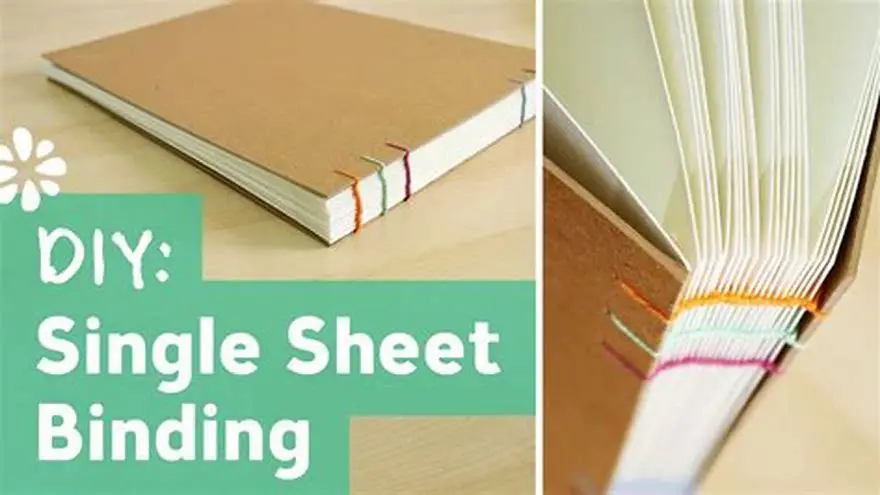
Amazon KDP requires PDF files formatted to your book’s chosen trim size, such as 8.5" x 11", with 0.25" to 0.5" margins to avoid content cutoff during printing. Larger margins suit large-print books. It helps to understand easy self binding steps before going further.
Set all sudoku pages and answer keys consistently to match the trim size and include bleed only if your design runs to the edge. Internal puzzles should not extend into bleed areas.
Cover design must include front, back, and spine in one PDF according to KDP’s specifications. Large-print puzzle covers benefit from clear fonts and bold imagery that reflect the book's purpose.
Use KDP’s previewer tool before publishing to check that puzzles and text appear crisp and readable. Blurry or small fonts often result from incorrect PDF exports or low resolution images. We cover how to sell printable puzzles on etsy in its own article.
Metadata like title, description, keywords, and categories should emphasize ‘large print’ and puzzle type to target your audience effectively. Pricing can be set based on page count and competition.
How to make a sudoku book to sell on Amazon using BigPrint Puzzle Studio
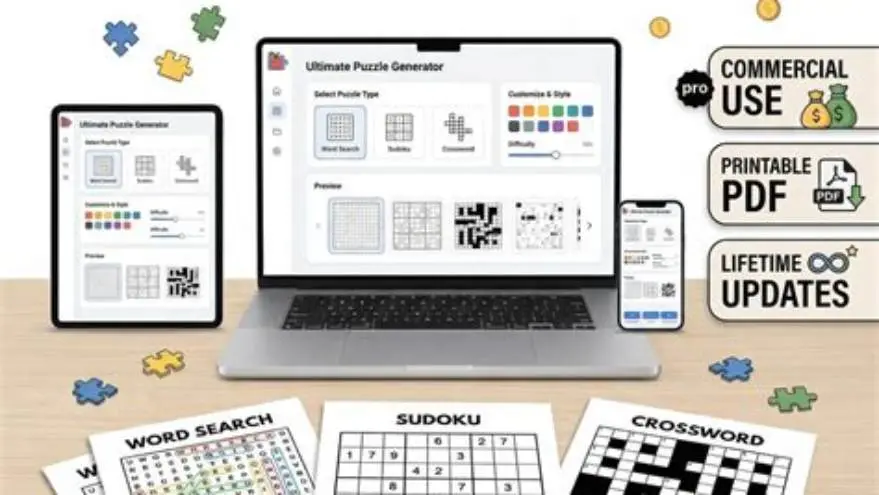
BigPrint Puzzle Studio is an online tool designed specifically to help create large-print puzzle books quickly, including sudoku. It offers preset large fonts (16, 20, or 24 pt) and puzzle layouts optimized for seniors and low-vision users.
You can generate sudoku puzzles of varying difficulty and compile them automatically into a book with answer keys and page numbering. The software respects Amazon KDP margin and trim size requirements, producing print-ready PDFs.
This tool saves time over manual formatting and puzzle management in programs like Word or InDesign, especially if you lack design skills. It also includes cover creation tools and listing helpers for Amazon sales.
However, it does not replace personalized marketing or guarantee sales. It focuses on puzzle creation and formatting, not on promotional strategies or selling on platforms beyond Amazon KDP and Etsy.
If you prefer a free approach, you can manually create sudoku grids in spreadsheet software, format with large fonts, export PDFs, and upload to KDP. This requires more effort and technical know-how.
- Fast generation of large-print puzzles
- Automatic KDP-ready formatting
- Includes answer keys and page numbers
- One-time payment with no subscription
- Limited to puzzle creation and book formatting
- Not a marketing or sales tool
- Requires basic computer skills
Final checklist before publishing your large-print sudoku book on Amazon
Review your sudoku puzzles for consistent font size between 16 and 24 pt and confirm grid cells measure at least 0.5 inches square to aid readability.
Check that answer keys match the puzzles exactly and use the same large font and layout style for easy reference by users.
Verify your PDF files meet Amazon KDP’s trim size and margin requirements, and use the previewer tool to catch any cropping or font issues.
Ensure your book's metadata highlights the large-print format and sudoku puzzles to attract your target audience, such as seniors and caregivers.
If possible, order a printed proof copy from KDP before full release to assess the physical product’s readability and quality.
- Confirm font size and grid dimensions for clarity.
- Match answer keys precisely with puzzles.
- Format PDFs with KDP margins and trim sizes.
- Preview files with KDP previewer tool.
- Create metadata targeting large-print puzzle buyers.
- Order proof copy to check physical print quality.
Questions people still ask
Can I use free sudoku puzzle generators to create large-print books?
Yes, but you must export puzzles in high resolution and format them with large fonts and spacing manually. Free generators rarely format for large print or KDP margins, so additional design work is needed.
What font styles work best for large-print sudoku puzzles?
Choose clear, sans-serif fonts like Arial or Verdana for maximum readability. Avoid decorative or condensed fonts that can blur or clutter the puzzle.
How many puzzles should a typical sudoku book contain?
A standard range is 40 to 100 puzzles depending on difficulty and page count, balancing the book's size and perceived value.
Is BigPrint Puzzle Studio difficult to learn?
It’s designed for ease of use with a friendly interface that guides you through puzzle creation and book formatting, suitable even if you lack graphic design experience.
Do I need to be tech-savvy to publish on Amazon KDP?
Basic skills suffice. KDP provides step-by-step upload instructions and preview tools, but you should carefully follow formatting guidelines to avoid printing errors.
Can I sell the sudoku books on other platforms besides Amazon?
Yes, after creating your book, you can list it on sites like Etsy or local print-on-demand services. However, file formatting must match each platform’s requirements.
Ready to try it? It streamlines creating and formatting large-print sudoku books that meet KDP standards, saving time and ensuring accessibility.
Create large-print puzzles