Puzzle books on Amazon KDP: what sales and profits show
Sales data, production costs and market demand reveal whether making puzzle books for KDP pays off, especially in the large-print seniors niche.

Making puzzle books for KDP is worth it if you target large-print seniors puzzles, where demand is steady and competition lower. General puzzle books face saturated markets with slim margins unless you publish consistently at volume.
On this page (9 sections)
- The short version
- How puzzle books perform in KDP sales rankings
- Typical production costs and royalties from KDP
- What eats into your royalty
- Market demand trends for puzzle books
- Benefits of large-print puzzles for seniors
- Comparison to other KDP book types
- When puzzle books are not worth making for KDP
- Questions people still ask
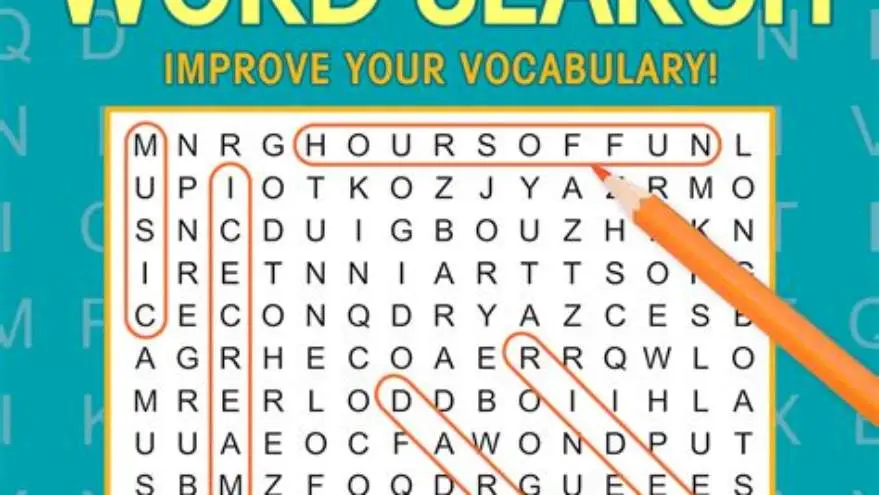
Part of our guide on large print word search book kdp niche
Large-print puzzle books for seniors rank 20-40% higher in KDP sales than general puzzles, with lower competition and better margins.
| Typical KDP royalty | $2.30 per book at $6.99 retail |
|---|---|
| Production cost | $0.85-$1.20 per book, 100-150 pages |
| Monthly sales needed | 22 books for $50 profit |
| Top niche ranking | 50,000-100,000 BSR for seniors |
| General puzzle ranking | 300,000+ BSR typical |
| Break-even timeline | 3-6 months with 15+ titles |
The short version
- Large-print seniors puzzles consistently rank in the top 100,000 on KDP, while general puzzles often sit past 300,000
- Typical KDP royalty on a $6.99 puzzle book is $2.30 after printing costs, requiring 22 sales monthly to earn $50
- Production costs run $0.85 to $1.20 per book for black-and-white interiors at 100-150 pages
- Seniors puzzle books get repeat buyers; general puzzle books rarely do unless part of a series
- Publishing 15-20 puzzle books in one niche builds visibility faster than scattering topics
How puzzle books perform in KDP sales rankings
Puzzle books on KDP split into two camps: large-print seniors puzzles that rank consistently in the 50,000 to 100,000 Best Seller Rank range, and general-audience puzzle books that sit past 300,000 BSR or drop off the charts entirely. The difference comes down to repeat buyers. Older adults and their caregivers return for new titles when they finish a book. General puzzle fans buy once and move on.
A puzzle book ranking at 75,000 BSR typically sells 15 to 25 copies per month. One at 200,000 BSR sells 5 to 10 copies monthly. Below 500,000 BSR, you're looking at a handful of sales per month at best. Rankings fluctuate with seasons: word searches and crosswords for seniors peak in November through February when families buy activity books for holidays and winter months indoors.
The top-performing puzzle books on KDP share three traits: they target a specific audience with clear cover text, they publish in series of 10 or more under the same brand name, and they maintain large, readable type with plenty of white space. A standalone puzzle book rarely breaks into sustainable sales unless it hits a very narrow keyword gap. Most profitable KDP puzzle publishers have 15 to 30 titles live, allowing their catalog to compound visibility.
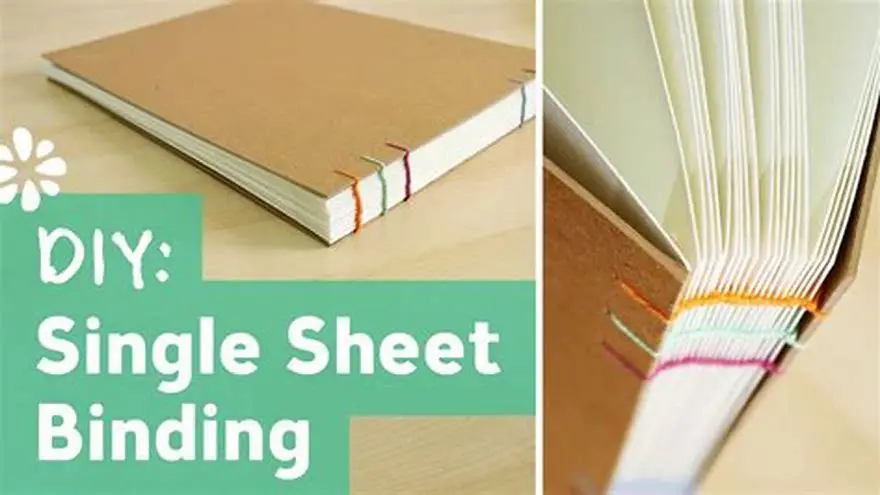
Comparing across KDP book types, puzzle books rank below planners and journals for passive income potential but above generic coloring books and blank notebooks. Planners with dated pages become obsolete; puzzle books sell year-round. The advantage puzzle books hold is low return rates: buyers know exactly what they're getting, and there's no layout disappointment that triggers refunds the way poorly designed planners do. We go through how to cheaply bind large book step by step elsewhere on the site.
| Book type | Typical BSR | Monthly sales at median rank | Repeat purchase rate |
|---|---|---|---|
| Large-print seniors puzzles | 50,000-100,000 | 15-25 copies | High |
| General adult puzzles | 200,000-400,000 | 5-10 copies | Low |
| Kids activity books | 80,000-150,000 | 12-20 copies | Medium |
| Themed puzzle books (holidays) | 100,000-250,000 | 8-15 copies (seasonal) | Low |
Typical production costs and royalties from KDP
KDP charges printing costs based on page count and trim size, deducted before your royalty. A 100-page black-and-white puzzle book at 6×9 inches costs roughly $0.85 to print. A 150-page book at 8.5×11 inches runs $1.20. List your book at $6.99, and KDP's 60% royalty minus printing leaves you with about $2.30 per sale for the smaller book and $1.99 for the larger one. Those figures assume US marketplace; international sales pay less due to expanded distribution fees.
Most puzzle book creators price between $5.99 and $8.99. Below $5.99, your royalty drops under $1.50 after printing, making volume sales the only path to profit. Above $8.99, puzzle books struggle to compete with mainstream publishers offering 200-page books at similar prices. The sweet spot sits at $6.99 to $7.99 for a 120 to 150-page book, yielding $2.00 to $2.50 royalty per copy.
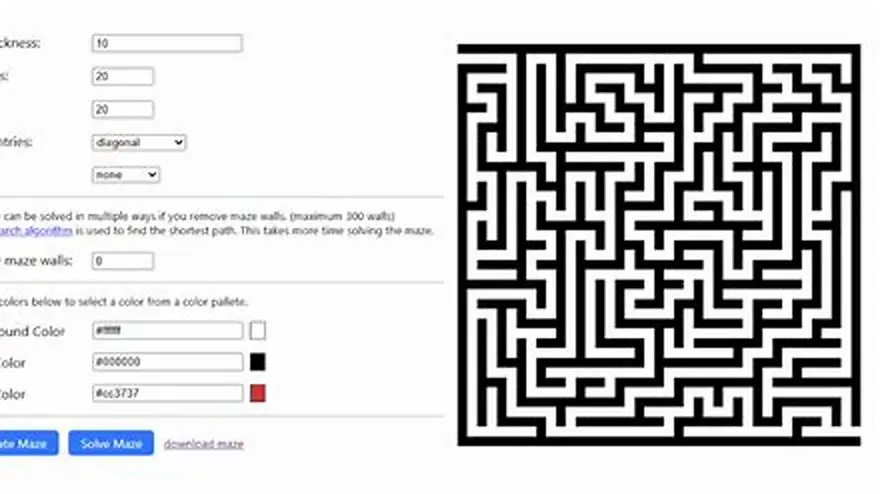
To earn $50 monthly, you need 22 sales at $2.30 royalty or 25 sales at $1.99. Reaching that target with a single puzzle book is rare unless you rank below 100,000 BSR consistently. Publishers who hit $200 to $500 monthly income typically have 12 to 20 titles live, spreading sales across their catalog. Each new release lifts the others slightly in Amazon's recommendation algorithm, compounding over months. We cover maze generator for kdp in its own article.
Cover design adds a one-time cost if you hire out, running $15 to $50 on freelance platforms. Interior layout for puzzles can be done manually in word processors or design software, taking 3 to 8 hours per book depending on your skill. We built BigPrint Puzzle Studio to eliminate that layout time: it generates print-ready puzzle PDFs and matching KDP covers in minutes, and it's a $17 one-time payment with no monthly fees. It won't guarantee sales, but it removes the production bottleneck if you plan to publish multiple books. Skip it if you're testing with one title or enjoy the manual layout process.
What eats into your royalty
Amazon's expanded distribution option sounds appealing but cuts your royalty nearly in half, and puzzle books rarely sell through those channels. Stick to standard distribution. Color interiors spike printing costs to $3 to $5 per book even for light color use, killing profitability on puzzle books unless you can justify a $12.99+ retail price. Black-and-white is the standard for a reason.
Market demand trends for puzzle books
Demand for puzzle books on KDP has grown steadily since 2020, driven by an aging population looking for screen-free activities and families buying gifts for relatives in care homes. Google Trends data shows searches for 'large print puzzles' and 'senior activity books' up 30-40% compared to 2019 levels, holding flat through 2024 and into 2025. General puzzle book searches remain stable but face far more competition from established publishers. We cover best puzzle book maker software for kdp in its own article.
The seniors puzzle market benefits from demographic tailwinds: the 65+ age group is the fastest-growing segment in the US and UK, and vision changes make large-print formats essential rather than optional. Activity directors in care facilities buy puzzle books in bulk, often ordering 5 to 10 copies of the same title for group activities. That bulk-purchase behavior doesn't exist in general puzzle markets, where buyers pick one book and forget about it.
Seasonality matters. November and December see a 40-50% spike in puzzle book sales as holiday gifts. January stays strong as families look for low-cost activities during long winter days. Sales dip slightly in June through August but never disappear. A well-ranked seniors puzzle book maintains baseline sales year-round, unlike seasonal planners that go obsolete or holiday-themed books that vanish after December.
Compare puzzle books to other KDP niches: coloring books peaked in 2016 and have declined steadily. Recipe journals and blank cookbooks flooded the market and now struggle to rank. Puzzle books for older adults avoid both problems: demand is structural rather than trendy, and the format is specific enough that not everyone publishes them. The barrier is higher than blank notebooks, keeping saturation lower.
- Large-print seniors puzzles: steady demand year-round, repeat buyers, demographic growth supports long-term viability
- Themed puzzles (holidays, hobbies): seasonal spikes but low baseline sales, harder to build a catalog with staying power
- Kids activity books: competitive but viable if you target narrow age ranges like 3-5 or 8-10 with clear developmental angles
- General adult puzzles: saturated market dominated by established brands, low repeat purchase rate, difficult to rank without a series
Benefits of large-print puzzles for seniors
Large-print puzzles solve a specific, widespread problem: age-related vision changes make standard-size puzzle books frustrating or impossible to use. By age 60, most people need reading glasses, and by 70, conditions like macular degeneration or cataracts reduce contrast sensitivity. A word search with 14-point type becomes unreadable. Large-print formats with 18 to 24-point letters and bold grid lines eliminate that barrier, opening up puzzles to millions of older adults who would otherwise skip them.
The cognitive benefits of puzzles for older adults are well-documented: word searches and crosswords keep the brain engaged, support memory, and provide a sense of accomplishment. But those benefits vanish if the puzzle is too hard to see. Large-print formats pair cognitive stimulation with accessibility, making them practical gifts for family members and essential tools for activity directors in care homes and senior centers.
From a sales perspective, large-print puzzles attract a different buyer. It's not the puzzle fan browsing for fun: it's the adult child or grandchild searching for a gift that will actually get used, or the activity coordinator shopping for materials that work for residents with low vision. These buyers care less about price and more about readability. A $7.99 large-print word search book competes on clarity, not cost, and reviews reflect that: top-rated books get praised for 'easy to read' and 'my mom loves it,' not puzzle difficulty or variety.
Large-print puzzle books also benefit from lower competition in keywords. Search 'word search book' on Amazon and you'll face thousands of results. Search 'large print word search' and the field narrows to hundreds, many of them poorly formatted or generic. A well-made large-print puzzle book with a clear cover and good interior layout stands out immediately. That visibility gap is why large-print seniors puzzles consistently outrank general puzzle books despite smaller overall search volume.
Comparison to other KDP book types
Puzzle books sit in the middle of the KDP low-content spectrum: harder to produce than blank journals but easier than full-color planners or illustrated children's books. The production effort for a 100-page puzzle book is roughly 4 to 8 hours if you generate puzzles manually using free online tools, format in a word processor, and design a simple cover. Compare that to a dated planner, which requires 10+ hours to set up calendars, or a coloring book needing original artwork or licensed images.
Profit per book favors puzzle books over notebooks but lags behind planners. A puzzle book at $6.99 nets $2.30; a planner at $9.99 nets $3.50 to $4.00 depending on page count. The trade-off is longevity: planners become obsolete every year, while puzzle books sell indefinitely. A puzzle book published in 2022 can still rank and sell in 2026 if the niche holds. Planners require annual republishing, and last year's stock becomes worthless.
Compared to activity books for kids, seniors puzzle books have higher average order values and more predictable demand. Kids' books depend on trends and school cycles; seniors puzzle books sell year-round with a holiday bump. Return rates are lower too: buyers know what a word search looks like, so there's no mismatch between expectation and delivery. Coloring books, by contrast, face returns when buyers find the images too detailed or too simple.
The biggest advantage puzzle books hold over most KDP niches is repeat customers. A buyer who finishes your large-print word search book and enjoyed it will search for more by the same publisher or similar titles. That behavior is rare in journals and notebooks, where one purchase often satisfies the need for months or years. Building a recognizable brand name and publishing a series of 10 to 15 puzzle books in the same style captures that repeat buyer and turns sporadic sales into steady income.
| Book type | Production time | Typical royalty | Longevity | Repeat buyers |
|---|---|---|---|---|
| Puzzle books (seniors) | 4-8 hours | $2.00-$2.50 | Multi-year | High |
| Dated planners | 10-12 hours | $3.50-$4.00 | One year | Low |
| Blank journals | 1-2 hours | $1.50-$2.00 | Multi-year | Low |
| Kids activity books | 6-10 hours | $2.00-$3.00 | Multi-year | Medium |
| Coloring books | 12-20 hours | $2.50-$3.50 | Multi-year | Low |
When puzzle books are not worth making for KDP
Puzzle books fail on KDP when you publish a single title and expect passive income. The algorithm favors active catalogs, and a lone puzzle book rarely ranks well enough to generate consistent sales unless it lands in an extremely narrow, underserved niche. If you're not prepared to publish at least 8 to 12 titles over six months, your time is better spent on other income streams or KDP niches with lower volume requirements, like specialized planners or niche journals.
Generic puzzle books (word searches with random words, sudoku with no clear difficulty level, crosswords on generic topics) get buried under thousands of similar listings. These books compete directly with major publishers who have brand recognition and pricing power. Unless you bring a specific angle like large-print for seniors, themed puzzles for a hobby niche, or multilingual puzzles for language learners, you'll struggle to differentiate and rank.
If your goal is quick cash, puzzle books won't deliver. Sales ramp slowly. A new puzzle book takes 3 to 6 months to establish any ranking momentum, longer if you don't have other books to cross-promote. Early sales might hit 2 to 5 copies monthly for the first quarter, barely covering your time investment. Profitability builds only as your catalog grows and reviews accumulate. Sellers looking for fast returns should consider print-on-demand products with higher margins or digital products on platforms like Etsy.
Puzzle books also struggle if you can't or won't invest in covers that communicate clearly. A vague cover with no indication of large print, difficulty level, or target audience gets scrolled past. Buyers shopping for seniors puzzles want to see 'LARGE PRINT' in the title and on the cover. Buyers looking for themed puzzles want the theme obvious at a glance. Amateur covers with generic clip art and small, unreadable text kill sales no matter how good the interior is. If design isn't your strength and you're not willing to pay for a professional cover or learn basic design principles, puzzle books will frustrate you.
- One-off titles: publish at least 10 books in a related series to build catalog momentum and repeat buyers
- Generic content: word searches with random words or sudoku grids with no clear audience lose to branded publishers every time
- No clear niche: 'puzzle book for adults' is too broad; 'large-print nature word searches for seniors' is specific enough to rank
- Poor covers: buyers decide in two seconds; a confusing or amateur cover means no sale, regardless of interior quality
Questions people still ask
How many puzzle books do I need to publish to make $100 per month on KDP?
You'll need 8 to 15 puzzle books ranking consistently to earn $100 monthly. At $2.30 royalty per book, that's about 44 sales total across your catalog: roughly 3 to 5 sales per title if spread evenly. Most sellers reach that milestone 4 to 6 months after publishing their first batch of 10 books.
Are large-print puzzle books harder to format than regular puzzle books?
They're slightly more forgiving because larger type hides minor alignment issues better than small text. The main challenge is keeping page counts reasonable: large type means fewer puzzles per page, so a 50-puzzle book becomes 120 pages instead of 80. That raises printing costs by about $0.30 per book.
Can I use free puzzle generators for KDP books?
Yes, many free online puzzle generators allow commercial use, but read their terms carefully. Most limit output quality or puzzle count per session, so creating a full book takes hours of manual copy-paste work. A dedicated tool cuts production time from 6 hours to 20 minutes but costs upfront.
Do puzzle books need ISBNs to sell on Amazon KDP?
No. KDP assigns a free ASIN that works for Amazon sales. ISBNs matter only if you want to sell through bookstores or other retailers, which rarely happens with KDP puzzle books anyway.
What's the best trim size for large-print puzzle books?
8.5×11 inches is standard for large-print seniors puzzles because it gives space for big type and wide margins. 8×10 inches works too and costs slightly less to print. Avoid 6×9 inches for large-print: you'll run out of room for readable text and clues on the same page.
Ready to try it? It cuts puzzle book production from 6-8 hours down to 20 minutes and generates print-ready KDP files in large-print format.
Build your first puzzle book