How to self bind a large book cheaply: materials, steps, and cost check
Self bind large books cheaply using easy materials and clear steps suitable for large-print puzzle books you can make and sell.
To self bind a large book cheaply, use strong cardstock for covers, hole punch thick paper stacks, and bind with durable plastic combs or spiral coils costing under $10. These materials hold big pages securely without sewing or expensive machines.
On this page (7 sections)
- Key takeaways
- Materials and tools cheapest and effective for large books
- Step-by-step binding procedure suited for big pages
- Estimated total cost and time required to self bind a large book
- Alternatives to sewing or perfect binding for cost savings
- How to self bind a large book cheaply using BigPrint Puzzle Studio
- Questions people still ask
Part of our guide on how to create large print puzzles kdp
| Cover material | Heavy cardstock |
|---|---|
| Binding types | Plastic comb, spiral coil |
| Hole punch capacity | Up to 25 sheets |
| Estimated cost | Under |
| Binding time | 30-60 minutes |
Key takeaways
- Use plastic comb or spiral binding for large pages under $10 total
- Heavy cardstock covers protect thick, large-format puzzle books
- Hole punch capacity and alignment are critical for big pages
- Sewing or perfect binding adds cost and complexity, avoid if cheap is priority
- Tools like BigPrint Puzzle Studio help create and format large-print books
Materials and tools cheapest and effective for large books
The cheapest effective materials for self binding large books include heavy cardstock for covers and plastic comb or spiral coil bindings. These cost a few dollars and provide durable support for thick, large-format pages like puzzle books with 16-24 point print.
A standard office hole punch can usually handle up to 20-25 sheets at once, but large books require repeated punching. Consider a lever or rotary punch designed for thick stacks to keep holes aligned accurately.
You will need a ruler or alignment guide plus a cutting tool for trimming pages if uneven. Some binding kits include combs or coils sized for 1/2 to 1 inch thickness, suitable for 50-100 pages depending on paper weight.
When selecting cardstock for covers, consider using matte finish varieties which often cost less than glossy ones but still provide good durability and resistance to scuffs. The weight of the cardstock ideally ranges between 80 lb and 110 lb (approx. 216-300 gsm) to ensure stiffness without excessive bulk, balancing protection and ease of handling. We go through printable puzzles etsy selling step by step elsewhere on the site.
For the hole punch, if your volume is very high, renting or borrowing a professional heavy-duty punch can be economical. These punches handle 40-50 sheets per press and create perfectly aligned holes, reducing time and errors. This can cost around $15 to $25 for a short-term rental or be free from local makerspaces or libraries.
- Cover material: heavy cardstock or plastic cover sheet for protection
- Binding: plastic comb or spiral coil for flexibility and low cost
- Hole punch: manual lever punch or rotary punch for large stacks
- Tools: ruler, cutter, and possibly a binding machine (optional, higher cost)
Step-by-step binding procedure suited for big pages
Step 1: Gather your pages and align them neatly. Use a flat surface and clamp edges if possible to keep pages stable during hole punching.
Step 2: Mark the punching line on the edge with a ruler and pencil, typically 1/2 inch from the edge to allow clearance for holes and binding. The other half of this decision is how to sell sudoku books amazon.
Step 3: Punch holes in small batches if your punch has limited capacity, carefully stacking and pressing for consistent hole placement.
Step 4: Insert the plastic comb or spiral coil through the holes, ensuring all pages slide on evenly and the binding closes securely.
Step 5: Attach the heavy cardstock cover front and back by punching and binding them with the pages for durability and presentation. We cover best puzzle book maker software for kdp in its own article.
If your pages are uneven, create a temporary guillotine guide by clamping the stack before trimming to ensure a clean, uniform edge which prevents binding misalignment. For example, trimming 100 pages stacked and clamped can reduce individual page shifts during hole punching, significantly improving final book quality.
As a check, after inserting the comb or coil, flip through the entire book to confirm pages turn smoothly and no holes are torn or misaligned. If pages catch or binding feels loose, disassemble and realign pages before reinserting the binding to avoid permanent damage.
- Align and stack pages evenly
- Mark hole line 1/2 inch from edge
- Punch holes in batches of 20-25 sheets
- Insert plastic comb or spiral coil
- Attach cardstock covers and close binding
Estimated total cost and time required to self bind a large book
Materials for self binding a large book typically cost under $10. Plastic comb bindings range from $2 to $5 per pack that includes multiple combs. Heavy cardstock for covers can be sourced for $1 to $3 per sheet depending on thickness and finish. It helps to understand optimizing puzzle interior for KDP print before going further.
A hole punch suitable for thick stacks costs between $10 and $30, but office punches can work if you punch smaller batches repeatedly. Total out-of-pocket expense can be minimal if you already own basic tools like a ruler and cutter.
Time to bind a 50-100 page large puzzle book usually ranges from 30 to 60 minutes. More pages require additional punching cycles and alignment effort. Planning and careful hole punching reduce mistakes that cost time.
A detailed cost example: buying a pack of 5 plastic comb bindings at $4, one sheet of 100 lb cardstock at $2, and using an existing $15 hole punch brings total out-of-pocket cost to about $6 when amortized over multiple books. The time investment for one book with 80 pages ranges from 40 to 50 minutes including punching, trimming, and assembling. It helps to understand interior margins puzzle book before going further.
For a larger book of 150 pages, expect punching time to nearly double, especially if using a manual punch that handles only 20 sheets per press. This means about 1.5 to 2 hours total, so planning batches and resting hands are practical considerations to maintain accuracy and reduce fatigue.
| Item | Typical cost range | Time impact |
|---|---|---|
| Plastic comb binding pack | $2-$5 | 1-2 minutes to insert per book |
| Heavy cardstock cover | $1-$3 | 5 minutes to cut and align |
| Hole punch (manual) | Owned or $10-$30 | 20-40 minutes punching |
| Tools (ruler, cutter) | Owned | Minimal additional time |
Alternatives to sewing or perfect binding for cost savings
Sewing large books requires durable thread, needles, and skill; it takes hours and adds complexity and cost via special tools or binding frames. This is impractical for most home crafters making large-print puzzle books cheaply.
Perfect binding uses glue and professional presses with precise trimming, not feasible cheaply at home. Glue can warp thick paper and requires drying time with costly equipment.
Plastic comb and spiral coil bindings are the best budget-friendly alternatives. They allow page flexibility, are reusable to an extent, and need no drying or sewing skills.
Another low-cost option is stapling along the spine for thinner books, but this damages edges and is not durable for thick large-print volumes.
- Comb and coil bindings are low cost
- No special skills needed
- Reusable if pages change
- Bulkier spine than perfect binding
- Less professional appearance
- Staples not suitable for thick books
How to self bind a large book cheaply using BigPrint Puzzle Studio
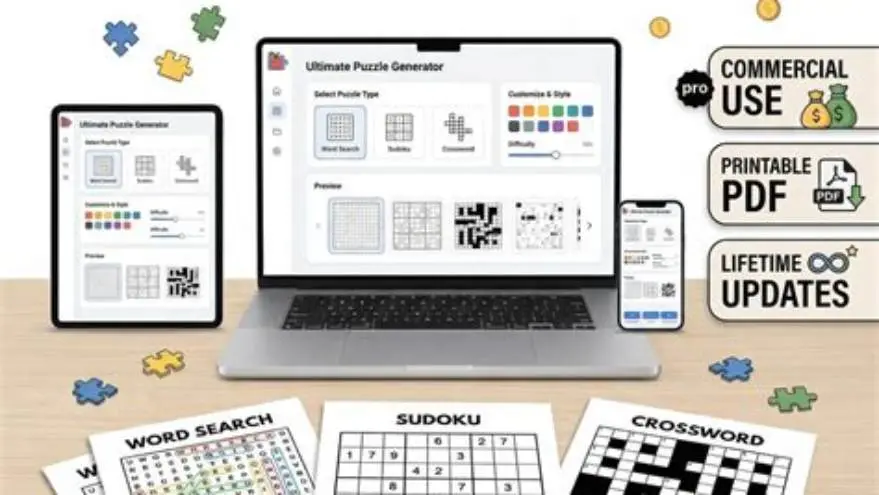
BigPrint Puzzle Studio helps create large-print puzzle books formatted perfectly for binding. It streamlines page layout with large fonts and margin settings ideal for hole punching and binding combs or coils.
You can generate a ready-to-print PDF including covers sized for heavy cardstock, saving time on manual formatting and trimming.
Using this tool reduces errors in page count and alignment before printing. It also helps ensure puzzles fit well on large pages, avoiding costly reprints.
BigPrint Puzzle Studio is user-friendly and requires no design experience, but it does not perform the actual binding. You still need to punch holes and assemble with chosen binding materials.
- Quick generation of large-print puzzle pages
- Built-in cover and page numbering
- No monthly fees after one-time purchase
- Requires separate tools for physical binding
- Not a replacement for hole punch or binding comb
- Limited to puzzle book creation, no medical or other content
Questions people still ask
Can I use a regular office hole punch for large books?
A regular office hole punch handles about 10-12 sheets at once, so for large books, punch in small batches to maintain alignment. Consider a lever or rotary punch for easier, more consistent holes.
Is spiral binding better than plastic comb for thick books?
Spiral binding allows pages to lie flat and rotate fully but can be pricier and harder to install. Plastic combs cost less and are easier to insert but bulkier. Choose based on budget and use preferences.
How thick can I make a self bound large-print book?
Plastic combs and coil bindings suit books up to about 1 inch thick, roughly 100-150 pages depending on paper weight. Beyond that, professional binding methods may be needed.
Can I add pages later with comb binding?
Yes. Plastic comb bindings can be opened to add or remove pages, a useful feature when updating puzzle books or correcting errors.
What is the fastest way to bind a puzzle book at home?
Using a plastic comb binding machine with a lever hole punch is fastest, taking about 30 minutes for 100 pages. Manual punching and coil insertion take longer but cost less.
Ready to try it? It prepares perfectly formatted large-print puzzle pages ready for affordable self binding without design fuss.
Create large-print puzzles now