Puzzle niches for seniors on KDP: which big-print types sell best
Word search and sudoku lead senior puzzle sales. Large print rules out complex crosswords but opens memory-themed and nostalgic niches.
Word search and sudoku sell best for seniors on KDP, followed by crossword-style puzzles with 8-10mm grids. Large print favors simple, familiar formats over complex cryptic puzzles.
On this page (8 sections)
- The short version
- Which puzzle types seniors prefer in large print
- How big print affects puzzle book niche choice
- Making senior puzzle books faster with the right tools
- Examples of niche puzzle books that sell well for seniors on KDP
- Choosing difficulty and length for senior puzzle buyers
- Cover design and keywords that pull senior puzzle buyers
- Questions people still ask
Part of our guide on kdp large print word search
Senior puzzle niches succeed on KDP when the format stays simple enough to read at 14-point type without squinting.
| Top selling type | Word search, then sudoku |
|---|---|
| Minimum grid size | 8-10mm for crosswords |
| Ideal difficulty | Easy to medium |
| Theme advantage | 2-3x sales over generic |
| Seasonal niches | Holiday, travel, nostalgia |
| Format to avoid | Cryptic crosswords, logic grids |
The short version
- Word search puzzles dominate senior KDP sales because grids scale cleanly to large print
- Sudoku works well with 10-12mm cells; number puzzles sell year-round without seasonal dips
- Themed books (nostalgia, holidays, hobbies) outperform generic collections by 2-3x in a crowded niche
- Cryptic crosswords and logic grid puzzles fail in large print due to clue length and grid complexity
- Mid-difficulty puzzles with clear answers perform better than expert-level books for senior buyers
Which puzzle types seniors prefer in large print
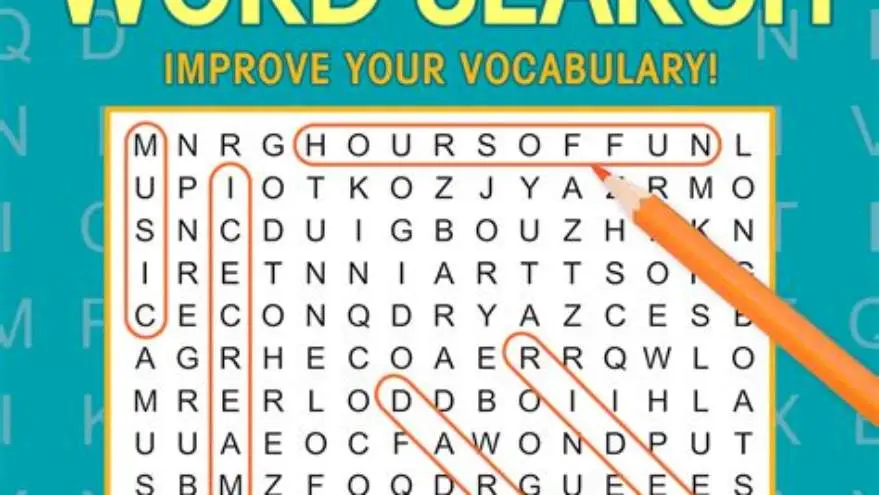
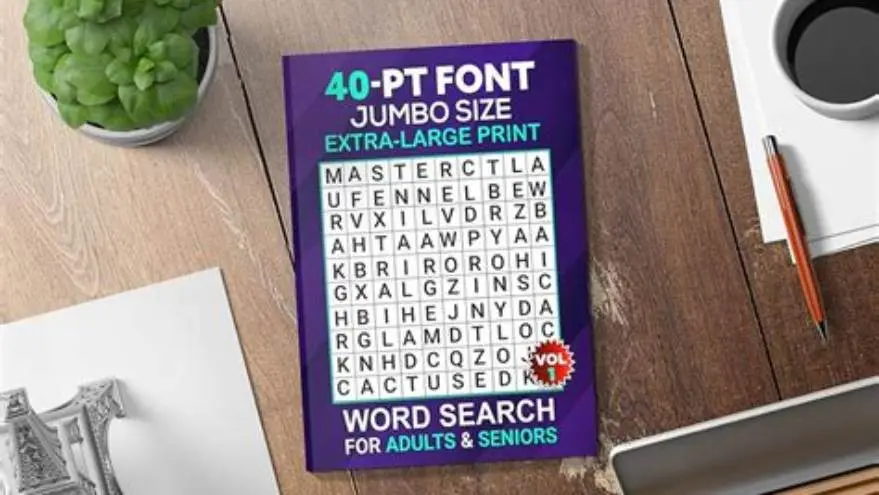
Word search puzzles lead senior KDP sales because the format scales cleanly to large print. A 15x15 grid with 10-12mm letters fills a standard page without crowding. Seniors recognize the format instantly and the difficulty stays visible at a glance. You get predictable layout, fast production and year-round demand.
Sudoku ranks second. The 9x9 grid works well at 10-12mm cell size, leaving room for pencil marks. Number puzzles avoid the vocabulary and cultural references that trip up some word-based formats. Sudoku buyers come back for volume: 120-page books move better than 60-page samplers in this niche.
Simple crosswords sell when the grid is 8-10mm per cell and clues stay short. Skip cryptic or British-style crosswords in large print; clue length blows past readable margins and frustrates buyers. Stick to straightforward definitions and common words. Themed crosswords (1950s music, classic films, garden plants) perform better than random daily-style grids.
Mazes carve out a small but loyal niche. Line width matters more than size: 1.5-2mm paths with high contrast work for readers with low vision. Mazes pair well with other puzzles in a variety book rather than standing alone. Buyers expect 50-80 mazes minimum, so production time per book runs longer than word search. For the detail, see our notes on worth making puzzle books on kdp.
Avoid logic grid puzzles and cryptic crosswords in large print. Logic grids require long clue text and reference tables that don't fit readable page layouts. Cryptic crosswords depend on wordplay that works against seniors looking for straightforward problem-solving. Both formats fail the "can I read this without a magnifier" test that drives large-print purchases.
How big print affects puzzle book niche choice
Large print cuts your viable niche list in half. Formats that rely on dense grids, long clue text or complex reference keys don't survive the jump to 14-16 point type. A cryptic crossword that fits neatly on a standard page balloons to two or three pages when you enlarge the grid and clues to readable size. That breaks the solving flow and annoys buyers who expect one puzzle per spread.
Grid-based puzzles scale better than text-heavy ones. Word search, sudoku and simple mazes use symbols, letters or numbers in a fixed grid: you just make each cell bigger. Crosswords need bigger grids and shorter clues. Anything requiring paragraph-length instructions (some logic puzzles, story-based riddles) fights against large print and loses. For the detail, see our notes on kdp puzzle generator.
Theme choice matters more in large print because competition concentrates in the same few formats. A generic large-print word search book competes with hundreds of similar titles. A book themed around 1960s TV shows, state birds or classic recipes narrows the field and attracts buyers hunting that specific angle. Themed books also get better keyword matches on Amazon, where "large print gardening word search" beats "large print word search book" for visibility.
Page count and binding affect niche choice. Large-print puzzles eat more pages: 100 word searches that fit in 120 pages at standard size need 150-180 pages in large print. Perfect binding handles thick spines better than saddle stitch, but production cost per unit climbs. Some sellers split a single theme into two volumes rather than one thick book, which spreads fixed costs but doubles the listing work.
| Puzzle type | Standard page fit | Large-print page fit | Niche impact |
|---|---|---|---|
| Word search 15×15 | 1 puzzle per page | 1 puzzle per page | No change, scales cleanly |
| Sudoku 9×9 | 1-2 per page | 1 per page | Slight page increase, still viable |
| Simple crossword | 1 per page | 1-2 pages | Need short clues, fewer grids |
| Logic grid | 1 puzzle + clues | 3-4 pages | Unviable, clue text too long |
| Cryptic crossword | 1 per page | 2-3 pages | Breaks flow, avoid in large print |
Making senior puzzle books faster with the right tools
Building large-print puzzle books by hand in a word processor or design tool takes hours per book. You're formatting grids, checking letter size, generating clues or word lists and laying out answer pages. A 100-puzzle word search book can take 8-12 hours of layout work when you're doing it manually, and that's before the cover and Amazon listing. For the detail, see our notes on puzzle book font size seniors.
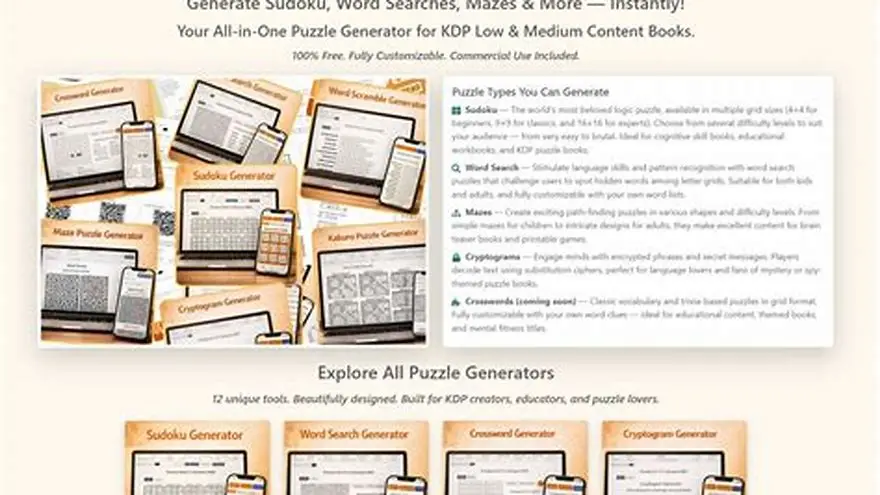
We built BigPrint Puzzle Studio to handle the repetitive parts. It generates eight puzzle types (word search, sudoku, crossword-style, mazes and others) in large print with 42 ready themes or your own custom theme. You pick the puzzle type, choose the difficulty and theme, and it builds a print-ready PDF formatted for KDP. The tool also makes a wrap-around cover and listing text, so you're not stuck in Canva for another hour. It's a one-time $17 payment, no subscription.
The limitation: it won't make you sales on its own. You still need to pick a niche, research keywords and upload your book. The tool handles layout and generation; you handle the publishing strategy. If you're already making puzzle books and spending half your time on formatting, it's a direct time trade. If you've never published on KDP, start with the free manual method below to understand what sells before investing in any tool.
The manual route works if you're starting with one or two books and want to test demand. Use free puzzle generators for word search or sudoku, paste results into a word processor and scale the font to 14-16 point. Format the PDF yourself and use a free tool like Canva for the cover. It's slower (plan a full day per book) but it costs nothing except time. Once you've confirmed a niche sells and you want to scale to 5-10 books, that's when a generator tool pays back its cost in hours saved. We go through low content book ideas for seniors step by step elsewhere on the site.
Examples of niche puzzle books that sell well for seniors on KDP
Nostalgia themes perform consistently across puzzle types. A word search book about 1950s-1970s pop culture (classic TV shows, old-time radio, vintage cars) connects with buyers who lived through those decades. Nostalgia books get higher review scores and repeat purchases because the content feels personal rather than generic. Sales stay steady year-round rather than spiking seasonally.
Holiday and seasonal niches see sharp demand windows. A large-print Christmas word search or Thanksgiving crossword book sells heavily from October through December, then drops off. Valentines, Easter, Fourth of July and Halloween books follow the same pattern. The upside: you can publish the same book every year with minimal updates. The downside: you're competing with hundreds of other holiday puzzle books, so your cover and title need to stand out.
Hobby and interest themes target specific senior demographics. Gardening puzzles, birdwatching word searches, classic movie crosswords and travel-themed sudoku all sell to buyers with a clear interest. A birdwatching word search book competes with fewer titles than a generic large-print collection, and buyers searching for "birdwatching puzzles" are closer to a purchase decision. These niches reward deeper research: know the common bird names, plant varieties or travel destinations your audience recognizes.
Regional and local themes carve out micro-niches. A large-print puzzle book about Texas landmarks, New England towns or Pacific Northwest nature sells to buyers in those regions and the people who visit them. Regional books get picked up as gifts and stocked in local gift shops if you offer wholesale terms. Sales volume per book stays lower than a broad niche, but competition nearly disappears.
Memory and brain health themes attract family caregivers buying for aging parents. Phrase the theme carefully ("memory-friendly puzzles" or "keep your mind active") and avoid medical claims. These books pair well with mid-difficulty puzzles and clear answer keys. Buyers in this niche expect large grids, high contrast and simple instructions. They'll leave detailed reviews, positive or negative, based on readability.
- Nostalgia (1950s-1970s): steady year-round sales, high repeat buyers
- Seasonal (holidays): sharp spikes, recurring annual demand
- Hobby-specific (gardening, birds, film): loyal niche audiences, less competition
- Regional (state or local themes): micro-niche with gift-shop potential
- Memory-friendly: family caregivers buying for parents, high review engagement
Choosing difficulty and length for senior puzzle buyers
Easy to medium difficulty sells better than expert-level puzzles for seniors. Buyers want an enjoyable challenge, not a frustrating one. In word search, that means 12-18 words per puzzle with clear themes. In sudoku, stick to easy and medium grids rather than hard or extreme. In crosswords, keep clues straightforward: "Large body of water" instead of "Neptune's domain." Answer keys matter; always include them at the back.
Page count expectations vary by puzzle type. A large-print word search book typically runs 100-150 puzzles in 120-180 pages. Sudoku buyers expect similar volume. Crossword books work with fewer puzzles (60-80 full-page grids) because each puzzle takes longer to solve. Mazes need 50-80 pages minimum to justify the purchase. Check the top-selling books in your chosen niche and match their page range within 20 pages.
One puzzle per page works best for large print. Buyers flip through and mark progress; cramming two small puzzles on a spread breaks that flow. Leave margins of 1.5-2cm on all sides so the puzzle doesn't disappear into the binding. Use high-contrast black ink on white or cream paper: no gray grids, no decorative backgrounds that reduce readability.
Test difficulty before you publish 100 puzzles. Print three sample puzzles at full size and hand them to someone in your target age range. Watch where they squint, where they give up or where they breeze through too fast. Adjust grid size, clue complexity or word choice based on that feedback. A puzzle that feels "easy" to you at 35 might read as "just right" to a 72-year-old buyer with presbyopia.
Cover design and keywords that pull senior puzzle buyers
Your cover sells the book before the buyer reads a word of the description. Large, bold text stating the puzzle type and theme does better than abstract designs or clip art. Use a sans-serif font at 48-60 point for the title. Add "LARGE PRINT" in a contrasting color near the top so it's visible in thumbnail size. Skip busy backgrounds; a clean layout with one or two representative images (a puzzle grid sample, a themed icon) works best.
Color choice signals the target audience. Warm tones (soft blues, greens, gold) appeal to older buyers more than neon or high-contrast black and red. That said, the cover thumbnail needs to stand out in Amazon search results, so test contrast at small size. A pale pastel cover disappears; a bold border around a clean center pulls the eye.
Keywords drive discovery on KDP. Use all seven keyword slots and front-load the specific terms: "large print word search seniors," "easy crossword puzzles for adults," "sudoku big print." Include your theme in at least two keyword phrases ("gardening puzzles," "Christmas word search") and add "activity book" or "brain games" for secondary traffic. Avoid wasted slots on single words like "puzzles" or "seniors" that are too broad to rank for.
Titles need clarity and keyword density without sounding robotic. "Large Print Word Search for Seniors: 100 Easy Puzzles About Gardening" works. "Awesome Fun Puzzle Book for Adults" doesn't. Put the format first, the audience second and the theme third. Keep titles under 60 characters so they don't truncate in mobile search results. Subtitle slots let you stack more detail: difficulty level, page count, specific themes included.
Check your competition before you finalize anything. Search your target keyword on Amazon, open the top five books in new tabs and compare covers, titles and bullet points. Identify what they all do (large bold text, answer key mention) and what none of them do (your unique theme angle, a layout feature). Make sure your book looks like it belongs on that results page while offering something the others don't.
Questions people still ask
Do I need to create original puzzles or can I use generated ones for KDP?
You can use generated puzzles as long as you have the right to publish them. Most puzzle generation tools grant commercial use rights, but read the terms. Amazon requires that you hold rights to all content. Avoid copying puzzles from other published books or free websites that don't explicitly allow republishing.
How many large-print puzzle books should I publish to start seeing sales?
Start with 3-5 books in related niches to test demand and build a catalog presence. A single book rarely gains traction; a small series signals you're a real publisher. Once you identify which themes sell, expand those niches with seasonal or difficulty variations.
What font size counts as large print for senior puzzle books?
14-16 point type for clues and instructions, 10-12mm grid cells for puzzles. Some publishers go to 18-point for text, but that eats page count fast. Test printed samples to confirm readability rather than trusting on-screen preview.
Can I sell the same puzzle book on Etsy and Amazon KDP at the same time?
Yes, as long as you're not enrolled in KDP Select, which requires exclusivity. Etsy works well for printable PDFs sold digitally, while KDP handles print-on-demand physical books. The formats and buyers differ enough that you're not directly competing with yourself.
Do large-print puzzle books sell better as paperback or spiral bound?
KDP only offers perfect-bound paperback, which works fine for most buyers. Spiral binding lies flat and makes solving easier, but you'd need a separate print service and fulfillment setup. Most seniors accept paperback if the margins are wide enough to hold the book open.
Ready to try it? It generates large-print puzzles in eight types with themed content and builds print-ready KDP files in minutes instead of hours.
Build your puzzle book now