How to make and sell large-print puzzle books for care homes
Step-by-step guidance for creating and selling large-print puzzle books tailored to care home residents and activity directors.
Create large-print puzzle books with 18-point type minimum, simple grids and high contrast, then sell them on Amazon KDP or directly to care homes. Price them at $6-12 retail depending on page count and quality.
On this page (8 sections)
- The short version
- Design puzzles that care home residents can actually see and solve
- Choose the right format and print size for visibility
- Self-publishing on Amazon KDP and selling on Etsy
- Where and how care homes buy puzzle books
- How to price and package puzzle books for care homes
- Test your first book before launching a series
- Questions people still ask
Part of our guide on designing for older adults
Care homes buy puzzle books when the print is genuinely large, the puzzles suit mixed abilities, and ordering more copies is simple.
| Minimum type size | 18 points |
|---|---|
| Best page count | 50-100 pages |
| Retail price range | $6-12 |
| Top puzzle types | word search, sudoku, crossword |
| Print format | 8.5 x 11 inch or A4 |
| Paper weight | 60 lb or heavier |
The short version
- Use 18-point type minimum and high contrast for readers with low vision
- Include 3-4 puzzle types at varying difficulty to suit mixed cognitive abilities
- Sell on Amazon KDP for steady orders or pitch directly to activity directors
- Price retail at $6-12 based on page count, with bulk discounts for direct sales
- Test one book with real users before committing to a full series
Design puzzles that care home residents can actually see and solve
Care home residents often have low vision, arthritis or memory changes. Your puzzles need to work for all three. 18-point type is the floor for body text, and 20-22 points is better for word search grids and crossword clues. Anything smaller gets abandoned halfway through, and the book goes in a drawer.
Black ink on white or cream paper gives the sharpest contrast. Avoid grey text, pale blue grids or decorative fonts with thin strokes. Sans-serif fonts like Arial or Verdana read more clearly than serif faces at large sizes, especially when eyesight is compromised. Leave generous white space around each puzzle so the page does not feel crowded.
Include 3-4 puzzle types at varying difficulty. A book with only hard crosswords frustrates residents with memory loss, while a book of only simple word searches bores those with intact cognition. Mix easy word searches, medium-difficulty sudoku, straightforward crosswords and large-print mazes. Activity directors appreciate variety because they serve residents at different stages.
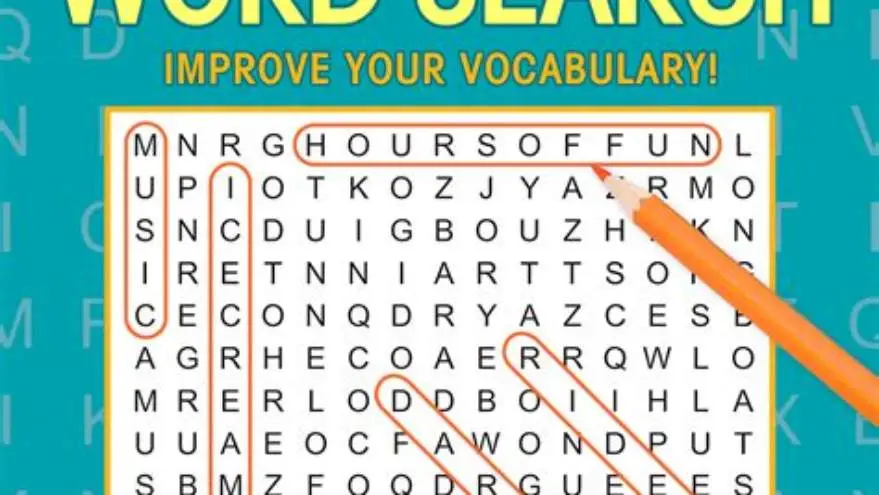
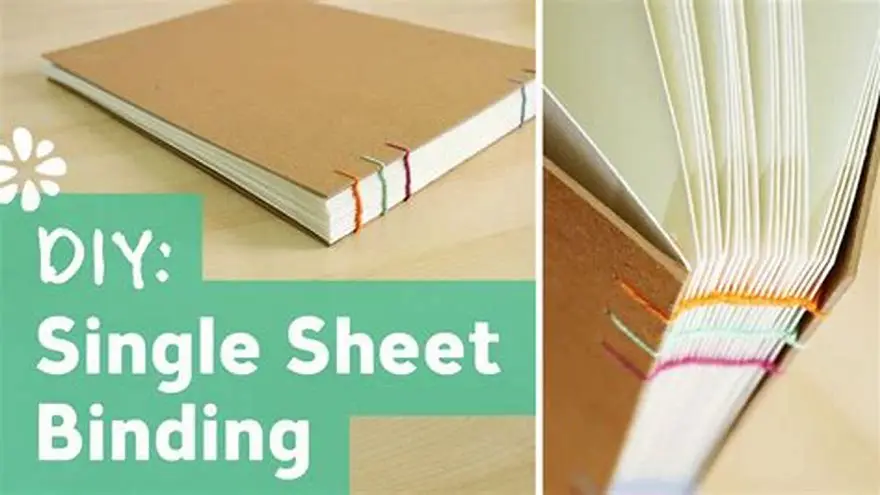
Grid size matters as much as type size. Word search grids should be 10x10 to 15x15 characters maximum. Larger grids become hard to track visually. Sudoku works well at 9x9 but with bold lines separating the 3x3 blocks. Crossword grids should be open and uncluttered, with numbered squares large enough to read without squinting. Clues go on a separate page rather than squeezed beside the grid. We go through how to cheaply bind large book step by step elsewhere on the site.
Choose the right format and print size for visibility
Print your books at 8.5 x 11 inches in the US or A4 elsewhere. Smaller formats force you to reduce type size or cram the layout. Larger formats become awkward for residents to hold, especially those with arthritis or tremor. Standard letter size fits on lap trays, activity tables and wheelchair trays without overhanging.
Aim for 50-100 pages of puzzles. Thinner books feel flimsy and get used up too quickly. Thicker books become heavy and intimidating. A 60-page book with 50-55 puzzles and answer pages gives good value without bulk. Bind with a glued spine rather than spiral or stapled, which can catch on clothing or come apart with repeated use.
Paper weight should be 60 lb text weight or heavier so ink does not bleed through from the back. Residents often use felt-tip pens or markers, which soak through cheap paper and ruin the puzzle on the reverse. If you are printing on demand through Amazon KDP, choose their white or cream paper stock at standard weight. For offset printing, specify 24 lb bond or equivalent. The other half of this decision is how to make a sudoku book to sell on amazon.
Covers need to be full-color and matte-laminated. A plain text cover looks self-published in a bad way. Use large, bold type for the title and a simple illustration or photo that signals the content. "Large Print Word Searches for Seniors" is clearer than "Brain Boosters Volume 3." Matte lamination resists fingerprints and feels more professional than gloss.
| Format | Best for | Type size you can fit | Drawback |
|---|---|---|---|
| 8.5 x 11 inch | KDP and direct sales | 18-22 pt comfortably | None for this market |
| 6 x 9 inch | Portable books | 14-16 pt maximum | Too small for low vision |
| A4 (international) | UK and EU care homes | 18-22 pt comfortably | Not standard on US KDP |
| Large 8.5 x 14 inch | Extra-large print | 24+ pt possible | Awkward to hold and store |
Self-publishing on Amazon KDP and selling on Etsy
Amazon KDP is the fastest route to steady sales. Upload your PDF, set your price and royalty, and Amazon prints each book as it is ordered. You earn 60% of the list price minus printing costs, which run around $3-4 for a 60-page book. That means a book priced at $8.99 nets you roughly $2 per sale after Amazon takes its cut and covers printing.
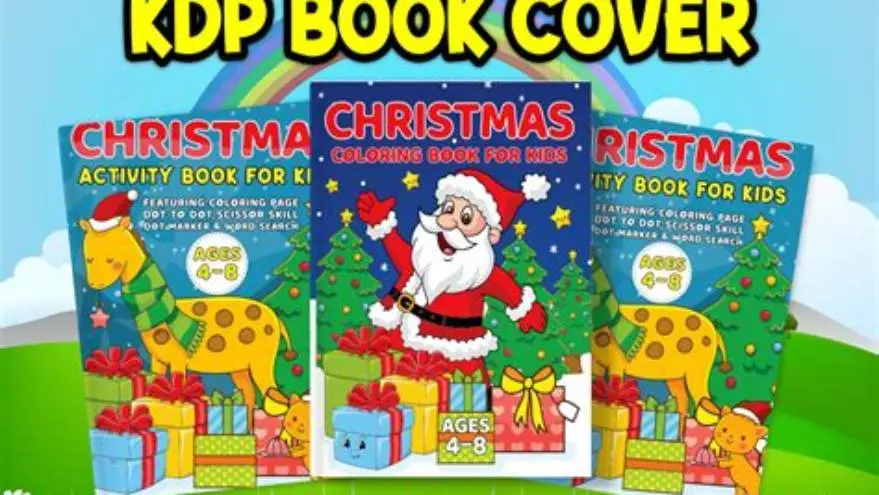
Choose KDP's US Letter size and black-and-white interior unless your puzzles include color illustrations. White paper is fine for most puzzles, but cream paper reduces glare for some readers. Write a clear title that includes "large print" and the puzzle type. "Large Print Word Searches for Seniors" ranks better than "Fun Puzzles Book 1." Use all seven keyword slots with phrases like "large print puzzles," "senior activities," "care home games." There is more on christmas puzzle book kdp in a separate guide.
BigPrint Puzzle Studio creates print-ready PDFs and matching covers for KDP in a few clicks. We built it to handle the sizing, margins and puzzle generation so you do not spend hours in layout software. It includes 8 puzzle types, 42 themes and a cover maker that outputs the exact wrap-around file KDP requires. One-time payment, no subscription. It does not write your book description or handle your marketing, so you still need to research keywords and write compelling copy.
Etsy works for printable puzzle packs rather than printed books. List a PDF download with 10-20 puzzles themed around holidays, seasons or specific interests. Price them at $3-8 depending on the pack size. Etsy buyers expect instant delivery, so your listing must include clear instructions and a sample page image. Sales are less consistent than KDP but you keep a larger share of each sale since there is no printing cost.
- Amazon KDP: steady passive income, lower per-sale profit, no upfront cost
- Etsy printables: higher per-sale margin, requires more active promotion, no physical inventory
- Direct sales to care homes: highest profit, requires outreach and invoicing, bulk orders possible
Where and how care homes buy puzzle books
Care homes buy puzzle books through Amazon, from activity suppliers, or directly from publishers. Activity directors often order from Amazon because it is fast, invoicing is simple, and they can return books that do not work. If your book is on KDP, it shows up in their search results alongside major publishers. Price it competitively and make sure the cover and title clearly signal large print and senior suitability. We go through low content book ideas for seniors step by step elsewhere on the site.
Direct sales to care homes give you higher margins but require hustle. Compile a list of care homes in your region from online directories or your local chamber of commerce. Email the activity director with a one-page PDF sample and a bulk pricing offer. Offer 5-10 books for $5-6 each when the retail price is $8-10. Many activity directors work with tight budgets and appreciate a direct discount they cannot get on Amazon.
Activity suppliers and senior product catalogs sometimes carry puzzle books on consignment or wholesale terms. Expect to sell at 40-50% of retail when you go through a wholesaler. A book that retails for $9.99 might wholesale for $4-5. That margin only works if your printing cost is low, which usually means print runs of 100+ copies at a time rather than print-on-demand.
Care home purchasing cycles are unpredictable. An activity director might order two copies to try, then come back three months later for 20 more. Or they might never reorder. That is why KDP makes sense for testing: you do not sit on unsold inventory, and each sale generates a small royalty that compounds over months. Once you know a book sells, you can approach care homes directly with confidence.
How to price and package puzzle books for care homes
Retail pricing for large-print puzzle books sits at $6-12 depending on page count and production quality. A 50-page book with simple black-and-white puzzles sells for $6-8. A 100-page book with a full-color cover and heavier paper can command $10-12. Check what similar books on Amazon are priced at and position yourself in the middle of the range unless you have a clear quality advantage.
Bulk pricing matters for direct sales. Offer 10-15% off for 5 copies, 20-25% off for 10+. An activity director who pays $8 per book at retail might pay $6.50 for five copies or $6 for ten. Make the discount visible in your pitch email so they see the saving immediately. Include a simple invoice template or use a service like PayPal or Square to process the payment.
Packaging for direct sales should be minimal but professional. Ship books in a padded envelope or small box with a printed packing slip. Include a business card or flyer for your other titles. If you offer a satisfaction guarantee, print it on the packing slip. Care homes reorder from suppliers they trust, and a smooth first transaction builds that trust.
Bundles increase average order value. Offer a 3-book set for $20-24 when individual books sell for $8-9 each. Theme the bundle around seasons, holidays or puzzle types. A spring bundle might include word searches, crosswords and sudoku with spring vocabulary. Activity directors like bundles because they simplify ordering and budgeting.
| Page count | Retail price | Bulk price (5+) | Your margin on KDP |
|---|---|---|---|
| 50 pages | $6-7 | $5-5.50 | $1-1.50 per book |
| 60-80 pages | $8-10 | $6.50-8 | $2-3 per book |
| 100+ pages | $11-12 | $8.50-9 | $3-4 per book |
Test your first book before launching a series

Print one proof copy and give it to an activity director, a family caregiver or a senior you know. Watch them use it. Can they read the type without straining? Do they complete the puzzles or give up halfway? Are the clues clear or confusing? Real-world testing catches problems that look fine on your screen but fail in a care home lounge with poor lighting and tired eyes.
Ask for specific feedback on puzzle difficulty, visual clarity and binding quality. A puzzle that feels easy to you might frustrate someone with memory loss. A grid that looks sharp on your monitor might blur when printed. A spine that holds together in your hands might crack after being dropped twice on a tile floor. Fix these problems in the first book rather than finding them after you have published five more.
Launch with one book and one theme rather than a whole series. Get it live on KDP, run it for two months and watch what sells. If the book earns steady royalties and gets positive reviews, expand the series with a second theme or puzzle type. If it stalls, revisit the cover, title or interior before you invest more time. The most common mistake is publishing six books at once and then watching them all underperform because they share the same flaw.
Track your sales and review patterns. A book that sells one copy a day generates $60-90 a month in royalties, and that compounds when you add more books to the series. A book that sells three copies in two months tells you the market does not want what you made, or your title and cover are not connecting with buyers. Adjust and relaunch rather than walking away.
Questions people still ask
How many puzzles should I include in a care home puzzle book?
Aim for 50-55 puzzles in a 60-page book, or 80-90 puzzles in a 100-page book. Include answer pages at the back. More puzzles give better value, but keep the book under 100 pages or it becomes too heavy for residents with limited grip strength.
Can I use free puzzle generators for a book I plan to sell?
Check the generator's license terms. Some allow commercial use, others do not. Free generators often produce low-quality layouts with inconsistent spacing and small type. You will spend time fixing those issues manually, which erodes the time saving.
Do care homes prefer spiral binding or perfect binding for puzzle books?
Perfect binding (glued spine) is more durable and looks more professional. Spiral binding lets the book lie flat, which some users prefer, but the coils catch on clothing and break with rough handling. Most care homes favor glued spines for longevity.
Should I sell puzzle books on Amazon or pitch directly to care homes?
Start with Amazon KDP for passive income and proof of concept. Once a book sells consistently, pitch it directly to care homes at a bulk discount. Direct sales give higher margins but require active outreach and invoicing.
What puzzle types work best for residents with memory loss?
Word searches with short word lists, simple crosswords with straightforward clues, and large-grid sudoku work well. Avoid cryptic puzzles, complex logic games or anything that penalizes slow processing speed. Offer three difficulty levels so residents can choose what suits them.
Ready to try it? It generates print-ready KDP files and covers in minutes instead of hours in layout software
Build your first book with it