Large Print Word Search for Seniors in Memory Care That Calms
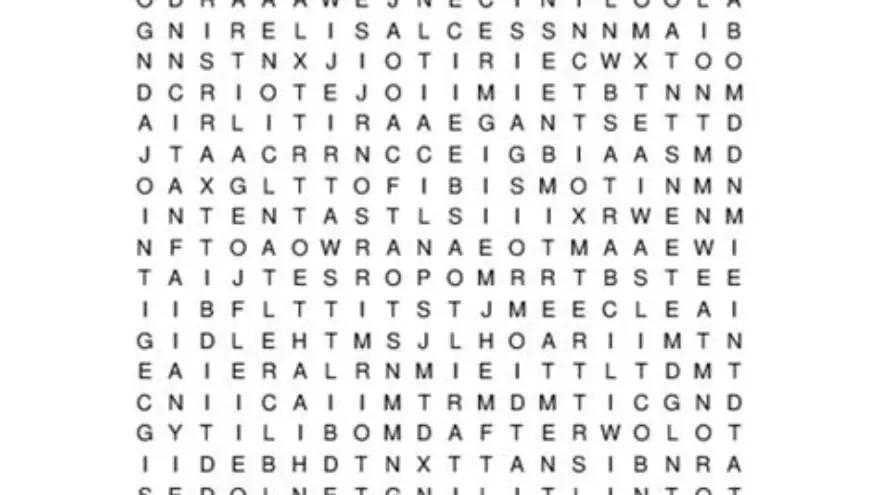
A large print word search works in memory care when it is built for comfort, not challenge. Use a short list of familiar words, across and down only. Print them big and clear. Solve it with them in a brief sitting.
On this page (8 sections)
- Quick recap
- Large print word search for seniors in memory care: what works
- Why familiar words matter more than hard words
- Setting up a puzzle that ends in a smile
- Running a calm session, one to one or in a small group
- What to do when a resident cannot find a word
- Keeping puzzles fresh across the week
- Still wondering?
Part of our guide on creating large print flashcards for dementia care
Key figures
- Words to start
- A short list to start
- Word directions
- Across and down only
- Big, bold, high contrast
- One page
- One puzzle, one word list
- Session
- Brief, with a helper
- When to stop
- While it is still pleasant
Quick recap
- Use a short list of well-known words, running across and down only.
- Print the words big and clear, with wide spacing and one puzzle per page.
- Work through it together, reading each word aloud first.
- End while it is still pleasant, not when tiredness sets in.
- Change the theme often, and keep a file of word lists that worked.
Large print word search for seniors in memory care: what works

Memory care is a home where familiar things matter more than new ones, so a word search fits when built for comfort rather than challenge. Nothing here is a test. Comfort comes first. That quiet activity fills a visit, starts a conversation and ends with a finished page.
Residents in memory care often enjoy puzzles they did years ago, and word searches ask for recognition rather than recall from nothing. Each word sits on the list, and the eyes only have to find it again on the grid. That small difference matters. Finding feels possible. Even on a hard day.
Keep the puzzle short and the words warm, choosing garden, music, family and home, words that feel like home. A list like that invites a smile before the first word is found. New or abstract words do the opposite. They ask for effort without giving comfort back. Warm words win.
Solve it side by side, with one person reading the word aloud while the other looks for it. Talk about each word as it turns up. Solved this way, the puzzle is a visit with something to do. People in this spot often ask about creating a memory book for seniors with dementia as well.
Why familiar words matter more than hard words
Familiar words are recognised at a glance. Recognition is instant. They carry a picture with them: a garden, a kitchen, a song. New words must be sounded out letter by letter, which is slow work for tired eyes. Built from familiar words, a word search feels easy from the first line.
Build the list from the resident's own life: family names, a hometown, a favourite meal, a hymn, a trade. These words open conversations that a printed list of random words never will. Ask family what words matter. They usually know at once. Write the list down as family names them, so nothing is lost.
Concrete words work best. Bread, rain, roses, grandson. Each one can be pictured, touched or tasted, while words for ideas are harder to hold and harder to find. If a word needs explaining first, leave it out and choose one the resident already knows. If that sounds like your situation, read up on arthritis word search for seniors next.
Short words suit memory care, since few letters are spotted fast and held in mind while scanning. Mix in one longer word for a little stretch, but keep most of the list short. Long words tire the reader and slow the search for no gain. Small is kind. Our Gentle Minds Activity Kit prints activities at three levels for adults living with memory loss, so a resident can start gentle and move up.
Setting up a puzzle that ends in a smile
Empty space is kind to tired eyes, and wide gaps between letters stop them blurring into one another. Few words on the list means the solver always knows what comes next. Start with a short list, around half a dozen, and change it to suit the resident. Room around the letters is room to breathe. Space helps eyes rest.
Run every word across or down. Calm is the goal. Diagonals and backwards words turn a gentle search into a hard one, and they add nothing a resident needs. Words should read the way reading normally goes, left to right and top to bottom, since one direction is enough for a calm puzzle. There is more on starting a puzzle club for seniors with dementia in a separate guide.
One puzzle belongs on one page, with its word list on the same page, so everything stays together. Putting the list on the back means turning the sheet to check a word, and that breaks the search. Keep the answer page with the helper, on its own sheet.
Print matters more than paper, and black letters on plain white paper give the strongest contrast. Choose a plain font with no fancy curls. Plain beats fancy. Test the page at arm's length before printing copies. Bigger print beats a crowded page every time. Cream paper can soften glare for sore eyes.
| Feature | Standard puzzle | Memory care puzzle |
|---|---|---|
| Words in the list | A larger number | A short list to start |
| Word directions | All eight ways | Across and down only |
| Letter spacing | Tight grid | Wide, with clear gaps |
| Page layout | Puzzle and list crowded | One puzzle per page |
| Solving | Alone, against the clock | With a helper, no time limit |
Running a calm session, one to one or in a small group
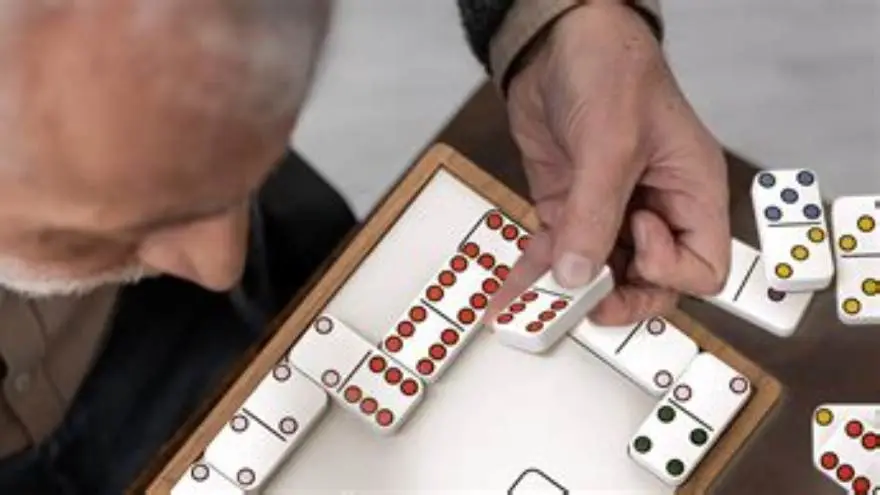
Late morning often suits residents better than late afternoon, when tiredness sets in, so pick a quiet corner with good light. Sit beside the resident, not across from them, so the page is shared. Good light helps more than any puzzle trick. Quiet helps too. Sharing the page makes it a visit, not a lesson. We cover seniors with dementia playing dominoes in its own article.
Speak the first word aloud, point to it on the list, and say it slowly, then let the resident look for it. No word turns up? Offer a small cue: the first letter, or the row it sits in. Cues are not cheating. They keep the puzzle moving and the resident in it.
Brief visits suit memory care. Watch for the signs that the session has run its course: the pen slows, the eyes wander, the answers stop coming. Stop there, even if words are left, since an unfinished puzzle can wait for tomorrow.
End on a found word. Still stuck on the last word? Find it as a pair and circle it with one pen, since that feeling of finishing stays with the resident longer than the puzzle does. Keep the finished page where it can be seen.
- Choose a quiet corner with good light and sit beside the resident.
- Say the first word aloud and point to it on the list.
- Give the first letter as a cue if the resident stalls.
- Close the puzzle while it is still pleasant.
- Finish the last word as a pair and keep the page with its date.
What to do when a resident cannot find a word
Stuck is normal, not failure, and words can hide in plain sight for anyone. Helpers keep the moment light. Never turn the search into a quiz. Quizzes make people withdraw, and a withdrawn resident will not pick up the next puzzle.
Offer the first letter, then the row, then the word itself, saying it with a smile and circling it as a pair. Talk about the word for a moment: what it means to the resident, where it comes from. It is only the excuse. Conversation is the point.
Try a different word when one will not come, crossing it off the list and moving on. Treat the list as a menu, not an exam. Come back to the hard word later, or leave it for next time. No one keeps score.
Tiredness shows itself plainly: yawning, rubbing eyes or pushing the page away all mean the sitting is done. End with a kind word and put the puzzle aside. Tomorrow is another puzzle, and the resident will remember the feeling, not the score. Good sittings leave the resident smiling. Smiles tell the story.
Keeping puzzles fresh across the week
Same words every day grow stale fast, and one that felt fresh on Monday feels like a chore by Friday. Change the theme, not the format. Keep the grid the same shape. Words do the travelling.
Seasons give you themes for free. Spring brings garden and rain, summer brings seaside and ice cream, autumn brings harvest and leaves, and winter brings snow and Christmas. Themes tied to the season give the puzzle a reason to exist.
Life gives better themes than seasons do: weddings, birthdays, a grandchild's visit. Build the puzzle around the event and the words write themselves. Family can send words in by phone or note. It becomes a gift, not a worksheet.
Reuse the good grids with new words, since grids that worked can carry a fresh list next week. Hold a small file of word lists by theme, ready to print. When a resident finishes every puzzle you bring, the file is working. Make the next one a little harder, and watch it get finished too. Ask the resident which theme they liked best. Use it again next week, with fresh words. Fresh words keep it new.
A short, familiar, forward-only puzzle solved side by side is the version worth printing.
Still wondering?
Can a word search help someone with memory loss?
Word searches ask for recognition, not recall from nothing, so finding a word feels possible and it can fill a sitting with calm and company. It is not a treatment and it will not improve memory. Its value is the quiet time and the conversation it starts. That is enough.
How many words should a memory care puzzle have?
Start with a handful of words the resident knows well, changing it to suit the resident. If the puzzle finishes too fast, add a few more next time. If the resident tires, trim the list and try again. Small starts win.
What if the resident cannot read the words?
Read each word aloud before the search starts, and repeat it when the resident looks lost. Pair the word with a picture or an object when that helps. Use a photo of the garden to stand for the word garden. Short lists work best, built from the resident's own life. Familiar wins every time.
Should I print the puzzle or buy a book?
Printed puzzles suit memory care better than most books, since you choose the words, the size and the theme. Books often pack too many words onto a page. Print one puzzle per page, with its list on the same page, and keep a file of lists that worked. Print your own.
What if the resident does not want to do puzzles?
Do not push it: offer the puzzle, and let the resident say no. Some days a chat or a song suits better. Try again another day, with different words. Refused today, it may be welcome next week.
Ready to try it? It gives printable activities at three levels for adults living with memory loss, so the puzzle fits the resident.
See the activity kit