How to Make Large Print Flashcards for Seniors With Dementia
For seniors with dementia who can still read single words, make large print flashcards in dark type on plain white card. Start with everyday words the person knows, and test each card with the person who will use it.
On this page (8 sections)
Part of our guide on dementia activity book for adults
Key figures
- Card size
- 3x5 or 4x6 inches
- Card stock
- Heavy, stiff, resists creasing
- Pictures
- One clear photo
- First set size
- 8 to 12 cards
- Type size start
- Test 36, 48 and 60
- Session length
- 3 to 10 minutes
Quick recap
- Print the type big enough to read at arm's length.
- Begin with eight to twelve everyday words the person knows well.
- Try one card with the person before you print the rest.
- Carry the set on a ring, kept flat so it stays together.
Why one idea per card works best
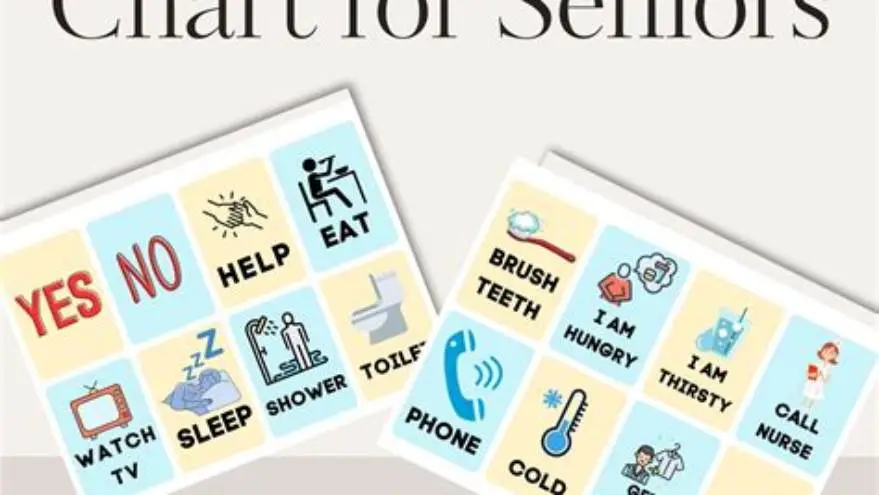
Many families ask how to make large print flashcards for seniors with dementia, and the best place to start is one idea per card. Memory loss makes busy pages hard to follow, so a card with one word and one picture gives the eye a single place to land. Readers should not have to choose what matters most. One focus like that keeps the moment calm. Calm starts here.
A clear card lets the reader answer in their own time. They may smile, nod, or say the word aloud. A short tale about the picture may follow. That tale is the point of the card. Talk starts from a word they know well. Known words can bring back a tale from long ago. Familiar words open doors.
Pictures help most when they show exactly what the word means, and photos of a cup work better than drawings of a kitchen. Real photos feel familiar and need no decoding. Use photos the person knows when you can. Their own mug beats a stock photo of a mug. The right picture does half the work before a word is read. Familiar beats fancy.
How to make large print flashcards for seniors with dementia
Print each card on thick white card, not thin paper, because thin paper bends, tears, and shows print through from the other side. Thick card stays flat in the hand and lasts through daily use. Choose a heavy card stock that feels stiff in the hand and resists creasing when you bend a corner. Try two weights in your printer before you print a full set, and keep the one that feeds cleanly. Solid cards tell the reader this is worth their time. Worth the effort. People in this spot often ask about printable card games for dementia as well.
Cut the cards to a size that fits the hand. Try a 3x5 inch card first, and move to a 4x6 inch card if the type still needs room. See how the person holds the card, and check whether the type needs to scale up or down. Hands that lose the card want a smaller size. Size is a test, not a rule.
Hold the card still while the person looks at it. Moving cards are hard to track, and a shaky hand adds noise the reader does not need. Rest your hand on the table if it helps, and let the person take the card gently when they reach for it. Some people read better holding the card themselves. They set the pace, not you. Patience pays off.
- Pick eight to twelve words the person uses every day.
- Print each word in dark type on plain white card.
- Add one clear photo that shows exactly what the word means.
- Cut the card to size and round the corners.
- Laminate the card so it survives daily handling.
- Punch a hole in one corner and thread the set on a ring.
What size type and card should you start with?
Make three trial cards, one word at 36, 48 and 60 point, then hold each card at arm's length. Keep the size the person reads comfortably, and set the rest of the set to match. Leaning in or squinting means the type should grow. When the word fills the card with no room to breathe, go smaller. Each person reads best at a different size, so test it fresh each time. Eyes tell the truth. People in this spot often ask about word search for seniors in memory care as well.
Card size and type size work as a pair. Bigger cards give big type room to breathe, and small cards force a choice between type size and white space. This trade-off is why the table below matters, since it sets out the two common sizes side by side for a quick look. Pick the pair that fits the reader, not the pair that looks neat on a shelf. Comfort comes first.
Paper colour matters as much as size does in daily use, and Plain white card gives the strongest contrast with dark type. Cream card suits a reader who finds white glare tiring. White feels crisp to some readers, and cream feels softer to others. Pick the card the person likes best, and keep that colour for the whole set.
Choose a plain sans-serif face for the words, and pick a heavier weight when the word looks thin. Dark type on plain card reads best, and mixed case reads easier than words in all capitals. All capitals are harder to read, so keep capitals for the first letter only. Break a long phrase across lines at a natural word break, so each line still makes sense on its own. Short lines, clear words. The other half of this decision is how to make a memory book for seniors with dementia.
| Card size | Best for | Watch out for |
|---|---|---|
| 3x5 inches | Most readers, everyday words | Type may need to stay smaller |
| 4x6 inches | Bigger type, weaker eyesight | Harder to hold in small hands |
| Larger than 4x6 | Very large type only | Cards get heavy and awkward |
How do you use the cards without pressure?
Show one card at a time and wait, since silence gives the person room to find the word on their own in time. Jumping in with the answer takes the joy out of the moment. Give them time, and let the word come when it comes. Talk about the word, the picture, and what it brings to mind. Easy talk keeps the card doing its job. Chat first, cards second.
Sit beside the person, not across from them, because side by side feels like company and face to face can feel like an exam. Our Gentle Minds Activity Kit, which we make, holds conversation cards in gentle, easy, and steady levels. Helpers can pick cards that match the day. These cards are for enjoyment and conversation, not a treatment for dementia, and health questions go to their doctor. The kit will not suit every person, and no activity lands well on some days. Plain index cards and a thick marker cost almost nothing and work fine for a first set.
Watch for signs the session should end, since yawns, looks away, or hands pushing the cards aside all say enough to stop now. End on a good card, not a hard one. Good last cards leave a warm feeling for next time. Keep a first session to three to ten minutes, and change the length to suit the person. Looking away, sighing, or rubbing eyes all mean the person has had enough. Rest, then try again another day. We go through dementia-friendly puzzle club for seniors step by step elsewhere on the site.
How can you test if the cards read clearly?
Test each card with the person who will use it, and hold it at arm's length in normal room light each time. Ask what they see, then wait for the answer. Do not prompt, and do not correct a slow answer. Slow answers still count as a read. Words that come with effort need bigger type. Note which cards pass and which need work. Write it down.
Invite the person to read the card aloud when they feel able. Some people read in their head and point instead. Both count. What matters is the word landing, not the method. Change one thing at a time when a card fails. Bigger type first, then a plainer photo, then a shorter word. Write notes short so the next helper can follow them. Slow is fine.
Set a failed card aside for a full week. Failures today may work on a better day. Moods, light, tiredness, and noise all shift how reading goes. Bring the card back once, with bigger type, a clearer photo, or both. If it fails twice, drop it. Sets stay kind only when every card in them can succeed. People in this spot often ask about how to play dominoes with seniors with dementia as well.
Compare dark type on white card with dark type on cream card, side by side in the room light. Take the card that reads clearer, with no shine or glare on the surface. Glare can hide a word that reads fine on the desk. White suits bright rooms, and cream suits a reader who finds white too bright. Trust what the person reads best, not what looks best on the shelf.
What do you do when a card stops working?
Put the card aside the moment it causes strain. Cards that strain the reader have no place on the ring. Last month's winners may fail this month, and that change says nothing about the person. Needs shift, and the set should shift with them. Retiring a card is care, not defeat, and it keeps the set kind. Sets earn trust by staying easy. Slip retired cards into a spare pile, not onto the ring. Care means letting go.
Store the working set on a metal ring through one corner. Rings stop cards from scattering and keep the order you chose. Add new cards at the back, so familiar cards come first. Take the ring apart when the set needs a sort. Flat boxes work when the ring gets full. Leave the box where the person can reach it.
Grow the set slowly, one or two cards at a time. Small sets that work beat big sets that frustrate. New words should come from the person, or from the day ahead. Visits, meals, and walks all make good card topics. Stop adding when the ring feels full. Light decks stay loved. Light rings get picked up again. Joy lives in small sets.
Still wondering?
How many cards should I make first?
Eight to twelve cards make a good first set. Twelve cards give enough choice without turning the deck into a chore. Wait until the first set works in real use, then add two or three cards. Watch which cards get picked up most and build from those.
What if the person cannot read the words at all?
Photos alone can carry the card, with no words at all. Point to the picture and name it out loud together. Easier days may come, and the words can go back on then. Ask their doctor about any change in reading or sight.
Can I print the cards at home?
Yes, a home printer works fine for a first set. Highest quality settings on thick white card work best. Laminate the cards or cover them with clear tape for longer life. Round the corners so nothing sharp catches a finger.
How often should we use the cards?
Daily moments of a few minutes beat one long weekly session. Stop while the person still enjoys it, not when they tire. Regular use keeps the words familiar without pressure. Missed days do not matter, so pick the cards up again tomorrow.