Non-childish dementia activities: 6 respectful ideas
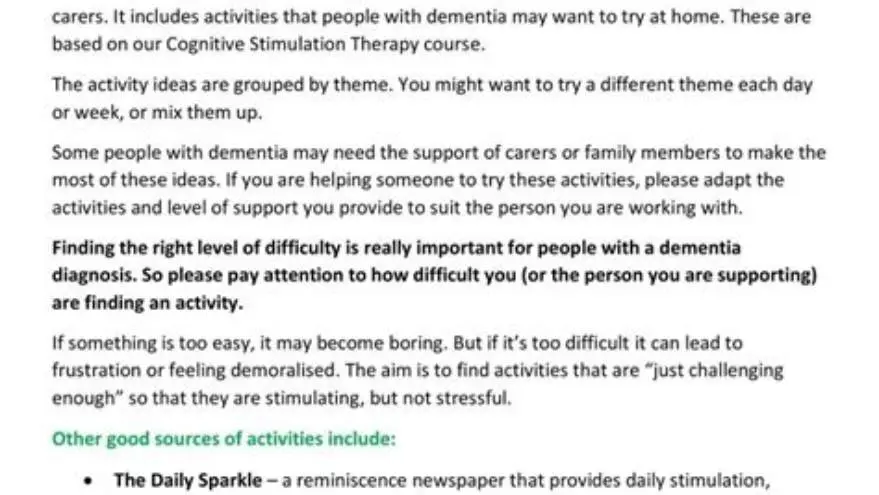
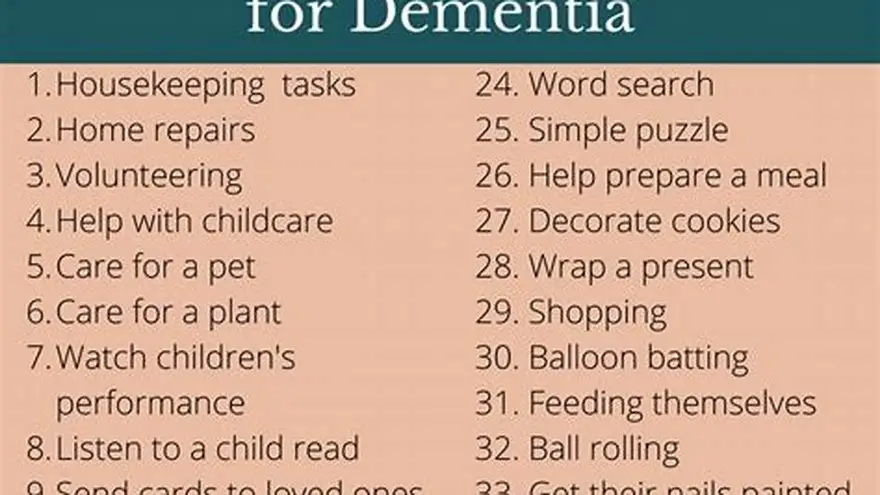
The most respectful dementia activities draw on adult experience rather than childhood skills: sorting photographs by decade, folding towels or napkins, matching paint chips by shade, arranging flowers, discussing newspaper headlines, and listening to music from their youth. Each taps long-term memory and feels like real work.
On this page (10 sections)
- Quick recap
- What makes an activity appropriate and non-childish for dementia
- Sorting and organizing tasks that feel like real work
- When sorting becomes too abstract
- Music, photographs, and prompts that spark conversation
- Household tasks that restore a sense of purpose
- Quick safety checks for kitchen activities
- How to adapt activities to different stages of dementia
- Six specific activities that preserve adult dignity
- Still wondering?
Part of our guide on activities for dementia patients simple
Key figures
- Key principle
- Adult experience, not childhood skills
- Activity length
- 15-45 minutes, depending on stage
- Success marker
- Calm engagement, not frustration
- Materials
- Real household or hobby items
- Conversation cards
- 48 in Gentle Minds kit
Quick recap
- Choose activities rooted in adult roles: homemaking, work tasks, hobbies they practiced for decades
- Offer real objects and materials, not cartoon images or primary-color toys
- Match the activity's difficulty to current abilities so success comes naturally, not after struggle
- Conversation and reminiscence count as activities when attention span is short
- Adapt by simplifying steps or reducing choices, never by switching to children's themes
What makes an activity appropriate and non-childish for dementia
An activity respects an adult when it connects to their former roles and uses materials they would have handled in daily life. Someone who cooked for forty years finds satisfaction in sorting utensils or wiping down a table. A retired accountant might enjoy organizing receipts by date or matching numbers on cards. The task itself matters less than whether it echoes the competence they built over decades.
Three markers separate adult activities from childish ones. First, the visual style: real photographs instead of clip art, actual fabric swatches rather than construction paper, tools and household objects rather than plastic shapes. Second, the complexity: enough steps to feel purposeful but not so many that confusion sets in. Third, the outcome: folding napkins produces a neat stack someone can use, while stacking blocks produces nothing a grown person values.
Difficulty must match current ability so the person finishes feeling capable. An activity that is too hard triggers frustration and withdrawal. One that is too simple feels insulting. Watch for relaxed posture and steady hands as signs you have the balance right. Furrowed brows, repeated sighs, or pushing materials away mean the task has tipped into struggle.
The Gentle Minds Activity Kit addresses this balance directly with three difficulty levels and a caregiver guide. We built it after family caregivers told us standard puzzle books either bored their loved ones or overwhelmed them. It includes 48 conversation cards and daily planning pages, all printable so you use what fits today's mood and energy. It is not therapy and will not slow decline, but it does give you a drawer full of respectful options when you are out of ideas mid-week. If that sounds like your situation, read up on engaging dementia patients who can't read next.
Sorting and organizing tasks that feel like real work
Sorting gives a clear goal and a visible result, both of which support a sense of accomplishment. Gather a basket of mismatched socks and ask for help pairing them. Spread hardware like screws, bolts, and washers across a table with small bowls for each type. Offer a deck of playing cards to arrange by suit, or a stack of mail to sort into junk and keepers. Each task has a beginning, a middle, and an end someone can see.
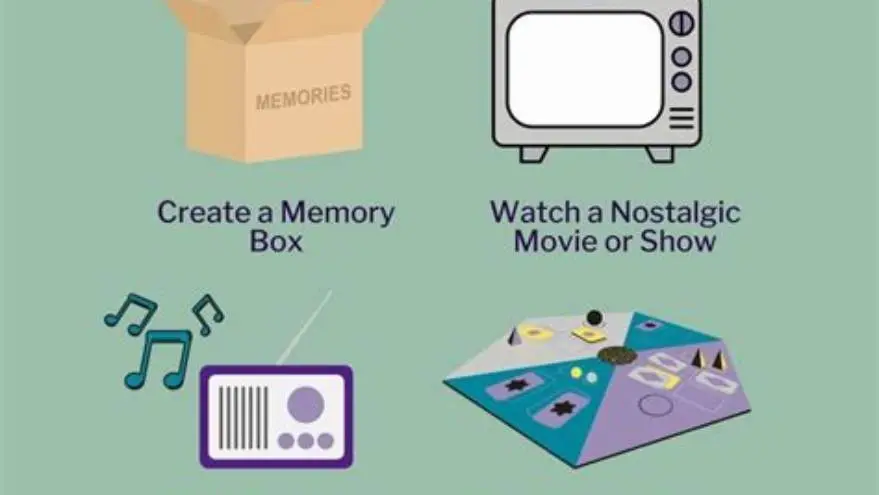
Photo sorting brings reminiscence into the work. Print duplicates of family photographs from different eras and ask the person to group them by decade, by location, or by who appears in each. Talking through the images often matters more than finishing the sort. You will hear stories you have not heard before, and the person enjoys being the one who remembers.
For someone who managed a household, organizing kitchen items reinstates a familiar role. Set out a drawer of utensils, a pile of dish towels, or a collection of plastic containers with lids. The person matches, stacks, or arranges them. Success comes without instruction because the muscle memory is still there. You are not teaching; you are providing the materials for them to do what they have always done. People in this spot often ask about dementia activities that are not childish as well.
Adapt difficulty by changing the number of categories. Two piles are easier than five. Matching lids to containers works when sorting by size does not. If the person stops halfway through, the task was long enough. Put the materials away without comment and count it as time well spent.
When sorting becomes too abstract
Later in dementia, categories blur and the concept of sorting may not hold. Switch to single-step activities like winding yarn, wiping the table, or stacking coasters. The motion and texture matter more than the outcome. Offer objects that feel pleasant to handle: smooth river stones, soft fabric squares, wooden spools.
Music, photographs, and prompts that spark conversation
Conversation itself is an activity when attention span shortens and hands grow unsteady. Music from youth reaches memory that recent events cannot. Play recordings from the person's teens and twenties: big band, early rock and roll, gospel, country, whatever defined their era. You will often see a physical shift, shoulders relaxing, fingers tapping, sometimes singing along with lyrics they have not spoken in decades. Before you commit to anything, it is worth looking at dementia activities designed for seniors.
Conversation cards give you a way to start when you have run out of questions. A prompt like What was your first job? or Where did you go on your honeymoon? opens a story. The Gentle Minds kit includes 48 cards organized by theme, and the questions are open-ended rather than yes-or-no so the person can answer at their own depth. Some days you get a full story. Other days you get three words and a smile. Both count.
Photographs work better than words alone because the visual cue steadies memory. Show pictures of the town they grew up in, the car they drove, the uniform they wore. Ask what they remember about the image rather than testing their recall of names and dates. The goal is connection, not a quiz. When they cannot remember, you fill in the gaps without correcting them.
Avoid conversation topics that require recent memory: what they ate for breakfast, who visited yesterday, what day it is. Those questions highlight loss. Instead, ask about decades-old experiences still vivid in long-term memory. The wedding, the war, the first house, raising children, the job they held for thirty years. Let them be the expert on their own life. Before you commit to anything, it is worth looking at playlist for sundowning hours.
Household tasks that restore a sense of purpose
Folding laundry, setting the table, or arranging flowers reinstates the rhythm of homemaking for someone whose identity centered on caring for a household. Hand them a basket of clean towels and they fold without being shown how. The task does not need to be perfect. It needs to feel familiar and useful.
Meal preparation works in simplified form: tearing lettuce for a salad, stirring batter, snapping green beans, peeling potatoes with a safe peeler. Avoid sharp knives and hot surfaces, but include the person in the process so they contribute to the meal rather than waiting to be served. The smell of baking bread or simmering soup often triggers memories more powerfully than photographs.
Gardening translates indoors when weather or mobility limits outdoor work. Offer a flat of seedlings to transplant into small pots, a bouquet to arrange in a vase, or a tray of herbs to pinch and smell. Textures and scents engage senses beyond vision and hearing, which may have declined. Soil under the fingernails, the snap of a stem, the scent of basil: each brings the person into the present moment.
These tasks work because they are genuine contributions, not invented busywork. The towels need folding. The table needs setting. The flowers need water. When someone with dementia completes a task the household actually needed done, they have helped, and that helps them.
Quick safety checks for kitchen activities
Remove hazards before inviting the person to help. Put away knives, turn off the stove, unplug small appliances. Offer tasks with low risk and high satisfaction: washing vegetables, measuring dry ingredients, decorating cookies with icing. Stay in the room and redirect calmly if they reach for something unsafe.
How to adapt activities to different stages of dementia
Early-stage dementia allows for complex hobbies the person enjoyed before diagnosis: woodworking with supervision, needlework, painting, playing an instrument, working on a car engine. Skills practiced for decades remain accessible longer than new learning. Simplify the setup so the person does not have to locate tools or materials, but let them lead the activity once everything is in front of them.
Middle-stage dementia calls for shorter tasks with fewer steps. A quilter may no longer piece a full pattern but can still sort fabric by color. A gardener may not plan a bed but can deadhead flowers or pull weeds. Break multi-step activities into single actions and offer them one at a time. Instead of asking someone to make a sandwich, ask them to spread butter, then add the filling, each step separate.
Late-stage dementia responds to sensory engagement more than task completion. Offer textured objects to hold: a soft stuffed animal, a fleece blanket, a smooth wooden bowl. Play familiar music and hold their hand. Brush their hair slowly. Read aloud from a favorite book even if they do not respond verbally. Comfort becomes the activity.
The stage matters less than what works today. Someone in middle-stage may have an alert morning where a craft project succeeds, then a foggy afternoon when only music helps. Try an activity for five minutes. If engagement comes, continue. If frustration or withdrawal appears, stop without making them feel they failed. Tomorrow you try something else.
| Stage | Attention span | Best activity type | Example |
|---|---|---|---|
| Early | 30-60 minutes | Familiar hobbies, simplified | Painting, woodworking, card games |
| Middle | 15-30 minutes | Single-step tasks, sorting | Folding towels, matching socks, photo sorting |
| Late | 5-15 minutes | Sensory, comfort-focused | Music, textured objects, hand massage |
Six specific activities that preserve adult dignity
These six have earned trust among family caregivers and activity directors because they work across cognitive levels and require only household materials. First, sorting hardware or office supplies: buttons, screws, paper clips, coins. Give the person small containers and let them decide the sorting rule. Second, folding and rolling: towels, washcloths, napkins, even socks if pairing them has become too hard. The repetitive motion soothes.
Third, matching paint chips or fabric swatches by shade. Hardware stores give away paint chips; you can collect dozens in minutes. Lay them out and ask the person to put similar colors together. It is a design task, not a test, and there is no wrong answer. Fourth, simple food preparation they can do seated: shelling peas, husking corn, rolling dough, decorating cookies. Let them eat as they work.
Fifth, looking through magazines or photo books and talking about what they see. National Geographic, old Life magazines, or picture books of places they have been all work. Describe images together, tell stories the pictures prompt, cut out favorites to paste in a scrapbook. Sixth, listening to radio programs or audiobooks from their era: old-time radio dramas, big band concerts, books they read when younger. Passive listening counts as an activity when concentration for hands-on tasks has faded.
You will notice that none require special equipment or training, and all use materials an adult would handle in normal life. That is the difference. The activity respects the person by treating them as someone whose decades of experience still matter, even as cognition changes.
- Sorting hardware: screws, buttons, coins, paper clips into small bowls
- Folding and rolling: towels, napkins, washcloths in a steady rhythm
- Matching paint chips: sorting by shade, a design task with no wrong answer
- Simple food prep: shelling peas, decorating cookies, stirring batter
- Magazine browsing: National Geographic or photo books, talking about images
- Music and audiobooks: big band, radio dramas, books from their youth
Still wondering?
How do I know if an activity is too hard or too easy?
Watch body language more than completion. Relaxed posture, steady hands, and occasional smiles mean the difficulty is right. Furrowed brows, sighing, pushing materials away, or walking off signal frustration. If the person finishes in under two minutes and looks bored, go harder. If they quit after two minutes looking upset, go easier.
What if the person refuses every activity I suggest?
Refusal often means the setup feels like a test or the activity does not match their identity. Try inviting them to help you with a real task rather than presenting it as an activity: ask them to hold something while you work, or to keep you company while you fold laundry. Sometimes sitting together without a structured activity is what the moment needs.
Can someone with advanced dementia still enjoy activities?
Yes, but the activity becomes sensory rather than task-based. Offer textured objects to hold, play familiar music, give them something pleasantly scented like lotion or a sachet. Engagement looks different: a softening of the face, a decrease in restlessness, holding your hand. Comfort and calm are the goals, not completion.
How long should an activity session last?
Let the person decide by watching for signs they are done: looking away, standing up, or losing focus. Early-stage sessions may run 30 to 60 minutes. Middle-stage typically lasts 15 to 30 minutes. Late-stage may be 5 to 15 minutes or even less. Shorter and satisfying beats long and frustrating every time.
Is it okay to do the same activity every day?
Absolutely. Repetition provides comfort and familiarity, especially as memory declines. If folding towels or sorting buttons brings calm engagement day after day, keep doing it. Variety matters less than success and emotional safety. Some people find one activity that works and return to it for months.
Ready to try it? It gives you three difficulty levels, 48 conversation prompts, and a caregiver guide so you have options when you are out of ideas
See the Gentle Minds kit