Pairs game for seniors: how to set up and play with large, clear cards
Use large, high-contrast cards with clear, simple images and reduce the number of pairs to about 8-12 for seniors. Play in small groups or pairs, with simplified rules emphasizing turn-taking and gentle memory prompts.
On this page (8 sections)
- Quick recap
- What materials make pairs games easier for seniors
- How to simplify rules for memory loss
- How to arrange game play for small or large groups
- Ways to keep the game engaging without causing frustration
- Pairs game for seniors: how to set up and play with large, clear cards
- How the Gentle Minds Activity Kit supports pairs games and memory loss
- Still wondering?
Part of our guide on activities for all dementia stages
Key figures
- Card size
- 4x6 inches minimum
- Pair count
- 8-12 pairs typical
- Game time
- 20-30 minutes
- Group size
- 2-6 players
- Print options
- Large print, high contrast
Quick recap
- Choose large cards with clear, simple images to aid recognition.
- Limit pairs to 8-12 to avoid overwhelm and frustration.
- Simplify rules by removing strict penalties and allowing memory aids.
- Arrange game play in small groups or pairs for social interaction.
- Use conversational elements to keep the game engaging and calm.
What materials make pairs games easier for seniors

The best pairs game materials for seniors use large cards of at least 4x6 inches to make images easy to see. Cards should have high contrast colors, with clear and distinct pictures or symbols rather than cluttered designs.
Use sturdy card stock or laminating to make the cards durable and easy to handle without slipping or bending. For seniors with low vision, black or dark borders around images improve focus. Avoid cards with too many details or small text.
Simplified images that represent familiar objects or themes work best. For example, animals, fruits, or common household items help trigger memory and recognition without confusion.
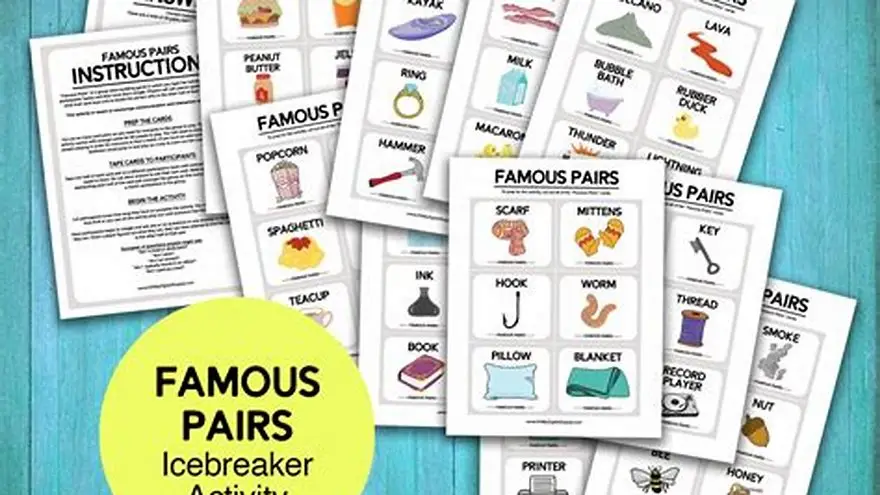
Some printed kits also include different levels of difficulty by varying pair count and image complexity. This approach helps customize the game for individual abilities. If that sounds like your situation, read up on famous matching game for seniors next.
How to simplify rules for memory loss
Simplifying rules starts with removing the pressure of winning or losing. Instead of strict turn-taking penalties, allow players to ask for help or hints when needed. This reduces frustration and encourages participation.
Use verbal cues or reminder cards to support players' memory during turns. For instance, briefly showing all cards face up at the start helps players form mental associations before the game begins.
Limit the game rounds to 20-30 minutes to prevent fatigue. Shorter sessions with breaks work better for attention spans affected by memory loss. We go through easy games for seniors with dementia step by step elsewhere on the site.
Accept any matched pairs without requiring perfect recall of where cards were seen. Keeping the atmosphere calm and positive matters more than strict competition.
- Reduces frustration
- Encourages socializing
- Supports varying memory levels
- Less competitive
- May slow game pace
How to arrange game play for small or large groups
Pairs games work best with 2 to 6 players in a group. For larger groups, split players into smaller sub-groups to avoid confusion and waiting times.
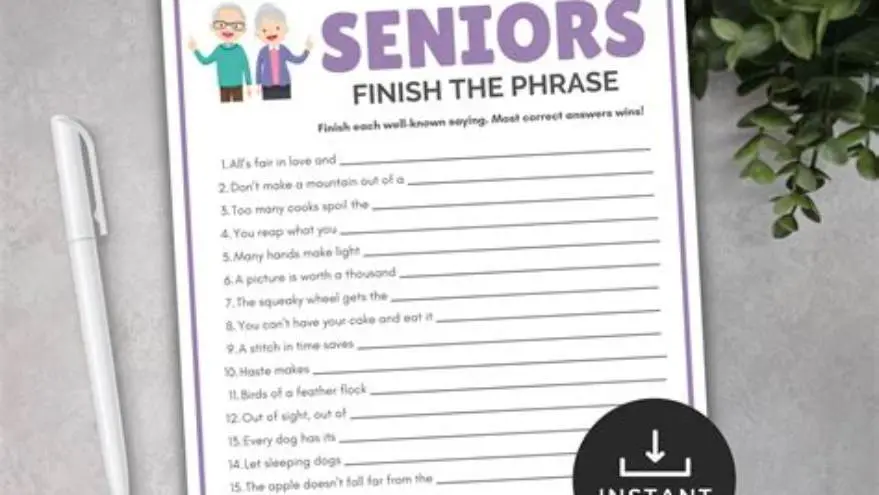
Arrange seats around a table with good lighting and minimal distractions. Each group uses their own set of cards to keep engagement clear and direct. We go through finish phrase printable for seniors step by step elsewhere on the site.
In small groups, encourage turn-taking and gentle reminders. In larger groups, assign a facilitator or caregiver to help keep the game flowing and support players who need extra help.
Allow players to play in pairs or individually depending on comfort. Pairing less confident players with someone familiar can boost confidence and enjoyment.
Ways to keep the game engaging without causing frustration
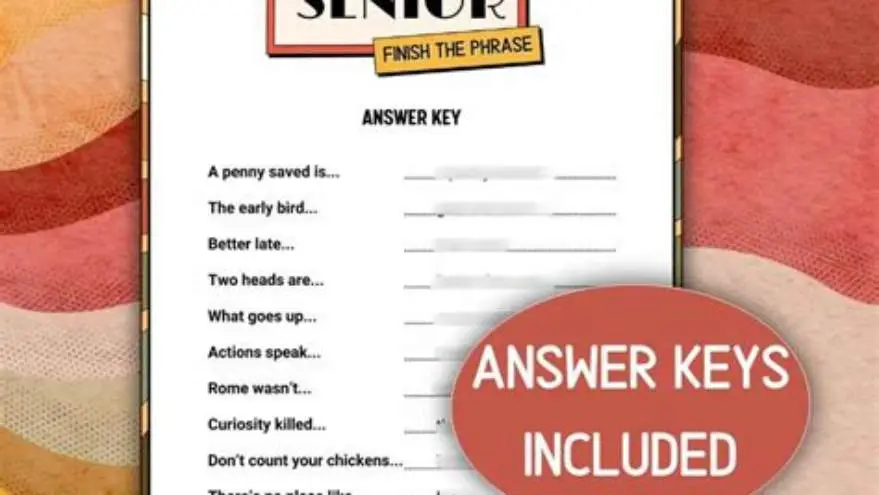
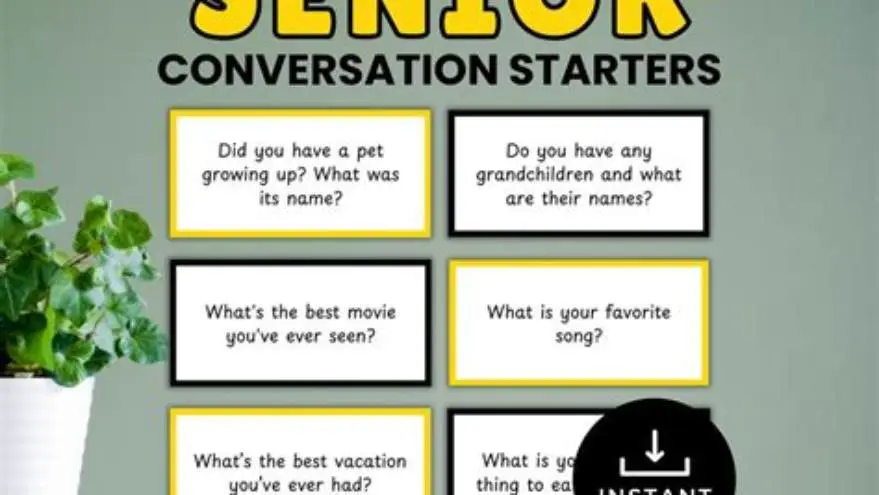
Keep the game's tone relaxed and social. Use conversation cards or prompts to encourage players to talk about images or memories related to cards. This enriches the experience beyond just matching pairs. Before you commit to anything, it is worth looking at phrase origins and answer keys.
Rotate the difficulty by changing the number of pairs or using different levels of images as players become more comfortable. Avoid pushing players beyond their limits.
Include breaks and praise every effort, not just successful matches. Celebrate social interaction and smiles instead of scores.
When frustration arises, pause and offer a different activity or switch to easier levels. Games should build confidence, not highlight difficulties. We cover dementia conversation starter ideas in its own article.
- Promotes positive mood
- Encourages conversation
- Adapts to players' pace
- Requires caregiver involvement
- Needs variety in activities
Pairs game for seniors: how to set up and play with large, clear cards
Start by selecting 8 to 12 pairs of large, simple cards with high-contrast images. Shuffle and lay them face down in a grid with enough space so cards don’t overlap.
The player to the left of the dealer goes first, flipping two cards over. If they match, the player keeps the pair and takes another turn. If not, the cards get flipped back face down in the same position.
Encourage players to say aloud what they see as they flip cards. This supports memory and encourages conversation.
Play continues clockwise until all pairs are matched or for a set time (usually 20-30 minutes). The player with the most pairs wins, but the goal is enjoyment and gentle mental stimulation.
Adjust rules by allowing hints or by helping identify cards if needed. The goal is calm, successful play without pressure.
- Choose large, high-contrast cards with simple images.
- Shuffle and lay cards face down in a grid.
- Players take turns flipping two cards.
- Match pairs to keep and take another turn.
- End game when all pairs are found or time runs out.
How the Gentle Minds Activity Kit supports pairs games and memory loss
The Gentle Minds Activity Kit offers printable, large-print activities specifically designed for adults living with memory loss. It includes sets of cards and conversation prompts that simplify memory games like pairs.
Its cards are large and clear, with familiar themes chosen to avoid confusion. The kit also provides different difficulty levels, letting caregivers adjust the challenge to the player's ability.
Caregivers get guidance on how to facilitate play, simplify rules, and foster calm, social interaction. This makes the kit a practical way to prepare and run pairs games without stress or wasted time.
However, the kit is not a medical treatment, and it is designed purely for enjoyment and engagement rather than therapy. It best fits family caregivers or care home activity coordinators needing ready-made, dementia-friendly materials.
- Ready-made, easy-to-print large cards
- Three difficulty levels included
- Caregiver guide supports facilitation
- Conversation cards promote engagement
- Not a therapy or medical tool
- Requires printing and setup effort
Still wondering?
Can pairs games be played by seniors with advanced memory loss?
Yes, but the game should be simplified by reducing pairs, using very clear images, allowing repeated hints, and focusing on social interaction rather than competition.
What if my senior loved one gets frustrated during the game?
Pause the game, offer encouragement, or switch to simpler activities. Short sessions with breaks help prevent frustration.
How many players are ideal for a pairs game with seniors?
Small groups of 2-6 players work best to ensure everyone stays engaged without long waits or distractions.
Are there free ways to create large-print pairs cards?
Yes, you can print large clip art images or photos on sturdy cardstock yourself, but ready-made kits save time and ensure dementia-friendly design.
Can conversation cards really improve the pairs game experience?
Conversation cards help by encouraging discussion about images and memories, making the game more meaningful and social.
Ready to try it? It provides ready-made, large-print cards and caregiver guidance tailored for memory loss, simplifying setup and play of pairs games for seniors.
Download the activity kit