Which activity books fit early, middle, or late dementia stages best
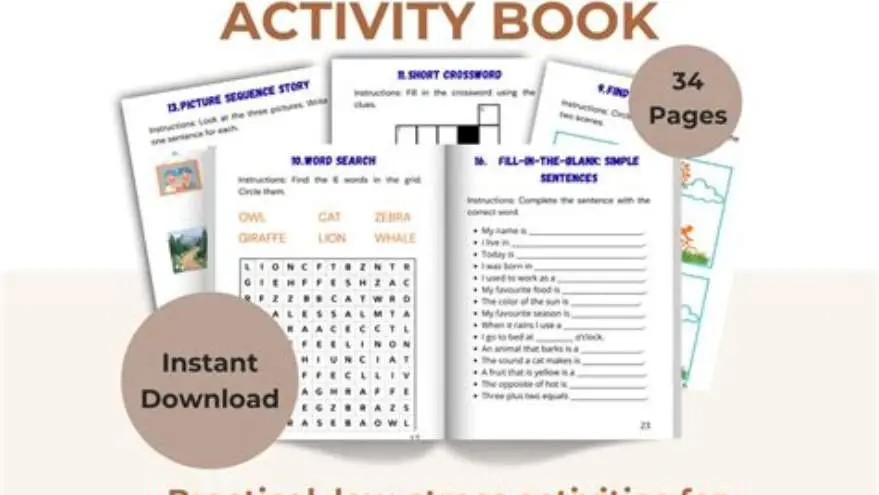
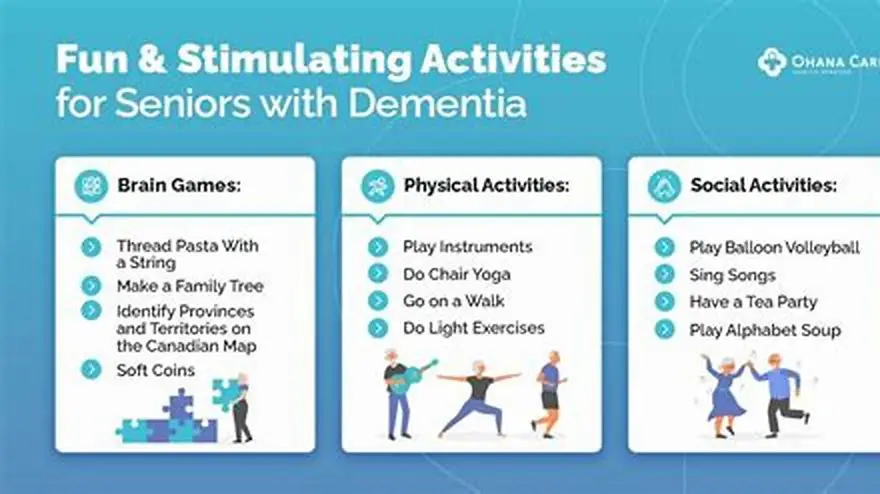
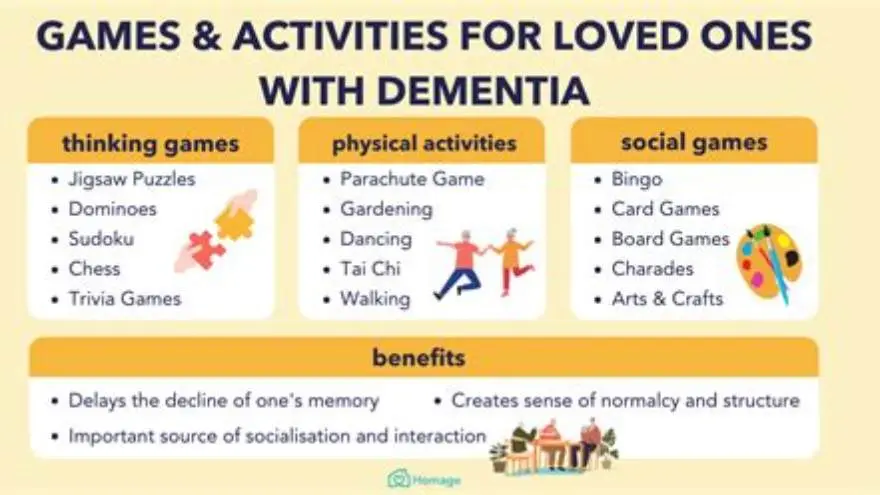
Early-stage dementia suits moderately challenging puzzles like crosswords and sudoku with larger print. Mid-stage needs simpler tasks such as pattern matching and picture searches with visual cues. Late-stage responds best to tactile and sensory materials like sorting cards or coloring single shapes.
On this page (8 sections)
Part of our guide on activities for all dementia stages
Key figures
- Early-stage complexity
- Moderate puzzles, 14pt+ print
- Mid-stage task length
- 10-15 minutes maximum
- Late-stage focus
- Sensory, not cognitive
- Print size threshold
- 18pt+ for mid and late stages
- Success rate target
- 80% completion or better
Quick recap
- Early-stage patients handle crosswords and logic puzzles if print is 14-point or larger and clues stay concrete
- Mid-stage dementia requires visual cues and repetitive patterns; word searches work better than crosswords
- Late-stage activities focus on texture and color, not memory or problem-solving
- A task that takes longer than 15 minutes often ends in frustration for mid- and late-stage patients
- One successful puzzle beats three abandoned ones for mood and willingness to try again
How dementia stages change what works
Dementia progresses through three broad stages, and each stage narrows the range of activities that bring success rather than frustration. Early-stage patients retain most language and reasoning skills but struggle with memory and multi-step instructions. They can handle moderately complex puzzles if the design is clear and the print is large enough to read without strain. Tasks that once took ten minutes may now take twenty, but completion is still within reach.
Mid-stage dementia reduces language comprehension, shortens attention span to around ten or fifteen minutes, and makes abstract thinking difficult. Patients at this stage respond better to visual cues than written instructions. A word search with a picture theme works; a cryptic crossword does not. They also lose the ability to recognize mistakes, so activities without wrong answers reduce anxiety and keep them engaged longer.
Late-stage dementia removes most cognitive function. Patients no longer read or follow instructions, and memory is largely gone. Activities shift from problem-solving to sensory engagement: touching textured cards, sorting large colored shapes, or coloring single simple images. The goal becomes comfort and connection, not mental exercise. Expecting too much at this stage leads to agitation, not accomplishment.
Families often buy books aimed at seniors generally, then find they are either too hard or too childish. The mismatch ends the session early and makes the patient reluctant to try again the next day. Choosing books by stage rather than age avoids that cycle. It helps to understand dementia activity book for adults before going further.
What early-stage dementia patients can still do
Early-stage patients handle crosswords, sudoku, and logic puzzles if the print is 14-point or larger and the content avoids obscure references. They still enjoy challenge, and success reinforces a sense of competence that memory loss threatens daily. The key limitation is that instructions with more than two or three steps become confusing, and anything requiring recent memory (such as "use the answer from clue 3 to solve clue 7") will frustrate them.
Look for books with one task per page, clear borders around each puzzle, and answers printed in the back rather than upside-down at the bottom of the page. High contrast between ink and paper helps. Avoid books with busy backgrounds, decorative fonts, or puzzles that wrap across two pages. A patient who loses their place mid-puzzle often gives up rather than starting over.
Trivia and general knowledge activities work if the questions draw on long-term memory rather than current events. "Name a U.S. president" succeeds where "Who won the 2022 election?" fails. Picture-based puzzles like spot-the-difference or matching pairs remain accessible longer than word puzzles, because visual recognition outlasts verbal recall in most patients. For the detail, see our notes on large print activities for dementia.
At this stage, one finished crossword delivers more benefit than three half-done ones. Choose books slightly easier than you think necessary. The patient will feel accomplished, not patronized, and that mood carries into the next activity session.
Matching mid-stage abilities to book design
Mid-stage dementia narrows attention to about 10 to 15 minutes. Choose tasks the patient can start and stop within that span. A word search with 12 to 20 words finishes before attention fades.
Print must be large and clear. Use at least 18-point type, and use 24-point for those with more vision loss. Pick sans-serif letters with open shapes; serif fonts can blur. The other half of this decision is dementia activities by stage.
Pick themes tied to long-term memory. Gardening, familiar songs, and household items from the 1940s to 1970s prompt recognition. Add picture cues beside lists for people who no longer read fluently.
Avoid activities that require noticing errors. Use coloring, matching, sorting, or single-answer puzzles. Train caregivers to stop rather than press on when frustration starts.
- Word count per puzzle: 12-20 words maximum, so the task finishes before attention fades
- Print size: 18-point minimum, 24-point preferred for patients with vision loss
- Visual cues: pictures or icons beside word lists to support recognition when reading fails
- Themes: long-term memory topics like gardening, cooking, old songs, and familiar objects from the 1940s to 1970s
What late-stage patients respond to
Late-stage dementia removes reading, writing, and most problem-solving ability. Activities shift from cognitive tasks to sensory engagement: touching fabrics, sorting large colored objects, or coloring simple shapes with thick crayons. The patient no longer completes puzzles in any traditional sense, but they often respond to repetitive, tactile tasks that require no memory or decision-making. There is more on matching activities to dementia stages in a separate guide.
Books for this stage feature one large image per page with wide open areas to color. Patterns and mazes do not work; the patient cannot follow a path or stay inside lines consistently. What does work: single flowers, geometric shapes, or familiar objects like a teacup or a bird, outlined in thick black lines. Some families laminate pages and use dry-erase markers so the same image can be colored repeatedly, which many late-stage patients find soothing rather than boring.
Conversation cards with photographs often succeed when printed activities do not. Show a picture of a garden, a beach, or a family meal, and the patient may comment or smile even if they cannot name what they see. The goal is connection, not recall. You are not testing memory; you are sitting together. That shift in purpose changes what counts as success.
Avoid books that look like children's coloring books. Late-stage patients retain awareness of tone and often react to being treated like children, even when they cannot articulate why they are upset. Choose books with adult themes: flowers, landscapes, classic cars, or abstract patterns, not cartoon animals or alphabet pages. The other half of this decision is supporting remaining abilities.
Which activity books fit early, middle, or late dementia stages best
Early-stage patients handle 14- to 16-point puzzles that last 15 to 30 minutes. Choose large-print crosswords, sudoku, and trivia labeled easy or moderate. Expect a 100-page book to last two to four weeks with daily use.
Mid-stage patients do best with themed word searches, picture matching, and simple patterns. Print or enlarge puzzles so each task takes 10 to 15 minutes. Commercial options are limited; many caregivers print and enlarge free puzzles.
Late-stage patients need single-image pages with thick outlines. Use full-page clip art of flowers, birds, or shapes. Laminate pages and use dry-erase crayons so the same image can be colored repeatedly.
| Stage | Print size | Task length | Best activity types |
|---|---|---|---|
| Early | 14-16pt | 15-30 min | Crosswords, sudoku, trivia |
| Mid | 18-24pt | 10-15 min | Word search, matching, sorting |
| Late | Images only | 5-10 min | Coloring, tactile cards, photos |
How to test whether a book fits
Print or photocopy one page before you buy many copies. Sit with the patient and watch three things: do they start without prompting, work for at least five minutes, and finish or stop partway?
A book that fails two of those checks is wrong for this patient now. Note how they respond to mistakes. If correction causes shutdown, the activity is too hard.
Record what you tried in a notebook: puzzle type, print size, theme, and whether they finished. Review the notes after two weeks and pick what repeats.
Also check how you feel. If you spend the session anxious, the patient senses it and enjoys the activity less. Choose books that let both of you relax.
Still wondering?
Can I use regular senior puzzle books for someone with dementia?
Only in early-stage dementia, and only if the print is large and the puzzles are straightforward. Most senior books assume intact memory and reasoning, which mid- and late-stage patients no longer have. You will see frustration or refusal within the first few pages if the book is too hard.
How do I know when to move from one stage of activities to the next?
Watch completion rate and mood. If the patient stops finishing puzzles they used to complete, or if sessions end in frustration more than half the time, drop down one level. The transition is gradual, and some patients stay in one stage for months while others shift in weeks.
Are activity books therapeutic, or just for entertainment?
They are for engagement and mood, not treatment. Activities cannot reverse dementia, but they can reduce boredom, agitation, and the sense of uselessness many patients feel. The benefit is emotional and social, not medical.
What if the patient refuses to try any activities?
Refusal often means the last activity was too hard or felt like a test. Try something simpler and frame it as spending time together rather than completing a task. Sitting side-by-side while you work on a puzzle and they watch can be enough. Forcing participation backfires.
Can I reuse activity pages, or do they need new ones every time?
Mid- and late-stage patients often do not remember completing a page the day before, so you can reuse pages after a few days. Laminating and using dry-erase markers works especially well for late-stage coloring activities.
Ready to try it? Provides three difficulty levels in one kit so you can match activities to the patient's current abilities without buying separate books as dementia progresses
See the activity levels