Activities for Grandparents and Grandchildren That Fill a Visit
Activities for grandparents with grandchildren work best when one planned hour anchors the visit. Pick a table activity, a kitchen job and something outside, then let the child choose the order. Keep each one short, and finish while everyone still wants more.
On this page (8 sections)
Part of our guide on activities for seniors large print printable
Key figures
- Visit shape
- One planned activity
- Puzzle print
- 16 to 18 pt to start
- Word list
- Ten to fifteen words
- Cooking job
- One step per child
- Outdoor time
- 20 to 30 minutes
- Best finish
- While everyone wants more
Quick recap
- Plan one anchor activity; the rest of the day can stay loose.
- Match the activity to the youngest child in the room.
- Print puzzles and word lists large enough to read across the table.
- Hand the child real work, not a pretend task.
- Stop while everyone still wants more.
Plan the day around one good stretch

One planned stretch gives the day its shape, and the rest stays loose. Young visitors arrive with energy to spend, and grandparents run out of it sooner than they expect. That stretch gives everyone something to look forward to, with room for a rest, a snack and a chat. Plan that hour first, and let the rest of the visit fill itself in.
Start by asking the child what they want to do, then shape the answer into something the table can hold. The child who picks the activity owns it, and a grandparent who shapes it keeps it doable. Say the finish time out loud. A stated end is kinder than a visit that drifts until someone is tired. Hold the plan to three parts: one table activity, one kitchen job and one turn outside.
Watch the clock more than the plan. Twenty minutes into a puzzle is a good moment to offer a drink, and forty minutes is a good moment to change the activity. Young children rarely say they are tired; they get silly or quarrelsome instead. Short breaks reset the mood faster than a new game. End the planned stretch while everyone still wants more, and the next visit starts with a child asking when it happens again.
Activities for grandparents with grandchildren at home
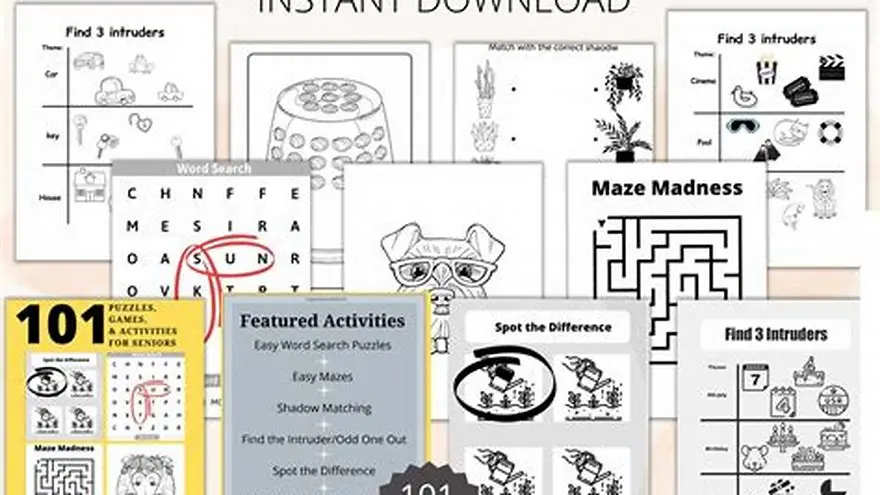
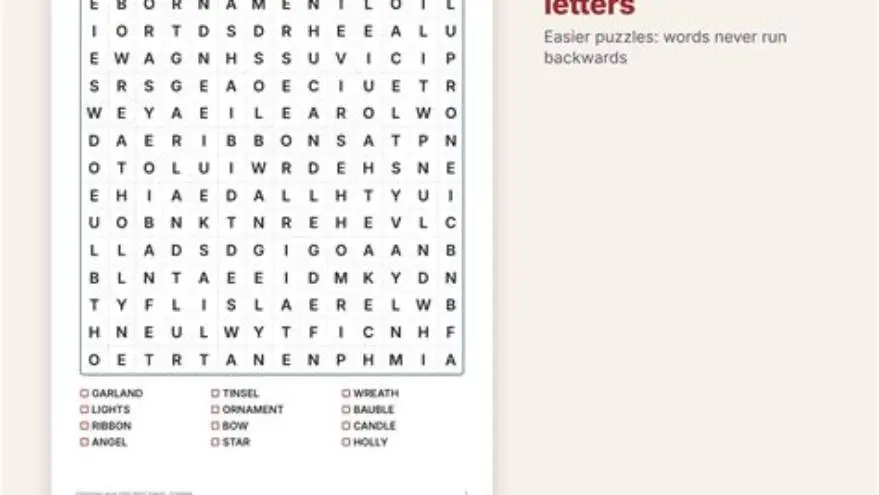
Puzzles sit at the top of the list because both generations can work on the same one at the same time. Large-piece jigsaws spread across the table, and a grandchild finds the edges while a grandparent sorts the colours. Large print matters here: start word searches at 16 to 18 pt, then go bigger if anyone squints. Keep the word list to ten or fifteen words, so the search stays a pleasure and not a chore. Dark print on pale paper reads best across the table. Our free Large Print Word Search Maker turns a list of family names into a printable puzzle with an answer page. Hand-drawn grids take longer. Word searches are all it makes, so crosswords and mazes still come from a printed book. We cover grandchildren word search puzzle in its own article.
Cards come next, because a deck costs little and travels anywhere. Teach one game properly, and it becomes yours together. Start with a short game, and play it the same way every visit until the child wins without help. Large-print playing cards help when the print on a normal deck is too small, and a card holder keeps a small hand in the game. Score on paper, in big numbers, so the running total is part of the fun.
Board games work when the rules fit the youngest player at the table. Pick a game with one clear goal, and read the rules aloud together before the first turn. Short games beat long ones, because a child who loses after an hour remembers the loss and not the game. Put the game away while it is still fun, and it will be asked for again. Three good games beat a cupboard full of ones nobody finishes.
- Word search: print the family's names in large type and let the child find them first.
- Jigsaw: sort the edges first, then work in small patches.
- Dominoes: match the numbers aloud so a young child can play without reading.
- Memory cards: turn over two cards at a time and keep the pairs you find.
- Before the visit: set out the puzzle, a pencil, a deck of cards and a printed word list.
Cook together, with the child doing the measuring
Cooking hands a grandchild real work to do, and real work is what makes a visit feel grown-up. Pick one recipe the child already likes, and keep the ingredient list short. A batch of biscuits or a pot of soup needs little more than a bowl, a spoon and a clear table. Let the child measure, stir and taste, and keep the heat and sharp knives for yourself. The mess washes off; the memory of cooking together does not. For the detail, see our notes on gentle activities for hospice seniors.
Hand each child one step to own from start to finish. One child cracks the eggs, another stirs the batter, and both watch the oven timer together. A recipe printed large, with one step per line, lets a child follow along without asking for every step to be repeated. Write the steps in big print on a card, and prop it where the child can see it. Mistakes belong in the plan: a spilled cup of flour is a story, not a failure. Keep small pieces and beads away from children under three.
Hold the cooking to half an hour of work and the rest for eating. Young cooks lose interest long before a slow roast finishes, so choose food that is ready soon after it starts. Biscuits, pancakes and fruit salad all finish inside a young cook's attention span. Serve what you made at the same table, and let the child hand out the plates. Serving your own food changes how it tastes.
- Select one recipe and read it aloud together.
- Set out every ingredient before you start.
- Own one job each, from start to finish.
- Print the steps large, one per line.
- Taste as you go, and adjust together.
- Eat what you made, and wash up together.
Stories, photographs and the family tree
Stories are the cheapest activity in the house, and they cost nothing but attention. Tell a grandchild about the street you grew up on, the job you did first, or the pet that got away. Small listeners remember details adults forget to mention: the colour of a front door, the smell of a bakery, the name of a dog. Ask what the child wants to know, and answer that. People in this spot often ask about card games for seniors and grandchildren as well.
Photographs turn a story into something a child can hold. Bring out one album, not the whole shelf, and let the child pick the pictures to ask about. Point to the people, and say one thing about each one. A family tree drawn on a large sheet of paper gives those names a shape a child can follow. Print the names large, and let the child draw the lines between them.
Record the stories a child asks to hear twice, because those are the ones that will be asked for again. Phones record well enough, and a short recording beats a long one nobody replays. Hold each recording to a few minutes, and name the file after the story in it. Years from now, that voice will matter.
Outside without wearing anyone out
Outside time works best in short bursts with a job attached. Walks with nothing to do end at the first bench, while a walk with a list keeps going. Hand the child a paper list of five things to find, and let them tick each one off. Leaves, stones, a feather and a red door all count. Twenty to thirty minutes is enough for most visits, and a tired grandparent is no good to anyone. There is more on seniors gardening activities in spring in a separate guide.
Gardening suits grandparents and grandchildren because the work is slow and the results are visible. Plant seeds in pots, water them together, and let the child own one pot to look after. Herbs grow fast enough to hold a child's attention, and a pot of basil gets checked every visit. Raised beds at table height let a seated grandparent garden beside a standing child.
Ball games need a small space and a soft ball, not a field. Balloons stay in the air long enough for a grandparent to join in, and they cannot break a window. Count the taps together, and stop before the count gets competitive. Short garden games beat long ones that end in breathlessness.
When the ages in the room don't match
Mixed ages are the usual case, not the exception, and the visit works when the youngest child sets the pace. Toddlers need movement and noise, schoolchildren need a job, and teenagers need to be asked, not told. Plan one activity each age can join at their own level, and let the older child help the younger one. Teenagers who teach a younger sibling stay busy and proud. The other half of this decision is calm evening activities for seniors.
Split the group when one activity cannot stretch across the ages. Two tables work better than one crowded one: a puzzle table for the younger children and a cooking job for the older ones. Rotate after half an hour, so nobody stays at a table they did not choose. Moving between the tables keeps a grandparent part of both groups, and the visit feels shared rather than divided.
Teenagers need a reason to stay, and a job is a better reason than a game. Ask a teenager to photograph the visit, teach a grandparent a phone trick, or cook one dish on their own. Let them choose the music for the cooking, and let them pick the film for the evening. Those asked for help come back; the ones only entertained do not.
| Age | Best first activity | Session length |
|---|---|---|
| Under 5 | Balloon games and simple crafts | 15 to 20 minutes |
| 5 to 8 | Jigsaws, card games and baking | 30 minutes |
| 9 to 12 | Cooking, word puzzles and garden jobs | 45 minutes |
| Teenagers | Cooking a dish, photos and teaching | One hour |
Still wondering?
What is the best first activity for a grandparent visit?
Choose a table puzzle the child can finish. Large-piece jigsaws or short word searches both work, because the child sees progress in the first minutes. Sit close for the first few moves, then step back and watch them take over.
How long should a grandparent visit last?
Plan for one good stretch of activity inside a visit of two or three hours. Young children tire faster than adults expect, and a visit that ends while everyone is still happy beats one that drags on. Silly behaviour or quarrels mean it is time for a break.
What if the grandchild is bored by puzzles and games?
Switch to the kitchen or the garden. Cooking gives a bored child real work to do, and a garden walk with a list to tick off turns boredom into a hunt. Ask the child what they would rather do, and shape the answer into something the table or the garden can hold.
How do I plan a visit with grandchildren of very different ages?
Match the pace to the youngest child, and hand the oldest one something to run. Teenagers who help a younger sibling with a puzzle stay busy and proud, while the younger child gains a teacher. Split into two tables when one activity cannot stretch.
What works for a short visit, or a visit by video call?
Use one short game. Work on a word search together over a video call, or tell a story by phone, and half an hour fills well. Send the puzzle by post first, so the child has the same page in front of them.
Ready to try it? It turns the grandchildren's own names into a large-print word search, ready to print before the visit.
Make a free word search