Activities for Seniors in Hospice Care: Gentle Ways to Fill the Day
Activities for seniors in hospice care work best when they are short, quiet and chosen by the person. Music, memories, simple puzzles and time together suit a good day. Offer one thing at a time, watch energy hour by hour, and end before tiredness sets in.
On this page (8 sections)
Part of our guide on activities for grandparents with grandchildren
Key figures
- Session length
- Brief, often minutes
- Offer
- One choice at a time
- Best time
- When most alert
- Puzzles
- Large print, no timers
- Company
- Quiet counts too
Quick recap
- Ask the person what they want today, not what they used to enjoy.
- One choice at a time, adapted to the hour.
- Keep activities short, and watch the person, not the clock.
- Music and memories need no energy at all.
- Sitting quietly together counts as an activity.
What hospice care changes about activities
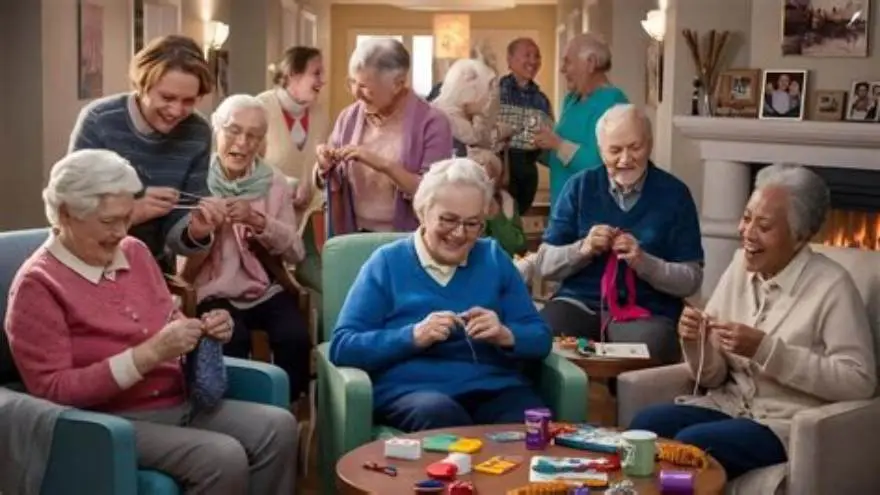
Hospice care puts comfort first, and activities follow the same rule. Filling the day is not the point; the hours left should feel like the person's own. Good activities bring calm, connection or a small pleasure, and then they stop.
Energy changes hour by hour in hospice care. Someone who sang along at breakfast may only want quiet by lunch. Plans made in the morning may not fit the afternoon, and that is normal. The activity bends to the day, never the other way round.
Choice matters more than the activity itself. Picking the song, the photo or the puzzle lets the person own the moment. Handed a schedule, a person feels managed. Ask, offer, and let the answer stand, even when the answer is no.
Someone in the bed is an adult with a life behind them, not a patient to keep busy. Activities that respect that, short, quiet and chosen, are the ones that work. Dignity sits above all of it. Next, read the day before choosing one. That way the activity fits the person in front of you, not the clock on the wall. It helps to understand seniors playing card games with grandchildren before going further.
Activities for seniors in hospice care: start with the person's day
Begin with the basics, not the activity. Check pain, breath, temperature, nausea and whether the person wants company at all. Pain blocks any pleasure from a puzzle, and someone who wants quiet should get quiet. Comfort comes first, every time.
Ask one short question: 'What would you like today?' Then wait for the answer. Gardeners may still love flowers but no longer want to sit outside for an hour. Musicians may prefer one song to an afternoon of singing. That answer tells you the activity.
Offer one clear choice. Offer, adapt, release: that is the whole method. If the person says no, the answer is no, and the offer can wait for a better hour. Pushing turns a pleasure into a chore. Before you commit to anything, it is worth looking at spring gardening for seniors.
Watch energy hour by hour. Good hours can hold a puzzle and a chat; tired hours hold a song and a hand to hold. Keep a simple note of the times the person is most alert, and plan gentle activities for those windows. Share the note with the hospice team, so everyone plans around the same good hours. The table below is a starting point, not a schedule.
- Check comfort first: pain, breath, temperature, nausea.
- Find out what the person wants today, in one short question.
- Give one clear choice, not a list.
- Set it up, then step back and let them lead.
- End at the first sign of tiredness, and leave the door open for later.
| Energy | What fits | How long |
|---|---|---|
| Good hour | Music, stories, a puzzle | Often under a quarter hour |
| Tired hour | Listening, holding a photo, quiet company | A few minutes |
| Resting | Just sit nearby, no activity | As long as they like |
Quiet puzzles and games for bedside hours
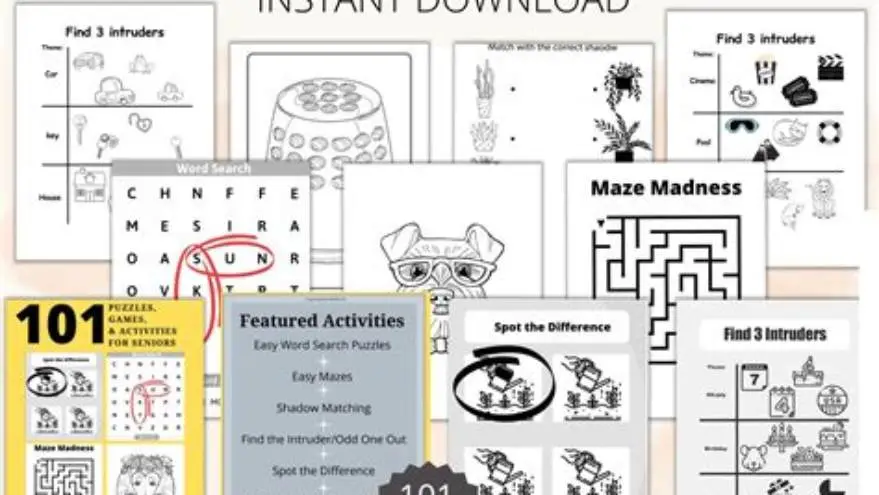
Bedside puzzles should ask nothing of the body. Large print, no timer, no score, and words the person already knows. Brief is best, and a half-finished puzzle is fine. Doing matters here, not finishing.
Word searches suit bedside hours well. Our free Large Print Word Search Maker, which we make here, builds a large-print puzzle from words you type in yourself. Fill it with the names of grandchildren, favourite foods or streets from home. Start at 18 point or larger, in black ink on plain white paper, and check the print at arm's length before you hand it over. Print it large, and circle words together with a thick pen. People in this spot often ask about calm evening activities for seniors in assisted living as well.
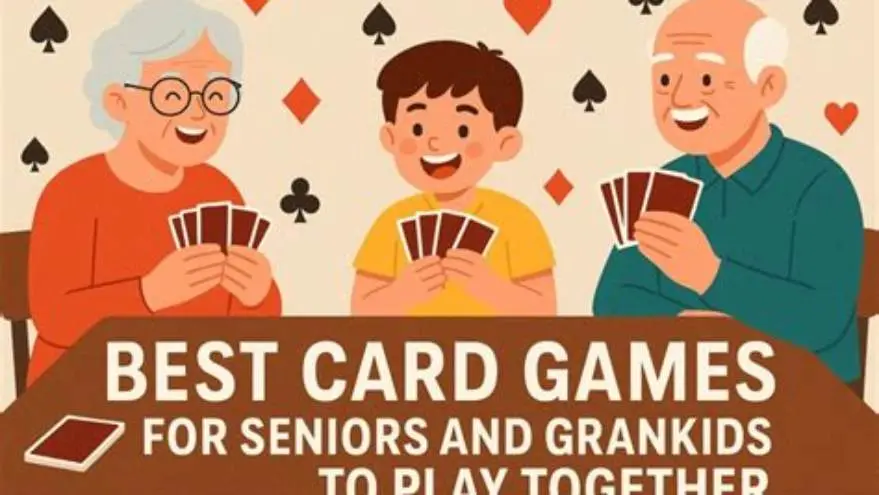
Simple, social games work best. Sorting playing cards by suit, matching pairs face-up, or a short round of a familiar card game all work without a table. Read the clues of a crossword aloud and let the person answer from the bed. Company is the game; the cards are just the excuse.
Yawns, turned heads and hands set down all say the game is done. Put the puzzle aside without fuss, and leave it where the person can see it. Left in sight, a puzzle is an invitation for a better hour, not a demand.
Music, memories and stories that need no energy
Music asks nothing of the body, which is why it works on tired days. Play the songs the person loved, one at a time, at a volume low enough for talk. Humming or singing along is welcome, and so is just listening. Favourite songs can bring a whole room back. Ask what music and faith mean to the person before choosing. A hymn or a song from their own tradition may matter more than any playlist. Respect beliefs that differ from your own. For the detail, see our notes on helping seniors play puzzles on tablets.
Stories work the same way. Ask one gentle question, such as where the song takes them. If the person wants to answer, write down a sentence or record a short voice note. If they do not, the song was enough. Never turn a memory into a quiz.
Photo albums are prompts, not tests. Hold up one photo and wait. Let the person name the faces, or just look. Wedding photos, kitchen scenes or seaside holidays can fill a quiet hour on their own. Label the backs of photos together, while the names are still there to give.
Legacy letters give a quiet hour a purpose. Help the person write a short note to a grandchild, or record a message in their own words. Keep it short: a sentence or two is enough. The letter matters because it is theirs, not because it is long.
Hands, nature and the senses
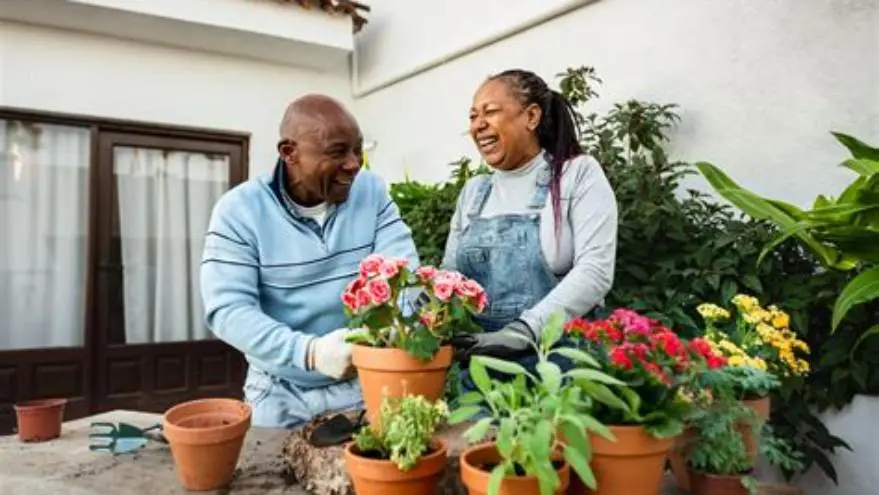
Hands need something to do, even on a tired day. Sorting colourful buttons, folding a soft cloth, or arranging flowers in a vase all give the hands a calm job. Choose tasks that can be paused at any moment without frustration. Keep small pieces big enough to hold safely, and skip food activities if swallowing is a worry. Wash hands before shared items pass between people.
Bird feeders outside the window give the eyes somewhere kind to rest. Small plants on the bedside table, flowers to smell, or stones warmed in the hand all bring the outside in. Fresh air from an open window counts too, and so does a few minutes of sun on the face.
Familiar smells carry memories further than words. Think of a favourite soap, a kitchen spice, or a hand cream used for years. Offer one smell at a time, and watch the face before offering another. Scent is strong; a little goes a long way.
Touch needs permission first. Held hands, rubbed shoulders, or cool cloths on the forehead can comfort, but only when the person wants it. Ask, then wait for the yes. Hands that pull away have answered, and the answer stands. Warm hands, a soft voice and a slow pace comfort more than any single gesture.
When to stop, and what to do instead
Tiredness shows itself plainly. Eyelids droop, answers shorten, hands still. Those are signs to stop, not to push through. Close the book, put the cards away, and sit quietly instead. Rest is the activity now.
Pain, breathlessness or nausea end the activity at once. Tell the hospice team what you see, in plain words, and let them adjust the care. Report pain, new breathlessness or sudden confusion first, before anything else. Families are not expected to manage symptoms alone; the team is there for exactly that. Health questions belong with them. Write down what you see, in plain words, before you call, so nothing gets lost in the telling.
Sitting quietly counts. Held hands, a song playing low, or just being in the room is enough on a hard day. The person knows you are there, and that is the whole point. Guilt has no place in a quiet room, and neither does the feeling that you should be doing more.
Families need rest too. Hospice volunteers can sit with the person while a family member walks, eats or sleeps. Ask the team what help is available, and take it. Caring for the carer is part of caring for the person.
Still wondering?
What activities are suitable for someone who spends most of the day in bed?
Conversation, familiar objects, storytelling, simple games and listening all work from a bed. Keep each one short, and let the person choose. Music and photo albums need no movement at all.
How long should a hospice activity last?
Short sessions during alert windows suit good hours, and a few minutes is enough on a tired one. Tailor the length to the person's stamina and the hospice team's guidance. Watch the person, not the clock. End before tiredness sets in, and leave the activity in sight for later.
What if the person says no to every activity?
No is a complete answer. Sit with them quietly instead, and try again in a better hour. Someone who refuses everything may be in pain or very tired, so tell the hospice team what you see.
Can children visit and join in?
Yes, when the person wants it. Short visits work best: a song together, a drawing to look at, or a story read aloud. Visits stay calm, and the person ends them when ready.