Evening Activities for Seniors in Assisted Living That Work
When residents are tired, a calm night wins. Best evening activities for seniors in assisted living are a familiar film, quiet cards, music, or a simple craft. Seats stay open for anyone who wants to sit out.
On this page (8 sections)
- Quick recap
- What evening activities for seniors in assisted living work best after dinner?
- How do you pace an evening so tired residents stay?
- What can you run with one helper and a small room?
- How do you plan a calm week of evenings without repeating yourself?
- What do you offer residents who do not want group time?
- How do you test a new evening idea in one week?
- Still wondering?
Part of our guide on grandchildren activities for grandparents
Key figures
- Group session length
- About half an hour
- Best start time
- After dinner each night
- Quiet corner seats
- Two or three chairs
- Main activity count
- One per night
- New ideas weekly
- One new idea
- Helper per group
- One helper
Quick recap
- Keep group sessions short and end while energy lasts.
- Start soft, run one main activity, then close with a calm wind-down.
- Always leave a calm seat open for residents who want to sit out.
- Test one new idea a week and keep only what residents ask for again.
What evening activities for seniors in assisted living work best after dinner?

The best evening activities for seniors in assisted living suit tired residents after dinner. Familiar films, quiet card games, sing-alongs, and simple crafts fit that mood. Loud games and long talks tire people fast. Pick one main activity and let the rest of the evening stay light, so the night stays kind for residents who are already tired. Slow is kind.
Film nights work well when the sound stays gentle and the room stays dim. Choose a film most residents already know, and pick one that ends before energy fades. Familiar stories let people drift in and out without losing the thread. Pause halfway for tea and a quiet chat, so the break gives stiff legs a rest and gives quiet residents a chance to speak. Tea first, talk later.
Music and stories suit the same slow pace. Small groups can sing old songs from a printed sheet, or one resident can tell a short tale from home. Keep the pace slow and leave gaps for people to join in or just listen, so no one feels rushed. Gaps let shy voices in. A calm room lets shy residents stay, and it lets tired residents rest while they still feel part of the night.
How do you pace an evening so tired residents stay?
Start with the wind-down, not the main event, and allow several minutes for residents to settle, find a seat, and sip a drink. Test a 5 to 15 minute window and adjust for your group. Calm starts at dinner. Talk stays soft, lights stay low, and no one has to join in yet. Such a slow start tells tired bodies the night will stay gentle. People who feel rushed at the door often leave early, and they may not come back the next night. People in this spot often ask about gentle spring gardening for seniors as well.
Aim for a single activity block that is short, often half an hour works, but watch energy and shorten or lengthen as needed. End while energy is still there, not after it has gone. Short sessions leave people glad they came. Long ones leave them glad it ended. Watch faces, not the clock. Yawns and closed eyes mean the pace has run its course.
Close with a calm wind-down, soft music, a short poem, or a few quiet minutes with tea to end the night well. Lower the lights early and keep voices soft as people head to their rooms. Hand out a warm drink for the walk back, so the night does not end with a hard stop. This gentle close helps sleep come, and it gives staff a calm room to tidy.
What can you run with one helper and a small room?
One helper can run a good evening with a small table and a clear plan. Lay out large-print puzzles, cards, or a craft before anyone sits down, since people join faster when the task is already in front of them. Chairs stay close. Hold the group small, so one voice can reach the whole table. Near walls help here, since no one has to shout or strain to hear. We cover low prep activities for assisted living residents in its own article.
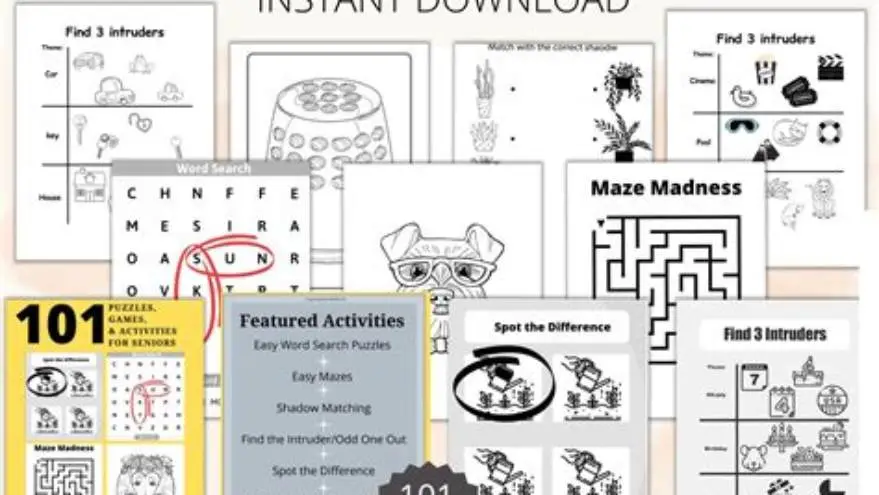
Use tasks that need little setup and no fuss, like word searches and short quizzes that work with one helper and a tray of pens. Print the sheets in large print, so no one squints or waits for help. Put the answers on a back page for the helper, not on the front. Help stays light when the helper can guide without taking over the fun.
Print evening handouts in 18 point type first, then test the sheet in the room before the group sits down. Dark type on plain paper reads best under a lamp. If the print still looks small, try a larger size next time.
Rotate who helps and who hosts, so one person never carries every night, and let residents deal cards, read a clue, or hand out sheets. Cards shuffle softly. That small job gives pride without strain. Leave a spare box of pens, sheets, and cards by the door, so a missing item never stalls the start. When the kit is ready, one helper can set up in minutes and greet people at the door. It helps to understand gentle activities for seniors in hospice before going further.
- Word search: print large-print sheets and pens before the group sits down.
- Card game: one deck, one table, and a helper who deals.
- Sing-along: printed song sheets and one voice to lead.
How do you plan a calm week of evenings without repeating yourself?
Plan the week on one page, with one main activity per night and a quiet slot after it. Monday can hold a film, Tuesday a card game, Wednesday music, Thursday a craft, and Friday a story night. That shape gives each night its own feel, and no night asks for new gear. Hold the same start time each night, so residents learn the rhythm and come without a prompt. Less noise, more rest.
We make the Gentle Minds Activity Kit for nights like this. It gives a helper ready sheets and cards to print when time is short. It fits a calm week because the tasks suit mixed skill levels and need little setup. One honest limit is that it will not suit a resident who wants a fast, hard puzzle. For a no-cost stand-in, print a free word search on a night when the kit stays on the shelf.
Save one spare night each week for a repeat of the best-liked activity. Residents ask for a loved film or song again, and a repeat night honors that wish without new prep. Note which nights draw a crowd and which ones stay quiet, and use that note to shape next week's plan more than any guess. Smiles say enough. Calm weeks grow from what residents already liked, not from new ideas each night. Before you commit to anything, it is worth looking at fun card games for seniors and grandchildren.
| Day | Main activity | Start |
|---|---|---|
| Monday | Film night | After dinner |
| Tuesday | Card game | After dinner |
| Wednesday | Music and songs | After dinner |
| Thursday | Simple craft | After dinner |
| Friday | Story night | After dinner |
What do you offer residents who do not want group time?
Some residents want a quiet night on their own, and that wish deserves respect. Offer a book, a puzzle, or a cup of tea in a calm corner. Sit with them for a few minutes if they want company, then leave them in peace. No one should have to join a group to feel part of the home. Quiet corners keep the choice real, and they keep the evening kind for all. Gentle beats busy.
Set up two or three chairs away from the main group, with a lamp and a small table. Put a few large-print puzzles and a pen on the table, so a resident can start alone. Check in once, softly, and then step back, since some people warm up after ten minutes alone and join the group on their own. Listen more, plan less. Others stay put, and that is fine too.
Ask each resident what a good evening looks like for them, and write the answer down. Each person may want music, one may want a book, and one may want an early night. Those answers shape a plan that fits real people, not a set list. Revisit the list each month, since tastes shift with the seasons and with health. Homes that listen earn trust, and trust brings people back to the table. It helps to understand assisting seniors with tablet puzzles before going further.
Write what each resident likes and dislikes in their care plan or handover notes, so the next host knows without asking again. A short note at handover saves a repeat question at the door. Update the note when a taste changes, so the plan stays true.
How do you test a new evening idea in one week?
Test one new idea at a time, so you know what worked. Find a night with a steady crowd and a helper who knows the group. Tell residents the plan in plain words at dinner, so no one feels caught off guard. Run the rest of the week as usual, so the test stands out. Single changes give a clear read, and they keep the week calm for all. Evenings end gently.
Look at the room during the test, not just the clock, and count who stays to the end and who leaves early. Laughter needs no schedule. Ask two or three residents what they liked, in plain words, the next morning. Their answers tell you more than a full room does, so write them down right away. Half-full rooms that stay to the end beat full rooms that drift away.
Decide by Friday what to keep, change, or drop. Repeat a winner next week, fix a weak spot with a smaller group, or drop an idea that left the room flat. Write the choice on the plan, so the next helper can see it. Brief notes beat long talks at handover. Small tests, kept or dropped fast, build a week residents look forward to.
Count who comes and who stays to the end, and hear from residents and families what they enjoyed. Those answers show what to keep and what to drop.
- Try one new idea on one night.
- Tell residents the plan at dinner in plain words.
- Note who stays and end while energy lasts.
- Hear from two or three residents what they liked next morning.
- Save the winner, fix the weak spot, or drop the idea.
Still wondering?
What time should evening activities start?
Start shortly after residents finish dinner, when plates are cleared and the room has settled. In some homes that will be about 7 pm, in others earlier or later, so test and record what works. Watch who comes for a week, then move it earlier if residents tire fast or later if dinner runs long.
What if no one wants to join in?
Do not push a resident who says no. Hand them a calm seat and a warm drink, and check in once, softly. Many people join later once they see others at ease, and some never join, which is fine.
How long should a film night run?
Choose a short film most residents already know. Pause halfway for tea, so stiff legs get a rest. End the night while people still feel glad they came.
Can one helper run an evening alone?
Yes, with a small group and a clear plan set out before the night starts. Lay out sheets, cards, and pens in advance, and keep the group to one table. Invite a resident to deal cards or hand out sheets, so the helper is not doing it all.