Crafts for Seniors with Dementia: 10 Calm Ideas That Work
It depends on the stage. For most seniors living with dementia, the best crafts are short, familiar, and finished in one sitting. Painting, collage, sorting, yarn work, and card making work, done in 20 to 30 minutes with one step shown at a time.
On this page (8 sections)
Part of our guide on activity book for adults with dementia
Key figures
- Best session length
- 20 to 30 minutes
- Steps per craft
- 3 to 5 at most
- Print size to aim for
- 18 pt or larger
- Crafts in the table
- Ten to choose from
- Best time of day
- Late morning
- Kit levels
- Gentle, Easy, Steady
Quick recap
- Match the craft to the stage, not the age: fewer steps and bigger pieces as memory loss deepens.
- End while the session is still going well.
- Do one step at a time and show it, instead of handing over written instructions.
- Small parts, sharp tools, and hot glue stay out of reach unless you hold them yourself.
- Pin the finished piece on the wall instead of hiding it in a drawer.
Which crafts for seniors with dementia actually work?
Most craft lists for dementia run to 30 ideas and stop there. Each one names the craft and moves on. None says how long it takes, what goes wrong, or which stage it suits. That leaves a carer with a bag of supplies and no plan. This page closes those gaps, one craft at a time. Lists are not plans. Begin with the person, not the list.
Alzheimer's is the most common cause of dementia, and the number of people living with it keeps rising. Worldwide, more than 55 million people live with dementia. Most of them live at home with family. Good crafts fill an afternoon with something pleasant to do together. Finishing a piece gives a small sense of pride. No craft treats or slows dementia, and none should promise that.
Crafts work when they ask for one thing at a time. Hands stay busy and the mind stays with the step in front of them. Big pieces, strong colour, and a clear end point matter more than cleverness. Better a short session than a long one that ends in tears. Matching the craft to the person is the whole trick. Stage matching comes next, so you can start with the right craft.
How do you match a craft to the stage?
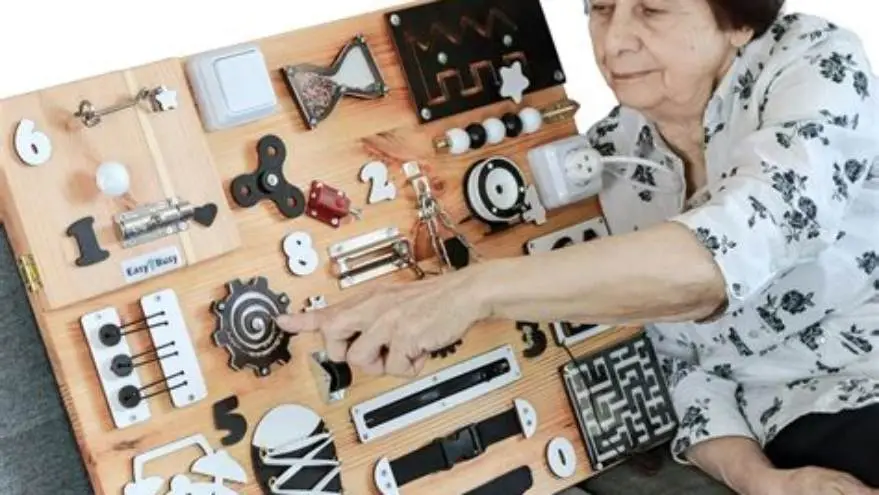
Early on, most people can still follow a familiar hobby. Routines still hold, even when names and dates slip. Knitting, painting, and card making all work, with four or five steps and ordinary tools. Short instructions and a clear goal work best. Last week's half-finished piece can pick up where it left off. Familiar songs on the radio set the mood while hands work. Familiar beats new at this stage, every time. We cover activity board for seniors with dementia in its own article.
In the middle stage, steps get lost halfway through, so cut them down to three and make the pieces bigger. Sorting, collage, and pom-poms suit this stage well. They may lose track of the goal, so sit beside them and do the same craft yourself. Your hands show the next step better than words can. Praise the doing, not the result.
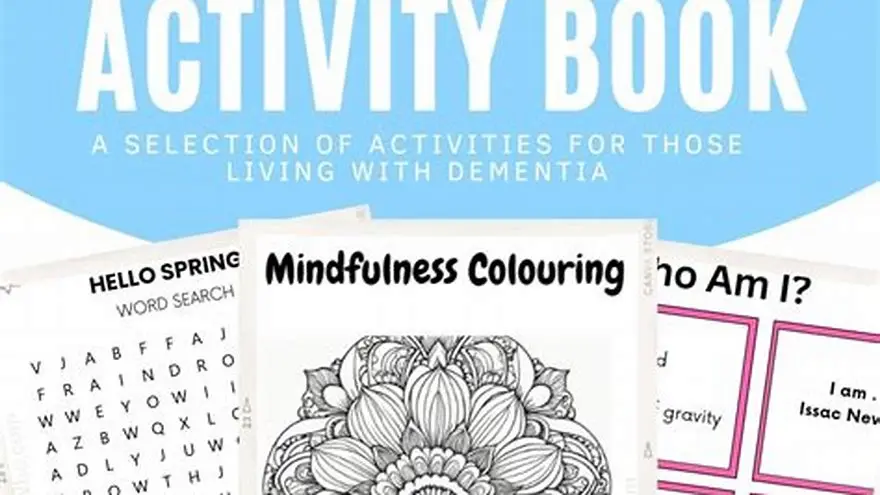
Later means the person responds most to touch, sound, and rhythm, not to words or plans. Kneading dough, folding towels, and sorting soft fabric by colour all work. Nothing here needs a right answer. Our own Gentle Minds Activity Kit prints large-print activities for adults living with memory loss. It comes in different levels, so the same kit can follow a person as their needs change. As a printed kit, it will not replace time spent together. A word search written out by hand in big letters makes a calm filler on a quiet day.
How do you set up a calm craft session?
Timing matters more than talent. Late morning suits most people, after breakfast and before the afternoon tiredness sets in. Sessions that start calm stay calm. Watch for the signs of a bad day, and skip the craft if the person is restless, upset, or simply not in the mood. The helper has more patience before the day wears on. Skipping a day costs nothing, while a forced one can sour the next three. These steps work at home and in a care home, whether you are helping one person or running a small group. We cover folding activities for dementia in its own article.
Clear the table down to the craft and nothing else. Lay out only the pieces needed for the first step, not the whole box. Keep a damp cloth nearby for sticky fingers. Sit beside the person, not across from them, so they can watch your hands. Put the finished example where they can see it, and keep the instructions to one short sentence at a time, spoken slowly.
Stop while it is still going well. Twenty minutes of calm beats forty minutes that ends in a row. Pack the pieces away in the same box each time, so the next session starts without a hunt. A calm start is half the craft. Next, a table lists ten crafts that hold up week after week, with the time each one takes.
- Choose the craft the night before and check every piece is in the box.
- Set out only what the first step needs, and keep the rest in the box.
- Take a seat beside the person and begin the craft yourself.
- Do the step yourself first, then wait for them to copy it.
- Stop before tiredness sets in.
- Display the finished piece where it can be seen, then pack the box away.
Which ten crafts work again and again?
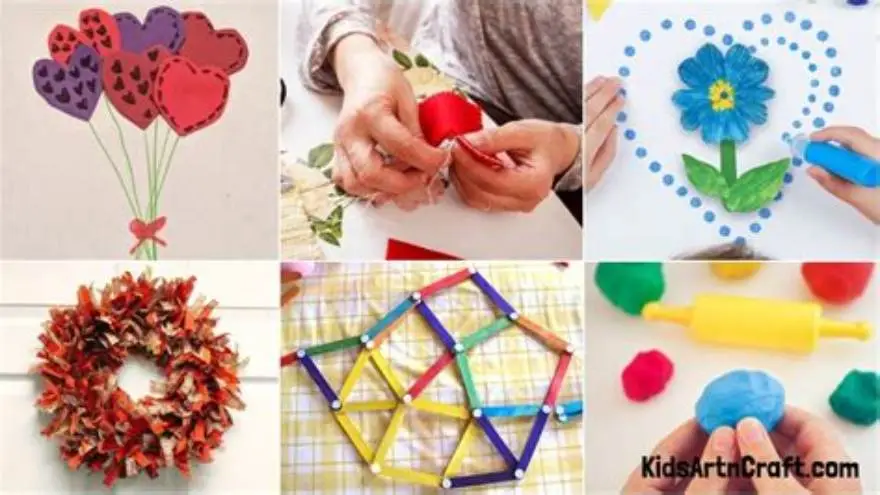
Ten crafts cover most afternoons, and the table below lists them with the stage they suit and the time they take. Pick two or three to keep in rotation, and let the person choose which one comes first. Last Tuesday's craft will usually work again next Tuesday. Pin a short list of the three favourites on the fridge, so anyone helping knows where to start. New ideas are welcome, but a familiar craft is a safe start on a tired day. When a craft in the table proves too hard, drop down one stage and halve the time, rather than dropping the craft altogether. People in this spot often ask about activities for dementia patients as well.
Keep the supplies for each craft in its own labelled box. Ready boxes save ten minutes of hunting and a tired carer. Label each box with a big, clear word, so the right craft is easy to find even on a rushed morning. Replace dried-out paint and blunt scissors before they cause a bad session. Cheap supplies are fine, as long as they are non-toxic and washable. Store the box somewhere dry, so the paint stays usable.
Save the finished pieces, even the rough ones. Cards on the mantelpiece or pom-poms on a door handle show the person their work mattered. Throw nothing away in front of them. When the pile grows, ask which pieces to keep and which to pass on to family. Next comes what to do when a craft falls apart mid-session.
| Craft | Best for | Time |
|---|---|---|
| Watercolour painting | Early and middle stages | 20 to 30 minutes |
| Magazine collage | Middle stage | 20 minutes |
| Greeting cards | Early and middle stages | 30 minutes |
| Yarn pom-poms | Middle stage | 15 to 20 minutes |
| Sorting buttons or coins | Middle and later stages | 15 minutes |
| Flower arranging | Early and middle stages | 20 minutes |
| Finger knitting | Early stage | 30 minutes |
| Decorating a mug | Early and middle stages | 20 minutes |
| Pressed flowers | Early stage | 15 minutes, plus drying |
| Kneading dough or clay | Later stage | 15 to 20 minutes |
What do you do when a craft goes wrong?
Frustration is the most common problem, and it usually means the step was too big. Break it in half and show it again with your own hands. If that fails, swap the step for a simpler one, like sorting buttons by colour instead of gluing anything at all. Smaller steps often turn the whole mood around. After a row, the craft may not be picked up again tomorrow. We cover pairs matching game for seniors in its own article.
Refusal is not rudeness. Tiredness, pain, or a bad day often sit behind it. Put the craft away without a fuss and offer a cup of tea instead. Try again tomorrow, or try a different craft. Two quiet offers beat one long argument. Ask their doctor about any health worry, including sudden changes in mood or behavior. If swallowing seems harder than it used to be, ask their doctor before the next session, and keep food and drink off the craft table.
Mess is part of the deal, and it is the easiest problem to fix. Cover the table with newspaper and keep a damp cloth in reach. Washable paint and glue sticks clean off skin and tables in a way ordinary paint does not. Laugh off a spill and it is forgotten by tea time. One last step turns a good session into a weekly habit that holds.
How do you keep it going week after week?
Weekly rhythm beats a burst of enthusiasm. Habits outlast plans. Keep two or three set times each week, even when the craft is simple. Even a short session counts on a bad day. Write the plan on a card on the fridge, so anyone helping, from family to care staff, knows what comes next. They may forget the plan, but the habit of sitting down together stays.
Rotate three or four crafts and add one new one a month. One new craft a month keeps the box fresh without costing much. New supplies keep the box interesting, and a new craft gives the family something fresh to talk about over tea each week. Ask the person which craft they liked best, then start there next week and build the routine around that one choice. Choice matters, even when it is only between two cards or two colours. Let them choose.
Involve the wider family where you can. Grandchildren who help with a collage give the afternoon a second pair of hands and a reason to chat. Save a few finished pieces to show visitors. Colour on the walls is worth more than a perfect piece hidden in a drawer. Start this week with one craft from the table above, and let the habit grow from there.
Still wondering?
What crafts are safe for someone with late-stage dementia?
Stick to sensory crafts with no small parts: kneading dough, folding soft towels, sorting fabric by colour, and squeezing a ball of clay. Stay beside the person the whole time. Skip scissors, glue guns, beads, and anything that could be swallowed. Check with their doctor about any health worry before starting something new.
How long should a craft session last?
Plan a short session and pack up before tiredness sets in. Short sessions that end in a smile beat long ones that end in tears. Watch for tiredness, restlessness, or wandering hands. Those are signs to pack up, not to push on.
What if they refuse to join in?
Do not push it. Set the craft aside without a fuss and offer a cup of tea instead. Wait a day and offer a different craft. Offering two crafts works better than giving a single order. Refusal often means tiredness or a bad day, not dislike.
Can crafts help someone with dementia?
Dementia has no cure in a craft box. No activity treats, slows, or prevents it, and none should promise that. Crafts fill time with something pleasant and give a sense of finishing something. That is worth doing on its own. Any health question, including changes in mood or memory, belongs with their doctor.
What supplies should I keep on hand?
Start with big brushes, washable paint, thick card, blunt scissors, glue sticks, large beads, and soft yarn in one box. Check the labels for non-toxic and washable before you buy. Replace dried paint and blunt blades before they spoil a session. With a ready box, a craft can start in minutes.
Ready to try it? It prints the same activities at three levels, so you can match the craft to the stage without building a new kit each week.
See the activity kit