Folding Activities for Dementia That Bring Calm and Purpose
When the person can follow a simple motion with their hands, folding activities for dementia work best as short, familiar tasks. Try hand towels, washcloths, napkins and simple paper folds at a table for 10 to 30 minutes, with no score and no correction.
On this page (8 sections)
- Quick recap
- Why does folding calm people when other activities frustrate?
- Which folding activities for dementia work best?
- How do you set up a folding session that succeeds?
- What do you do when folding goes wrong?
- How do you match folding to each stage of memory loss?
- What can you fold besides laundry, and what should you avoid?
- Still wondering?
Part of our guide on dementia activity book for adults
Key figures
- Basket size
- 5 to 10 items
- Session length
- 10 to 30 minutes
- First fold to try
- Hand towel, three folds
- Card print size
- 18 pt or larger
- Warm towels
- Warm, not hot
Quick recap
- Start with hand towels and washcloths: light, soft, and easy to fold in the lap.
- Keep the basket small and the session short, and end before tiredness sets in.
- Never correct a fold. Praise the pile as it stands and fix it later, out of sight.
- Match the fold to the stage: choices early, one step at a time in the middle, touch and warmth later.
- Use items larger than a fist and skip scissors, pins, and rubber bands.
Why does folding calm people when other activities frustrate?
Folding uses a kind of memory that often stays strong long after names and dates slip. Hands remember the motion of folding a towel even when the person cannot explain the steps. That is why a basket of towels can hold attention when a puzzle or a quiz causes strain. No right answer waits to be missed, and no clock or audience watches. Each fold ends the same way, with a neat pile and a small sense of done.
Folding is a familiar motion, and many people keep doing it with their hands long after other tasks get hard. Hands keep a practiced motion long after words and dates slip. Paper folding works the same way. Fold a tea towel into a neat square, one fold at a time, and the hands get the same steady rhythm. It suits some people and not others, so watch the person in front of you and follow their lead.
Getting this choice wrong costs little money and a lot of mood. A quiz with a wrong answer can end the afternoon in tears. A jigsaw with 500 pieces can sit untouched for weeks. Folding asks for one motion, repeated, and it hands the person a visible result after each fold. Visible results matter. Empty time becomes time that felt useful.
Which folding activities for dementia work best?
Start with hand towels and washcloths. Both are light, soft, and small enough to fold in the lap. One hand towel takes three folds: in half, in half again, then in half once more. The rhythm is clear to the hands, and the result is clear to the eyes. Socks come next: pair them, roll them, stack them. Matching by color adds a small choice. Keep the basket to 5 to 10 items so the pile ends before patience does. We cover crafts for seniors with dementia in its own article.
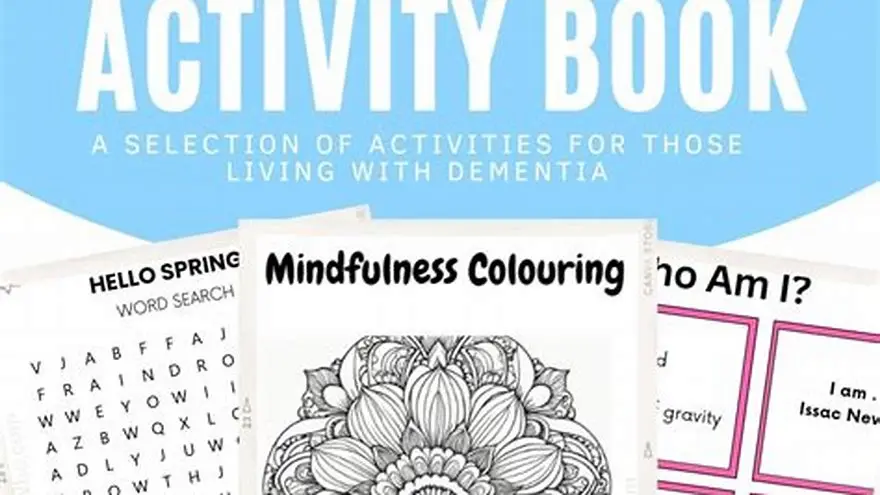
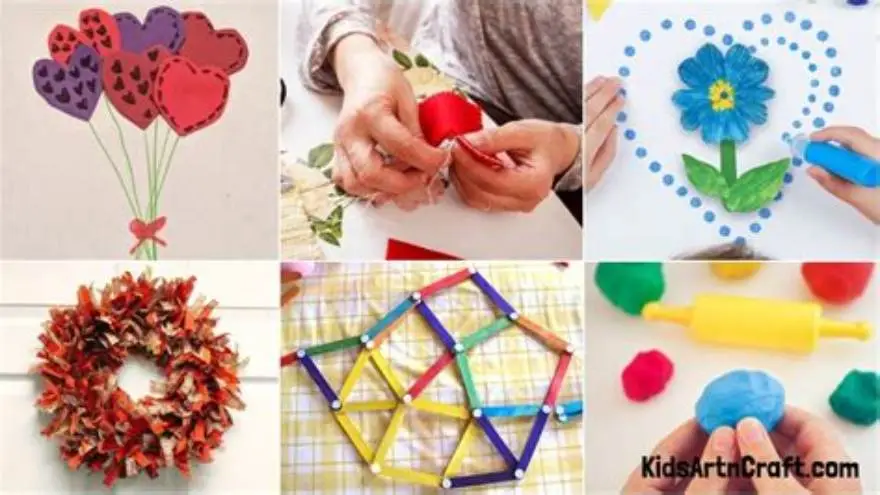
Cloth napkins fold well at the table and suit a person who once set tables at home. Scarves and tea towels add texture and color. Simple paper folds suit a person who likes a crisp result. Fold a sheet in half, then in half again, and smooth the creases flat with your palm. When ideas run short, our Gentle Minds Activity Kit offers large-print activities at three difficulty levels for the same reader. The kit is printed pages, not folding, so it sits beside the basket rather than replacing it. For a free way to add variety, print folding steps on plain cards in large print, or write them by hand.
Good folds share three traits. Each uses one motion, repeated. Every fold ends with something the person can see and hold. Each one can be undone and done again without waste. Carers miss that last trait most. Towels can be unfolded and refolded all afternoon. Paper folds can be opened flat and folded again. Repetition is the point, not a problem.
How do you set up a folding session that succeeds?
Set-up takes about ten minutes and decides whether the session works. Choose a clear table at a comfortable height, with a chair that lets the person sit upright and reach across it. Lay out a small basket of clean items and nothing else. Put the rest of the laundry out of sight, so the pile never looks endless. Good light helps: a lamp over the table beats a bright room with shadows. We cover sensory activities for dementia patients in its own article.
Pick a calm part of the day, not the hour before a meal or a visit. Late morning suits many people; late afternoon suits others. Catch the window when the person is awake and settled. Invite help, not a task: ask the person to help you fold, then fold the first towel yourself. Most people join in once they see the motion. Sitting together matters more than the words you use.
10 to 30 minutes is plenty, and ten good minutes beat thirty tired ones. Thank the person for the help, stack the folded pile where they can see it, and put the basket away until tomorrow. Endings like that make them say yes next time.
- Clear the table and set one chair close to it.
- Fill a small basket with clean hand towels or washcloths.
- Sit beside the person and fold the first towel yourself.
- Hand over the next towel and let them fold it their way.
- Stop while the mood is good and stack the pile where they can see it.
What do you do when folding goes wrong?
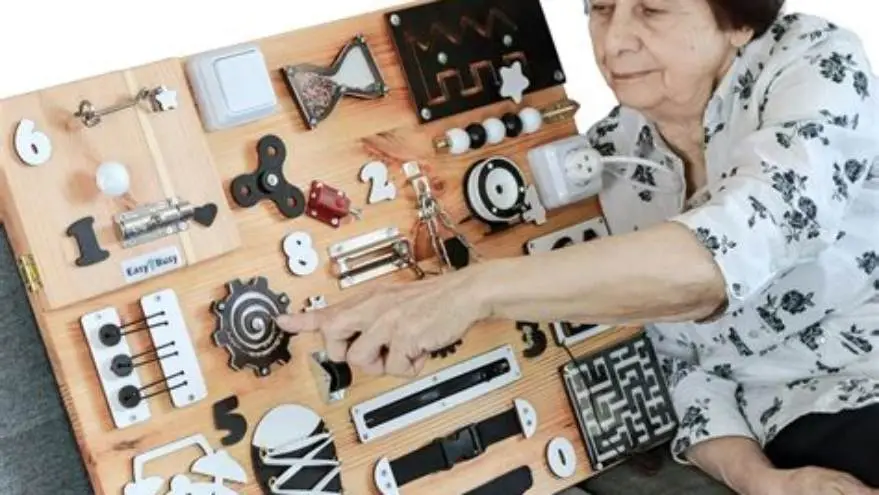
Trouble comes in the same few ways, and each one has a fix. Someone folds the same towel again and again. Another person tears the paper or throws the pile. Someone else stands up and walks away after two minutes. None of these mean the activity failed. Those signs mean the set-up needs a change: fewer items, softer items, a shorter session. Look back at what happened just before the trouble started. The trouble itself usually names the fix. Before you commit to anything, it is worth looking at dementia activity board.
Never correct a fold while the person is doing it. Correcting turns a calm task into a test, and tests are what the person has been failing all day. If a towel comes out crooked, fold it straight later, out of sight. If the person folds the same towel five times, let them: the calm comes from the doing, not the pile. When upset arrives, stop the task, not the company. Sit with them, offer a drink, and try again another day.
Some days folding will not work at all, and that is useful information too. Someone who folded happily yesterday and refuses today may be tired, in pain, or coming down with something. Note the change and mention it to their doctor if it lasts. That makes the activity a window into the day, not just a way to fill it.
How do you match folding to each stage of memory loss?
Memory loss does not move in neat steps, but folding can be sized to the person in front of you. Early on, the person can follow a short sequence and choose items. Later, the same person may need one step at a time, one item in hand. Use the table below as a starting point, not a rule. Change it to fit the person, and again as the weeks pass. The same idea works in care homes too: real household tasks, sized to the person, at their own pace. What worked in spring may need a simpler version by autumn. It helps to understand conversation starters for people with dementia before going further.
In the early stage, add small choices that keep the person in charge: which basket, which color, which pile to start. In the middle stage, take the choices away and keep the motion: one towel, one fold, your hands beside theirs. By the later stage, the fold itself may be too much, and that is fine. Warm towels held in the hands, or a soft cloth to smooth flat, still give the hands something familiar to do. At every stage the goal is a calm ten minutes, not a finished pile.
Watch the hands, not the pile. Steady movement means the hands are getting what they need. Stopping, fidgeting, or pushing the basket away says the task is too hard, too long, or too dull. Shorten it, soften it, or swap it for music and a walk. If hand-over-hand help is needed most days, ask an occupational therapist to show you the technique. Hands tell you first, every time.
| Stage | Best folding task | How much help | Watch for |
|---|---|---|---|
| Early | Napkins, tea towels, simple paper folds | A short demo, then leave them to it | Too many choices |
| Middle | Hand towels and washcloths, one at a time | One step at a time, hands beside theirs | Frustration at multi-step folds |
| Later | Holding a warm towel, smoothing a soft cloth | Hand-over-hand help or just company | Tired hands, items dropped |
What can you fold besides laundry, and what should you avoid?
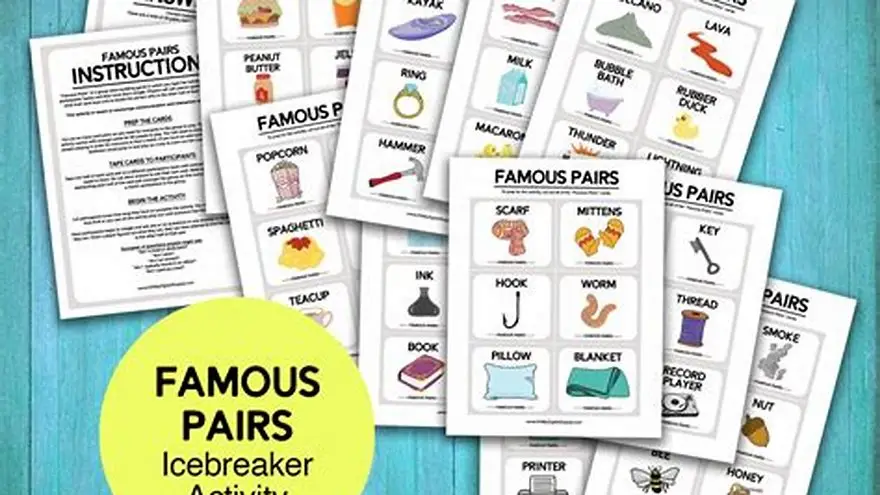
Laundry is only the start. Paper folds suit a person who likes a crisp edge. Fold a sheet of printer paper into a fan, then open it out and fold it back again. Bright fabric squares give a person who likes color something to sort and fold. Gift wrap, cut into squares, folds well and feels festive. For someone who never folded laundry at home, the same motion works with shop towels, a folded newspaper, or a map. Scarves fold into soft rolls that stack neatly in a drawer. People in this spot often ask about famous pairs game for seniors as well.
Keep the activity safe by keeping it simple. Use items larger than a fist, so nothing small ends up in a pocket or a mouth. Skip scissors, pins, and sharp paper creasers unless you sit beside the person and cut things yourself. Take towels warm from the dryer, not hot: test the pile with your own hands first. Put plastic bags and rubber bands away. No fold should need a tool sharper than a fingertip.
Setting one up costs nothing, takes ten minutes, and works in a kitchen, a care home lounge, or a hospital day room. It will not suit every person or every day. On the days it works, it gives the person a useful job and a calm half hour. The pile proves their hands still know what to do.
Folding earns its place as a daily activity: cheap, familiar, and easy to repeat, as long as you judge it by the calm it brings and not by the neatness of the pile.
Still wondering?
How long should a folding session last?
Aim for a short session, and stop while the mood is still good. Short sessions that end well are ones the person will say yes to tomorrow.
What if the person folds the same towel over and over?
Let them. The repetition is what calms, and towels can be unfolded and folded again all afternoon without waste.
Can folding help someone in the later stages of dementia?
Folding can still suit the later stages as one simple motion, like holding a warm towel. Keep the session short and sit beside the person. If the hands stop or push the basket away, swap the task for music or a walk.
Is folding safe for someone who puts things in their mouth?
Use items larger than a fist, and keep small items out of the basket. Skip pins, scissors, and rubber bands. Sit beside the person and check the pile before you put it away.
What do I do with the folded pile afterwards?
Stack it where the person can see it, and thank them for the help. Use the towels as they are, or unfold them into the basket for another day. That pile is proof of a job done, so let it be seen.