Dementia Activity Apron: What It Is and How to Choose One
If restless hands are the problem, a dementia activity apron gives the wearer something safe to touch. It is a plain apron with zippers, buttons, laces and textured fabric sewn on the front. It stays on the body, so it cannot slide off a lap.
On this page (8 sections)
Part of our guide on features that aid memory and engagement
Key figures
- Fabric needed
- 1.5 yards cotton
- Zipper length
- 7 inches or longer
- Fastening style
- tie-back or pull-over
- Items per apron
- five to eight
- Small parts
- no loose small parts
- Washing method
- machine wash, check label
Quick recap
- An activity apron is a wearable lap activity: zippers, buttons, laces and textures sewn onto a plain apron.
- Tie-back styles need a helper to put on; pull-over neckbands suit people who dress alone.
- Skip small parts that could come loose, and keep ties short.
- Homemade costs little and fits the person; a bought one saves sewing time.
- Wash it often and retire it when seams or fasteners start to fail.
What Is a Dementia Activity Apron?
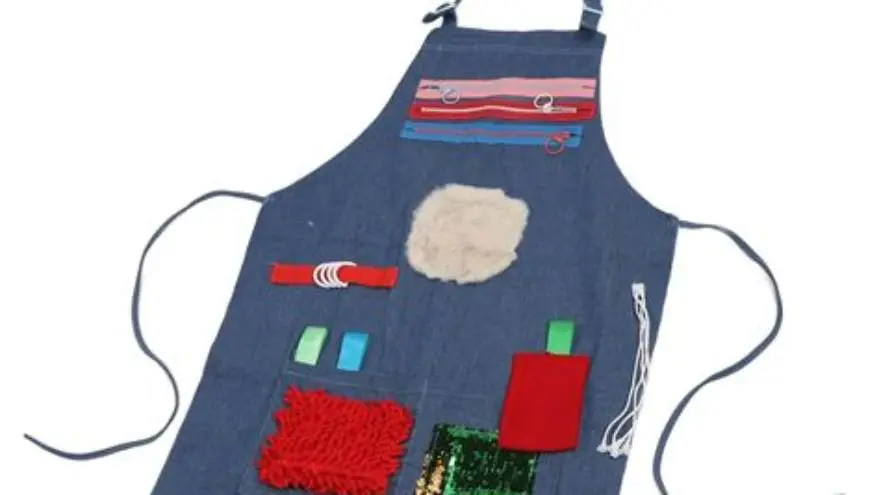
A dementia activity apron is a plain apron with things to touch sewn on the front. Zippers open and close. Buttons fasten and unfasten. Laces thread through eyelets. Pockets hide a soft cloth or a familiar object. Corduroy, fleece, denim and satin sit side by side.
An apron is worn, not laid on a lap. That is the whole point. Blankets slide to the floor when the wearer stands or shifts in a chair. Ties or a neckband hold it in place, so it stays put. Hands find the same zippers and buttons in the same spots every time. No asking, no waiting: it is there whenever hands reach for it.
Most aprons are built for adults, not children. Each item is the kind an adult handled for years: a zip, a button, a buckle, a shoelace. Nothing on it looks like a toy. A childish-feeling activity gets pushed aside, and a dignified one gets used. Aprons come in two shapes: one ties at the back, and one pulls over the head on a fixed neckband. Tie-back styles stay on firmly. Pull-over styles go on without help, which suits a person who still dresses alone.
Who Does an Activity Apron Suit Best?
Hands that are rarely still will use it most. Picking at clothes, rubbing a sleeve, twisting a button: these are the signs to look for. Those hands get a job that harms nothing. Restless hands often show up while hands still work well but will not settle. Early on, the apron may sit unused. Later, fingers may no longer manage zips and buttons. Long, quiet afternoons suit it too, when conversation runs out and the television loses its hold. Busy hands, a seated wearer, and a calm room. If that sounds like your situation, read up on choosing between books and printables next.
Care homes use it as well as family homes. One apron can pass between residents during the day, provided it is washed between wearers and the fit is checked each time. Activity directors like it: no setup and no batteries. Someone can use it alone in a chair while staff help another person, which spreads a thin afternoon a little further.
Not everyone takes to it. Some people dislike anything resting on their chest and will pull it off at once. Others tug so hard that sewn items tear loose, which turns a calm activity into a safety check. Some simply show no interest, which is a fair answer too. Offer it once: lay it on the lap first, let hands find the zip, then help with the ties if the person seems willing. Watch the reaction, and set it aside without a fuss if it is refused.
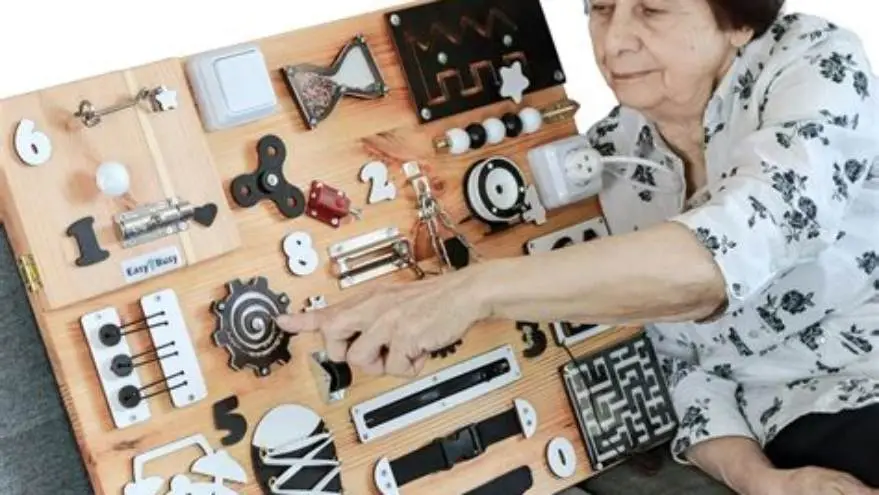
Tactile aprons are one option. Printed word searches and large-print puzzles cover a different need, and they may suit someone who rejects the apron. Large print matters here too: tall letters, clear spacing, and no clutter. Finishing a puzzle brings its own quiet satisfaction. People in this spot often ask about activity board for dementia patients as well.
Should You Buy One or Make One?
Buying is the fast route. Ready-made aprons arrive with the fasteners already sewn on, and the only job is to check the finished size against the wearer's lap. Sizes vary by seller, so read the listing and measure before ordering. Look for a plain adult design, strong stitching and an adjustable neck strap. Cheap stitching costs more in the end, because every repair is your time.
Sewing is the personal route. Start with a plain apron from a shop, or one sewn from 1.5 yards of cotton woven fabric. Fasteners can come from the person's own life: buttons from a favorite shirt, a zip from an old jacket, a shoelace. That personal link is something no shop can sell. One afternoon of sewing is enough, and basic machine skills will do.
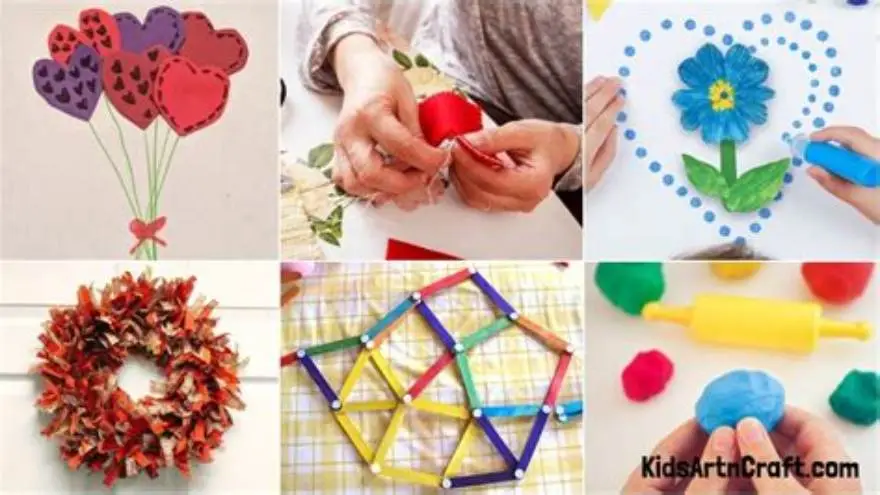
Both work, and the deciding factor is time, not money. Nobody in the family sews? Buy one and spend the saved hours sitting with the person instead. Someone who sews should make one: it will fit better and carry meaning. Either way, check every fastener before the first wear: a bought apron can be loosely sewn too. Before you commit to anything, it is worth looking at dementia-friendly crafts for seniors.
| Choice | Cost | Time | Fit | Best when |
|---|---|---|---|---|
| Buy ready-made | Varies by seller; check the listing | Arrives ready to wear | Fixed sizes; measure first | No one in the family sews |
| Sew your own | A plain apron plus scraps | About an afternoon | Made to the person's size | You want personal fasteners |
How to Sew a Dementia Activity Apron
Start with the base: a shop-bought apron, or one sewn from 1.5 yards of cotton woven fabric. Pick a color the person likes and a fabric that feels good. Denim wears well and hides stains; brushed cotton is gentler on sensitive skin. Either is fine, and a lining is not needed.
Choose five to eight items, no more. Short zips, large buttons, a shoelace, a buckle, a pocket and two fabric patches give plenty to do without crowding the front. Leave blank space between items so hands can find each one on its own. Too many items turn the apron into clutter, and clutter gets ignored. Lay everything out on the apron first and move pieces until the layout feels balanced.
Stitch for strength, not for show. Machine stitching beats hand stitching here. Reinforce stress points with a bartack or a short, tight row of zigzag stitching. Sew buttons with a shank so they sit proud of the fabric. Check each item when it is done, and restitch anything that shifts. Strength is the whole job, because a fidget apron fails the moment something comes off in a hand. For the detail, see our notes on do dementia patients make up stories.
- Cut or buy the apron base and press it flat.
- Lay out the items on the front and leave space between them.
- Make a pocket from scrap fabric, about the size of a hand.
- Fit a zip at least
7 incheslong, with fabric on both sides. - Sew on large buttons with a shank, then check each one holds fast.
- Thread a shoelace through eyelets or loops for lacing practice.
- Hang removable items on key rings so they come off before washing.
- Wash the apron once, check every seam, then offer it to the wearer.
Safety Checks Before the First Wear
Safety comes before charm, because an apron sits close to the body. Every item on the front will be pulled, twisted and chewed. That is normal use, not misuse. Build for it. Items that cannot survive a hard tug from an adult do not belong on the apron. Check the whole apron the way a parent checks a child's toy, only stricter: the wearer may not report a loose part.
Watch the first few wears closely. Fasteners take real force from some people, and a button that held in the sewing room can still work loose after a week. Check the apron each evening for the first month. Look for frayed thread, cracked buttons and zips that stick. Five minutes of checking beats a swallowed button.
Ties and straps deserve their own check. Long ties catch on chair arms and door handles, so keep them short or tuck the ends away. Neck straps should sit flat and never press on the throat. Wheelchair users need a seated check: sit them in it and check that nothing trails near the wheels. These checks take minutes and they prevent the accidents that end an activity for good. Before you commit to anything, it is worth looking at activity sheets that last with dry erase.
- Small parts: leave off beads, small buttons and pom-poms that shed.
- Sharp edges: file or cover any metal edge, and skip broken zips.
- Loose threads: trim them, since a loop can catch a finger.
- Weight: keep the apron light, since heavy items tire the neck.
- Allergies: check fabric and filling against known skin sensitivities.
- Supervision: stay nearby for the first wears until you know the habits.
Washing, Care and When to Retire It
Wash the apron often, because it lives against skin and collects food, drink and skin oils. Most cotton aprons take a normal machine wash without trouble. Take off key-ring items first, and close the zips so the teeth do not snag. Gentle cycles are kinder to the stitching. Air dry it flat if you can, since a hot dryer can warp plastic buckles and shrink cotton.
Inspect it every week once it is in regular use. Seams fray first at the pocket corners and where the straps join the body. Buttons loosen a thread at a time, so a weekly look catches them before they fall. Keep a small repair kit nearby: needle, strong thread and spare buttons. Ten minutes of mending keeps a favorite apron working for months longer.
Retire the apron when repairs stop holding. Frayed fabric that tears again after mending, a zip that jams every time, or a stain that will not wash out are all fair reasons. Loss of interest is a fair reason too: an unused apron on a hook helps nobody. Retired aprons in good shape can go to a local care home or carers' group; ask first, since some places cannot take used fabric. Fold it away and try a different activity. Lap blankets, fidget muffs or large-print puzzles may suit better next time.
A dementia activity apron earns its place when restless hands need something safe within reach. Sew one if you can; buy one if you cannot. Either way, check the fastenings every week.
Still wondering?
Can a person with dementia wear an activity apron all day?
Yes, if it stays comfortable and the person keeps reaching for it. Offer breaks through the day, and take it off at meals if food lands on it. Check the skin under the straps each evening for redness. Tugging at it, or trying to remove it, is the sign to take it off.
What is the difference between an activity apron and a fidget blanket?
Blankets lie flat on a lap or a table, and the wearer reaches down to them. An apron fastens around the body, so the work sits at chest height. An apron suits someone who sits at a table and whose hands keep reaching for something to do.
How many items should an activity apron have?
Start with a few items and add more only if hands keep reaching for something new. Each one needs blank space around it so hands can find it alone. More than that turns the front into clutter, and clutter gets ignored. Rotate one or two items every few weeks to keep it fresh.
Can I wash a dementia activity apron?
It washes well if every item is sewn on firmly. Take off key-ring items first and close the zips. Use a gentle cycle and air dry it flat. Look over every seam after washing, since a loose thread is easier to fix before the next wear.