Dementia activity kits for home: which features support memory and calm best
A dementia activity kit for home should include large-print, easy-to-read activities at varied difficulty levels, with no wrong answers, to promote calm and success. Kits like the Gentle Minds Activity Kit offer printable materials designed specifically for memory loss.
On this page (10 sections)
- Quick recap
- Key features to look for in a home dementia activity kit
- Why large print and simplicity matter
- Multiple difficulty levels support changing needs
- Types of activities suited for different dementia stages at home
- How to use the kit to promote engagement and reduce agitation
- What the Gentle Minds Activity Kit offers for home dementia care
- Alternative ways to create dementia-friendly activities at home
- How to assemble a dementia activity kit for calm, successful home use
- Still wondering?
Part of our guide on activities for all dementia stages
Key figures
- Activity pages
- 130+ printable
- Difficulty levels
- 3 (Gentle, Easy, Steady)
- Conversation cards
- 48 included
- Printable sizes
- US Letter & A4
- No wrong answers
- Yes
- Typical memory stage
- Mild to moderate
Quick recap
- Look for kits with large print and clear layouts to aid low vision.
- Different activity levels help match changing dementia stages.
- Activities without right/wrong answers reduce frustration and agitation.
- Conversation prompts support connection and meaningful engagement.
- Printable kits allow repeated use and flexibility at home.
Key features to look for in a home dementia activity kit
A dementia activity kit designed for home use should focus on calming activities that respect the user’s current cognitive level. Large-print materials are vital for older adults with common vision changes. Activities must challenge without overwhelming, meaning they should have multiple difficulty levels.
Clear instructions and layouts that avoid clutter reduce confusion. Another key feature is activities that do not have 'wrong' answers, helping prevent frustration or agitation which often arise when a person feels they have failed.
Including conversation cards or prompts encourages social engagement and reminiscence, which many caregivers report supports calmness and emotional connection. Printable pages allow caregivers to choose appropriate activities daily and reuse as needed.
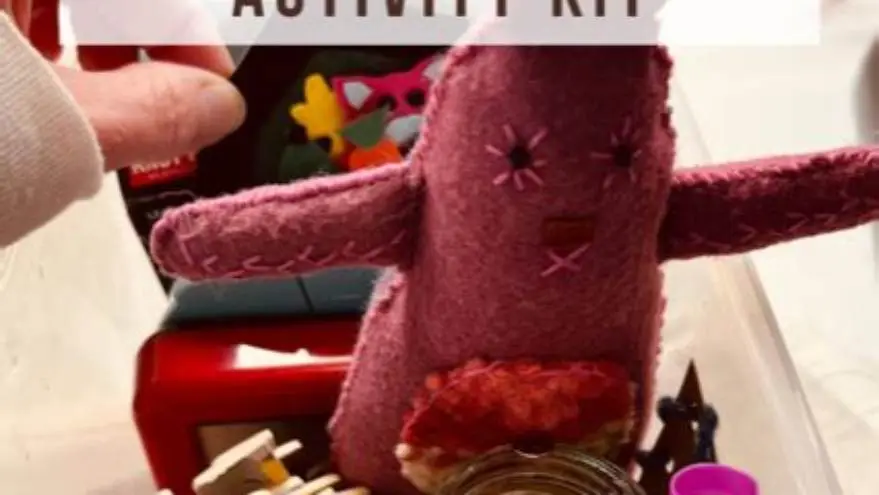
Some kits include multi-sensory items like textured cards or scented strips. These engage senses beyond sight and hearing, which can soothe or spark memories differently. People in this spot often ask about printable dementia activities pdf as well.
A clear storage system is helpful. Kits with labeled folders or envelopes let caregivers find and replace materials quickly, avoiding rushed decisions that stress both parties.
Look for kits that come with caregiver support materials, like tips on pacing activities or handling resistance. This helps tailor the experience day-to-day and keeps sessions positive.
Why large print and simplicity matter
Declining vision is common with dementia and aging. Fonts larger than 18 points with high contrast make activities accessible. Simple layouts with ample spacing reduce cognitive overload. The other half of this decision is activities for early stage dementia at home.
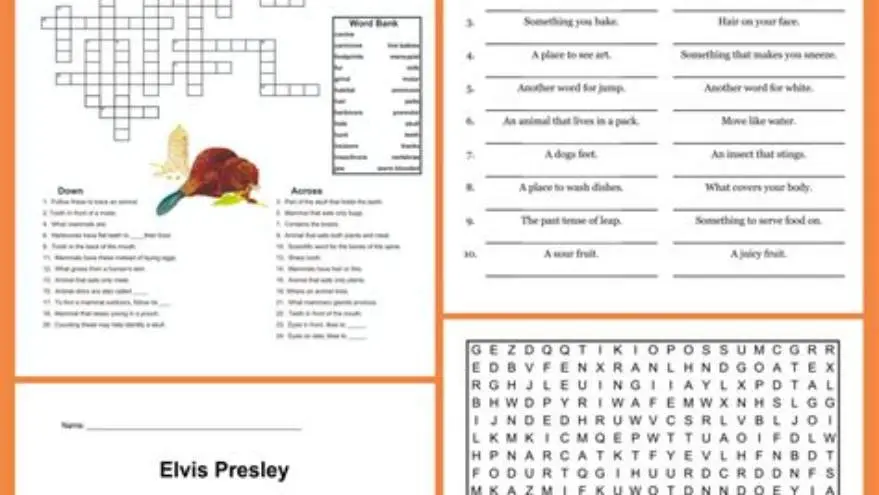
Complex puzzles with tiny text or cramped design risk discouraging participation. Instead, clear, bold shapes and letters invite engagement. Large-print word searches, crosswords, and mazes fit well into this approach.
Multiple difficulty levels support changing needs
Dementia progresses through stages. Activities suitable for mild memory loss often frustrate people with moderate loss, and vice versa. Kits that separate activities into gentle, easy, and steady levels allow caregivers to tailor tasks day-by-day.
Choosing level-appropriate activities promotes success and enjoyment, reducing agitation from task failure or boredom. People in this spot often ask about activities for seniors with dementia as well.
Types of activities suited for different dementia stages at home
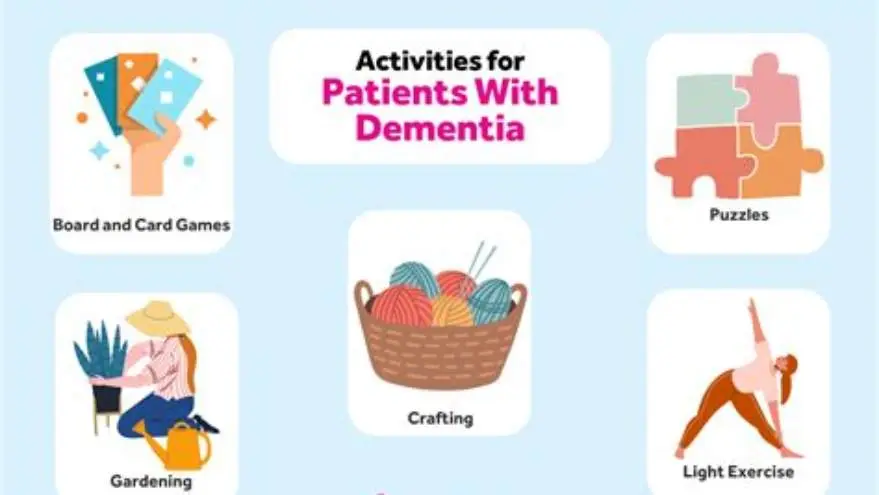
Activities for people with dementia at home should focus on engagement, enjoyment, and success rather than strict cognitive training. For early or mild stages, word searches, simple crosswords, and easy puzzles support memory without pressure.
Those in moderate stages benefit from more guided activities like matching games or coloring with bold lines. For later stages, sensory-based and reminiscence activities with conversation prompts provide comfort without requiring complex thinking.
Activities should avoid infantilizing the user; adults prefer age-appropriate themes and materials that respect their dignity. We cover dementia activity books vs printable activities in its own article.
For very early stages, activities might include journaling prompts or simple reminiscence questions that stimulate language and memory recall gently.
At moderate stages, sorting objects by color or shape can provide tactile and visual engagement without heavy cognitive load. These tasks also encourage fine motor skills.
In late stages, activities in kits might focus on soothing sounds or familiar music, combined with gentle hand massages. These reduce anxiety and promote calm without requiring active participation. Before you commit to anything, it is worth looking at engaging hospital activities for dementia.
For middle-stage dementia, activities that combine cognitive and physical engagement work well. For example, simple puzzles with large pieces encourage problem-solving and hand-eye coordination. A puzzle with 12 pieces, each about 4 inches wide, is manageable and satisfying. Completing it offers a sense of achievement without causing frustration.
In more advanced stages, activities focusing on sensory stimulation become important. Using objects with varied textures like soft cloth, smooth stones, or scented herbs can trigger memories and reduce confusion. For instance, holding a lavender-scented sachet while listening to a familiar song creates a calming multi-sensory experience that helps ease anxiety.
Caregivers should watch how the person responds to different activity types. Some may find music soothing but dislike handling objects. Others might enjoy looking at photo albums or simple crafts. Tailoring activities to individual preferences and responses remains key throughout all stages.
| Dementia Stage | Activity Types | Key Benefits |
|---|---|---|
| Mild | Word searches, simple crosswords, basic puzzles | Supports memory, encourages success |
| Moderate | Matching games, large-piece puzzles, guided coloring | Reduces frustration, maintains engagement |
| Advanced | Sensory activities, reminiscence cards, conversation prompts | Promotes calm and connection |
How to use the kit to promote engagement and reduce agitation
Engagement is highest when activities match the person’s abilities and interests. Caregivers should introduce one task at a time and watch for signs of fatigue or frustration.
Using conversation cards included in some kits helps keep interactions positive and meaningful. Encouraging participation without correcting mistakes reduces anxiety. Praise effort, not accuracy.
Scheduling activities regularly but flexibly, balancing active engagement with rest, helps manage agitation. Kits that provide daily planning pages help caregivers organize these sessions effectively.
Observe body language and facial expressions closely during activities. Signs like fidgeting or avoiding eye contact can indicate fatigue or frustration.
If agitation begins, pause the activity, switch to a sensory or calming task, or provide a quiet break before trying again.
A simple check is to ask the person if they want to continue or stop. Respecting their choice builds trust and reduces stress.
Caregivers can use the kit to create a predictable routine, which often reduces anxiety. Starting sessions at the same time daily and following a similar order helps the person feel secure. For example, begin with a coloring task, then move to conversation prompts, and finish with a sensory activity.
It's useful to keep activities flexible within the routine. If the person shows signs of tiredness after a few minutes, shifting to a gentler task helps maintain calm. For instance, start with a matching game but switch to listening to favorite music if agitation rises.
Positive reinforcement encourages cooperation. Saying things like 'You’re doing great' or 'I like how you found that picture' boosts confidence. Avoid correcting mistakes or rushing through tasks. This approach supports dignity and lowers the chance of frustration turning to agitation.
- Introduce one activity per session to avoid overwhelm
- Use conversation prompts to encourage sharing
- Praise effort, avoid correction of mistakes
- Plan activities around daily moods and energy levels
What the Gentle Minds Activity Kit offers for home dementia care
The Gentle Minds Activity Kit is a printable, large-print set tailored specifically for adults living with memory loss. It offers over 130 pages of activities at three difficulty levels, allowing caregivers to match tasks to the user's stage and daily condition.
Conversation cards stimulate memories and discussion, reducing isolation. Daily planning pages help organize sessions, and a caregiver guide provides practical tips for use.
Because the kit is printable, families can reuse activities multiple times, saving money and providing variety. Its large-print design helps those with low vision engage comfortably.
This kit does not provide medical treatment or cognitive therapy. It focuses on enjoyment and calm engagement, making it a straightforward, flexible option for home care.
- Three activity levels for tailored engagement
- Printable for repeated use
- Includes conversation cards for connection
- Caregiver guide and planning pages included
- Not a therapy or medical treatment
- Requires caregiver involvement to use effectively
Alternative ways to create dementia-friendly activities at home
Some caregivers prefer free or do-it-yourself options to save cost. Printable large-print word searches from free tools let you customize content with familiar words, which can stimulate memory.
Creating simple matching cards or coloring pages with bold lines can also engage without confusion. However, these require time and creativity.
Digital puzzle creation tools like BigPrint Puzzle Studio allow custom large-print puzzles but are more suited to creators publishing books or multiple kits than everyday home use.
Choosing or making age-appropriate activities with large print and simple design remains essential regardless of source. Avoid overly complex or small-print puzzles.
Homemade activities can include photo albums with large, clear images and simple captions. Using family pictures or places the person knows helps trigger positive memories and conversation.
Crafting simple sensory boxes is another option. Fill a small container with items like smooth stones, pine cones, or soft fabric. These boxes offer tactile stimulation and can be changed regularly to keep interest.
If technology is available, simple video calls with familiar family members can also be part of the activity plan. Seeing and hearing loved ones provides emotional comfort and can prompt sharing stories or smiles, enhancing engagement.
- Free or low cost
- Customizable content
- Flexible to user preferences
- Time-consuming to create
- May lack conversation prompts
- Not tailored for dementia stages
How to assemble a dementia activity kit for calm, successful home use
Start with gathering large-print puzzles like word searches, crosswords, and mazes suited to the user's ability. Include a range of easy to moderately challenging tasks for flexibility.
Add conversation cards focused on familiar topics to encourage sharing and reduce isolation. Sensory items like textured fabrics or scented sachets can also soothe agitation.
Use daily planning sheets to schedule activities around the person’s energy and mood. Caregivers should monitor responses, switching to simpler or sensory tasks if frustration appears.
Ensure materials are easy to store and access, preventing last-minute searching which can cause caregiver stress.
- Select large-print puzzles and games with difficulty levels
- Include conversation cards or prompts themed to personal history
- Add sensory items for calming effects
- Use planning sheets to schedule activities daily
- Monitor user response and adjust activities accordingly
Still wondering?
Can a dementia activity kit help reduce agitation at home?
Yes, kits with activities matched to the person’s stage and no wrong answers help prevent frustration, which lowers agitation. Conversation prompts also encourage positive interaction.
What if my loved one loses interest quickly in activities?
Try changing to a simpler or different type of activity. Break sessions into short periods and include sensory or reminiscence tasks that require less sustained attention.
Are printable activity kits better than ready-made books?
Printable kits allow repeated use and customization, offering flexibility. Books are convenient but may not match changing abilities or interests as well.
Can I use digital puzzles on a tablet instead?
Some people enjoy digital puzzles, but screen glare or small text can cause strain. Large-print printable materials are often easier for older adults with vision loss.
How often should activities be scheduled?
Daily short sessions, 15-30 minutes, often work best. Adjust timing based on energy levels and mood, with breaks and varied activity types.
Ready to try it? It provides printable, large-print, multi-level activities designed to engage and calm adults living with memory loss at home.
Try Gentle Minds Kit