Diagramless 15x15 crossword grid: exact large-print cell and font sizes
Exact cell and font sizes to craft easy-to-read 15x15 diagramless crossword puzzles in large print for seniors and low-vision solvers.
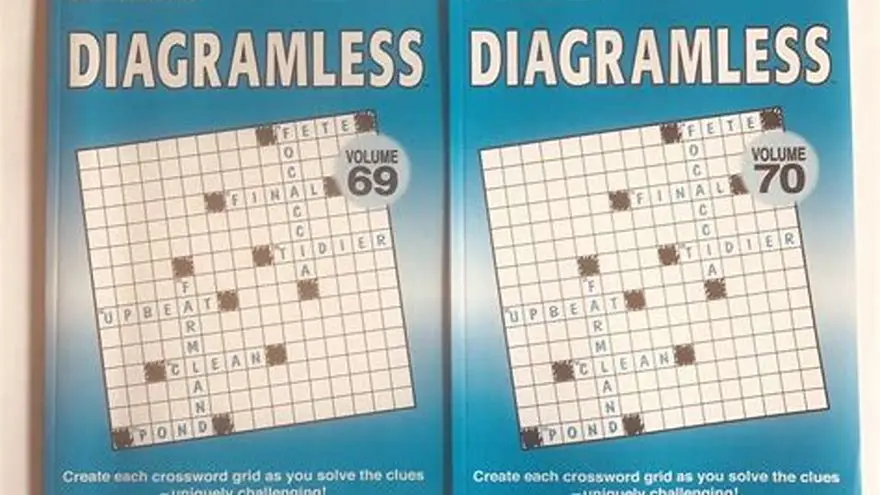
A large-print 15x15 diagramless crossword puzzle uses 30-35 mm square cells and 18-24 pt sans-serif fonts for clarity. This size balances readability and fitting enough grid space to solve comfortably, even without numbers or diagram clues.
On this page (8 sections)
- Key takeaways
- What cell size and font size suit large-print 15x15 diagramless crosswords
- How to lay out the grid clearly without number or diagram clues
- Printable formatting tips for easy reading and solving
- What makes a 15x15 diagramless crossword easy in large print and sample grid choices
- How to create and print your own large-print 15x15 diagramless crossword grids
- Printable grid size and paper considerations for seniors and caregivers
- Questions people still ask
Part of our guide on large print crossword puzzles for seniors
| Cell size | 30-35 mm |
|---|---|
| Font size | 18-24 pt |
| Grid size | 15x15 cells |
| Font style | Sans-serif |
| Print contrast | High black & white |
| Paper size | Letter/A4 preferred |
Key takeaways
- Cell size of 30-35 mm suits seniors' easy reading.
- Font size between 18-24 pt maximizes clarity.
- Sans-serif fonts reduce visual clutter in puzzles.
- Diagramless grids need clear black-and-white contrast.
- Printable layout must avoid clutter for easier solving.
What cell size and font size suit large-print 15x15 diagramless crosswords
The exact cell size for large-print 15x15 diagramless crosswords must be big enough for easy letter recognition but not so big that the grid becomes unwieldy. Usually, a square cell between 30 and 35 millimeters on each side strikes the right balance.
Font size should complement the cell size to maximize readability. You want a font between 18 and 24 points, typically sans-serif to avoid extra strokes that clutter letters. Fonts like Arial, Helvetica, or Verdana work well because their shapes are clean and open.
The font must be centered and bold enough to stand out clearly. Avoid script or decorative fonts that reduce clarity, especially important since diagramless puzzles lack the usual numbered clues to guide the solver.
Relying on these sizes ensures that solvers, especially older adults or those with low vision, can see the letters clearly without squinting or straining, which reduces frustration and encourages engagement. We cover answers for daily themed crossword in its own article.
For solvers who prefer tactile engagement, printing on slightly textured paper can enhance the experience by reducing finger slippage while tracing rows and columns. This tactile feedback can help in following the grid without relying on visual cues alone, especially in a diagramless format.
Large-print diagramless grids benefit from consistent letter spacing within each cell to prevent letters from appearing crowded or blending into adjacent cells. Maintaining at least 2-3 mm padding around letters inside the 30-35 mm cells improves legibility and reduces eye fatigue during extended solving sessions.
How to lay out the grid clearly without number or diagram clues
Diagramless crosswords remove the usual black square pattern and clue numbers, so the grid must be visually intuitive for solvers. Clear, consistent line thickness is key: grid lines should be 1 to 1.5 points thick in black to separate cells crisply without overwhelming the text. We cover fun word puzzles for seniors in its own article.
To help solvers track the pattern, consider shading or lightly tinting every fifth row or column in a soft gray. This subtle visual aid helps users keep place without cluttering the grid with numbers.
Avoid intricate patterns or excessive bordering around each cell; simplicity aids focus on the letters themselves. Maintaining a clean, high-contrast black-on-white layout is essential because the grid lacks numeric clues.
Use a uniform margin of at least 10 mm around the grid to prevent the puzzle from feeling cramped on the page. This margin space improves handling and visual comfort, especially if the puzzle is printed on letter or A4 size paper. We cover acrostic puzzle maker that prints large in its own article.
In addition to shading every fifth row or column, using faint dashed grid lines for secondary guidance can subtly aid users in orienting themselves without introducing clutter. These dashed lines should be significantly lighter than main grid lines, for example at 30% opacity, to keep the focus on letters.
To support users who may lose their place easily, a highlighted border around the entire grid or around the current row or column being solved can be employed. This dynamic highlighting can be implemented in digital versions or manually with removable markers in print versions, helping maintain solving flow.
Printable formatting tips for easy reading and solving
Print large-print diagramless crosswords on matte, white paper to minimize glare which can make letters harder to see for seniors. Glossy papers reflect light and should be avoided. If that sounds like your situation, read up on simple word games for elderly next.
Use portrait orientation on letter or A4 paper to maximize grid size without shrinking cells. This layout fits the 15x15 grid well with ample margins for notes and easier handling.
Include answer keys on a separate page with large print as well, using the same font size and style. Avoid cramming answers into small fonts or dense layouts, which can discourage solvers.
If printing multiple puzzles, keep consistent formatting to build familiarity and reduce cognitive load. Consistency in font, cell size, line thickness, and margins helps users focus on the puzzle content rather than adjusting to new formats.
When formatting for print, consider leaving space beside or beneath the grid for solvers to jot down notes or partial words. This dedicated margin, about 15-20 mm wide, allows easy reference and reduces the need to flip pages frequently, which is helpful for those with limited dexterity.
If the puzzle is to be photocopied or printed in bulk, test print one copy first to verify that font weight and cell dimensions maintain their clarity after reproduction. Adjustments such as slightly increasing font weight or line thickness may be necessary to compensate for printer variances.
What makes a 15x15 diagramless crossword easy in large print and sample grid choices
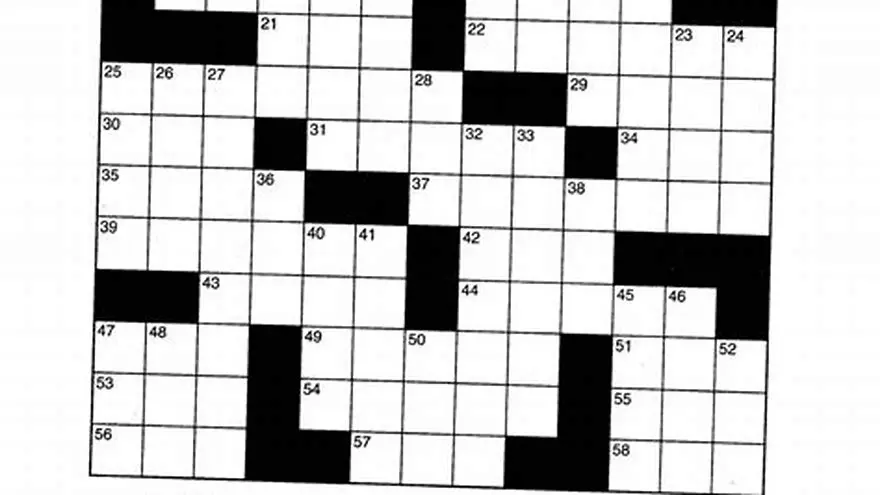
Ease in large-print diagramless 15x15 crosswords depends on clear letter visibility, an uncluttered grid, and intuitive solving flow despite the lack of clue numbers. The large cell and font sizes discussed previously directly contribute to this.
Grid choices also matter. Instead of fully blank grids, some designers add faint gray lines marking word boundaries or lightly shaded backgrounds for every other word. This subtle guidance can reduce guesswork without giving away answers.
Sample grid options for ease include: a pure blank 15x15 with thick lines and large print; a grid with shaded every-other-word rows; or a grid with faint dots at word starts to indicate word breaks. Each adds a different level of solving assistance.
Trade-offs exist: more guidance features improve ease but reduce puzzle challenge. Choose your design based on your audience's abilities and preferences. For older adults with memory loss or low vision, more cues usually help; experienced solvers may prefer minimal hints.
| Grid type | Ease level | Visual aids | Suitability |
|---|---|---|---|
| Blank grid with thick lines | Medium | Bold lines only | Experienced solvers |
| Grid with shaded word rows | Higher | Gray shading every other word | Older adults, low vision |
| Grid with faint word start dots | Highest | Light dotted cues | Memory loss, beginners |
How to create and print your own large-print 15x15 diagramless crossword grids
You can create custom large-print diagramless puzzles manually using spreadsheet software like Excel or Google Sheets by adjusting cell sizes to 30-35 mm and entering letters in large, bold sans-serif fonts around 20 pt.
Set all grid lines to be 1-1.5 pt thick and use conditional formatting or cell shading to add visual word boundaries if desired. Export as PDF for consistent printing.
Alternatively, BigPrint Puzzle Studio is an online tool designed to create large-print puzzles quickly. It lets you customize cell and font sizes precisely, generate grids with or without shading cues, and output print-ready files including answer keys.
BigPrint Puzzle Studio is user-friendly and suited for activity directors or family caregivers who want to save time. Its limitation is it focuses only on activity creation, not on clinical use or advanced puzzle design features.
Manual creation is free but time-consuming and can be fiddly without design skill. For regular puzzle makers or sellers, the online tool offers efficiency and consistent formatting.
Printable grid size and paper considerations for seniors and caregivers
Choosing the paper size impacts the final puzzle usability. Letter size (8.5 x 11 inches) or A4 paper works best for 15x15 diagramless grids in large print, allowing cell sizes of 30-35 mm with comfortable margins.
Printing at 100% scale preserves your carefully chosen cell and font dimensions. Avoid scaling down to fit multiple puzzles per page as this reduces readability.
Consider using heavyweight matte white paper to improve durability and reduce glare from indoor lighting, which is common in senior care settings.
If puzzles are to be used repeatedly or with wet hands (e.g., in care homes), laminating pages or using plastic sleeves with dry-erase markers is helpful. Ensure lamination does not reduce contrast or enlarge glare too much.
Plan for enough margin space around the grid to allow writing notes or placing corrective marks without interfering with cell clarity.
Questions people still ask
Why use sans-serif fonts for large-print crossword puzzles?
Sans-serif fonts have simpler letter shapes without extra strokes, which improves clarity and reduces visual confusion, especially important in diagramless grids without numbers or clues.
Can I use smaller cells if I print on larger paper?
Smaller cells reduce readability for seniors and those with low vision. Even with larger paper, keep cells at least 30 mm square to avoid eye strain.
Is it better to add shading or keep the grid fully blank?
Shading every 5th row or word aids visual tracking and eases solving for beginners or those with cognitive challenges, but experienced solvers may prefer blank grids for more challenge.
How do I track word starts in a diagramless crossword without numbers?
Light dots or subtle shading at word starts help solvers identify where words begin without cluttering the grid with numbers.
Can I create large-print puzzles without special software?
Yes, spreadsheet programs can be used to set cell size, font, and line thickness manually, though this requires patience and some design skill.