Large-print word puzzles for adults: free printable PDFs
Free large-print word puzzles designed for older adults with low vision, plus tips for printing and using them at home or in care settings.
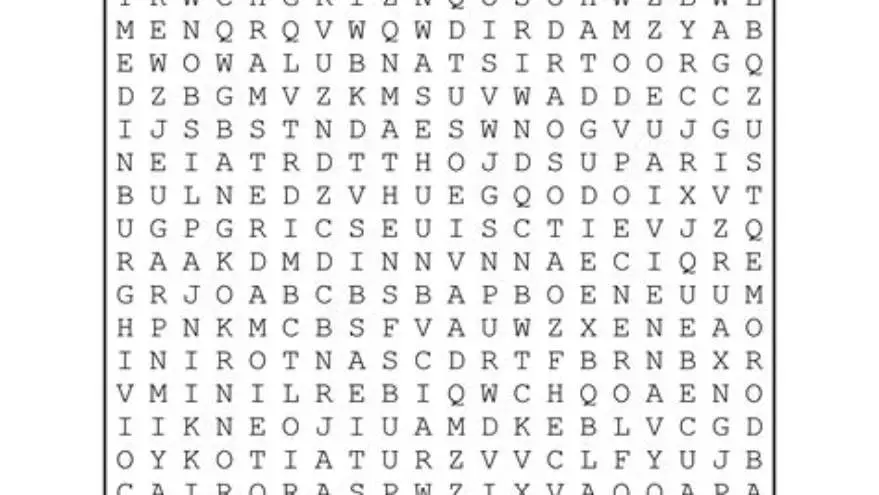
Free large-print word puzzles designed for adults are available from PuzzleBarons.com, TheWordSearch.com, and Activity-Connection.com. Look for PDFs with 14-point font or larger and puzzles that include answers for helpers.
On this page (8 sections)
- The short version
- Where to download free large-print word search and crossword puzzles
- How to tell puzzles are truly large print and easy to read
- Recommendations for printing and using puzzles at home or senior centers
- Grid size and word count for different abilities
- Themes and topics that work for adults
- Making your own large-print puzzles when ready-made ones run out
- Questions people still ask
Part of our guide on crossword puzzles seniors large print
Most puzzles labelled large print still squint-small at 11 or 12 points; the ones here start at 14 and go bigger.
| Readable font size | 14-point or larger |
|---|---|
| Best paper finish | Matte, not glossy |
| Print scale setting | 100%, actual size |
| Words per puzzle | 10-20 for memory loss |
| Grid size for beginners | 12×12 or smaller |
The short version
- Real large-print puzzles use 14-point font or larger, with spacing that prevents letters from running together
- Print on bright white paper at 100% scale, never fit-to-page, to preserve the intended size
- Adult-themed puzzles with words like recipes or travel work better than childish topics
- Laminated puzzles with dry-erase markers let you reuse favourites without reprinting
- Create custom word searches with your own words using a free generator when ready-made puzzles lose their appeal
Where to download free large-print word search and crossword puzzles
PuzzleBarons.com offers word search puzzles you can print at custom sizes, usually 16-point or larger depending on grid dimensions. The site generates a fresh puzzle each visit, so the same theme gives you different puzzles. Themes include classic literature, world capitals and US states. Grid sizes range from 10×10 to 20×20. Smaller grids yield larger letters when printed on a standard page. You get a puzzle page and a separate answer page.
TheWordSearch.com lets you build a word search from scratch with your own list. Type in up to 30 words, choose a grid size, and download the PDF. Font size depends on the grid you pick: a 12×12 grid prints around 18-point, while a 20×20 drops to about 11-point. Stick with grids under 15×15 for truly large print. The site also hosts ready-made puzzles sorted by topic, though most are aimed at children. The custom tool is the better option for adult themes.
Activity-Connection.com supplies printable puzzles designed for senior care homes and activity directors. You need a free account. Puzzles include word searches, crosswords and trivia quizzes, all with larger fonts and clearer spacing than typical newspaper puzzles. The crossword clues are straightforward, not cryptic. Grids run about 14 to 16-point when printed at full size. The library includes seasonal themes and nostalgia topics like 1950s music and vintage cars.
We also make a Large Print Word Search Maker that turns your own words into a large-print puzzle PDF with an answer page included. It is free and takes Letter or A4 paper. You pick the words, and the generator builds the puzzle. Useful when you want puzzles about a family member's hobbies or hometown, or when off-the-shelf puzzles feel too generic. The tool handles up to 20 words per puzzle. It helps to understand word scramble games for seniors before going further.
How to tell puzzles are truly large print and easy to read
Real large-print puzzles start at 14-point font for body text and labels. Most standard puzzles use 9 to 11-point. You can check font size by measuring a capital letter: 14-point prints about 5mm tall, 16-point about 6mm, and 18-point closer to 6.5mm. Measure with a ruler on the printed page, not onscreen. Screens lie about size.
Spacing matters as much as font size. Letters crammed together blur into a grey block for anyone with low vision. Look for puzzles with at least 1mm between letters and 3 to 4mm between rows. Crossword grids need thick, dark lines around each cell so the squares stay distinct. Thin grey lines vanish under indoor lighting.
Font choice affects readability more than most people expect. Sans-serif fonts like Arial or Verdana work better than serif fonts for puzzles. The little feet on serif letters create visual noise at small sizes, even when the font is technically large. Avoid script or decorative fonts entirely. A word search in cursive is a disaster for anyone over 70. We cover designing for low-vision solvers in its own article.
Check the contrast between ink and paper. Black text on white paper is easiest. Grey text, even large grey text, forces the eye to work harder. Some PDFs use pale blue or green for decorative effect. They look cheerful but test poorly with older adults. Print a sample and hold it at arm's length under typical room light. If you squint to read it, so will they.
- 14-point minimum: measure a printed capital letter; it should stand 5mm or taller
- Generous spacing: 1mm between letters, 3-4mm between rows, with no crowding
- Sans-serif fonts: Arial or Verdana, never script or decorative faces
- High contrast: black ink on white paper, not grey or coloured text
Recommendations for printing and using puzzles at home or senior centers
Print at 100% scale, also called actual size, never fit-to-page or shrink-to-fit. Those settings reduce the font size by 10 to 20 percent, undoing the large-print design. Most printers default to fit-to-page. You have to change it manually in the print dialog. Look for a setting labelled scale, size, or page handling.
Use bright white paper with a matte finish, not glossy. Glossy paper reflects overhead lights and creates glare that washes out the text. Standard 80gsm copier paper works fine. Heavier cardstock feels nicer but costs more and jams some home printers. Save cardstock for puzzles you plan to laminate and reuse. We cover puzzle simplicity for seniors in its own article.
Laminate frequently used puzzles and hand out dry-erase markers. A laminated puzzle lasts 50 to 100 uses before the surface scratches enough to blur the text. Laminating pouches cost about 20 cents each in bulk. This approach works well for care homes or families who rotate through a small set of favourite puzzles. Wipe the laminate clean with a dry cloth after each use; wet wipes leave streaks.
Leave completed puzzles on display for a day or two rather than filing them away immediately. Many older adults, especially those with memory loss, enjoy seeing the finished work. It provides a sense of accomplishment that lasts beyond the activity itself. Pin them to a noticeboard or tape them to the fridge. The visibility reinforces the achievement.
Start with 10 to 15 words in a word search for someone new to puzzles or living with memory loss. Twenty-word puzzles feel overwhelming. Use themes tied to the person's life: their profession, hometown, favourite foods. Generic puzzles about spring flowers or famous landmarks rarely spark the same interest. Custom puzzles take more effort upfront but hold attention longer. If that sounds like your situation, read up on simple word games for elderly next.
Grid size and word count for different abilities
12×12 grids suit beginners or anyone with moderate memory loss. They print with letters around 16 to 18 points on a standard page, depending on margins. A 12×12 grid holds 10 to 15 words comfortably. Fewer words means less hunting and less frustration. Puzzles should end on success, not fatigue.
15×15 grids work for regular puzzlers who want more challenge without excessive difficulty. Letters drop to about 14-point when the grid fills a Letter or A4 page. You can fit 15 to 20 words. This size balances visibility and engagement for active seniors who still read books and newspapers daily.
20×20 grids or larger push font size below 12 points unless you print on tabloid or A3 paper. Those grids suit crosswords more than word searches. Crossword answers in a 20×20 grid still read clearly because the black squares break up the text. Word search grids at that size become a wall of letters.
Adjust word count based on attention span, not just ability. Someone might have perfect vision but only tolerate 10 minutes of focus before moving on. Start with 10 words. Add more only when the person finishes and immediately asks for another. Overloading a puzzle turns it from a pleasant break into a chore.
| Grid size | Approximate font | Word count | Best for |
|---|---|---|---|
| 10×10 | 18-20 point | 8-10 words | Memory loss, first-timers |
| 12×12 | 16-18 point | 10-15 words | Beginners, moderate ability |
| 15×15 | 14-16 point | 15-20 words | Regular puzzlers, good vision |
| 20×20 | 11-13 point | 20-30 words | Crosswords only, sharp vision |
Themes and topics that work for adults
Nostalgia themes outperform generic ones by a wide margin. Puzzles about 1940s radio shows, vintage car models, or wartime rationing recipes spark conversation and memory retrieval. Generic puzzles about animals or colors feel elementary. Older adults notice when material talks down to them, even if they don't say so.
Occupation-based puzzles connect with people whose careers defined much of their identity. A retired teacher enjoys puzzles about classroom supplies, school subjects, or children's book authors. A former mechanic engages with words like torque wrench, carburetor, and timing belt. Tailor puzzles to the person, not the age group.
Food and recipe themes work across abilities because everyone eats. Include dish names, ingredients, and cooking methods. Words like casserole, oregano, and roast chicken are concrete and familiar. Avoid abstract culinary terms like umami or sous vide unless the person was a chef.
Geography puzzles about places the person lived or visited hold attention better than world capitals or random countries. A puzzle with neighborhood names from their hometown, streets they walked, or nearby towns triggers specific memories. Those memories often lead to stories, which is half the value of the activity.
- Nostalgia: 1940s-1960s music, vintage brands, wartime memories, old TV shows
- Occupation: tools, jargon, and tasks from their career or trade
- Food: recipes, ingredients, cooking methods, family dishes
- Geography: hometown streets, travel destinations, local landmarks
Making your own large-print puzzles when ready-made ones run out
Free word search generators let you build puzzles from your own word lists in under five minutes. Type in 10 to 20 words, pick a grid size, and download the PDF. The Large Print Word Search Maker we mentioned earlier handles this with no subscription or account. Other tools like Puzzle-Generator.org.uk and TheTeachersCorner.net work similarly. Each generator formats slightly differently, so test one puzzle from each to see which layout suits your printer and the reader's vision.
Keep your word list tight and thematic. A puzzle about gardening should include trowel, compost, pruning, and seedling, not random words like happiness or journey. Concrete nouns beat abstract concepts. If you can hold it, see it, or eat it, it belongs. If it is a feeling or idea, skip it.
Crosswords take more effort to build from scratch because you need to write clues and intersect words on a grid. Free crossword makers exist, but most require you to manually position words. That process takes 20 to 40 minutes per puzzle. Word searches generate in seconds. Unless someone specifically requests crosswords, word searches deliver better return on time.
Print a test copy before making a batch. Check letter size, spacing, and contrast. Adjust the grid size if the font comes out too small. Save the PDF with a descriptive name like Garden_Tools_12x12.pdf so you can reprint it later without rebuilding the puzzle. Keep a folder of working puzzles organized by theme.
Sudoku and number mazes are harder to generate in large print because most free tools output small grids optimized for newspapers. If someone prefers number puzzles, you will likely need to buy or subscribe to a service. Or print a standard sudoku at 150% scale, even if it crops the edges. The numbers stay readable.
Questions people still ask
What font size counts as large print for puzzles?
14-point is the minimum for large print, though 16 to 18-point is better for most older adults. Measure a printed capital letter with a ruler: 14-point stands about 5mm tall, 16-point about 6mm. Font size alone is not enough; spacing between letters and rows matters just as much for readability.
Can I reuse printed puzzles instead of making new ones every time?
Yes. Laminate the puzzle and use dry-erase markers. A laminated puzzle lasts 50 to 100 uses before scratches blur the text. Wipe clean with a dry cloth after each use. This works well for care homes or families rotating through a small set of favourite puzzles.
Are word searches better than crosswords for someone with memory loss?
Word searches usually work better because they require recognition rather than recall. The person sees the word in the list and finds it in the grid, which is easier than remembering a definition and producing the answer. Crosswords demand more abstract thinking and retrieval, which can frustrate someone with moderate memory loss.
How do I know if a puzzle is too hard before printing it?
Count the words and check the grid size. Start with 10 words in a 12×12 grid for someone new to puzzles or living with memory loss. If they finish quickly and ask for more, increase to 15 words or a 15×15 grid. Watch for frustration or loss of interest; both signal the puzzle is too hard or too long.
Can I print large-print puzzles on glossy photo paper for a nicer look?
Glossy paper reflects light and creates glare, which makes text harder to read for people with low vision. Use matte-finish white paper instead. Standard copier paper works fine. Heavier cardstock feels nicer but costs more and may jam your printer.
Ready to try it? It builds custom large-print puzzles with your own words in under five minutes, free, with answer pages included.
Make your puzzle now