Cryptogram puzzles for beginners
Learn cryptogram basics with large-print keys and an easy phrase puzzle made for seniors and beginners.
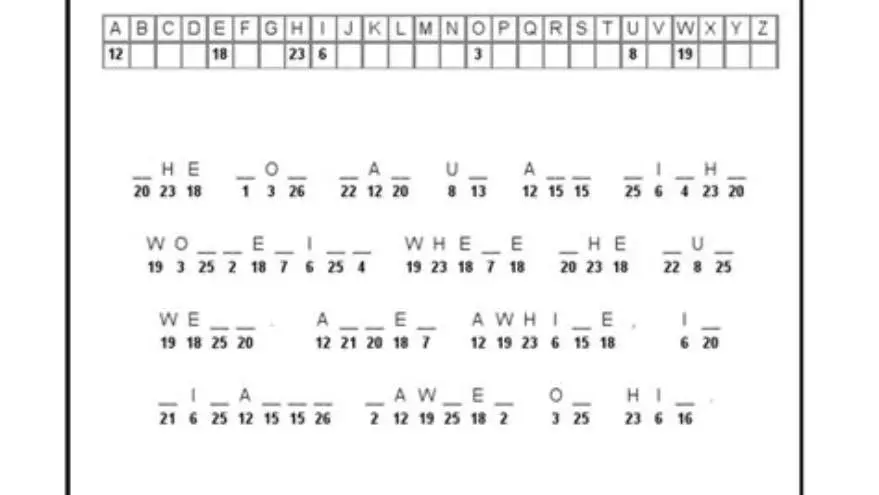
A cryptogram puzzle replaces letters with symbols or other letters based on a key. Beginners, especially seniors, benefit from large-print keys and short phrases to keep puzzles clear and manageable.
On this page (8 sections)
- Key takeaways
- What is the meaning of cryptogram
- Cryptogram key layout for large print puzzles
- Cryptogram phrase with short key for seniors
- How to solve a cryptogram puzzle manually
- Choosing cryptogram puzzles that suit seniors and beginners
- How BigPrint Puzzle Studio helps with cryptogram puzzles
- Questions people still ask
Part of our guide on crossword puzzles seniors large print
| Typical letter count | 15-30 letters |
|---|---|
| Key size point | 20-24 pt font |
| Phrase length | 5-8 words |
| Print style | Sans-serif recommended |
| Common substitution | One-to-one letter mapping |
Key takeaways
- Cryptograms use letter substitution based on a key.
- Large-print keys improve readability for seniors.
- Short, simple phrases reduce frustration for beginners.
- Manual decoding helps cognitive skills and memory.
- Creating puzzles with clear layout supports activity leaders and caregivers.
What is the meaning of cryptogram
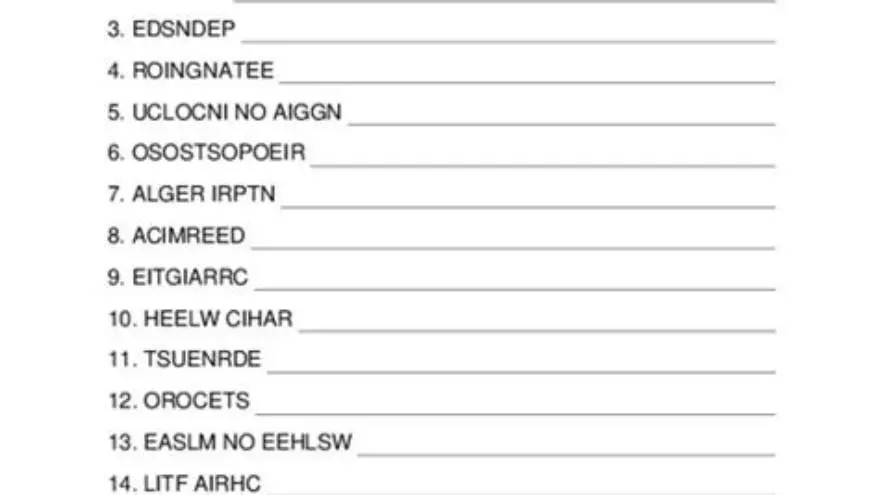
A cryptogram is a word puzzle where each letter in the original message is systematically replaced by another letter or symbol, based on a substitution key. The objective is to decode the message by figuring out which symbol corresponds to which letter.
This type of puzzle usually involves a simple letter substitution cipher, where the pattern remains consistent throughout the phrase. For example, every 'A' in the original text might be represented by 'X' in the cryptogram.
Beginners and seniors often find shorter phrases easier because the puzzle remains manageable and less overwhelming. The consistency of letter substitution helps users detect patterns and improve problem-solving skills.
Cryptograms often rely on the frequency of letters in the English language to help solvers decode messages. For instance, the letter 'E' is the most common letter in English text, so if one symbol appears frequently, it might represent 'E'. Beginners can use this insight to make educated guesses rather than random substitutions. It helps to understand printable scramble games before going further.
Another useful tip is to look for common letter pairings or double letters, such as 'LL' or 'SS'. Spotting these patterns can confirm certain letter assignments and lead to faster progress. For example, if a symbol appears twice in a row, it might correspond to a double letter in the original phrase.
Cryptogram key layout for large print puzzles
A cryptogram key is essential for decoding. For seniors or those with low vision, a key printed in 20-24 point font using clear, sans-serif letters improves legibility significantly.
The key typically shows the entire alphabet or at least the letters used in the puzzle, paired with their substitutions. Arranging it in two aligned rows—original letters on top and substituted letters below—helps the brain visually link pairs. We cover easy 15x15 diagramless crossword in its own article.
Using a simple, high-contrast color scheme, such as black letters on a white background, reduces eye strain. Avoid cramped layouts or decorative fonts that can confuse readers.
This layout ensures seniors and beginners can easily scan and compare letters, which speeds up the decoding process and reduces errors.
In addition to font size, spacing between letters and lines plays a critical role in readability. A key with 1.5 times normal letter spacing and extra space between rows reduces visual clutter, making it easier to distinguish individual letters. We go through word games for elderly at home step by step elsewhere on the site.
Color contrast also matters beyond black and white. Some seniors benefit from off-white backgrounds with dark gray letters, which reduce glare. Testing a few color combinations can identify what works best for different vision needs.
A practical check is to print a sample key and hold it at typical reading distance for the solver. If letters blur or merge, adjusting font size or spacing is necessary before finalizing the puzzle layout.
Cryptogram phrase with short key for seniors
Selecting a short phrase with simple vocabulary makes cryptograms approachable for seniors new to this puzzle form. A phrase with 15 to 30 letters and 5 to 8 words balances challenge and success.
For example, a phrase like 'ENJOY THE DAY' or 'READ A GOOD BOOK' uses common words and limited unique letters, which simplifies the substitution key and keeps the mapping short.
The substitution key should only cover the letters present in the phrase, reducing clutter. A key with fewer than 15 letters is ideal for beginners to avoid overwhelming them.
Larger print and spacing between letters in both the puzzle and the key improve clarity and help maintain attention during solving.
Besides phrase length, content matters for engagement. Seniors tend to prefer positive or familiar themes, such as inspirational quotes or common sayings, which can motivate completion and provide satisfaction.
For example, a phrase like 'SMILE EVERY DAY' uses only 11 letters and 3 words, making it very approachable. The substitution key here might only include 7 letters, allowing a concise, easy-to-scan reference.
A good practice is to preview the phrase decoded fully before selecting it, ensuring no obscure words or unusual spellings complicate solving.
How to solve a cryptogram puzzle manually
Solving a cryptogram manually means using logic and pattern recognition, not guessing blindly. Start by identifying common one-letter words in the phrase, usually 'A' or 'I', which gives clues to the substitutions.
Look for repeated symbols that likely represent common letters like 'E' or 'T'. Short words of two or three letters often correspond to common words such as 'THE', 'AND', or 'IS'.
Trial and error with pencil marks helps confirm or reject guesses. Keep the large-print key visible for constant reference.
When stuck, use frequency analysis—count how often symbols appear—to match them with common letters in English alphabet, but keep the process light to avoid frustration.
A useful manual solving technique involves writing partial solutions on a separate sheet to avoid cluttering the puzzle. This helps keep track of confirmed letters and hypotheses without confusion.
For instance, if you guess a symbol is 'T' based on its position in a three-letter word likely 'THE', write down that substitution separately. Then, apply this to other parts of the cryptogram to see if it fits consistently.
After solving, compare the decoded phrase to the original to verify correctness. Any mismatches indicate errors in substitution, which can be traced back by checking each step carefully.
- Scan the cryptogram looking for one-letter words.
- Note repeated symbols and compare with the key letters.
- Guess common short words using letter patterns.
- Mark confirmed letters on the puzzle for cross-reference.
- Repeat until the phrase is fully decoded.
Choosing cryptogram puzzles that suit seniors and beginners
Not all cryptogram puzzles are created equal for seniors. Prioritize puzzles that have large, clear print, simple phrases, and short keys. Complexity can lead to frustration rather than engagement.
Many printable puzzle sites offer standard cryptograms, but often the font size is small and keys are lengthy. That’s a mismatch for older adults with lower vision or memory challenges.
Puzzle creators and activity directors should customize or select cryptograms with these features in mind. If you make your own, control phrase length and choose clear fonts. Otherwise, tools that build large-print puzzles can save time.
A table comparing different puzzle sources clarifies what to expect:
| Source | Font Size | Phrase Complexity | Key Length | Suitability for Seniors |
|---|---|---|---|---|
| Standard Free Printables | 12-14 pt | Moderate to Complex | Full Alphabet (26 letters) | Low |
| Custom Large-Print Puzzles | 20-24 pt | Simple | Short Key (under 15 letters) | High |
| Puzzle Creation Tools | Adjustable | Controlled by User | Customizable | High |
- Large print improves readability
- Short keys reduce cognitive load
- Simple phrases increase motivation
- Too simple can feel unchallenging
- Complex puzzles discourage beginners
- Limited sources for large-print cryptograms
How BigPrint Puzzle Studio helps with cryptogram puzzles
BigPrint Puzzle Studio is an online tool designed to create large-print puzzles quickly. It lets you build cryptogram puzzles with adjustable font sizes—up to 24 points—ideal for seniors who need clearer print.
You can input or select simple phrases, limiting the letters used so the key remains short and straightforward, matching the needs of beginners.
This tool streamlines the creation and printing process, saving you hours you might otherwise spend formatting puzzles manually. It also supports building entire themed puzzle books with answer keys, making it practical for caregivers and activity directors.
However, it doesn’t automate solving or provide medical benefits. You still need to design puzzles thoughtfully and aim for engaging, not overwhelming content.
Questions people still ask
Can beginners solve cryptograms without prior experience?
Yes, beginners can solve cryptograms if the puzzles use short phrases, large clear print, and a simple key. Starting with common words and one-letter clues makes decoding manageable.
What font size is best for seniors solving cryptograms?
Fonts between 20 and 24 points in sans-serif styles like Arial improve legibility significantly for seniors, reducing eye strain and making puzzles more enjoyable.
How long should a beginner cryptogram phrase be?
A phrase with 15 to 30 letters and about 5 to 8 words balances challenge and success for beginners, avoiding overwhelm or boredom.
Are there free tools to create large-print cryptograms?
Free options exist, such as word processors with large fonts and substitution ciphers done manually. However, these require more time and skill to format well and keep puzzles clear.
Does solving cryptograms help seniors with memory loss?
Solving cryptograms engages cognitive functions like pattern recognition and memory, which can be beneficial as a mental exercise, though it's not a treatment.
Ready to try it? It helps create large-print cryptogram puzzles with custom short keys suited for seniors, saving you formatting time and effort.
Create large-print puzzles now