How many puzzles should a KDP large-print puzzle book contain
Large-print KDP puzzle books typically hold 80 to 120 puzzles, depending on type and layout density.
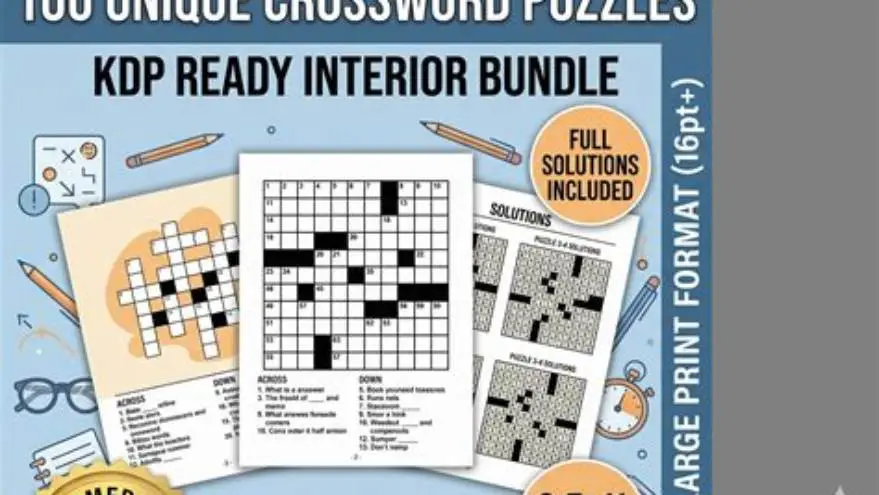
A large-print puzzle book on KDP typically contains 80 to 120 puzzles. The exact count depends on puzzle type, trim size, and how much white space you leave around each grid for readability.
On this page (8 sections)
- The short version
- Typical puzzle count ranges for KDP puzzle books
- Why puzzle type changes the count
- Large-print formatting and how it limits puzzle count
- How to build a puzzle book faster with the right tool
- Pricing and page count trade-offs
- How to test your layout before committing
- Questions people still ask
Part of our guide on kdp large print word search
Most sellers guess the puzzle count wrong and end up with books that feel too thin or price too high.
| Typical puzzle count | 80 to 120 puzzles |
|---|---|
| Word search per page | 1 puzzle |
| Sudoku per page | 1 to 2 puzzles |
| Minimum page count | 24 pages |
| Common trim size | 8.5 × 11 inches |
The short version
- Large-print puzzle books usually contain 80 to 120 puzzles for a comfortable length
- Word searches and mazes take one page each; sudoku and crosswords may need two
- Leave wide margins and extra line spacing to keep grids readable for older adults
- A 100-puzzle book hits the pricing sweet spot for most KDP puzzle sellers
- Test your layout with one puzzle before committing to a full book
Typical puzzle count ranges for KDP puzzle books
Most large-print puzzle books on Amazon KDP contain 80 to 120 puzzles. That range works because it gives you enough pages to justify a reasonable price without making the book feel bloated or overwhelming. A 100-puzzle book is the most common target. It lands around 100 to 110 pages once you add a title page, instructions, and answer key.
The count shifts based on your puzzle type. Word searches usually run one per page when the grid is 15×15 or larger. Sudoku puzzles fit two per page if you use 9×9 grids with generous spacing, or one per page if you add large-print instructions and extra white space. Crosswords take one or two pages depending on grid size and clue layout. Mazes typically sit at one per page.
KDP's minimum page count is 24 pages for paperback, but a book shorter than 60 pages looks thin on the shelf and gets underpriced by the algorithm. Most buyers expect a puzzle book to feel substantial. Somewhere between 90 and 120 pages hits that mark. You stay inside KDP's printing costs while delivering a product that feels worth the purchase.
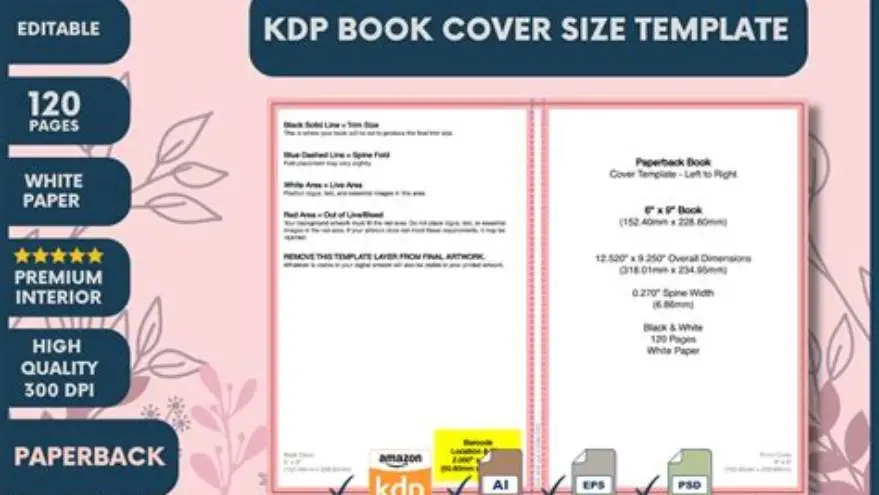
The 8.5 × 11 inch trim size is standard for large-print puzzle books in the US. It gives you room for big grids and wide margins without forcing the reader to rotate the book or squint at compressed layouts. That size also keeps printing costs predictable. A 100-page book in that trim prints for around $3 to $4, leaving room for a $7 to $10 retail price and a decent royalty. The other half of this decision is cover size for kdp puzzles.
Why puzzle type changes the count
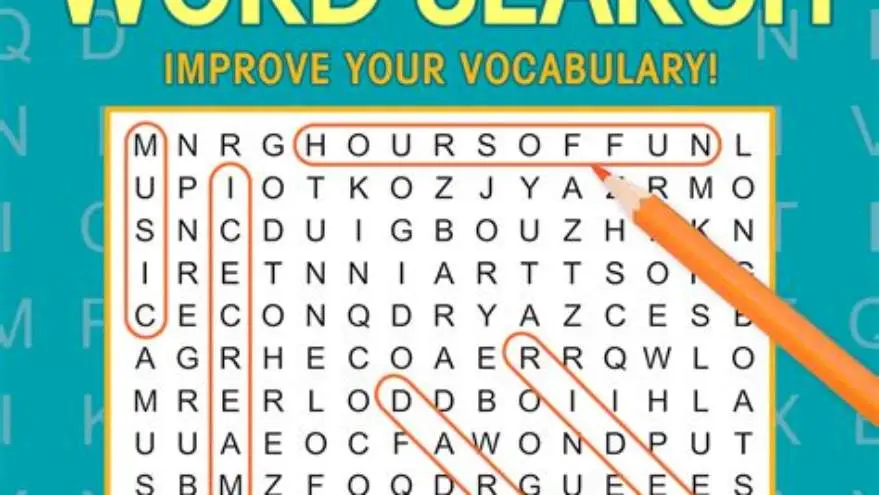
Different puzzles eat different amounts of space on the page. A word search with a 16×16 grid and 20 words takes up most of an 8.5 × 11 inch page once you add margins, the word list, and a title. One puzzle per page is the norm. You can't shrink the grid or tighten the spacing without defeating the point of large print.
Sudoku is more flexible. A single 9×9 grid with 18-point numbers fits comfortably in half a page, so you can stack two puzzles per page if you leave a border between them. That doubles your puzzle count without doubling your page count. But if your audience includes people with vision loss or shaky hands, one puzzle per page with extra room for pencil marks is the safer choice.
Crosswords sprawl. A 15×15 grid needs at least a full page, and the clues often spill onto a second page unless you trim the clue count or shrink the font. That defeats the large-print goal. Most crossword books aimed at seniors stick to one puzzle per page and accept the lower puzzle count. A 60-crossword book is normal; a 100-crossword book is rare unless the grids are small or the clues are short. We go through interior margins puzzle book step by step elsewhere on the site.
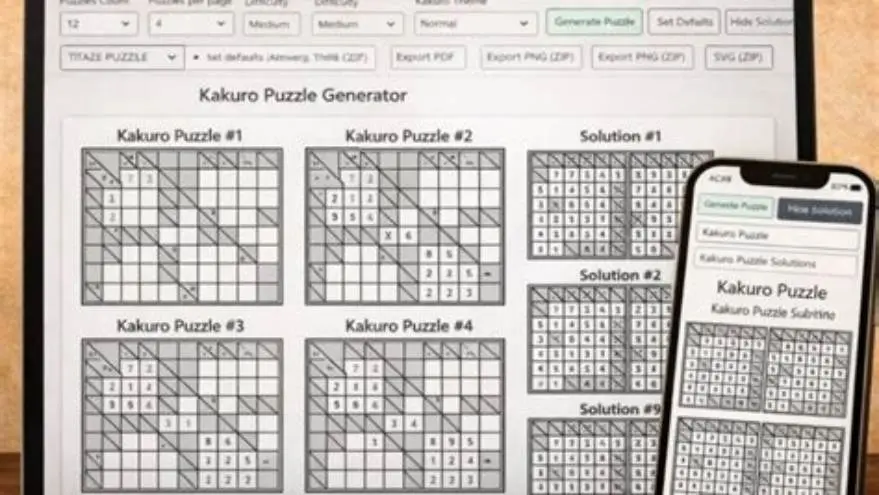
Mazes and logic puzzles vary more. A simple maze fits one per page, but a complex one might need more space. Kakuro and other grid-logic puzzles need room for instructions on the first few pages, which cuts into your total puzzle count. If you're mixing puzzle types in one book, plan for the least efficient layout and you won't run short on pages.
| Puzzle type | Puzzles per page | Typical book count |
|---|---|---|
| Word search (15×15 or larger) | 1 | 80 to 100 |
| Sudoku (9×9) | 1 to 2 | 100 to 150 |
| Crossword (13×13 to 15×15) | 1 | 60 to 80 |
| Maze | 1 | 60 to 80 |
| Mixed variety | varies | 80 to 100 |
Large-print formatting and how it limits puzzle count
Large print means more than just big letters. It means wide margins, extra line spacing, and enough contrast between the puzzle and the background that readers don't lose their place. Those requirements cut into the space available for each puzzle, which in turn limits how many puzzles you can pack into a book.
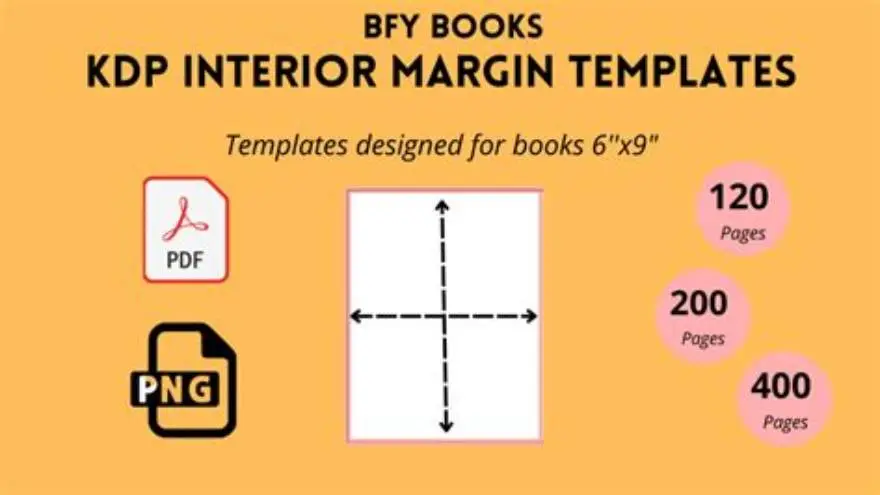
KDP's large-print guidelines aren't strict, but the market expectation is clear. Font size for puzzle grids should be 16 to 18 points minimum. Clues and instructions need to sit at 14 points or larger. Margins should run at least 0.75 inches on all sides, and 1 inch is better for books aimed at older adults. That leaves you with a printable area of roughly 6.5 × 9 inches on an 8.5 × 11 inch page. It helps to understand puzzle book makers no subscription before going further.
Line spacing matters more than most beginners expect. A word search with single-spaced grid cells feels cramped even if the letters are large. Add 1.2 or 1.3 line spacing and the grid breathes. Sudoku grids need thick borders between the 3×3 blocks or the structure gets lost. Crosswords need space between the grid and the clue list, plus extra leading in the clues themselves so they don't blur together.
These spacing rules mean you can't cheat your way to a higher puzzle count by shrinking everything down. A book that squeezes 150 word searches into 100 pages isn't large print anymore. It's just a regular puzzle book with slightly bigger type. Buyers will notice, and the reviews will reflect it. Stick to one puzzle per page for most formats and accept the lower count as the price of readability.
How to build a puzzle book faster with the right tool
Creating 100 puzzles by hand takes weeks if you're starting from scratch. You need to generate each grid, lay it out on the page with proper spacing, add titles and instructions, build an answer key, and format the whole thing into a print-ready PDF. Most beginners use Canva or Word and burn hours tweaking margins and alignment. We go through low content puzzles for seniors step by step elsewhere on the site.
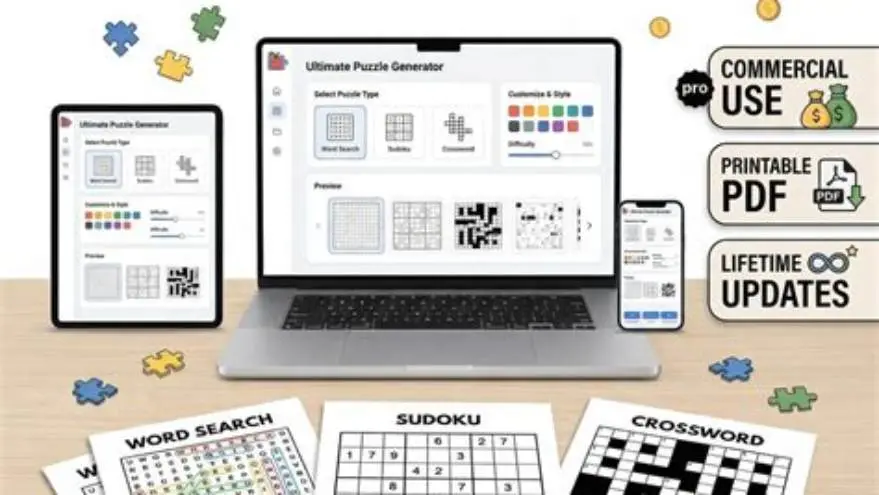
We built BigPrint Puzzle Studio to handle the layout and formatting automatically. You pick a puzzle type and a theme, set the grid size and difficulty, and the tool generates the puzzle with large-print spacing already applied. It outputs a print-ready PDF formatted for KDP's 8.5 × 11 inch trim with correct margins and an answer key at the back. You can build a 100-puzzle book in an afternoon instead of a month.
The tool includes 8 puzzle types and 42 ready-made themes like holidays, hobbies, and nature. You can also add custom word lists if you're targeting a niche audience. It has a built-in cover maker that generates wrap-around covers sized for KDP, plus an Amazon listing helper that suggests titles and keywords based on your theme. It's a $17 one-time payment, no subscription.
It won't guarantee sales. Your success still depends on your niche research, cover design, and how well you market the book. But it removes the layout grind and the guesswork around formatting. If you're planning to publish more than one or two puzzle books, it pays for itself fast. If you're only testing the idea with a single book, the manual route might still make sense. We cover how to sell printable puzzles on etsy in its own article.
Pricing and page count trade-offs
KDP's printing cost rises with page count. A 100-page book in the 8.5 × 11 inch trim costs around $3.60 to print. A 150-page book costs closer to $5. That extra cost eats into your royalty unless you raise your retail price, and raising the price above $9.99 cuts into your sales volume.
Most large-print puzzle books on Amazon sell between $7 and $10. At $8.99, a 100-page book leaves you with about $2 to $3 in royalty after printing and Amazon's cut. A 150-page book at the same price might leave you with $1 or force you to price at $10.99, which puts you above the impulse-buy threshold.
The sweet spot is 90 to 110 pages. That gives you enough puzzles to justify the price without bloating your printing cost. A 100-puzzle word search book hits that range perfectly. A 120-puzzle sudoku book lands there if you use two puzzles per page. A 70-puzzle crossword book might fall short, so you pad it with a longer introduction, puzzle-solving tips, or bonus pages.
Don't chase a high puzzle count just to look competitive. Buyers care more about readability and whether the puzzles suit their skill level than whether the book has 100 or 150 puzzles. A well-laid-out 90-puzzle book will outsell a cramped 150-puzzle book every time.
| Page count | Print cost (8.5×11) | Retail price | Royalty (approx) |
|---|---|---|---|
| 80 | $3.20 | $7.99 | $2.00 |
| 100 | $3.60 | $8.99 | $2.50 |
| 120 | $4.00 | $9.99 | $2.80 |
| 150 | $5.00 | $10.99 | $2.50 |
How to test your layout before committing
Order a proof copy from KDP before you launch the book. It costs a few dollars plus shipping, and it shows you exactly how the puzzles will look in print. Screen rendering lies. A puzzle that looks clear on your monitor can turn out faint or cramped on paper, especially if your line weights are too thin or your font is smaller than you thought.
Check the margins with a ruler. Measure the distance from the edge of the page to the start of the puzzle grid on all four sides. If any margin is under 0.75 inches, the book will feel tight and the binding might cut into the grid on the inner margin. Check the answer key too. If the answers are hard to read, the buyer will assume the puzzles are just as bad and leave a low review.
Print a sample puzzle on your home printer first if you don't want to wait for a proof. Use the exact trim size and the same paper weight KDP uses, which is around 60 lb white offset. Print at 100% scale, not fit-to-page. Hold the page at arm's length and see if you can read the grid without leaning in. If you can't, your target audience won't be able to either.
Test one puzzle type per page and one full page with two puzzles if you're stacking them. See which layout feels more comfortable. If the two-puzzle layout feels cramped or the puzzles start to blend together visually, drop back to one per page and accept the lower puzzle count. Readability beats volume every time.
Questions people still ask
Can I mix different puzzle types in one book?
Yes, but it complicates the layout. Each puzzle type needs different spacing and formatting, so your pages-per-puzzle ratio will vary. Most mixed books end up with 60 to 80 puzzles instead of 100. Buyers also prefer books focused on one type, so sales can suffer unless you clearly label it as a variety book.
Do answer keys count toward the total page count?
Yes. KDP counts every page in the file, including the title page, instructions, and answer key. A 100-puzzle book typically runs 100 to 110 pages total once you add the answer key at the back. Plan for that when you calculate printing costs.
Is 50 puzzles too few for a KDP puzzle book?
It's thin but not impossible. A 50-puzzle book will land around 60 pages, which prints cheap but feels light compared to other books in the category. You'd need to price it lower, around $5.99 to $6.99, which cuts your royalty. Most sellers find 80 puzzles is the minimum for a book that feels substantial.
How many puzzles fit in a 120-page KDP book?
It depends on the puzzle type. For word searches at one per page, you'd fit around 110 puzzles after the title page and answer key. For sudoku at two per page, you could fit 200 or more. For crosswords at one per page with clues, expect 100 to 110.
Do large-print puzzle books sell better with more puzzles?
Not necessarily. Buyers care more about readability and whether the difficulty matches their skill level. A 90-puzzle book with clear layouts and good spacing will outsell a 150-puzzle book with cramped grids. Focus on quality and proper formatting before you chase a high puzzle count.
Ready to try it? It generates large-print puzzle layouts automatically and outputs print-ready PDFs formatted for KDP
Build your puzzle book now