Puzzle types and print features that aid seniors with memory loss
Find puzzle types and print features designed to support seniors with memory loss, promoting calm and success through dementia-friendly activities.
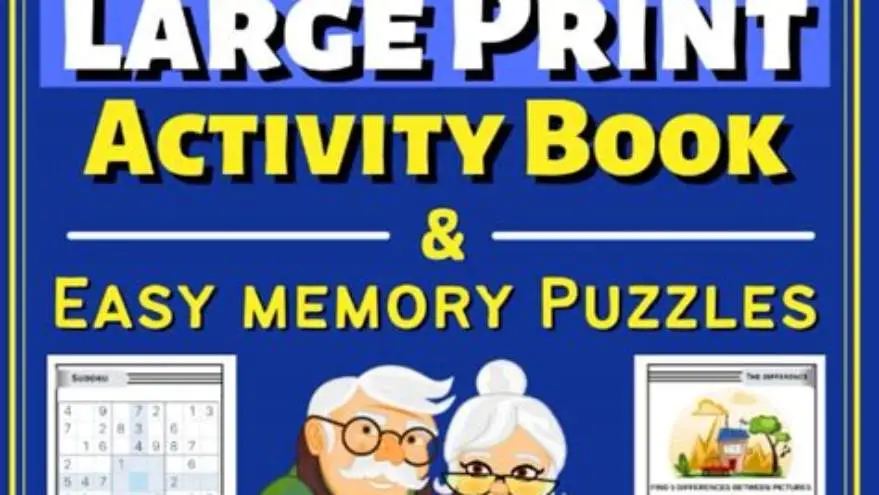
Choose large-print puzzles with simple layouts and moderate difficulty levels to support memory and cognition in seniors with memory loss. Puzzles like word searches, matching games, and easy crosswords promote calm and success without frustration.
On this page (8 sections)
- The short version
- Which puzzles support memory and cognition
- How print size and design affect usability
- Variety of puzzles suitable for different memory stages
- Where to find or create these puzzles
- Puzzle books for seniors with memory loss
- How to make or choose puzzles that bring calm and success
- Questions people still ask
Part of our guide on activity book for dementia patients large print
Puzzle and print features tailored to seniors with memory loss, promoting calm and success with dementia-friendly activities.
| Print size | 18-24 point font |
|---|---|
| Puzzle types | Word search, matching, crosswords |
| Difficulty levels | 3 levels suggested |
| Pages in activity kit | 130+ printable pages |
| Conversation cards | 48 included |
| Printable formats | US Letter, A4 |
The short version
- Large print improves puzzle readability and reduces eye strain.
- Simple, familiar puzzle types ease engagement for memory loss seniors.
- Activities with multiple difficulty levels support different memory stages.
- Variety in puzzle formats keeps seniors interested and stimulated.
- Printable kits and tools save time and avoid frustration.
Which puzzles support memory and cognition
Puzzles that trigger recognition and recall help seniors with memory loss. Word searches use familiar vocabulary. That strengthens verbal memory links. Matching games repeat pairs and patterns. That trains visual recognition and sequencing.
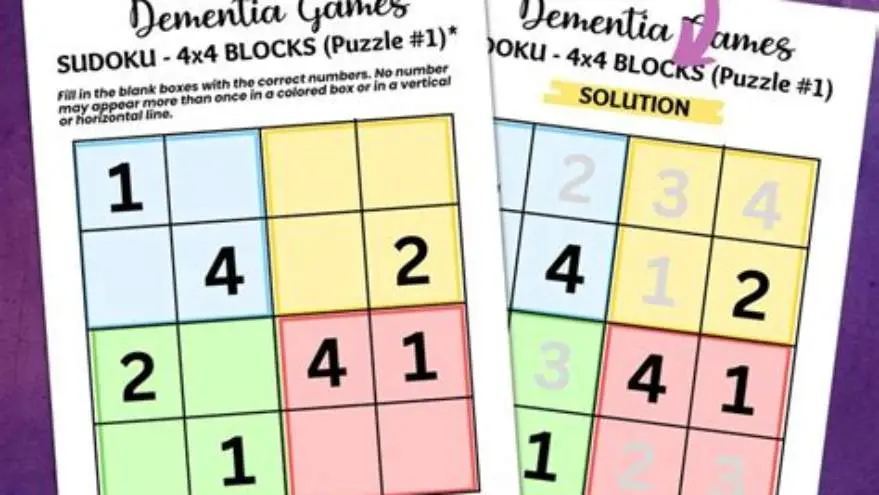
Crosswords that use daily topics support language retrieval. Keep clues simple and current. Short-answer or multiple-choice crosswords cut frustration. Sudoku helps logical sequencing when grids are reduced and notes are allowed. Give larger cells and fewer givens to make it manageable.
Pick puzzles with steady, clear rules. Remove time pressure and penalties. This approach calms and builds confidence, which lowers stress and helps concentration. Let a person stop and restart without loss of progress. Small wins keep engagement high.
How print size and design affect usability
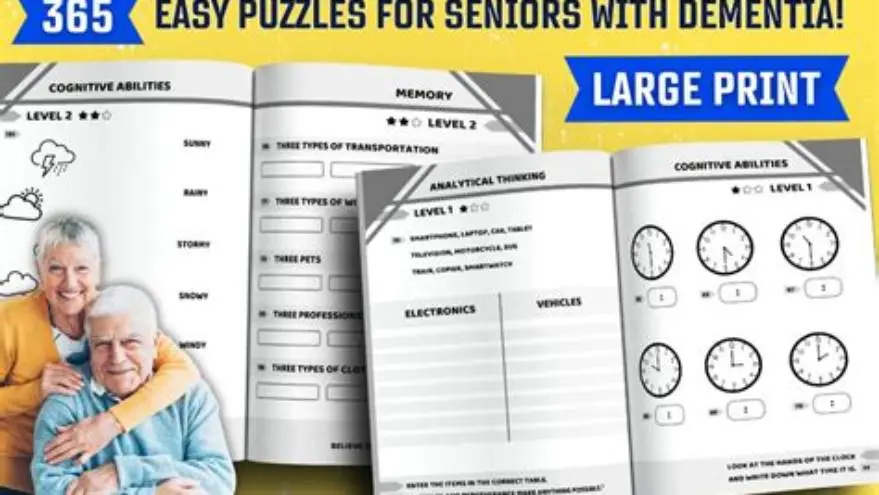
Print size between 18 and 24 points helps seniors with low vision or cognitive challenges read puzzles comfortably. Larger fonts reduce eye strain and prevent guessing due to unclear letters. People in this spot often ask about activity book for adults with dementia as well.
High contrast between text and background improves clarity. Use simple fonts such as Arial or Verdana and avoid decorative fonts that confuse recognition.
White space around puzzles and clear section breaks make pages less overwhelming. Designs that minimize clutter and distractions aid focus and reduce frustration.
- Eases reading for vision and memory loss
- Reduces cognitive load
- Improves engagement
- Larger pages may require more printing
- Simple designs limit visual flair
Variety of puzzles suitable for different memory stages
Early-stage memory loss suits puzzles with simple word searches and matching pairs. These focus on recognition and familiar concepts. The other half of this decision is dementia patient puzzles easy.
Mid-stage puzzles add easy crosswords with common words and simple logic puzzles that promote active thinking without high frustration.
Late-stage puzzles emphasize sensory or visual activities like coloring large shapes or sorting activities, supporting engagement without relying heavily on memory.
Offering activities with three difficulty levels (gentle, easy, and steady) caters to changing abilities and keeps users motivated. The other half of this decision is easy dementia-friendly PDF activities.
| Memory Stage | Recommended Puzzle Types | Difficulty Focus |
|---|---|---|
| Early | Word searches, matching games | Recognition, familiar words |
| Mid | Easy crosswords, simple sudoku | Active recall, logic |
| Late | Coloring, sorting | Sensory engagement |
Where to find or create these puzzles
Choose premade kits aimed at older adults. Look for kits with large fonts, high contrast, and simple graphics. Prefer collections that group content by difficulty. That helps caregivers step puzzles up or down without guessing.
Check reputable sources for guidance on activities and dementia. The Alzheimer’s Association lists activity ideas that preserve abilities and reduce agitation. The National Institute on Aging explains how simple, familiar tasks help mood and function. Use those pages when you pick themes and safety limits.
Make large-print puzzles without specialty software. Puzzlemaker from Discovery Education creates basic word searches and crosswords for free. Use 18 to 24 point type for main content and 14 to 16 point for labels. The American Foundation for the Blind gives contrast and layout advice you can follow. The other half of this decision is large-print puzzles for reminiscence.
Expect effects to vary with the person and the routine. The benefit depends on the stage of dementia, how often you do activities, and whether tasks feel familiar. Measure what helps: track task completion, note mood changes, or use a simple engagement log for 8 to 12 weeks. Those measures show if a kit truly keeps someone more active.
Puzzle books for seniors with memory loss
Puzzle books for seniors with memory loss must have large print, clear layout, and fair difficulty. Look for titles that keep answers visible or avoid trick questions. That lowers frustration and keeps the session calm.
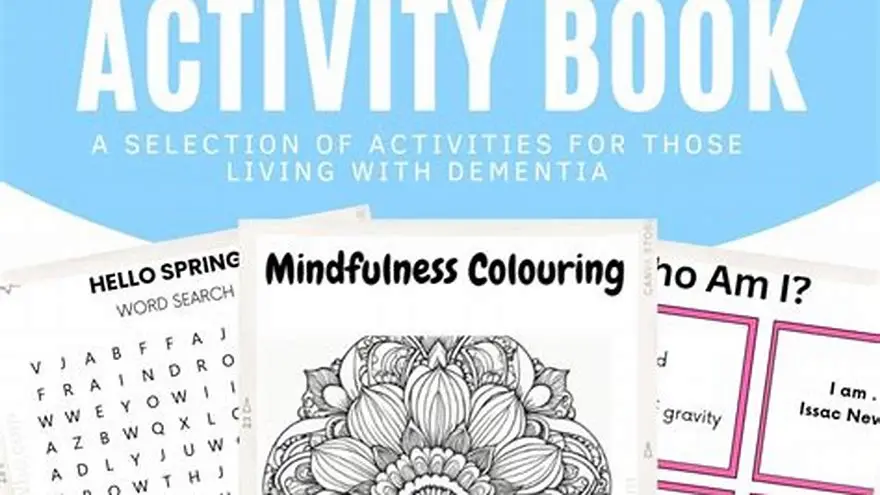
The Gentle Minds Activity Kit follows this approach. It arranges activities into three levels: Gentle, Easy, and Steady. Each level matches different stages of memory loss so you can pick the right starting point. It helps to understand picture sudoku puzzles before going further.
The kit includes over 130 pages and 48 conversation cards. They encourage interaction during activities. Conversation prompts keep the task social, which supports mood as well as attention.
The kit does not treat disease. It helps caregivers keep people active and connected. Use it as part of a routine and watch for small gains in engagement or ease of doing daily tasks.
How to make or choose puzzles that bring calm and success
Choose puzzles that match the senior’s current abilities to prevent frustration. Start with shorter, simpler puzzles and increase challenge only if the user shows comfort with the activity.
Provide clear instructions and avoid timed or scored puzzles. Encourage completing puzzles at a relaxed pace.
Use materials with large, clear print and minimal distractions on the page. Include familiar themes to spark positive memories.
If creating your own puzzles, prioritize word lists and images relevant to the user’s life and interests, which supports engagement and calm.
Questions people still ask
Which puzzle types best support memory in seniors with dementia?
Word searches, matching games, and simple crosswords help by encouraging recognition and recall of familiar words. Activities should avoid complex rules to keep frustration low.
What print size should I choose for seniors with memory loss?
Use fonts between 18 and 24 points to ensure clear readability. High contrast and simple fonts improve usability for those with vision and cognitive difficulties.
Can puzzle difficulty be adjusted for different memory stages?
Yes. Offering puzzles in levels like gentle, easy, and steady lets you match the current cognitive ability, helping maintain calm and success.
Where can I find ready-made puzzle kits for seniors with memory loss?
Printable kits like the Gentle Minds Activity Kit provide large-print puzzles with varied difficulty levels and caregiver support, designed specifically for adults living with memory loss.
What alternatives exist for creating customized large-print puzzles?
Free tools like Large Print Word Search Maker help you build word searches with your own word lists. For broader puzzle types and publishing, tools like BigPrint Puzzle Studio are options but require more effort.
Ready to try it? It provides printable, large-print activities at three difficulty levels designed specifically for adults with memory loss.
Try Gentle Minds kit