Which large-print puzzles seniors with memory loss can do without help
Seniors with memory loss can independently do large-print word searches, simple crosswords, and easy mazes when puzzles avoid confusing rules and use bold, clear fonts. Large print and no time pressure help reduce frustration.
On this page (8 sections)
- Quick recap
- Which large-print puzzles seniors with memory loss can do without help
- What types of puzzles are suited for memory loss
- How large print aids usability
- Examples of puzzles that reduce frustration
- Tips for selecting or adapting puzzles for memory challenges
- Why the Gentle Minds Activity Kit suits seniors with memory loss
- Still wondering?
Part of our guide on simple activities for dementia patients
Key figures
- Print size
- 18-24 pt font
- Puzzle types
- word search, crossword, maze
- Difficulty levels
- 3 levels typical
- Page count
- 130+ pages in kits
- Print formats
- US Letter, A4
Quick recap
- Choose puzzles with clear, large print and simple instructions to aid seniors with memory loss.
- Word searches, easy crosswords, and mazes often provide calm success without help.
- Avoid puzzles needing complex rules or rapid recall to prevent frustration.
- Using printable kits like the Gentle Minds Activity Kit offers levels matched to memory ability.
- Adapting puzzles by simplifying clues or enlarging print enhances usability and enjoyment.
Which large-print puzzles seniors with memory loss can do without help
Seniors with memory loss usually manage large-print puzzles that rely on recognition rather than recall. Word searches with clear, bold letters and obvious word lists are easiest. Simple crosswords with very straightforward clues also work if they avoid cryptic or multiple-step hints.
Mazes and connect-the-dots puzzles help by focusing on visual tracking instead of memory. Large print reduces strain for seniors with low vision, a common issue alongside memory challenges. Avoid puzzles needing rapid reasoning or remembering complex rules since these increase frustration and the need for assistance.
Delivering puzzles in a calming environment and allowing plenty of time encourages success. Puzzles with no wrong answers, or where answers are given to helpers, reduce pressure. These conditions help seniors use puzzles independently with less frustration.
What types of puzzles are suited for memory loss
Puzzles suited for seniors with memory loss share traits: simple rules, clear instructions, and answers relying on recognition. Word searches top the list because the word list guides focus and avoids guesswork. Large-print crosswords with easy vocabulary and direct clues are helpful if kept short. We go through activities for seniors with dementia printable step by step elsewhere on the site.
Number puzzles like sudoku are generally harder if they require recalling number placement patterns. However, very simple sudoku with small grids can work for those with mild memory loss. Mazes engage visual navigation skills without taxing memory.
Avoid puzzles requiring multiple-step logic or anagrams as these challenge memory recall and can cause frustration. Activities with no timed element give users control over pace, important for this group.
| Puzzle Type | Memory Demand | Ease of Use | Frustration Risk |
|---|---|---|---|
| Word Search | Low | High | Low |
| Simple Crossword | Low to Medium | Medium | Medium |
| Sudoku (Simple) | Medium | Medium | Medium |
| Complex Crossword | High | Low | High |
| Maze | Low | High | Low |
| Anagrams/Logic Puzzles | High | Low | High |
How large print aids usability
Large print in font sizes between 18 and 24 points greatly improves puzzle usability for seniors with memory loss and low vision. Bigger letters help reduce eye strain and confusion about characters, which can increase frustration. People in this spot often ask about puzzle books for seniors memory loss as well.
High contrast between text and background (such as black letters on white or pale yellow) also improves clarity. Clear, simple fonts without decorative flourishes keep letters distinct.
Large print allows users to focus on the puzzle content, not deciphering the text. This focus supports memory by reducing cognitive load and makes it easier to work without help.
- Improves readability
- Reduces eye strain
- Supports independence
- Takes more space on page
- Limits puzzle complexity
Examples of puzzles that reduce frustration
Puzzles that reduce frustration for seniors with memory loss have simple objectives, minimal rules, and clear feedback. Word searches listing all target words avoid guessing and support recognition memory. It helps to understand large print activities aiding memory before going further.
Crosswords with straightforward clues (such as definitions rather than cryptic hints) help users find answers more easily. Mazes with wide paths and simple shapes prevent confusion.
Puzzles with large print, no penalties for mistakes, and optional hints or answer keys also lower frustration levels. Activities designed without strict time limits let seniors work at their own pace.
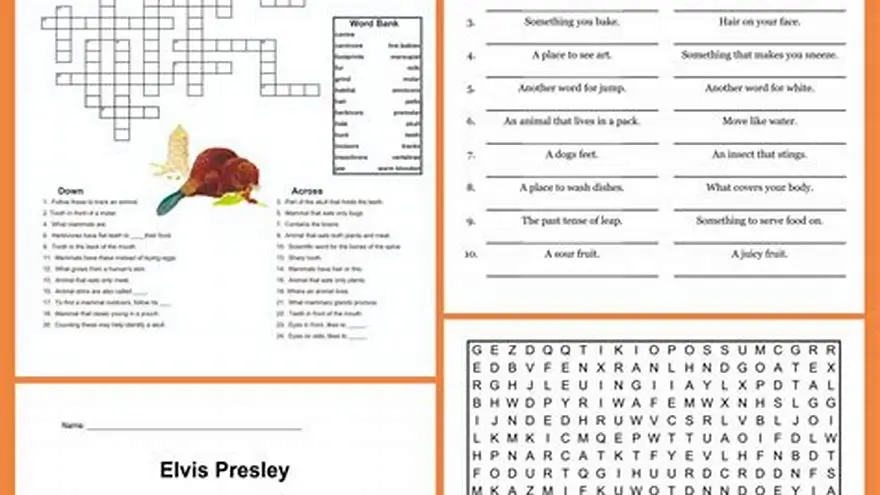
- Word search: includes clear word list and large font
- Crossword: simple clues and small grid
- Maze: broad paths and simple layout
- Answer keys for helpers to assist without pressure
Tips for selecting or adapting puzzles for memory challenges
When selecting puzzles, choose those with large print, simple rules, and clear instructions. Avoid puzzles that demand recalling multiple steps or complex strategies. We cover large print activity book for dementia patients in its own article.
You can adapt existing puzzles by enlarging the text using print settings or software and simplifying clues in crosswords. Removing time limits and allowing repeated attempts reduces pressure.
Giving users a choice between three difficulty levels (easy, medium, and hard) helps match their current abilities and maintains engagement without frustration.
Including conversation cards or prompts with puzzles encourages social interaction, which can boost mood and cognitive function. People in this spot often ask about how to play a memory matching game as well.
- 1. Check font size; enlarge to at least 18 pt if needed.
- 2. Simplify and clarify puzzle instructions or clues.
- 3. Remove or extend time limits to allow slow work.
- 4. Provide answer keys for helpers to support without pressure.
- 5. Offer puzzles at varied difficulty levels for choice.
Why the Gentle Minds Activity Kit suits seniors with memory loss
The Gentle Minds Activity Kit offers printable large-print puzzles and activities tailored for adults living with memory loss. It contains three difficulty levels (Gentle, Easy, and Steady) so you can match activities to the senior’s ability, minimizing frustration.
With over 130 pages of puzzles, conversation cards, and caregiver guides, it supports engagement without feeling childish or too hard. The kit’s no-wrong-answer approach reduces pressure, letting users enjoy puzzles independently or with minimal help.
While it does not substitute medical therapy, this kit saves time finding suitable puzzles and offers printable, repeatable activities, a practical edge over assembling materials manually or using generic puzzle books.
- Multiple difficulty levels
- Printable on demand
- Includes conversation cards
- Caregiver guide included
- Not a medical treatment
- Requires printer access
- No timed challenge
Still wondering?
Can seniors with advanced memory loss do puzzles independently?
Seniors with advanced memory loss often need puzzles with the simplest rules and large print, possibly with helpers nearby. Activities that avoid recall and focus on recognition or visual tracking work best.
How do I know if a puzzle is too hard for my loved one?
Watch for signs of frustration, refusal to continue, or confusion. If they need frequent help or struggle with instructions, choose an easier puzzle or one with more visual cues.
Is large print enough to make puzzles usable for seniors with vision and memory issues?
Large print helps greatly but should be combined with simple puzzles and good contrast. Clear instructions and no time limits are also important to usability.
Can printable puzzle kits replace buying puzzle books?
Printable kits like the Gentle Minds Activity Kit offer flexibility to print only what’s needed at the right difficulty, saving money and fitting changing abilities better than fixed books.
How can caregivers support puzzle activities without taking over?
Caregivers can help by preparing materials, reading instructions aloud, providing hints if asked, and encouraging without correcting, maintaining the senior’s sense of accomplishment.
Ready to try it? The Gentle Minds Activity Kit provides ready-to-print, large-print puzzles at three difficulty levels for seniors with memory loss, reducing frustration and boosting independent engagement.
Try the Gentle Minds Kit